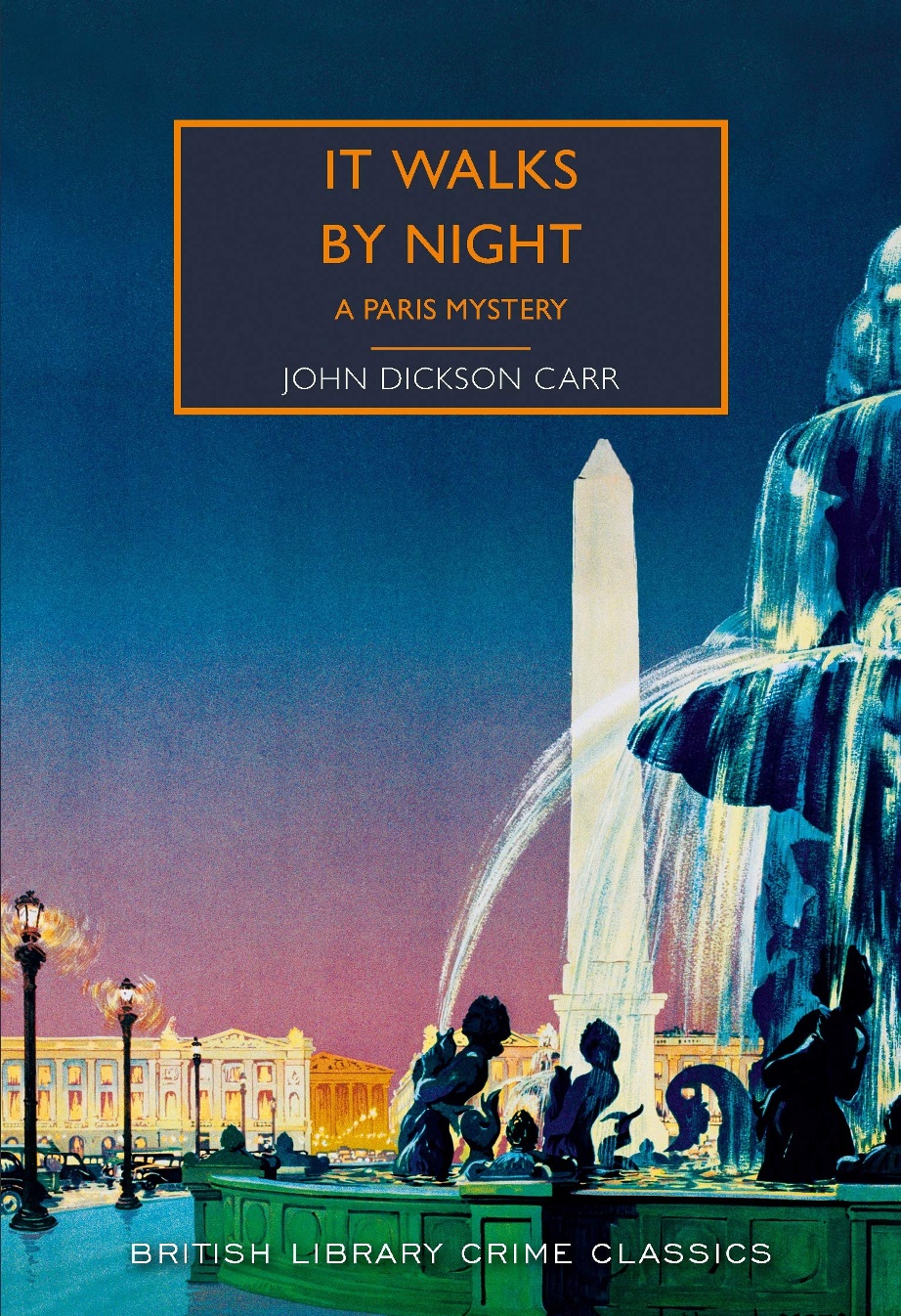
With the superb British Library Crime Classics range having recently published its one hundredth title, and with doubtless many more books still in its future, the time seems ripe to revisit one of its most exciting reprints, It Walks by Night (1930) the novel-length debut of John Dickson Carr and his first sleuth, Henri Bencolin.
Continue readingBritish Library Crime Classics
#897: Jumping Jenny, a.k.a. Dead Mrs. Stratton (1933) by Anthony Berkeley
![]()
![]()
![]()
![]()
![]()
Soren Kierkegaard said that life is to be lived forwards but only understood backwards, and the same is true of my reading Anthony Berkeley Cox. I’m reasonably sure that I’ve read the majority of Cox’s novels, but only in revisiting them — with, admittedly, a firmer grounding in the detective genre’s Golden Age which he explored so rigorously in a staggeringly small number of books — do I appreciate what he was trying to do. Jumping Jenny, a.k.a. Dead Mrs. Stratton (1933), for example, is the inversion of every novel of detection written to that point and a vast majority of those written since, and only in seeing this did I finally understand just how damn good it is.
In GAD We Trust – Episode 22: On Making a Good First Impression [w’ Sergio @ Tipping My Fedora + Brad @ AhSweetMysteryBlog]
After the interruption to the schedule of two weeks ago, here’s another In GAD We Trust podcast — and given the topic of ‘Making a Good First Impression’ it’s only fitting to welcome returning guests Sergio and Brad.
Continue readingIn GAD We Trust – Episode 19: Reissue! Repackage! Repackage! [w’ Various People]
On the back of the Reprint of the Year Award run by Kate at CrossExaminingCrime, I thought it might be interesting to see what those of us who submit titles for that undertaking would choose to bring back from the exile of being OOP.
Continue reading#752: Fear Stalks the Village (1932) by Ethel Lina White

![]()
![]()
![]()
![]()
![]()
The subgenres by which we carve up any broad classification of fiction admit a degree of specialisation but raise problems in terms of enjoyment. For instance, Fear Stalks the Village (1932) as a Village Mystery must supply satisfaction on two fronts: it must have both a great village and a great mystery — and, while it has the former in spades, it lacks sorely to my tastes on the latter half of that expectation. And while The Voice of the Corpse (1948) by Max Murray shows that such a mixture can fall favourably upon my experience, White’s tale of poison pen letters seems to love its village a little too much to allow the mystery to ever really gain traction.
#730: The Lost Gallows (1931) by John Dickson Carr

![]()
![]()
![]()
![]()
![]()
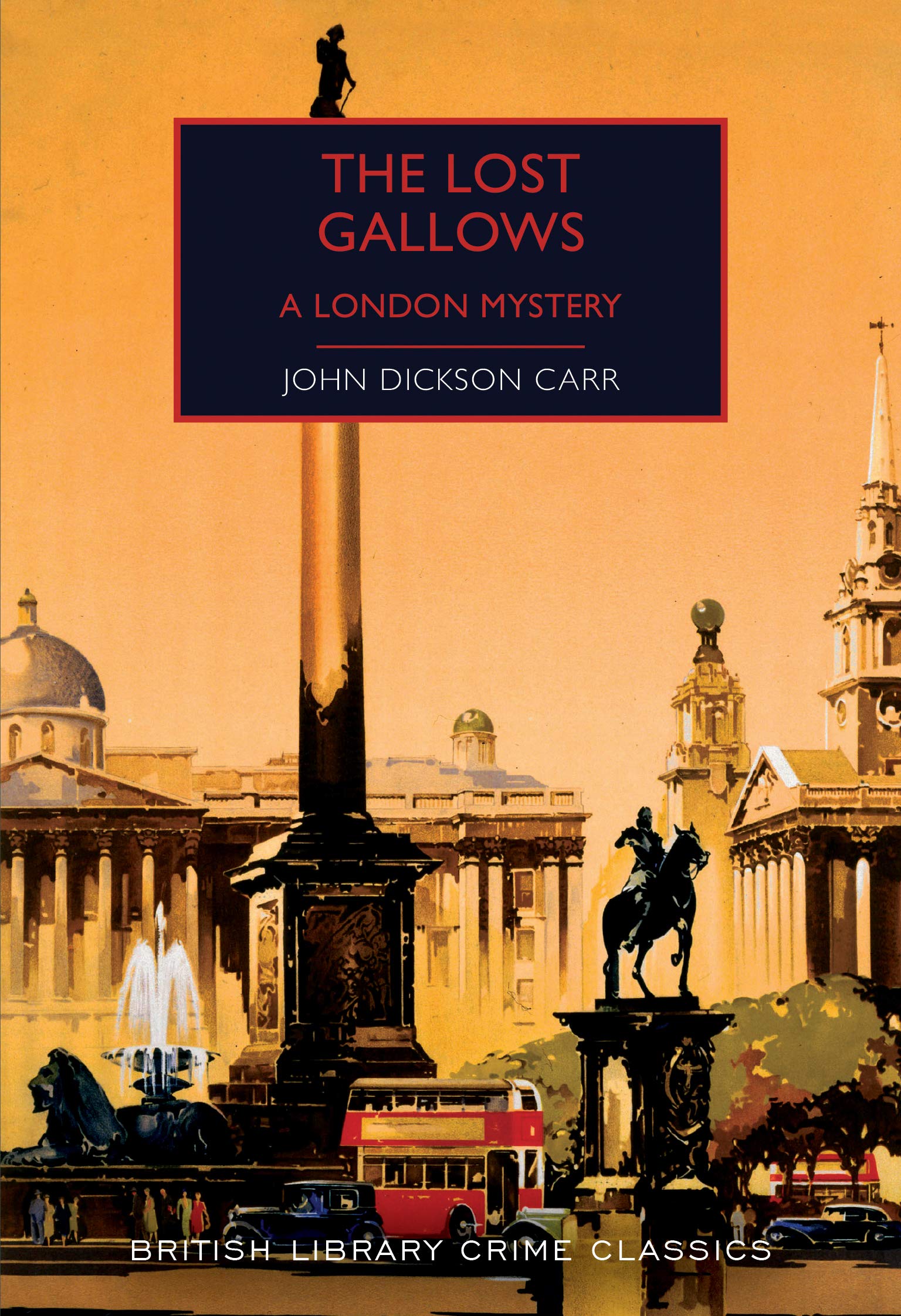
It’s rather a coup of scheduling that the British Library opted to reissue this November-set second case for Henri Bencolin in November 2020, because there’s something distinctly eerie the fog-shrouded, darkening streets of the London of John Dickson Carr’s second novel The Lost Gallows (1931) that would, one feels, be lost if read in the blistering July sunshine (yes, thank-you, the Southern Hemisphere). Indeed, I enjoyed this one more at this second reading than I thought I would — in part because Carr’s melodrama doesn’t hit me so hard second time around, but I’m also going to cite “tis the season” as a definite factor.
#724: The 12.30 from Croydon, a.k.a. Wilful and Premeditated (1934) by Freeman Wills Crofts

![]()
![]()
![]()
![]()
![]()
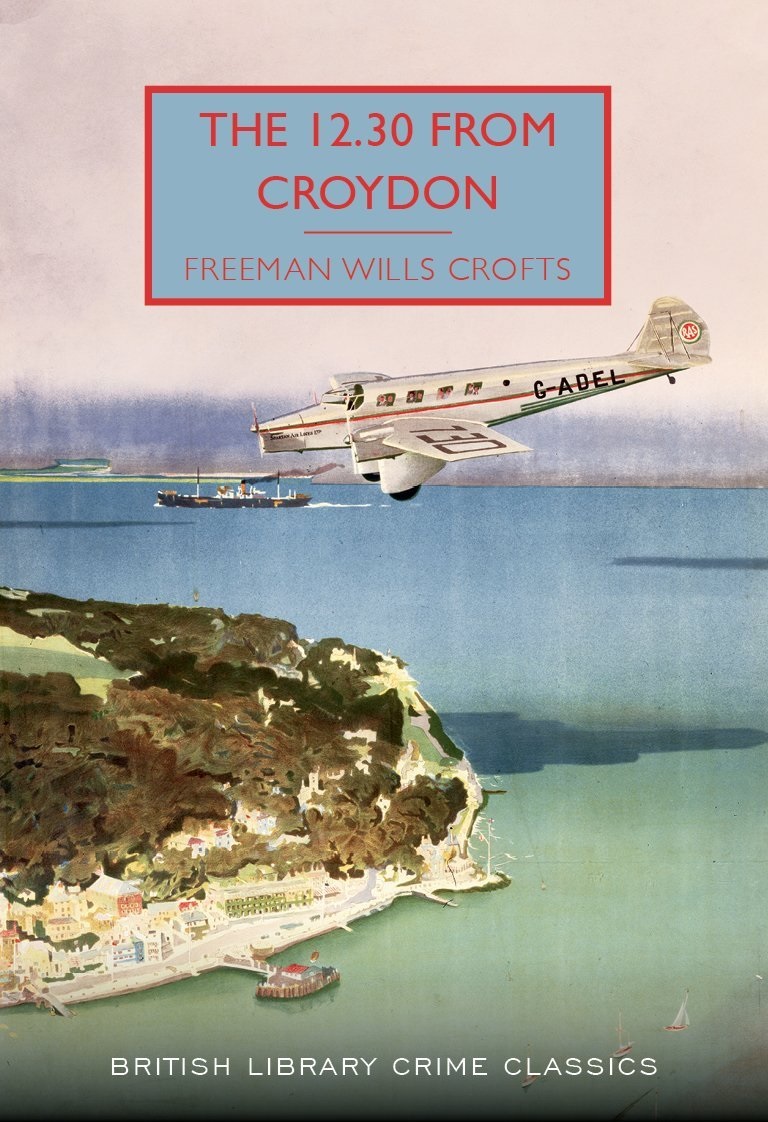
The writing of an inverted mystery must surely bring with it a certain amount of release. Your typical detective novel, after all, keeps the villain, their motives, their opportunity, and oftentimes their method occluded from the reader whilst ideally also dropping all manner of subtle hints about them, where the inverted mystery — in which we know the criminal and their motivation from the off, see the crime committed, and must then watch the detective figure it out — removes every single one of these difficulties, requiring only the investigation which would have happened in a ‘straight’ novel of detection anyway.
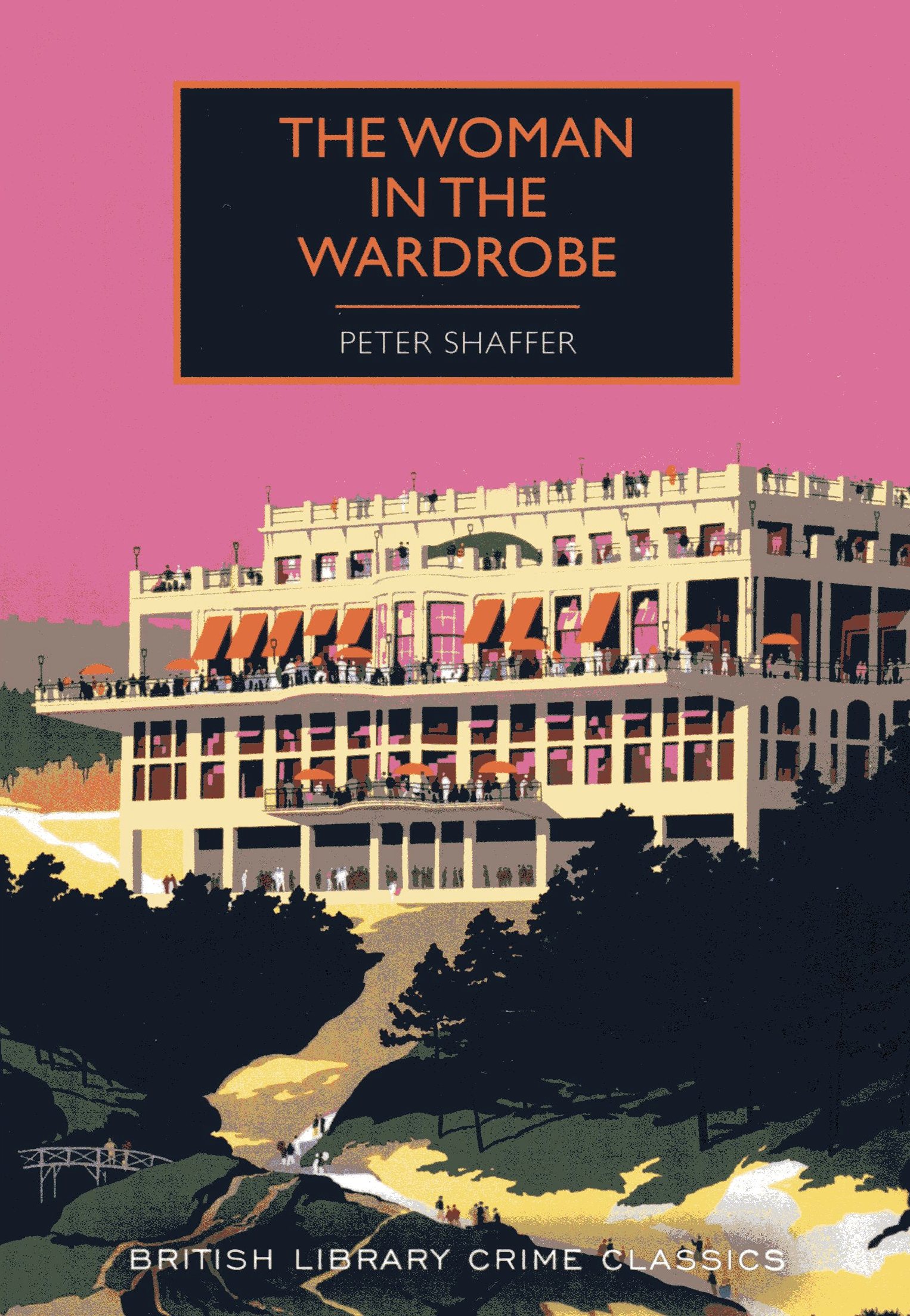
#715: The Woman in the Wardrobe (1951) by Peter Shaffer [a.p.a. by Peter Antony]

![]()
![]()
![]()
![]()
The one thing a book cannot guard against is the expectations that build up around it — and the rarer a book proves to be, the more apocryphal its contents, the higher those expectations tend to rise. The Woman in the Wardrobe (1951) by Peter Shaffer has been staggeringly unobtainable for decades now and, with no less an authority than Robert Adey promising “a brilliant new solution” for its locked room murder, had much to live up to. We can’t blame the book for the solution not being new — not even slightly, Bob — but we can blame it for the flaws that disappointingly crop up in several key regards.
In GAD We Trust – Episode 3: British Library Crime Classics and Mortmain Hall (2020) by Martin Edwards [w’ Martin Edwards]