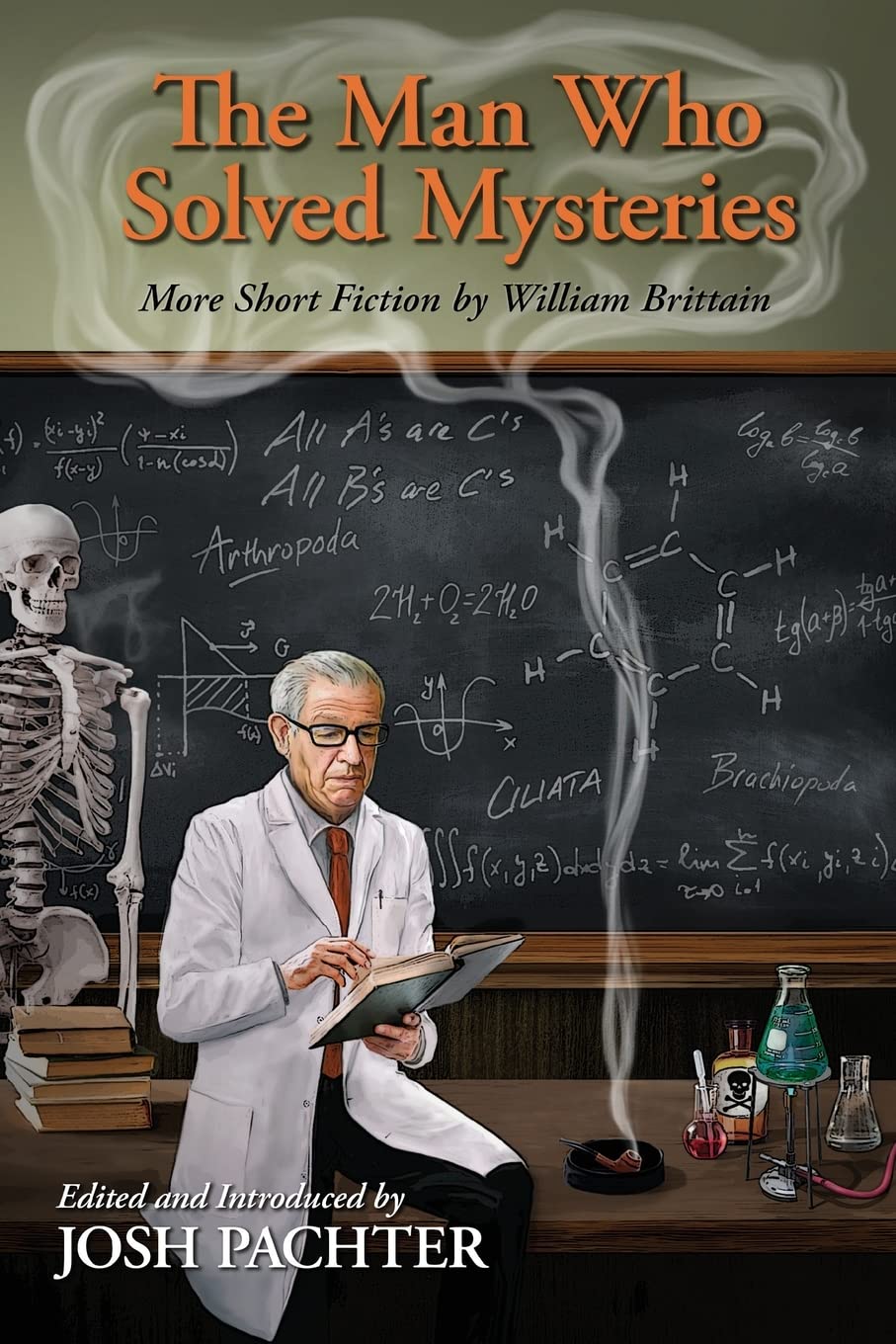
A second collection of the detective short stories of William Brittain from Crippen & Landru, The Man Who Solved Mysteries [ss] (2022) follows The Man Who Read Mysteries [ss] (2018), this time with all 24 stories featuring high school science teacher Leonard Strang.
Continue readingAmateur Detective
#1488: Top Storey Murder (1931) by Anthony Berkeley

![]()
![]()
![]()
![]()
![]()
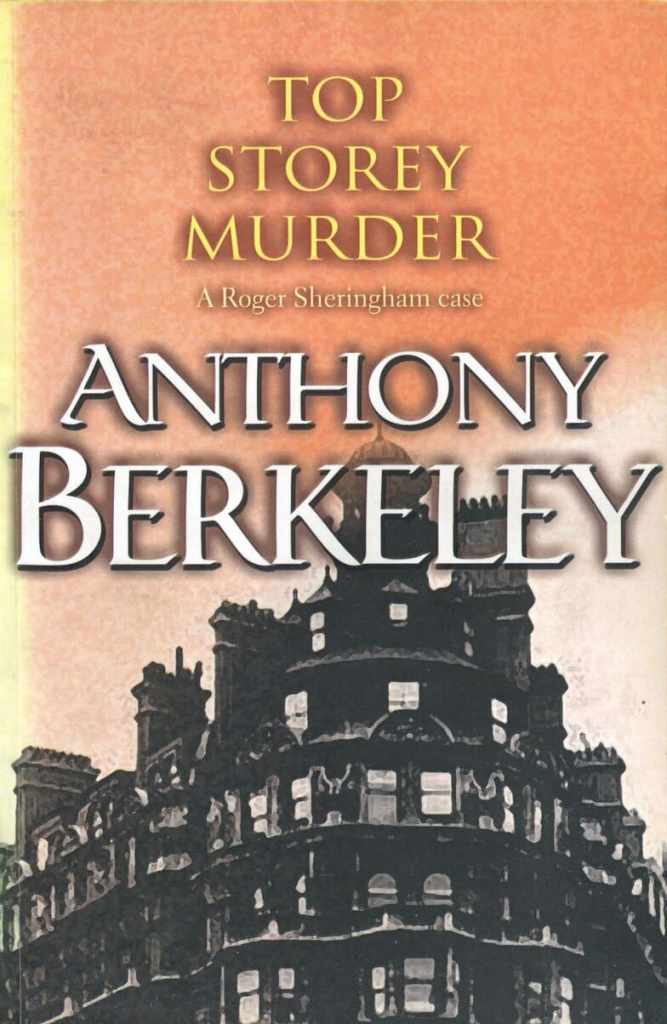
When Adelaide Barnett is found strangled to death in her fourth-floor flat in Monmouth Mansions, Platt Street — that’s a clue to the sort of time you’re in for here — author and amateur sleuth Roger Sheringham, trying to take Inspector Moresby out to lunch, is invited along to the scene of the crime. “I don’t think you’d find it much to interest you,” he’s told. “Just an ordinary case of burglary and murder. No fancy fandangos like you get in storybooks”. And yet for all the sensible detection and astute policing on display — for pure Humdrummery it’s an absolute delight — Sheringham becomes convinced that more is going on than meets the eye.
#1416: How Weary, Stale, Flat and Unprofitable – Crime Fiction Clichés from The Mystery Writer’s Handbook (1956) ed. Herbert Brean
Being something of a fan of the mystery writer Herbert Brean, I am ever on the lookout for work by him, especially the short stories ‘Murder Buys a Ticket’, a.k.a. ‘Nine Hours Late on the Opening Run’ (1941) and ‘The Man Who Talked with Spirits’ (1943) listed in Adey. In these searches, I recently discovered that Brean acted as editor for The Mystery Writer’s Handbook (1956), in which members of the Mystery Writers of America (MWA) provided advice for people looking to write “detective, suspense, mystery, and crime stories”.
Continue reading#1415: The Layton Court Mystery (1925) by Anthony Berkeley [a.p.a. by “?”]
![]()
![]()
![]()
![]()
![]()
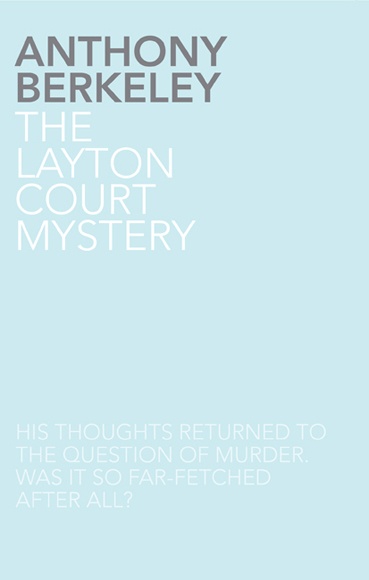
Well, I am thoroughly enjoying revisiting the work of Anthony Berkeley, with Not to be Taken (1938) proving decidedly more fun at second assessment, and now his debut The Layton Court Mystery (1925) upgrading itself from ‘amusing but seriously flawed’ to ‘Holy hell, this is superb!’ after a reread. Indeed, I enjoyed this so much that I’m deliberately reviewing it on a Thursday so that I don’t go over my self-imposed 1,000 word limit, because I feel like I could talk about this book for weeks, and frankly no-one needs that. So, a gathering at a country pile, complete with one host found shot in the locked library…hit me with the classics.
#1406: Black Aura (1974) by John Sladek
![]()
![]()
![]()
![]()
![]()
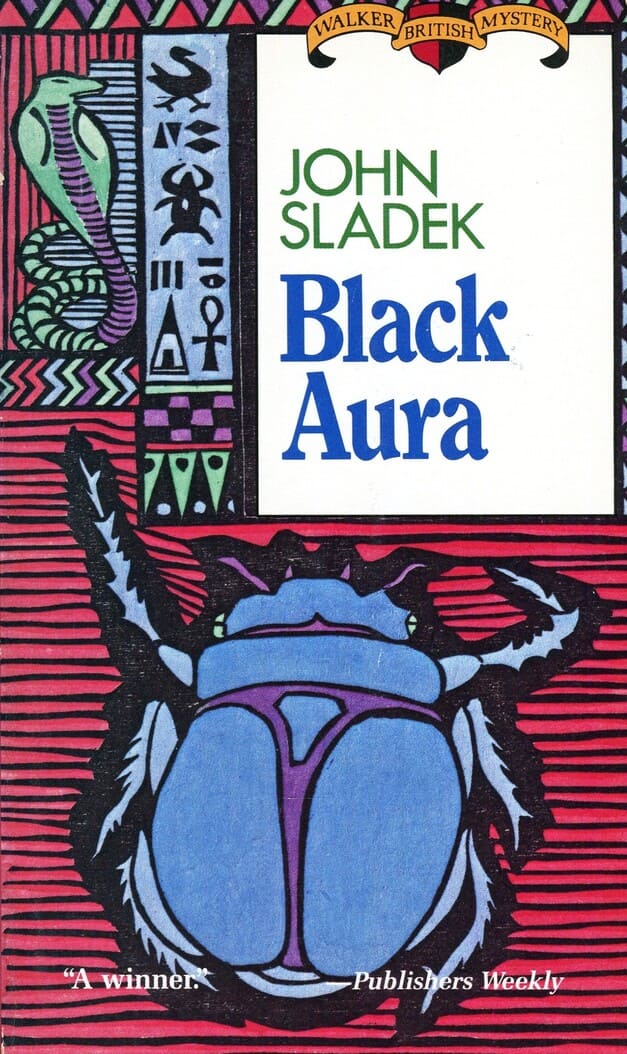
I hold John Sladek’s second and final detective novel Invisible Green (1977) in very high regard indeed, but have not read his first, the slightly less successful Black Aura (1974), for well over a decade. It’s pretty incredible that something which gave so much air to three baffling impossibilities was written as late as 1974 at all, and so revisiting it and finding a book which doesn’t quite fulfil the expectations of any idiom — it’s too puzzle-focussed for the gritty style that was popular at the time, but too nebulously handled to satisfy true puzzle heads — isn’t really a surprise. There’s still some enjoyable stuff in here, but this is very much the apprentice work for the masterpiece Sladek would produce three years later.
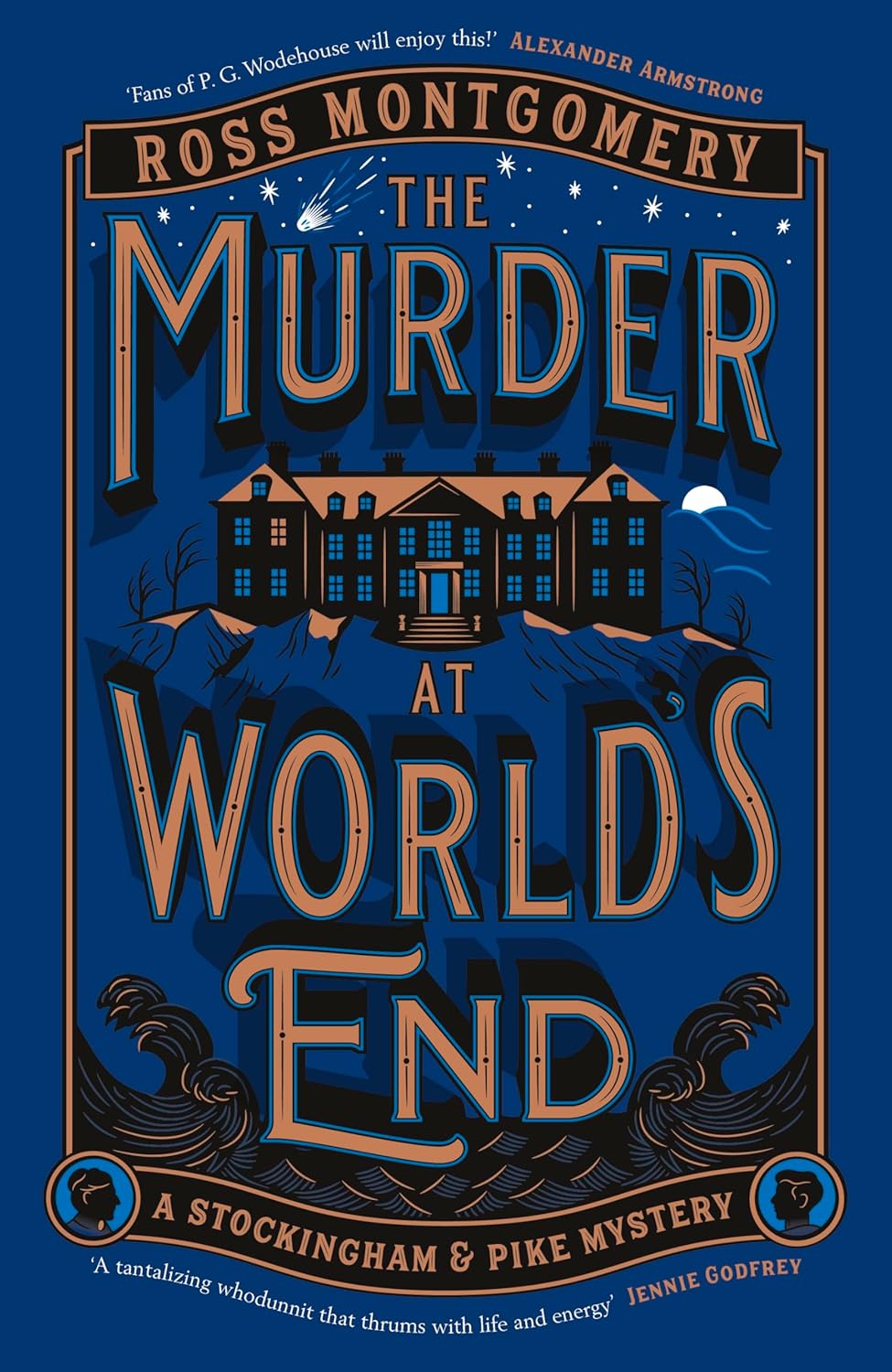
#1395: A Little Help for My Friends – Finding a Modern Locked Room Mystery for TomCat Attempt #30: The Murder at World’s End (2025) by Ross Montgomery
Okay, no, The Murder at World’s End (2025) by Ross Montgomery doesn’t really qualify for this ongoing feature of my blog, in which I pick books purely because they’re modern impossible crime novels. This, I was going to read anyway, and I only knew it happened to feature an impossible crime because Puzzle Doctor told me. But, well, here we are.
Continue reading#1351: And in That Way of Caution I Must Tell You – On Hiding Clues in Plain Sight
I recently lamented that I don’t really do much in the way of think-pieces on The Invisible Event any more, and some of you in the comments were like ‘Yeah, so do them again, then, idiot’. So here goes.
Continue reading#1333: “Why shouldn’t I know? I know how people act, don’t I?” – My Mother, the Detective [ss] (2016) by James Yaffe
I first encountered James Yaffe via his story ‘The Problem of the Emperor’s Mushrooms’ (1945), but have heard much about his ‘Mom’ stories, in which a police officer’s mother “is usually able to solve over the dinner table crimes that keep the police running around in circles for weeks”. So I was delighted to acquire the complete collection of those tales.
Continue reading