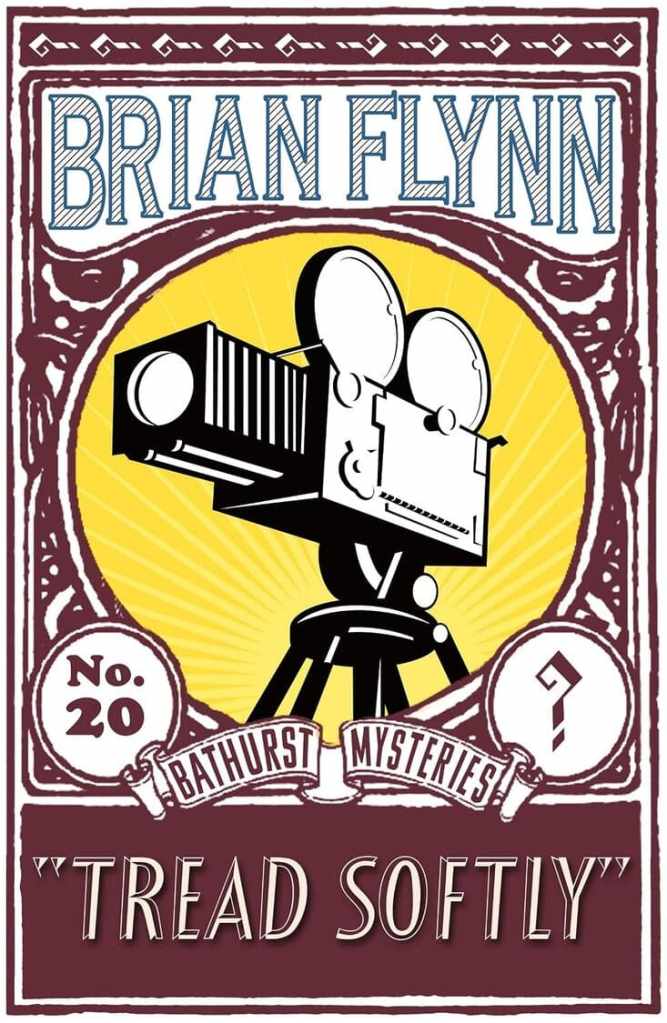
#1503: Tread Softly (1937) by Brian Flynn


If you follow the Golden Age blogosphere with any moderate interest, you’ll be aware of the love Puzzle Doctor has for Brian Flynn and the efforts he has gone to, via the wonderfully accommodating people at Dean Street Press, to get as much of Flynn’s work as possible republished. I’ve been slow in my adoption of Flynn it must be said — I couldn’t get on with The Mystery of the Peacock’s Eye (1928), Murder en Route (1930), and one other title which escapes me now — but I’m back to give him another go in the form of the well-regarded twentieth novel to feature his amateur sleuth Anthony Bathurst, Tread Softly (1937). It…did not go well.

Continue reading

#1366: “If six people were to die…!” – Kind Hearts and Coronets, a.k.a. Israel Rank: The Autobiography of a Criminal (1907) by Roy Horniman

I was probably 12 or 13 years old when I discovered the seam of (sometimes blackly-) comic movies that came out of London’s Ealing Studios, with Kind Hearts and Coronets (1949) and The Ladykillers (1955) being among the most notable as far as Young Jim was concerned. I can’t remember when I found out that Kind Hearts was based on a novel, Israel Rank: The Autobiography of a Criminal (1907) by Roy Horniman, but it’s to that book we turn our attentions today.

Continue reading

#864: The Invisible Host, a.k.a. The Ninth Guest (1930) by Gwen Bristow and Bruce Manning

Invisible Host

star filledstar filledstar filledstar filledstars
An unknown host invites a disparate group of people to an isolated location, and then informs them of the plan to kill them one by one; accusation and counter-accusation is high on the agenda, but the deaths come regularly no matter what our invitees do. That The Invisible Host (1930) by husband-and-wife team Gwen Bristow and Bruce Manning shares some core DNA with And Then There Were None (1939) by Agatha Christie isn’t in doubt. What makes this fascinating reading, quite apart from its brisk pace and very entertaining setup, is seeing how different minds develop the same base ingredients.

Continue reading

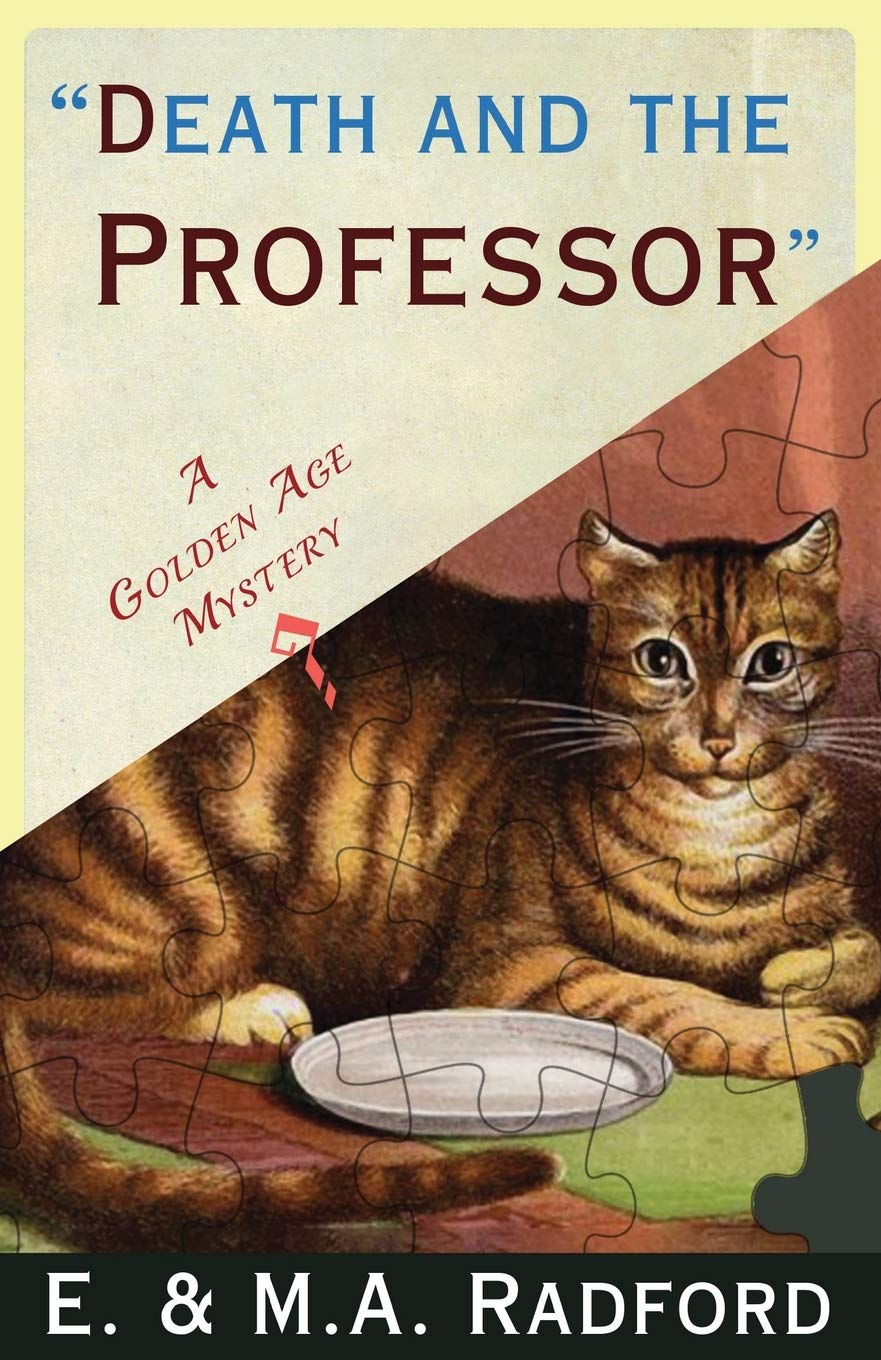
#763: Little Fictions – Death and the Professor [ss] (1961) by E. & M.A. Radford

A surgeon, a policeman, a psychiatrist, a mathematician, and a pathologist walk into a club — the foundation not of some esoteric wit but instead the Dilettante’s Club, a dinner-and-discussion group who meet fortnightly for their own entertainment. And when Professor Marcus Stubbs joins their number, those discussions take a frequent turn into the realm of the impossible crime.

Continue reading

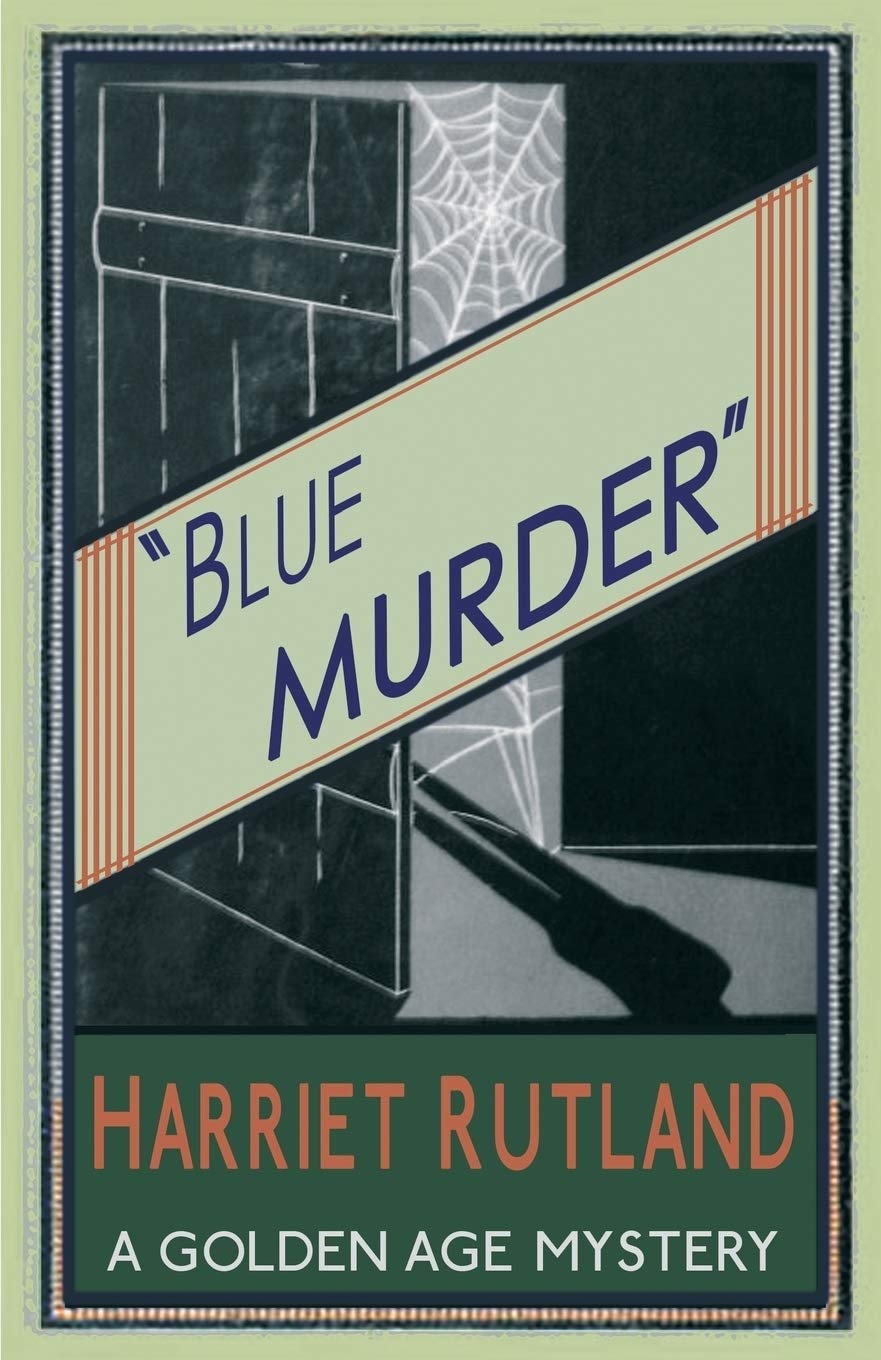
#718: Blue Murder (1942) by Harriet Rutland

Blue Murder

star filledstar filledstar filledstar filledstars
I read the first half of Blue Murder (1942), the third and final novel by Harriet Rutland, in a single gasp.  It’s a fascinating opening, deliberately short on setting and description so as to emphasise the characters you’re going to be spending the book with, and it drew me like a moth to a flame, eager for the destruction to come. From the outset, when headteacher Mr. Hardstaffe learns that his affairs are being gossiped about by the village schoolchildren and calls them “little bastards!” for showing such disrespect, we’re clearly not in the genteel arm of GAD, and it’s only a matter of how savagely Rutland develops from here. And, as things progress, we seem to ring more than a few changes.

Continue reading

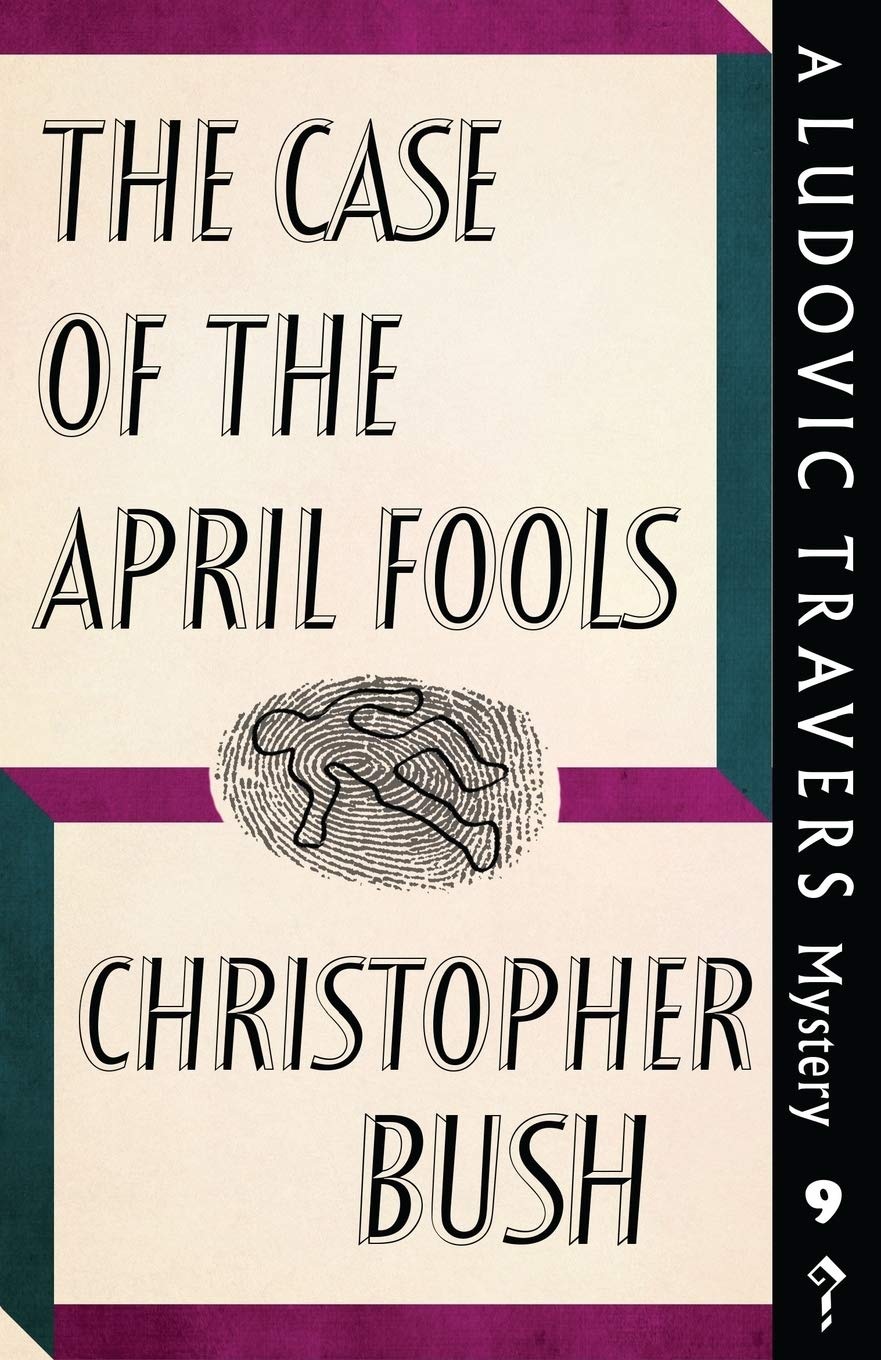
#706: The Case of the April Fools (1933) by Christopher Bush

Case of the April Foolsstar filledstar filledstarsstarsstars
Three years.  That’s how long ago TomCat’s review of The Case of the April Fools (1933) typified Christopher Bush’s writing as falling “halfway between Freeman Wills Crofts and John Dickson Carr”.  So I read the oft-celebrated Cut-Throat (1932) and didn’t really get on with it and then, to be honest, other books intruded and I simply never got back to Bush.  I wasn’t avoiding him, per se, and Dean Street Press had gamely recommended Bush’s twentieth novel The Case of the Green Felt Hat (1939) as possibly more to my liking…but, in these reprint-rich times, it can be difficult to keep up, y’know?

Continue reading

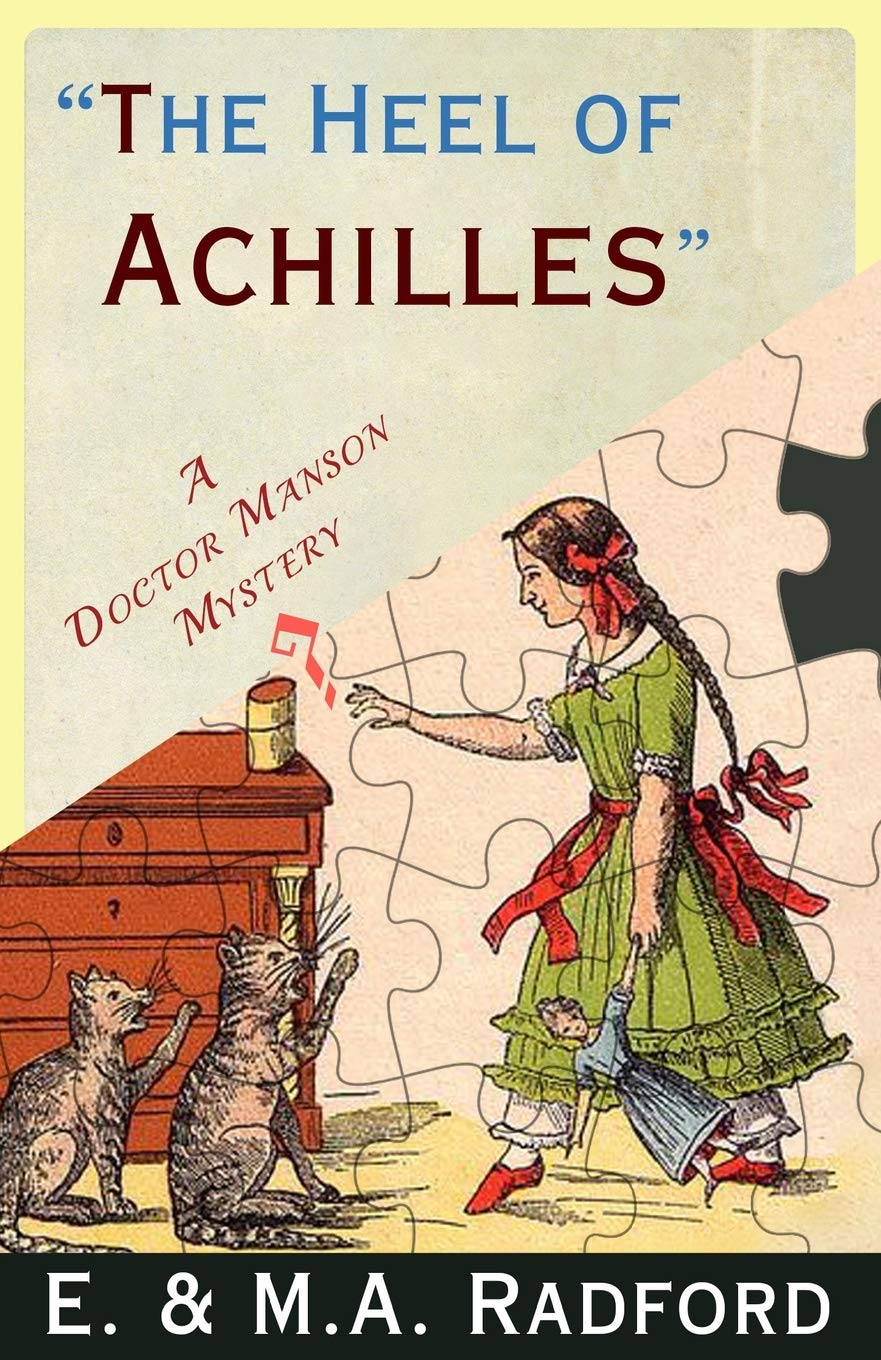
#676: The Heel of Achilles (1950) by E. & M.A. Radford

Heel of Achilles, Thestar filledstar filledstar filledstar filledstars
When a man wrongly implicated in criminous deeds finds himself at the mercy of a blackmailer, is pushed to the limit by the blackmailer’s avarice, kills said blackmailer and goes to great lengths to cover up the crime only to find himself pursued by a highly-observant criminologist…you’re not the only one getting Mr. Pottermack’s Oversight (1930) vibes.  And, Pottermack being one of my most delighted discoveries of the last couple of years, you’d expect The Heel of Achilles (1950) by E. & M.A. Radford to suffer by comparison, but it is in fact simply proof of how much richness the Golden Age was able to find in the same material.

Continue reading

#385: Cut Throat (1932) by Christopher Bush

Cut Throatstar filledstar filledstarsstarsstars
Flour, eggs, sugar, butter.  Mix them, put them in the oven, you get a cake.  But there are cakes and there are cakes.  Equally, books.  Give me a baffling murder, the precise focus of which shifts again and again like the first two sections of John Dickson Carr’s The Arabian Nights Murder (1936), and stir in a Croftian alibi trick and I should be in heaven.  Alas, this is one of the bad cakes — the sort of well-intentioned thing your seven year-old nephew bakes and you take two bites from out of politeness and then put down and hope no-one brings back to your attention.  Christopher Bush has taken promising ingredients and cooked us a turgid mess.

Continue reading