#1103: Death of an Author (1935) by E.C.R. Lorac

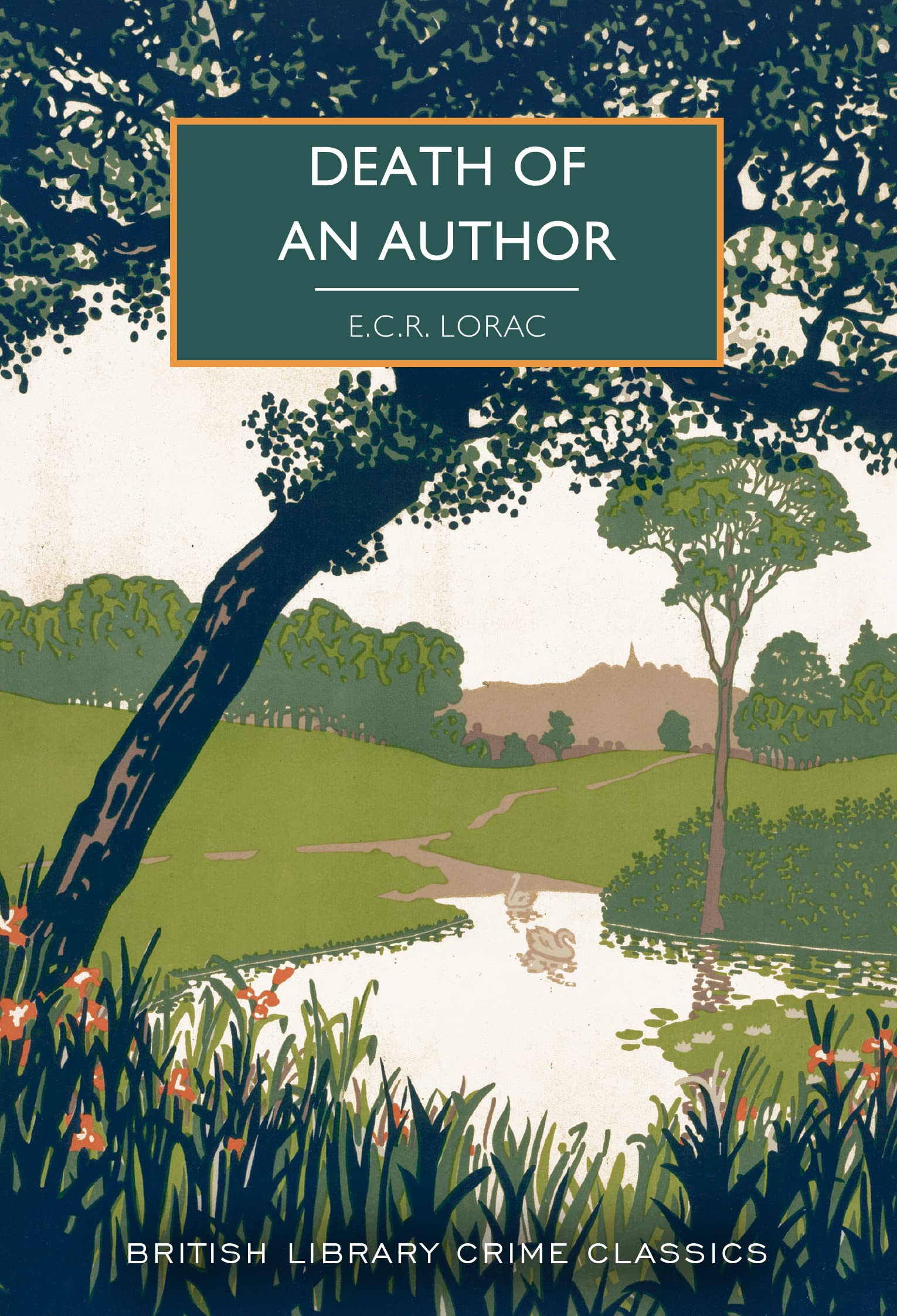
Death of an Author

star filledstar filledstar filledstar filledstars
I’ll let you in on a secret: much as I struggle to read two books by the same author close together, there are certain writers whose diversity of approach enables me to sidestep this consideration. One such personage is Erle Stanley Gardner, and I’m starting to suspect that E.C.R. Lorac might be another. Lorac’s country-set novels featuring Inspector Robert Macdonald are very different beasts to his London-based cases, and Death of an Author (1935) — not featuring Macdonald at all — is different again: a zesty, propulsive, and supremely clever little puzzler dug out from seemingly inescapable obscurity by the British Library for our not inconsiderable enjoyment.

Continue reading

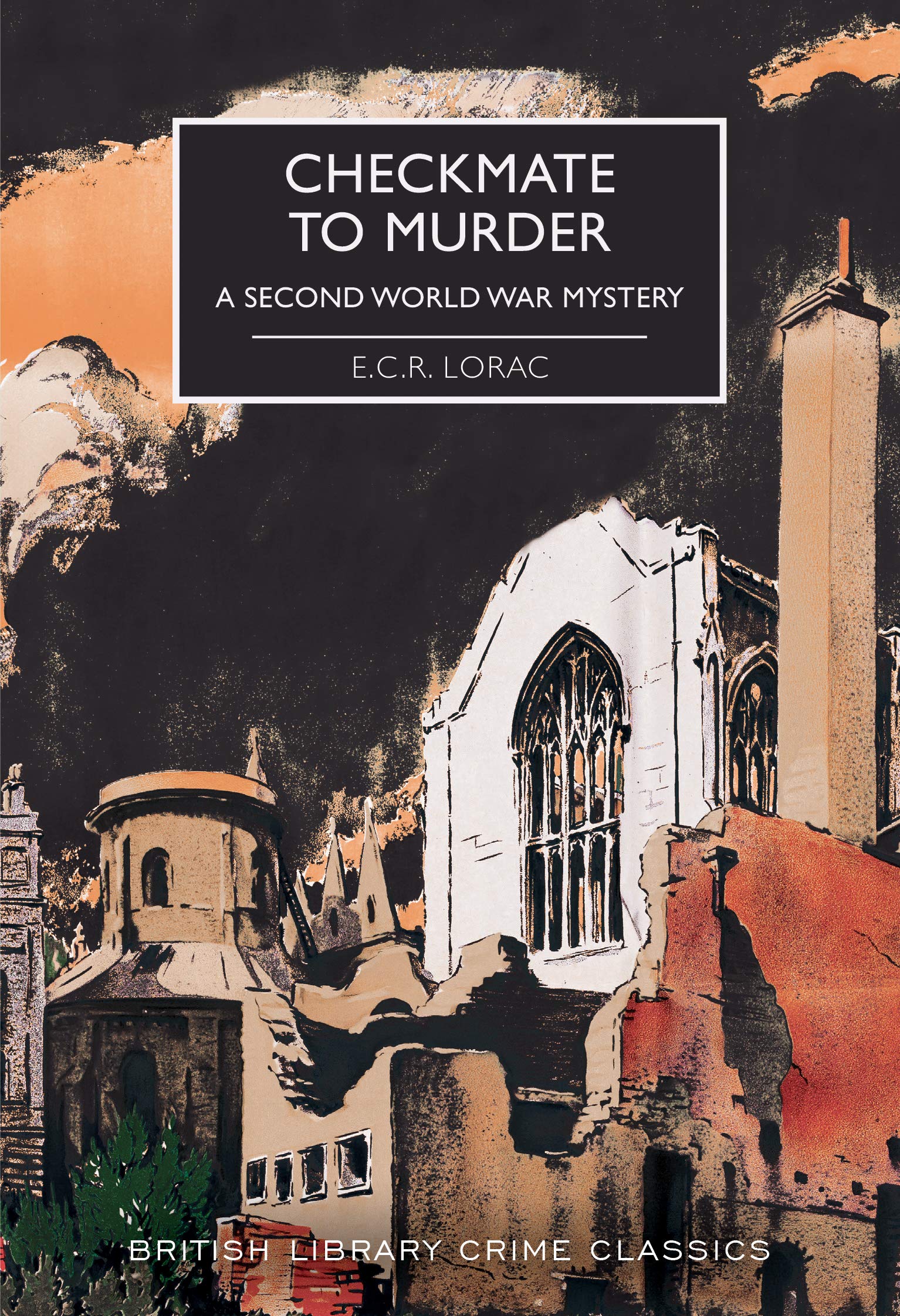
#1076: Checkmate to Murder (1944) by E.C.R. Lorac

Checkmate to Murder

star filledstar filledstar filledstarsstars
In the latter stages of World War 2, artist Bruce Manaton is painting the portrait of a friend dressed in the robes of a cardinal, and his sister Rosanne fretting about the efficacy of the blackout curtains on the studio where they live, when there is a knock at the door. It seems that a special constable has discovered the body of murdered Old Mr. Folliner, the Manatons’ miserly landlord, and apprehended the killer as he was fleeing. Leaving the suspect in the care of the five people in the studio — two chess-playing friends have also dropped by for the evening — the constable summons the police, and before long Chief Inspector Robert Macdonald finds himself with another complex tangle to unfurl.

Continue reading

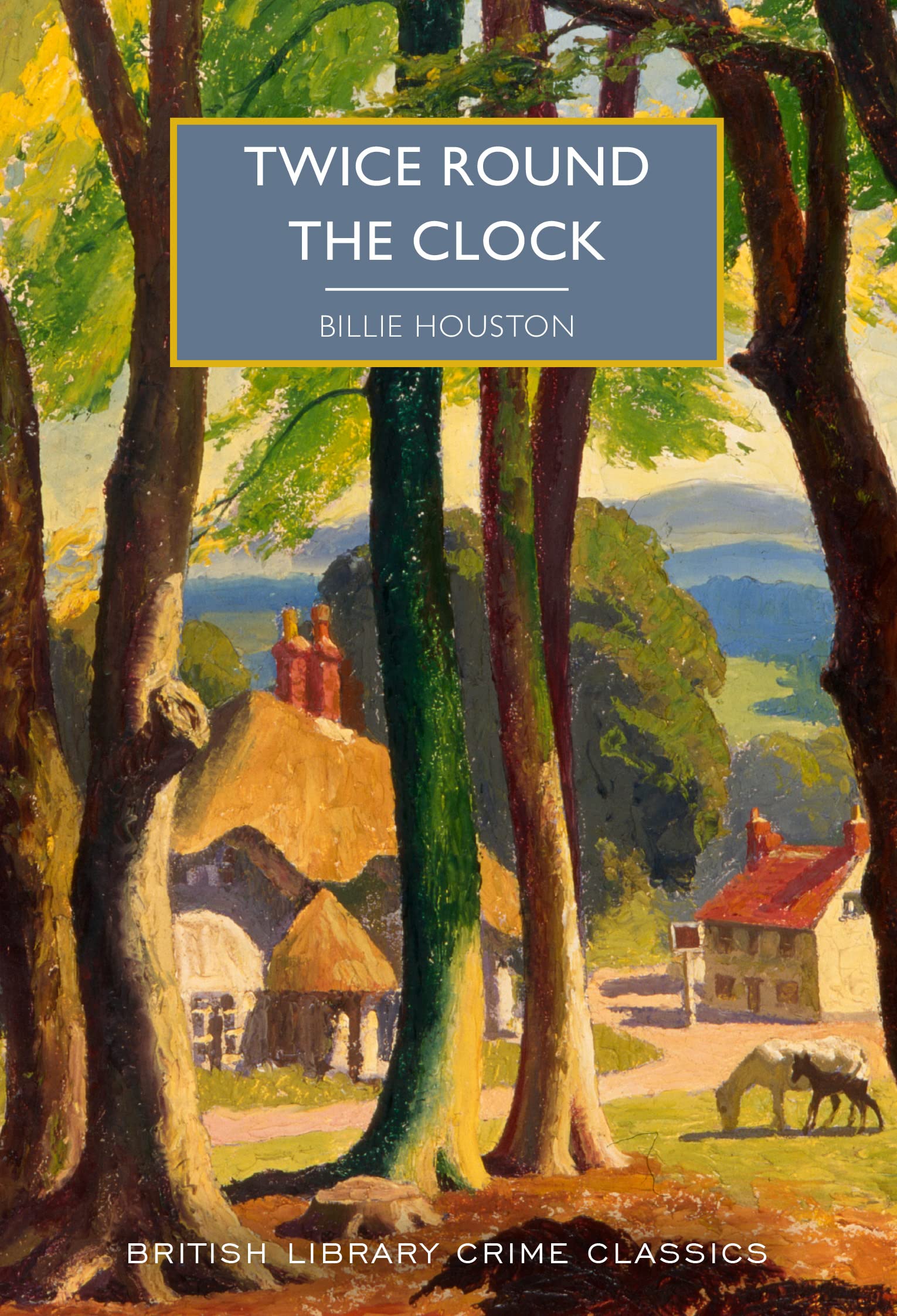
#1070: Twice Round the Clock (1935) by Billie Houston

Twice Round the Clock

star filledstar filledstar filledstar filledstars
The core framing of Billie Houston’s sole crime novel Twice Round the Clock (1935) — a murdered man discovered in the opening scene, before we jump back in time twelve hours and see events that lead up to the murder, then the twelve hours that follow the discovery — is hardly new, but the book is written with a fresh eye, and such clear lines in its character and narrative that it’s difficult not to enjoy. Don’t come for the detection or clues, which are scanty, but those of you who enjoyed Death of Anton (1936) by Alan Melville, another British Library Crime Classic, will find this equally to your liking for its clear setting, distinct characters, and occasionally unusual ideas.

Continue reading

#1052: The Mysterious Mr. Badman (1934) by W.F. Harvey

Mysterious Mr Badman

star filledstar filledstar filledstar filledstars
The expertly-curated British Library Crime Classics series continues to diversify with crowd-pleasing reissues of Anthony Berkeley, Christianna Brand, and John Dickson Carr, never-heard-of-em delights like Family Matters (1933) by Anthony Rolls and Death of Anton (1936) by Alan Melville, and stirring in a Freeman Wills Crofts or a few E.C.R. Loracs along the way.  And The Mysterious Mr. Badman (1934) by W.F. Harvey definitely falls into the middle category, because ask 100 people if they’d heard of it before this reissue and maybe three would say they had, two of whom would be lying to look cool. But a delight it is, and welcome it most certainly is.

Continue reading

#1018: “If it’s a new wrinkle in the art of homicide, I want to know all about it.” – The White Priory Murders (1934) by Carter Dickson

It speaks volumes about the excitement that the work of John Dickson Carr provokes in me that, with still around 20 of his novels unread, I’m revisiting some favourite titles from his output. Of course, it doesn’t hurt that the likes of the American Mystery Classics and the British Library Crime Classics ranges are putting out such lovely new editions — and who wouldn’t want to revisit Carr in his prime?

Continue reading

#1013: Fell Murder (1944) by E.C.R. Lorac

Fell Murder

star filledstar filledstar filledstarsstars
Another gentle tale of Northern homicide from the pen of E.C.R. Lorac, Fell Murder (1944) was Chief Inspector Robert Macdonald’s first visit to Lunesdale — I’m not entirely sure how many he would make over his career, but I understand it to be more than a few — and finds author and character both having a lovely time. This only falls down for me in comparison to the similarly-set Crook o’ Lune (1953) in that the eventual solution doesn’t feel quite so rigorously proved, relying on a few rather key assumptions which spoil the overall effect. Prior to that, however, Lorac’s melding of character and setting again shows through very strongly, making her popularity easy to understand.

Continue reading

#1006: Green for Danger (1944) by Christianna Brand

Green for Danger

star filledstar filledstar filledstar filledstars
I first read Green for Danger (1944) by Christianna Brand about 12 years ago on the back of enthusiastic Agatha Christie comparisons, and came away impressed with its wartime hospital setting but underwhelmed by what I remembered as the seemingly random allocation of guilt to an undeniably surprising party in the finale. Since then, I’ve been assured by reputable sources that the book is in fact rigorously — and very fairly — clewed and warrants re-examination, so its republication in the British Library Crime Classics range is the perfect chance to find out if it does indeed stand on its own or if everyone’s enthusiastic just because they also love the 1946 movie (because, my god, don’t people ever love that movie).

Continue reading

#997: “Actors never betray themselves…” – Final Acts: Theatrical Mysteries [ss] (2022) ed. Martin Edwards

I tend to read multi-author anthologies over — if I’m honest — a couple of months, to better ameliorate the often wild changes in style and content of each tale. In recent times I’ve sped this process up, so that I’m able to review the annual Bodies from the Library (2018-present) collections on this very blog, so let’s see how I fare doing the same for the latest Martin Edwards-edited collection in the British Library Crime Classics range, eh?

Continue reading