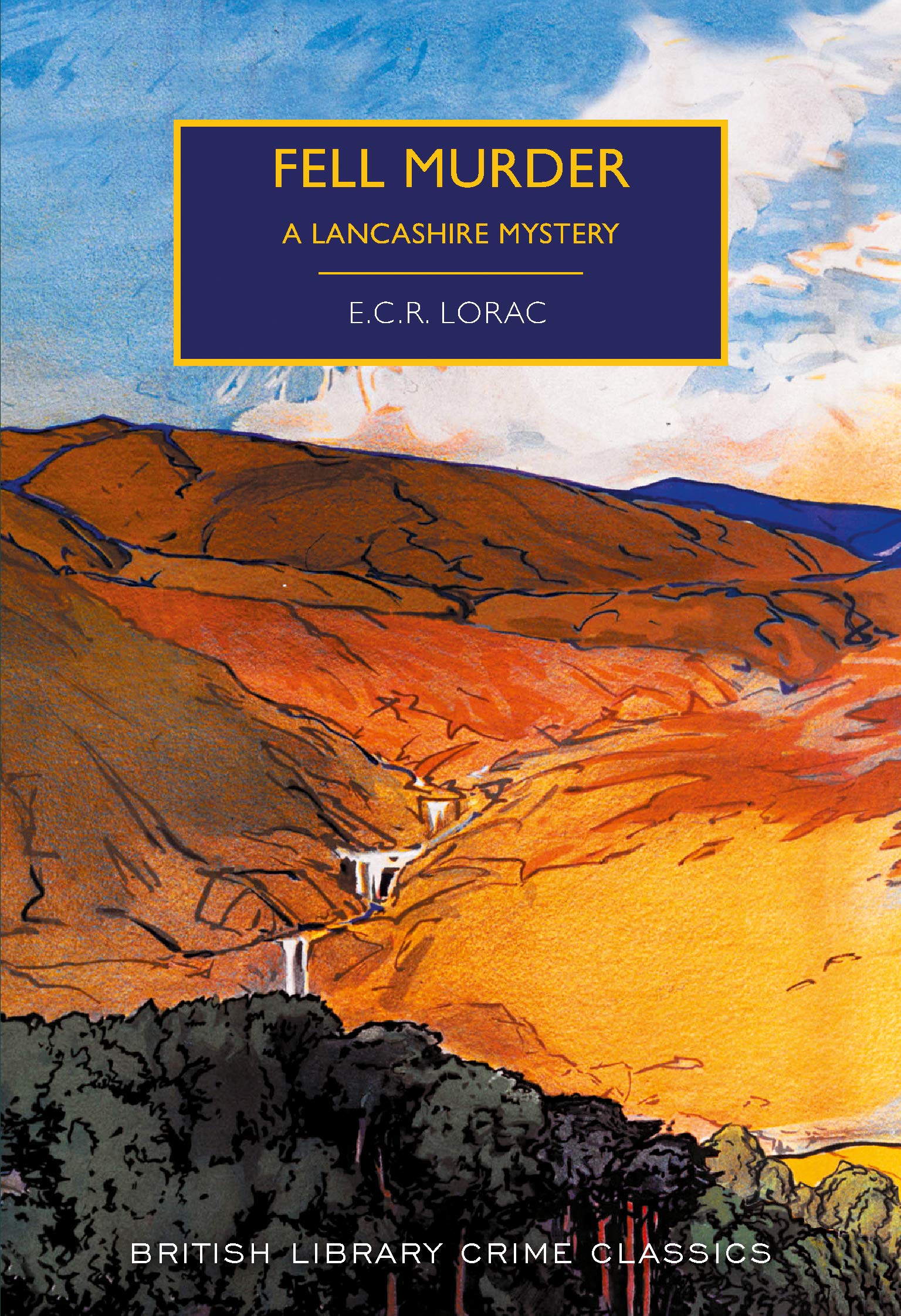
#993: Crook o’ Lune, a.k.a. Shepherd’s Crook (1953) by E.C.R. Lorac

Crook O'Lune

star filledstar filledstar filledstar filledstars
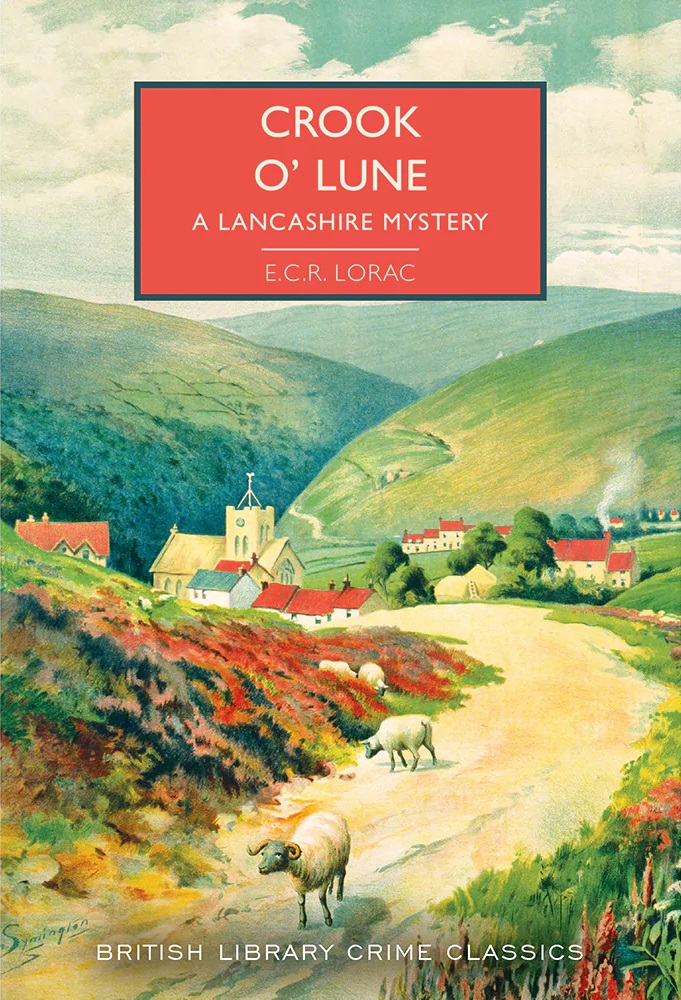
I’ve enjoyed mixed fortunes with the work of E.C.R. Lorac, from the high of The Devil and the C.I.D. (1938) to the low of Murder by Matchlight (1945), and a return to her work has always been on the cards. And so, with the British Library kind enough to send me a review copy of Crook o’ Lune (1953), the eleventh title by Lorac to be reprinted in their august Crime Classics series, we return. There can be no denying that Lorac has been a huge success for the BL, undoubtedly allowing the taking of a risk on some more obscure titles elsewhere, so I knew that there were plenty of others in print for me to read if I enjoyed this one.

Continue reading

#975: Death on the Down Beat (1941) by Sebastian Farr

Death on the Downbeat

star filledstar filledstar filledstar filledstars
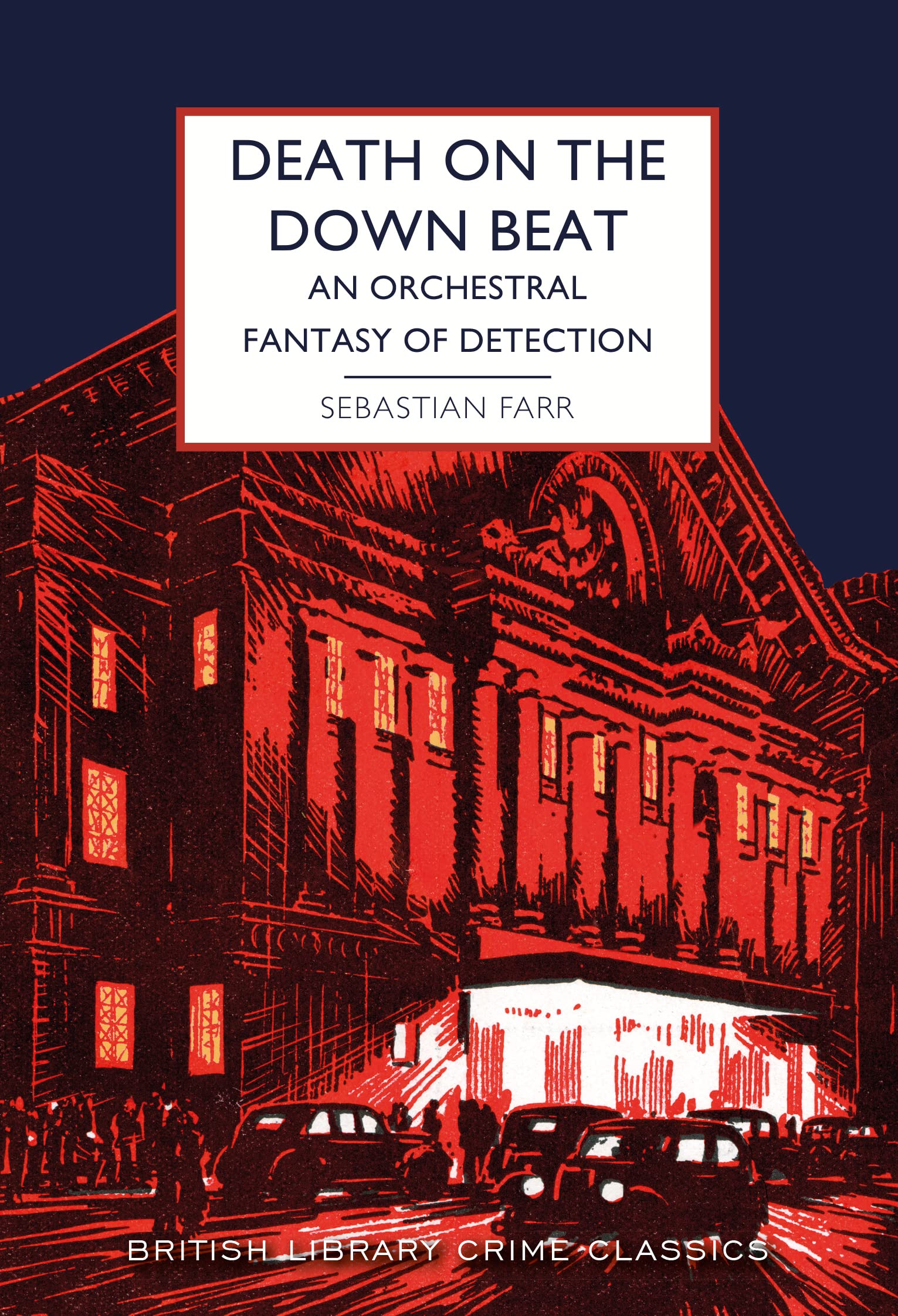
Both versions of Alfred Hitchcock’s The Man Who Knew Too Much (1934/1956) contain excellent scenes in which a killer takes aim at their target in the Royal Albert Hall while the music builds ominously. Sebastian Farr’s Death on the Down Beat (1941) utilises the same idea, but transfers it to an orchestral performance of Richard Strauss’ Ein Heldenleben in the fictional northern city of Maningpool and picks up after the killing, asking what would happen if the murder of an unpopular conductor in such circumstances was investigated a weary detective who just wants to get home to his wife and young children and finds himself frustrated at almost every turn by the intrusion by self-important local types.

Continue reading

#951: Murder in the Basement (1932) by Anthony Berkeley

Murder in the Basement

star filledstar filledstar filledstar filledstars
One of my very favourite detective fiction tropes is the Unidentified Corpse.  It’s at the heart of my favourite E.C.R. Lorac book, one of my favourite Freeman Wills Crofts books, and as a mainstay of the work of R. Austin Freeman is put to wonderful use both traditional and inverted. Murder in the Basement (1932) by Anthony Berkeley also invents the Whowasdunin?, giving us a cast of characters from which the corpse will be produced, and not divulging the identity of the victim until the halfway point. Thankfully, given Berkeley’s tendency to commit to a thought experiment regardless of whether the book that comes out of it is any good, he’s also written an entertaining and very witty novel along the way.

Continue reading

#946: Law and Order – Ranking the First Fifteen Inspector French Novels (1924-36) by Freeman Wills Crofts

With the sixteenth to twenty-fourth novels by Freeman Wills Crofts to feature his series detective Chief Inspector Joseph French due to be republished between now and January 2023 (well, #18, Antidote to Venom (1938), is already available from the British Library) it occurred to me that people might be looking for advice about the first fifteen — all, incredibly, in print.

Continue reading

#913: “You people have the most cheerful imaginations…” – It Walks by Night (1930) by John Dickson Carr

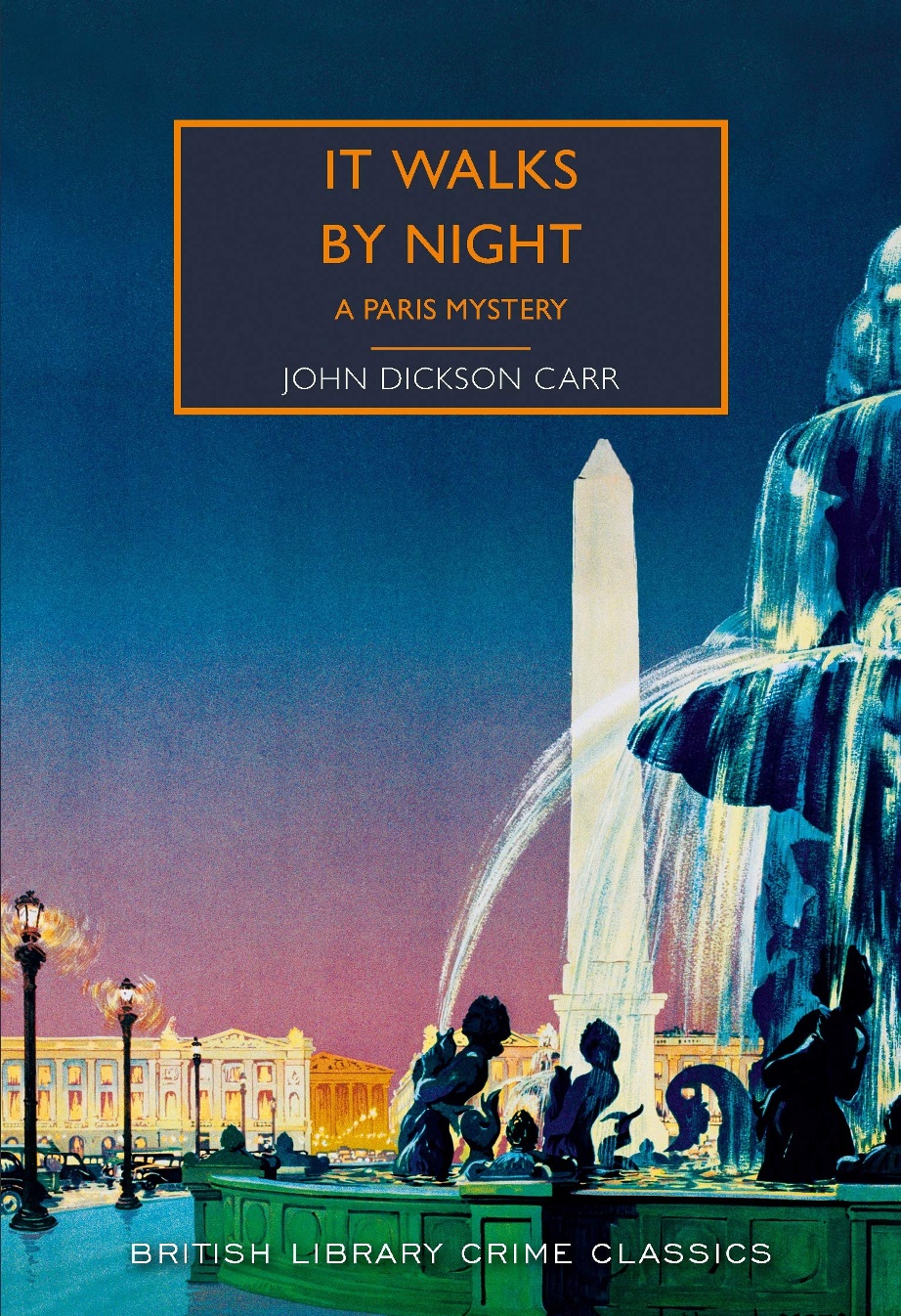
With the superb British Library Crime Classics range having recently published its one hundredth title, and with doubtless many more books still in its future, the time seems ripe to revisit one of its most exciting reprints, It Walks by Night (1930) the novel-length debut of John Dickson Carr and his first sleuth, Henri Bencolin.

Continue reading

#897: Jumping Jenny, a.k.a. Dead Mrs. Stratton (1933) by Anthony Berkeley

star filledstar filledstar filledstar filledstars
Soren Kierkegaard said that life is to be lived forwards but only understood backwards, and the same is true of my reading Anthony Berkeley Cox. I’m reasonably sure that I’ve read the majority of Cox’s novels, but only in revisiting them — with, admittedly, a firmer grounding in the detective genre’s Golden Age which he explored so rigorously in a staggeringly small number of books — do I appreciate what he was trying to do. Jumping Jenny, a.k.a. Dead Mrs. Stratton (1933), for example, is the inversion of every novel of detection written to that point and a vast majority of those written since, and only in seeing this did I finally understand just how damn good it is.

Continue reading

#752: Fear Stalks the Village (1932) by Ethel Lina White

Fear Stalks the Village

star filledstar filledstarsstarsstars
The subgenres by which we carve up any broad classification of fiction admit a degree of specialisation but raise problems in terms of enjoyment. For instance, Fear Stalks the Village (1932) as a Village Mystery must supply satisfaction on two fronts: it must have both a great village and a great mystery — and, while it has the former in spades, it lacks sorely to my tastes on the latter half of that expectation. And while The Voice of the Corpse (1948) by Max Murray shows that such a mixture can fall favourably upon my experience, White’s tale of poison pen letters seems to love its village a little too much to allow the mystery to ever really gain traction.

Continue reading

#730: The Lost Gallows (1931) by John Dickson Carr

Lost Gallows, The

star filledstar filledstar filledstar filledstars
It’s rather a coup of scheduling that the British Library opted to reissue this November-set second case for Henri Bencolin in November 2020, because there’s something distinctly eerie the fog-shrouded, darkening streets of the London of John Dickson Carr’s second novel The Lost Gallows (1931) that would, one feels, be lost if read in the blistering July sunshine (yes, thank-you, the Southern Hemisphere). Indeed, I enjoyed this one more at this second reading than I thought I would — in part because Carr’s melodrama doesn’t hit me so hard second time around, but I’m also going to cite “tis the season” as a definite factor.

Continue reading