
You thought this podcast was nerdy before? You ain’t seen nothin’ yet. Today we welcome the GADisphere’s own Scott K. Ratner, and things get taxonomical…
Continue readingYou thought this podcast was nerdy before? You ain’t seen nothin’ yet. Today we welcome the GADisphere’s own Scott K. Ratner, and things get taxonomical…
Continue reading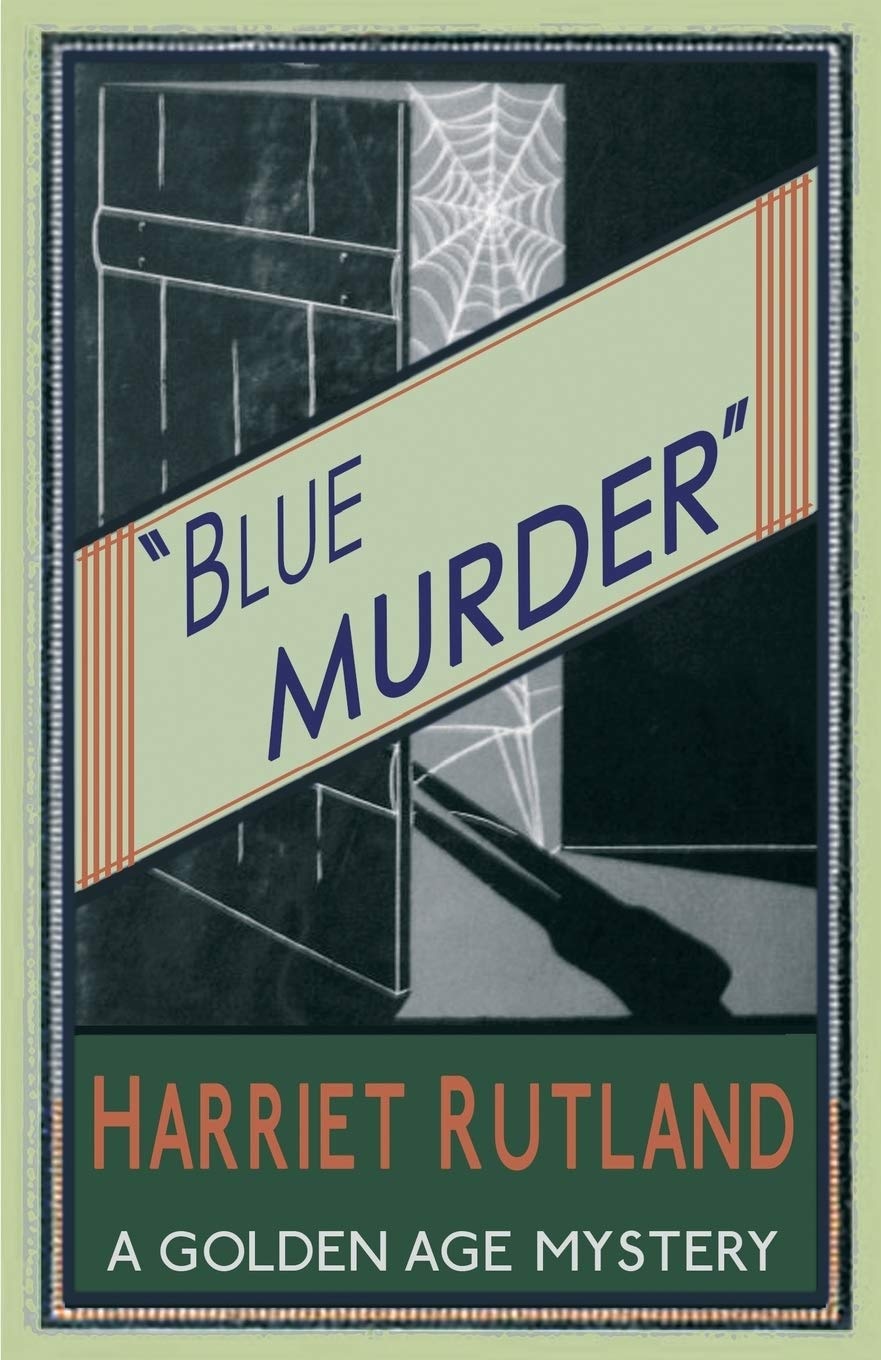


I read the first half of Blue Murder (1942), the third and final novel by Harriet Rutland, in a single gasp. It’s a fascinating opening, deliberately short on setting and description so as to emphasise the characters you’re going to be spending the book with, and it drew me like a moth to a flame, eager for the destruction to come. From the outset, when headteacher Mr. Hardstaffe learns that his affairs are being gossiped about by the village schoolchildren and calls them “little bastards!” for showing such disrespect, we’re clearly not in the genteel arm of GAD, and it’s only a matter of how savagely Rutland develops from here. And, as things progress, we seem to ring more than a few changes.
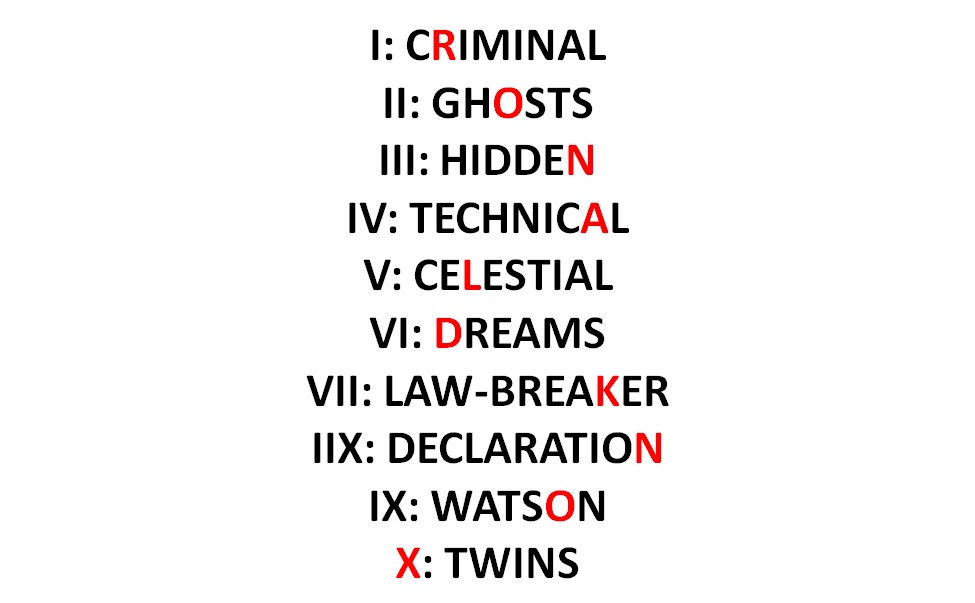
It was, by pure chance, this time last year that I started a series of posts examining Ronald Knox’s Ten Commandments for Detective Fiction rule-by-rule and, well, we’re back to continue what I started. Woo?
Continue reading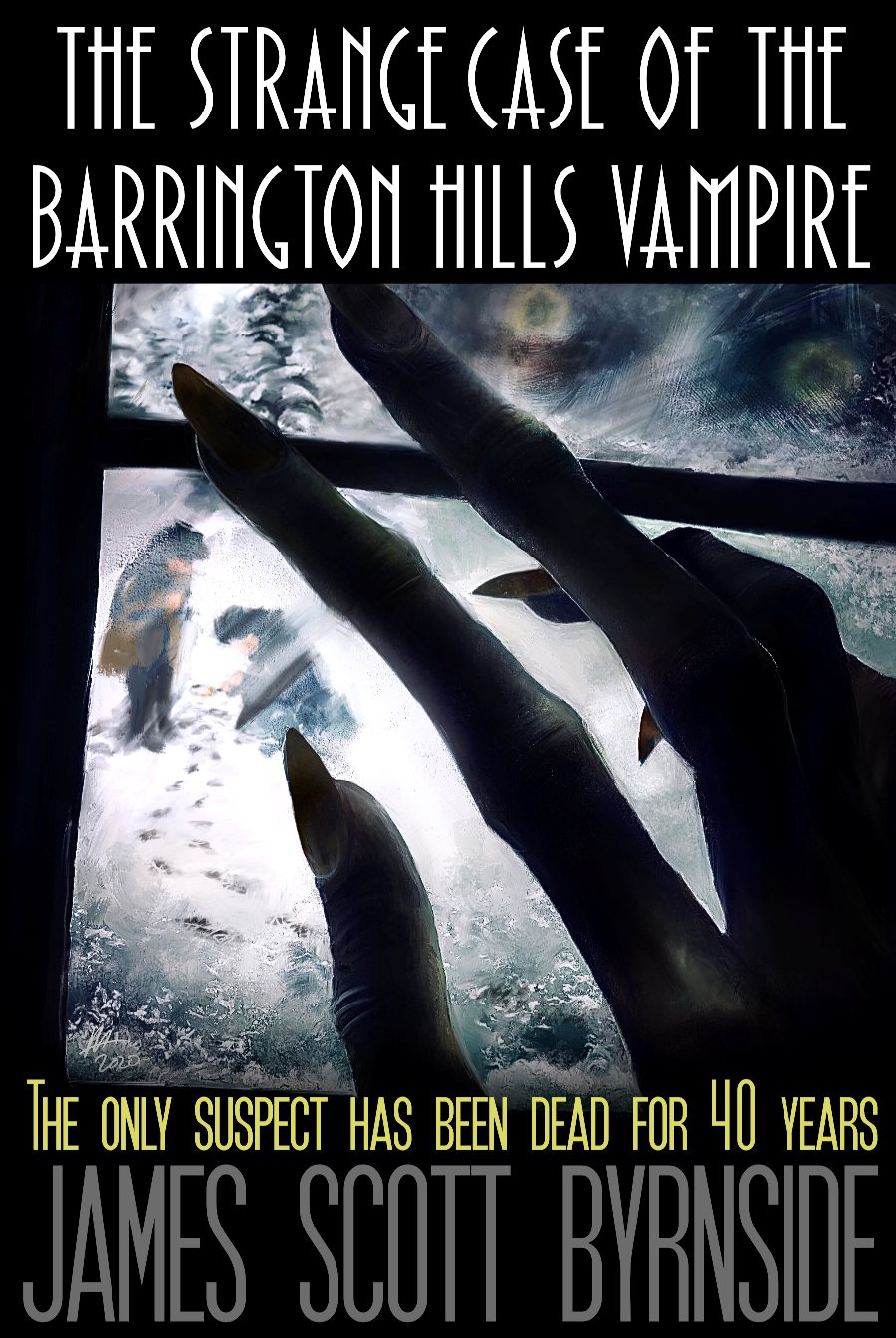
Nearly five years ago, in the innocent, heady days of December 2015, I read two self-published impossible crime novellas by Matt Ingwalson and was motivated into what has become my Adventures in Self-Publishing.
Continue reading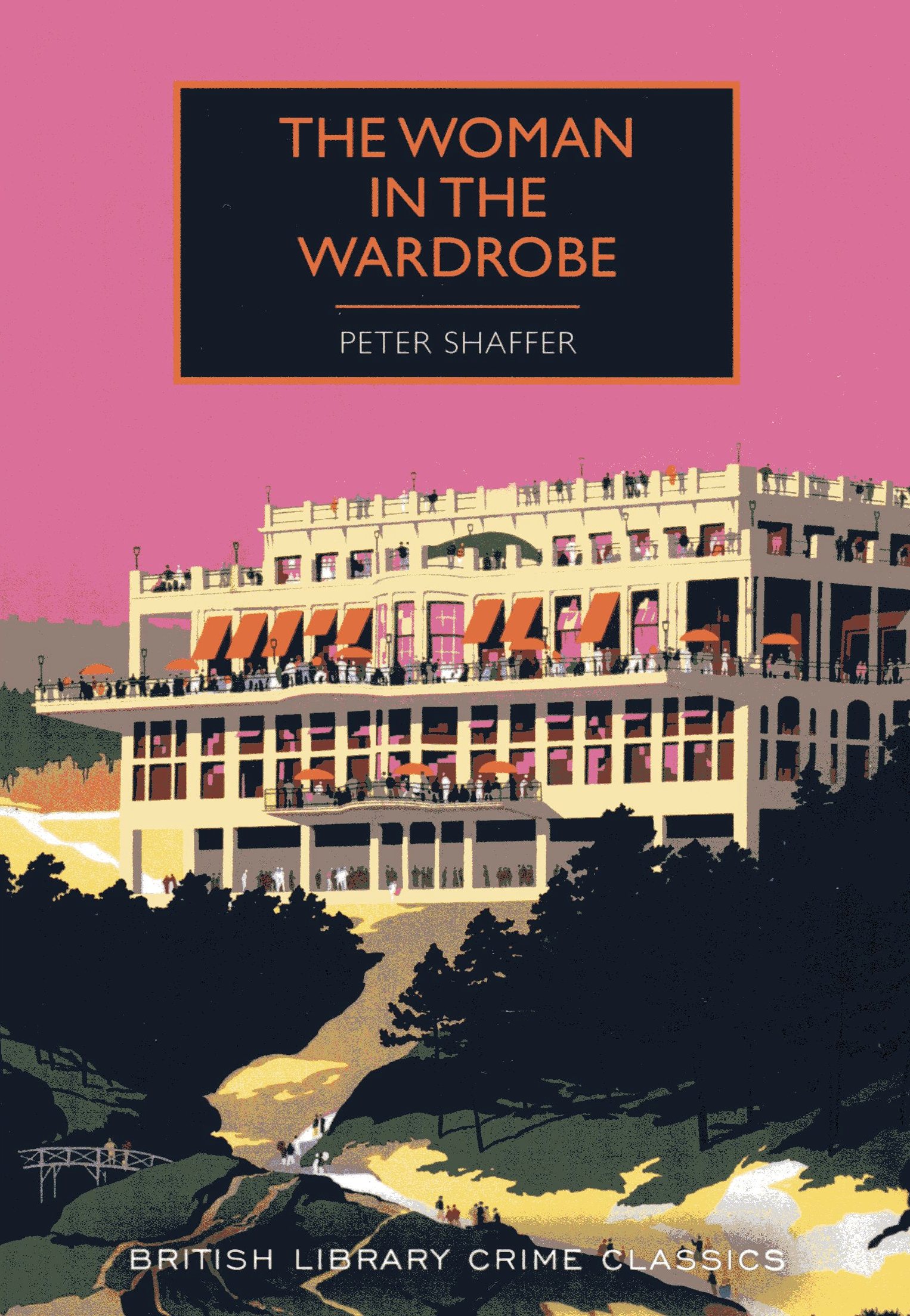
The one thing a book cannot guard against is the expectations that build up around it — and the rarer a book proves to be, the more apocryphal its contents, the higher those expectations tend to rise. The Woman in the Wardrobe (1951) by Peter Shaffer has been staggeringly unobtainable for decades now and, with no less an authority than Robert Adey promising “a brilliant new solution” for its locked room murder, had much to live up to. We can’t blame the book for the solution not being new — not even slightly, Bob — but we can blame it for the flaws that disappointingly crop up in several key regards.

Reading this Sherlock Holmes pastiche has perhaps inevitably made me reflect on my history with Sherlock Holmes pastiches.
Continue reading
No, Christmas isn’t for another two months, but it’s been a tough year and so here’s a gift to get you through the darkening days (yes, thank-you, the Southern Hemisphere…): Brad and Moira discussing The Murder at the Vicarage (1930) by Agatha Christie. And I’m there, too, of course. You can’t win ’em all.
Continue reading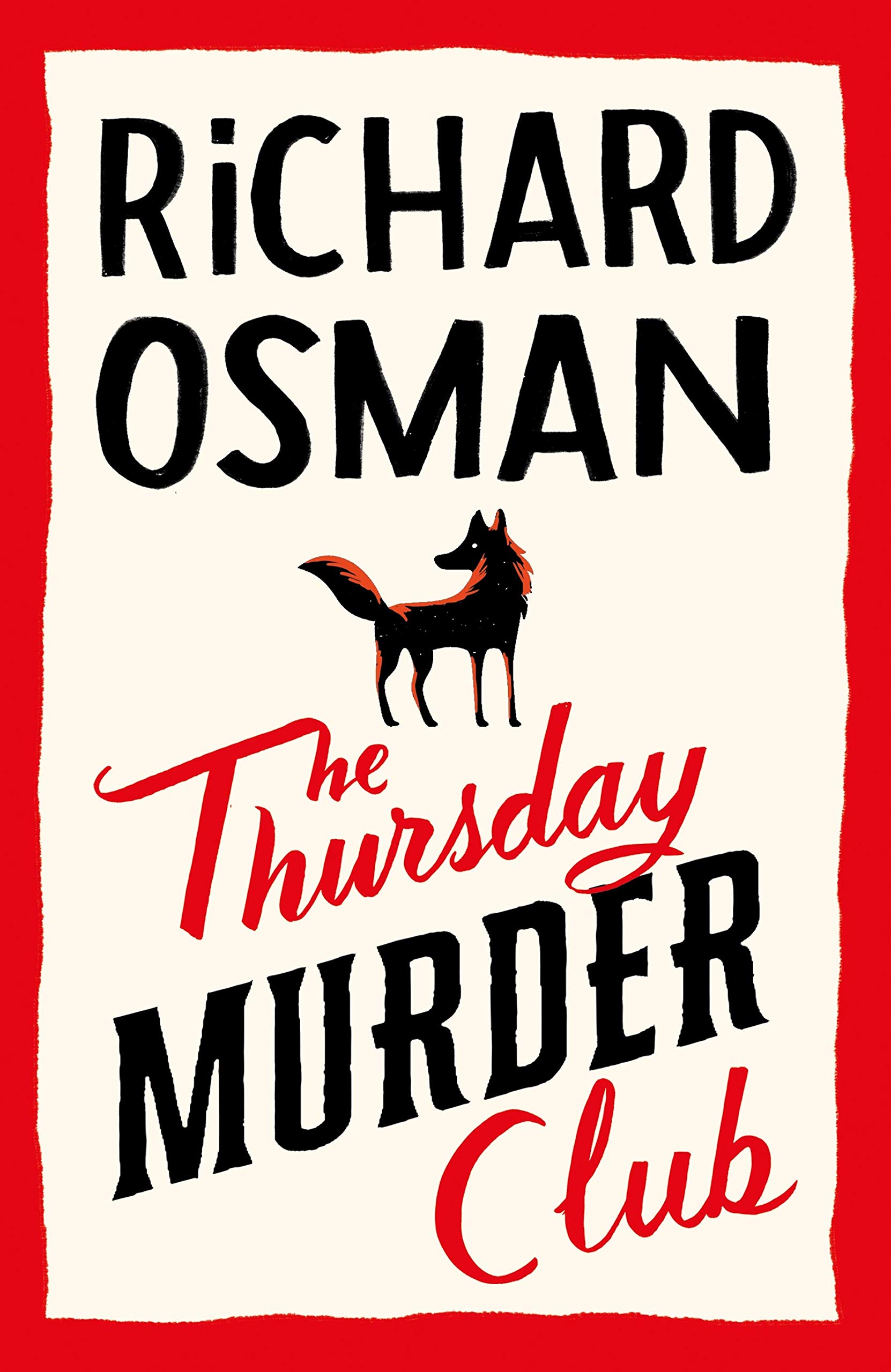
I really should not have enjoyed The Thursday Murder Club (2020) as much as I did. I’m an avowed devotee of the rigour of Freeman Wills Crofts and I have a nerdy podcast where we get far too serious about the minutiae of classic era detective fiction, for pity’s sake — a lightly comedic crime novel in which a group of septuagenarians inveigle their way into a murder investigation while worrying about the quality of supermarket own-brand biscuits should not raise from me even a curious eyebrow. And yet, honestly, I loved it. I don’t think I’ve been this charmed in years, and I haven’t laughed so much and so helplessly since reading Catch-22 (1961) when I was about 17.

Two weeks ago I looked at the first four plays in this collection, so let’s get on the with final five.
Continue reading

