
I picked my ten favourite crime and detective novels published in the 1930s a little while ago for my online book club, but I only do a Ten Favourite… list every four months or so and thus am only just getting round to writing it up now. I am so late to the party that it might as well never have happened, but I ironed a shirt specially so, dammit, I’m going to dance. Or something.
I didn’t really have any criteria — some people tried to pick one for each year of the decade, for instance — and the agreed limit was only one book per author (including noms de plume), so I mainly tried to think of books I look forward to rereading with great eagerness and which provided a fully enjoyable time throughout, leaving a highly favourable impression upon my occasionally-vague-where-plot-mechanics-are-concerned brain.
And so, in chronological order, I chose…
1. Mr. Pottermack’s Oversight (1930) by R. Austin Freeman
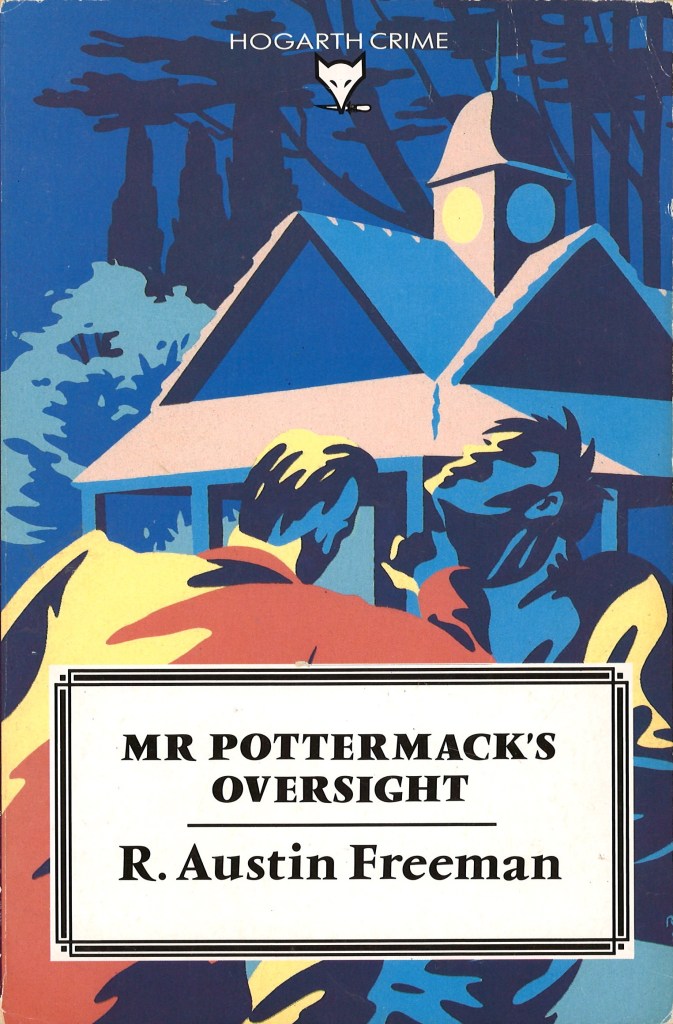
This inverted mystery was first exposure to the novelicious work of R. Austin Freeman, and remains a decided highlight in a career that, in my experience to date, has no lack of excellent novels of detection. The central dilemma in which the eponymous Mr. Pottermack finds himself entangled is so vibrantly realised that I was on tenterhooks in the best possible way as the conclusion rolled round and we waited to see which way the ingenious Dr. John Evelyn Thorndyke was going to jump. The Thorndyke books have become firm favourites, thanks in no small part to the efforts of Nick in steering me in those opening encounters, and Pottermack is a beacon at, or indistinguishably near, the top of that whole experience. Glorious stuff. [My review]
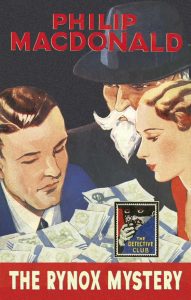
2. The Rynox Mystery (1930) by Philip MacDonald
For all the game-playing of the Golden Age, a surprising number of the most celebrated authors took their craft very seriously. Philip MacDonald was one such writer, seemingly, in my brief experience of the man’s work — I’ve read five of his 20-some criminous novels — out to never repeat himself if at all possible. Yet you can’t possibly claim that MacDonald isn’t having fun in The Rynox Mystery (1932), which plays with chronology, with presentation of evidence, with identity, with structure, and with most of the conventions going, all in a compact narrative that bristles with good humour, wild inventiveness, and a sort of narrative chutzpah which makes it all the more baffling that it was, and has again become, so difficult to track down. [My review]
3. Peril at End House (1932) by Agatha Christie
You don’t have to pick a Christie, of course, but And Then There Were None (1939) is magnificent and so hors concours, thus I wanted to go for something a little different. I remembered this for its fabulous final reveal — nothing new at the time, but it still makes me smile all these years later — and the compact way Christie barrels through a busy narrative with the youthful vigour and narrative cleanliness that marks out an author at the very peak of their confidence. Upon rereading it, I found it pretty much living up to these memories, with all the Christie strengths — and some lovely creative ideas cast aside for use later — and little of the weaknesses that would come into effect as she continued to write with such undimmed energy for so many years. God, we were lucky to have her. [My review]
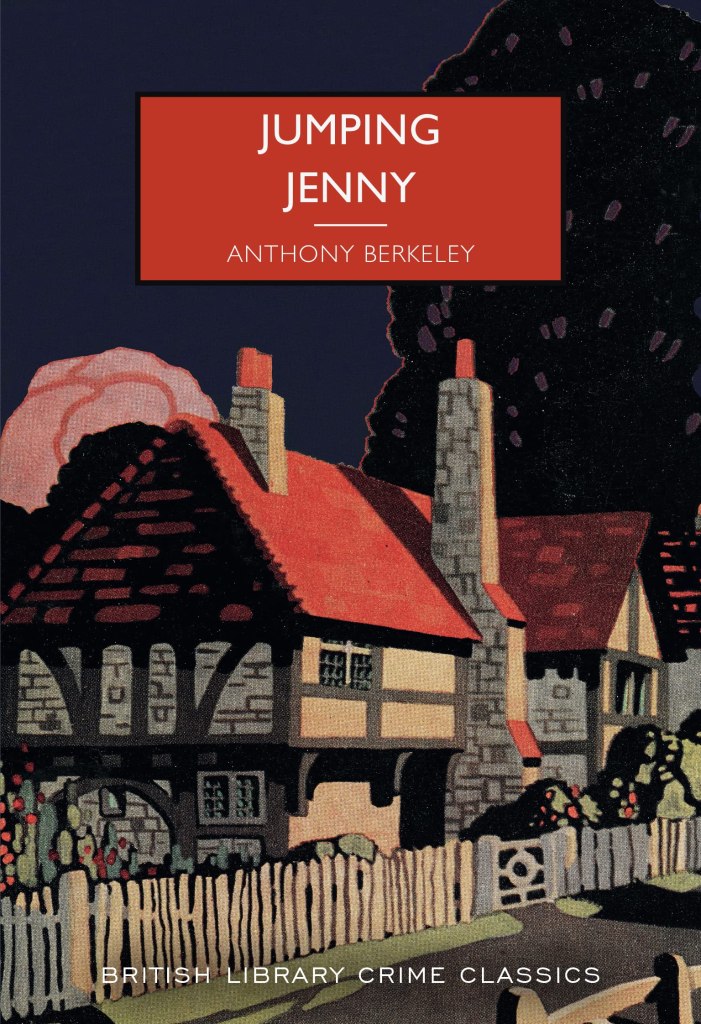
4. Jumping Jenny, a.k.a. Dead Mrs. Stratton (1933) by Anthony Berkeley
I’ve read this twice: at first experience I didn’t get it and found it a little dull, and at the second I had a darn sight more coverage of the genre and so really appreciated how it’s essentially the trope-filled classic mystery turned inside out. It’s an inspired title for the British Library Crime Classics range to have republished, too, because it shows how the genre played the game against itself — a hydra that grew two new heads of ingenuity every time an ingenious author cut one off by dreaming up a clever get-around to preclude some easy conclusion (c.f. secret passages, twins, the poison unknown to science). At his best Berkeley’s unstoppable, and this is so near the peak of his output as to make no difference. [My review]
5. Heir Presumptive (1935) by Henry Wade
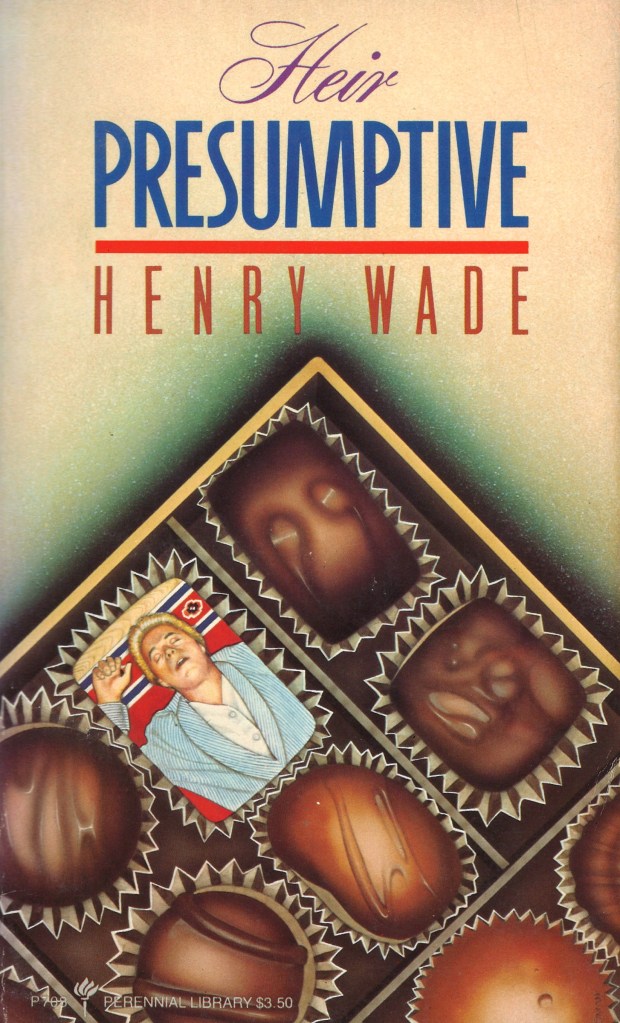
An updating of Israel Rank (1907) by Roy Horniman, Wade’s Heir Presumptive (1935) sees a minor member of an aristocratic family slowly murdering his way into a title and money, and remains one of the darkest books ever produced in the Golden Age. It’s a brilliant, compelling sort of darkness, though, with grimly-detailed death scenes, social-climbing lovers, throwaway comments on the changing nature of gender roles in society, and a final narrative disclosure that bears down on you with the inevitability of Fate itself. Hot damn, I wish someone would reprint Wade; the last boom of GAD reissues seems the perfect opportunity for this star to rise again. Hopefully this isn’t too far away from reappearing in bookshops, and you should grab a copy the instant it appears. [My review]
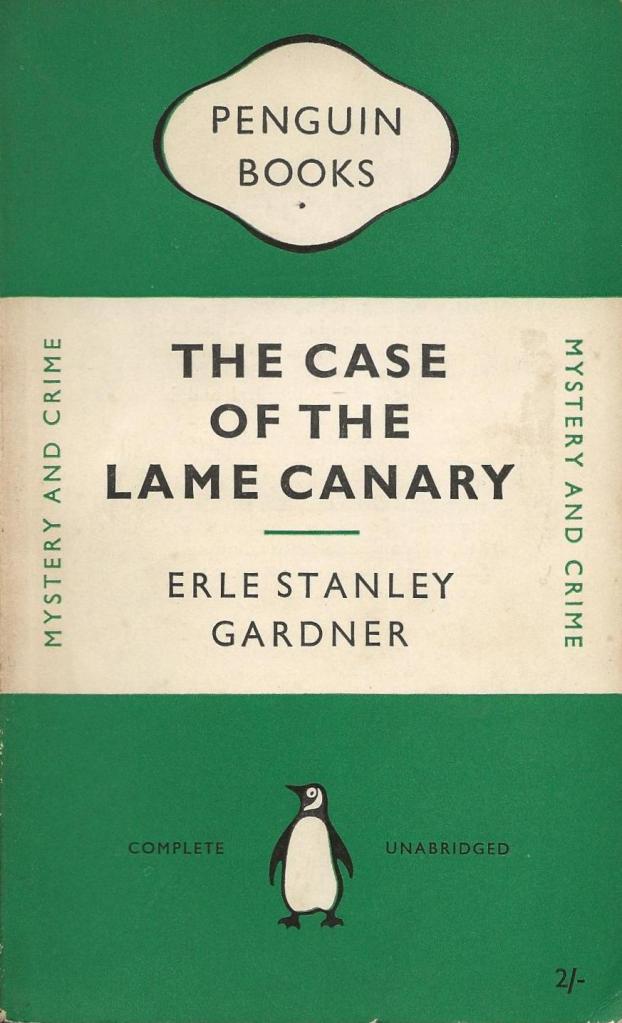
6. The Case of the Lame Canary (1937) by Erle Stanley Gardner
The difficulty with Gardner is that he was so prolific that it becomes difficult to recommend ‘accepted’ classic titles. Arguably his best work is done in concert as a body: the Doug Selby D.A. novels, say, or the ingenuity shown in his many recurring short story characters such as Ken Corning. The Case of the Lame Canary (1937), however, is pretty much everything you want from Gardner and Perry Mason: ingenious, cleverly clued, full of fire and brio and righteous indignation, and with a plot that doesn’t required the oft-deployed triple twist to bring everything into line in the final few pages (an artifice which renders, I feel, some of Gardner’s stronger books a little forgettable). If you don’t want to read all 88 Masons, just read this one. [My review]
7. The End of Andrew Harrison, a.k.a. The Futile Alibi (1938) by Freeman Wills Crofts
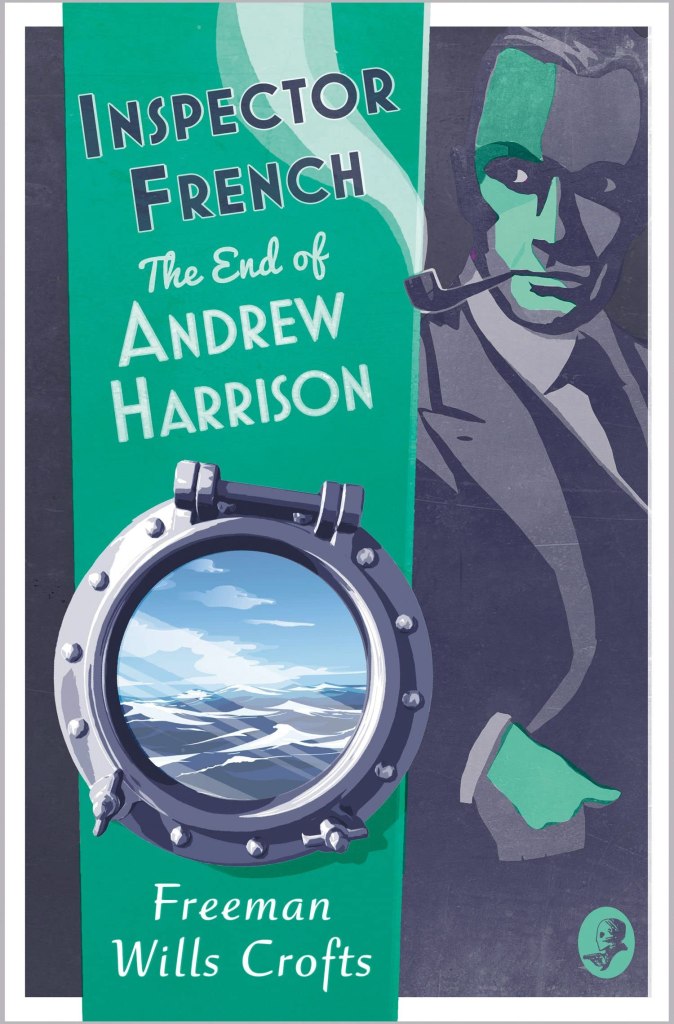
Yes, I can be accused of over-fondness where Crofts is concerned, but The End of Andrew Harrison (1938) is such a magnificent piece of structuring — an impossible murder on a giant yacht, plus a rallying cry against the cynical and ruinous manipulations of big business — that I honestly don’t quite get how anyone could read it and not love it. It lacks only a map of the eponymous millionaire’s boat to make one aspect marginally clearer to the reader, but apart from that shows one of the Golden Age’s arch constructionists on belligerently brilliant form: he knows what he knows, and he’s going to write this novel of patient detection his way, dammit. Just a glorious book, and such a delight to have back in print. [My review]
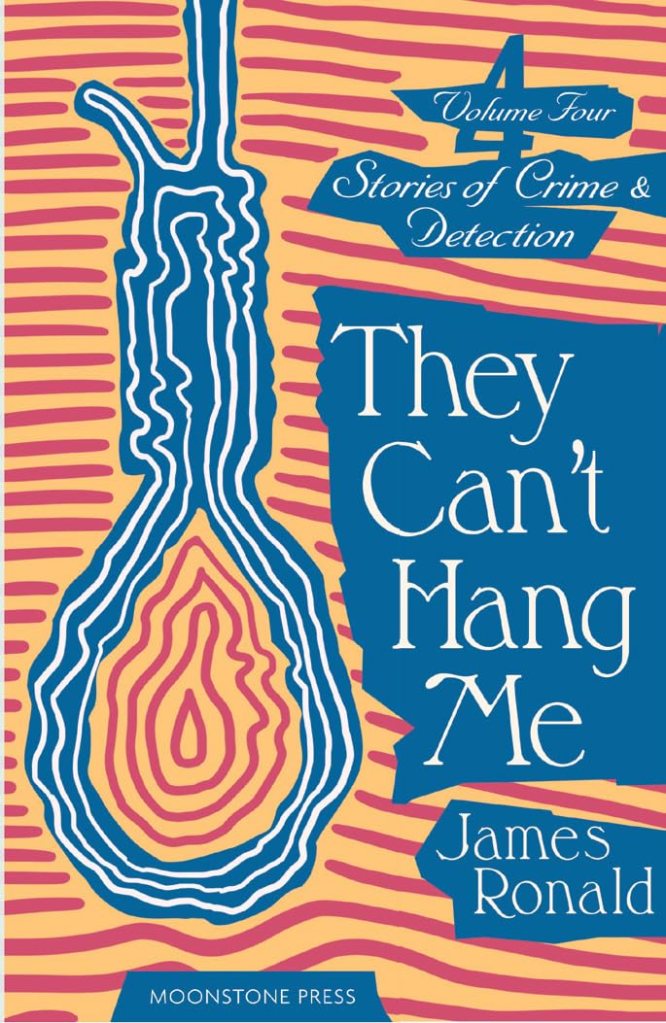
8. They Can’t Hang Me (1938) by James Ronald
The project of reprinting the complete criminous works of James Ronald undertaken by Moonstone Press still astounds me, if only because it enables you, dear reader, to experience this propulsive, madly inventive story of a lunatic out to avenge himself on the business partners who wronged him for a fraction of the cost it might have otherwise required of you. And it’s completely worth every penny: Ronald’s prose is lightning-fast, his characters vibrant, his bad guys hissable, and this cornucopia of impossible happenings controlled with a masterful eye. It’s pulpy, but don’t imagine for a second that’s a bad thing: Ronald takes this exactly as seriously as he needs to, and every page is lambent with the joyous creativity he pours forth so readily. Ah, that all forgotten authors were this invigorating. [My review]
9. Case with No Conclusion (1939) by Leo Bruce
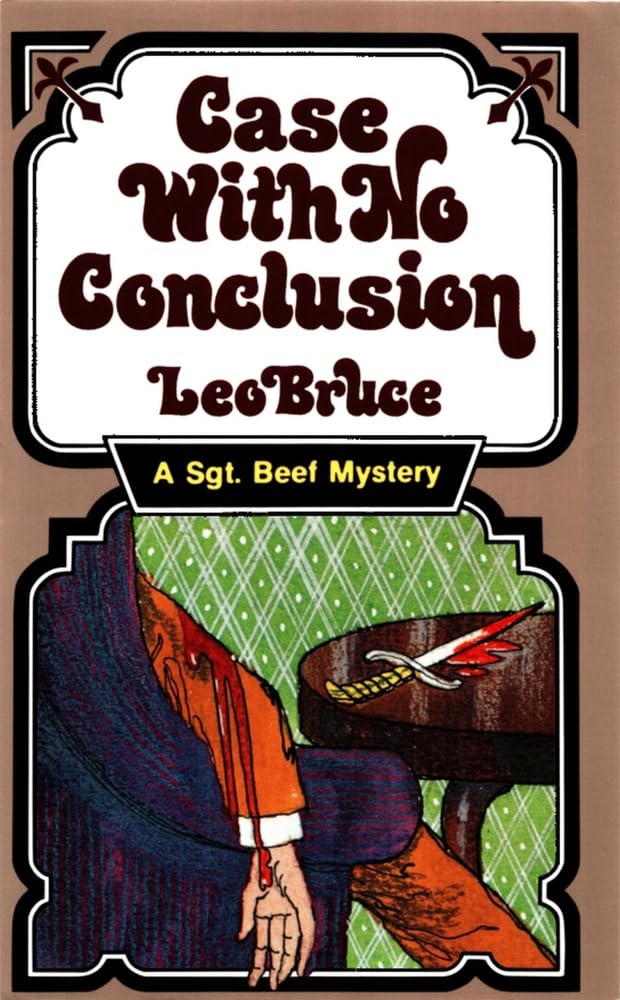
I’m currently working my way through the Sergeant William Beef novels of Leo Bruce and — due to the semi-chronological nature of that task — I won’t get to reread Case with No Conclusion (1939), the third book, until the end. But I remember being very impressed with the nature of this: you’re essentially told in the title that there will be no formal solution to this murder investigation, yet Bruce, in his full, convention-flouting pomp, still found a way to make that surprising: for Beef to essentially be both Roger Sheringham and Hercule Poirot. It’s a complex and canny piece of plotting, enabling the detective to both fail and succeed in no uncertain terms, and the route to get there is also kept entertaining at each step. Maybe I’ll have cause to amend this decision in due course, but what’s life without a little suspense…?
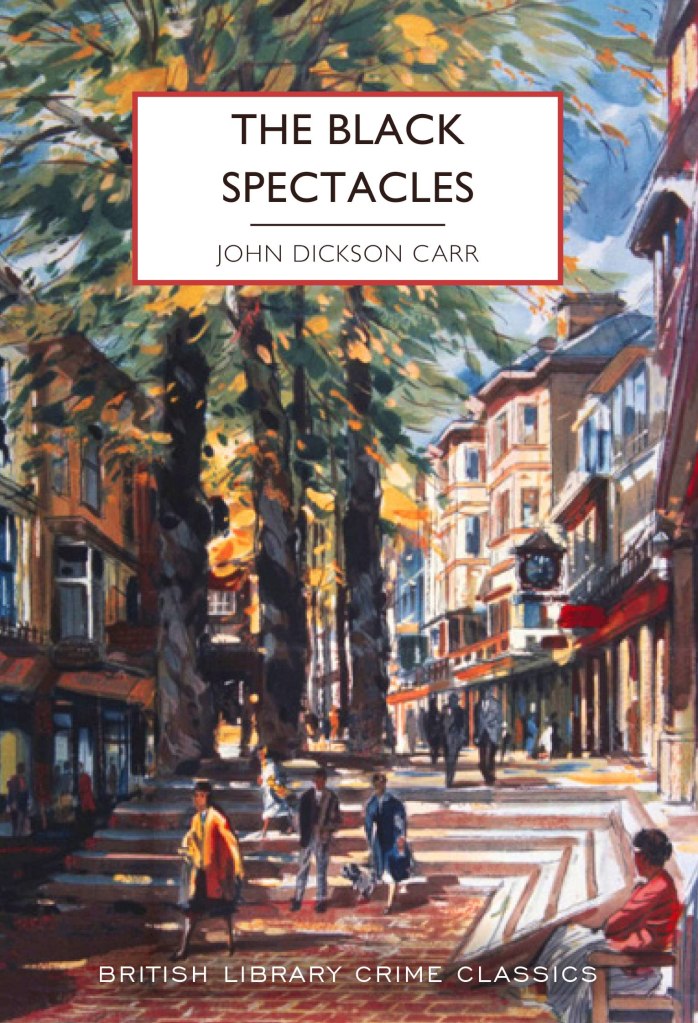
10. The Problem of the Green Capsule, a.k.a. The Black Spectacles (1939) by John Dickson Carr
It’s fitting that the final title on this list is, in my opinion, perhaps the finest novel written in the Golden Age. The setup — in which a man, believing that people lack basic observation skills, puts on a short display for four watchers, only for them all to disagree about what happened — is brilliant in itself, but mix in the impossible murder and the poisoning plot that runs alongside this and…wow, it’s a wonderful concoction. There are about another ten Carr titles I’d still love to see back in print, but this was top of my list, and the British Library Crime Classics range was having a very good day indeed when they plucked it from ill-deserved obscurity. Magnificent in every regard; if you don’t like this, you shouldn’t be reading Golden Age detective fiction. [My review]
~
My Ten Favourite…
- …Literary Detectives
- …’New to Me’ British Library Crime Classics
- …Ramble House Novels
- …Impossible Crimes
- …Locked Room International Titles
- …Golden Age Reprint Covers
- …Orion Crime Masterworks
- …Mysteries of the 1930s
- …Mysteries of the 1940s
- …Paul Halter Translations
- …Juvenile Mysteries
- …Inverted Mysteries
 The Invisible Event
Happy New Year – That looks like great fun ahead, JJ! One day I’ll re-read the Berkeley book again to see what I missed the first time (30+ years ago …), promise.
LikeLike
Obviously nothing is for everyone, but the second encounter made it make so much more sense. Hopefully you’ll enjoy it when you eventually get to it again.
LikeLiked by 1 person
What can I say? You sure compiled an interesting top 10. I think my list would look a little different, but approve you included Jumping Jenny and Peril at End House is a brave choice. Even when limited to the 1930s. Why not Lord Edgware Dies, Cards on the Table, Appointment with Death or Murder is Easy? Anyway, I’ll take note of your praise of Philip MacDonald and place him on the 2025 pile. Happy (belated) New Year!
LikeLike
The Christie choice — once one has excluded ATTWN — was simple for me because PaEH has remained fascinating to me since first reading it in the early 2000s. And having reread it recently for reviewing on Thursday, let me say that I was far from disappointed.
And, yeah, this list will look very different in another year or two, I have no doubt. That’s part of the reason I’ve never liked making lists, which was in itself part of the motivation for these Ten Favourite lists in the first place. Everything comes full circle!
Happy New Year, TC. Got another modern locked room mystery coming in the weeks ahead, so let’s hope we both get off to a strong start in 2025.
LikeLike
A very strong selection indeed! Shame on me that I’ve only read the Christie, Wade, and Carr, but now I have 7 good recommendations that I’ll try to prioritize this upcoming year. At least, I already have copies of Rynox and Lame Canary sitting around somewhere, and I’ve been scouring for They Can’t Hang Me forever and really need to buy the reprint.
LikeLike
Given how difficult the Wade is to find, you’ve done for that to be one of the three you’ve read 🙂 And, yes, please do by the They Can’t hang Me reprint — Moonstone took a real swing on these, and I was so delighted to see the job they’ve done making Ronald so very easily available again. Get Murder in the Family and This Way Out, too, because they’re also wonderful…
Happy reading in 2025, whether from this list or your doubtless groaning TBR.
LikeLiked by 1 person