![]()
![]()
![]()
![]()
![]()
The hybrid mystery — typically, though not always, a blend of clue-gathering detection and pulse-racing thrills — is a tricky proposition, since it often smashes together two styles of writing and plotting that don’t make the most comfortable of bedfellows. The best example, to my mind, is John Dickson Carr’s underappreciated masterpiece The Punch and Judy Murders, a.k.a. The Magic Lantern Murders (1936), published under his Carter Dickson nom de plume, which solves this oft-discordant clash by keeping the breathless chases to its first three-quarters before revealing itself as a cannily-clued mystery in the closing stages.
American Mystery Classics
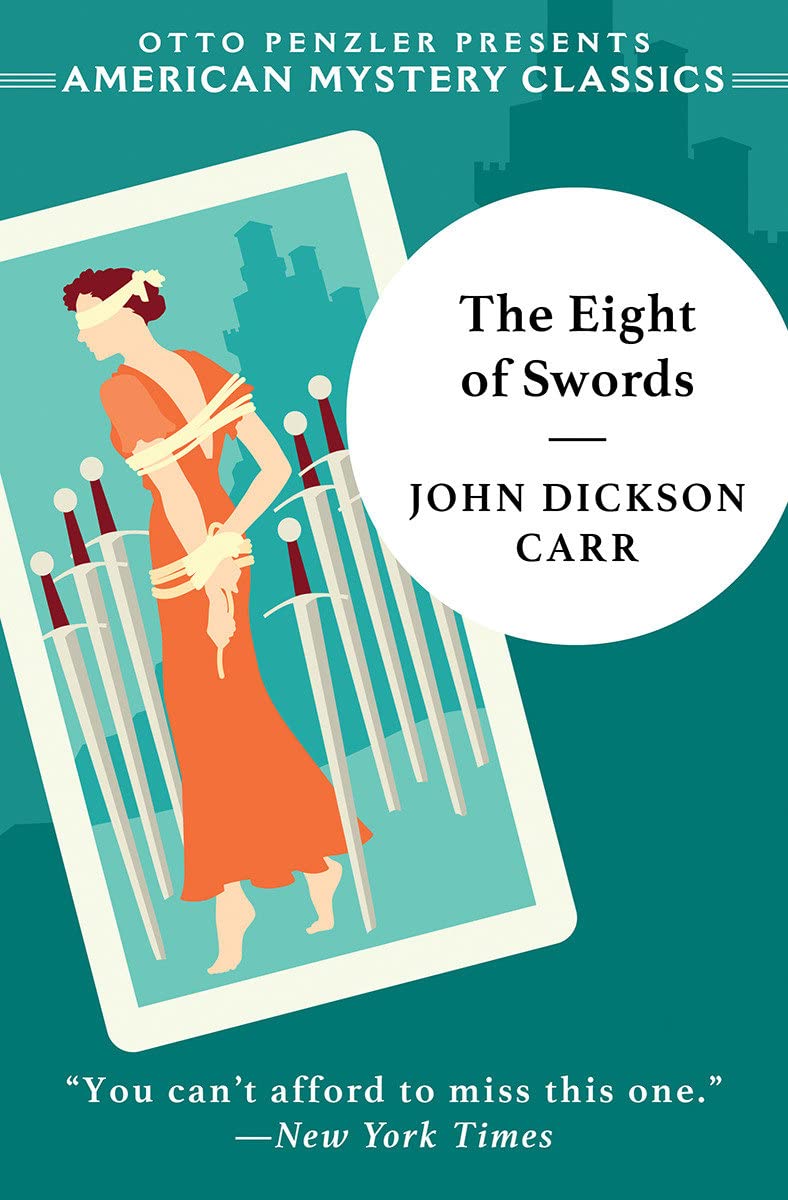
#870: The Eight of Swords (1934) by John Dickson Carr

![]()
![]()
![]()
![]()
![]()
The recent undoing of whatever logjam had prevented the reissuing of John Dickson Carr’s novels is a cause for much celebration among fans of classic detective fiction. It Walks by Night (1930), Castle Skull (1931), The Lost Gallows (1931), The Corpse in the Waxworks (1932), Hag’s Nook (1933), The Mad Hatter Mystery (1933), The Plague Court Murders (1934), The Crooked Hinge (1938), The Case of the Constant Suicides (1941), She Died a Lady (1943), and Till Death Do Us Part (1944), can now be bought easily for sensible money, finally providing some company for The Hollow Man (1935), which had been flying the flag in bookshops toute seule for decades now.
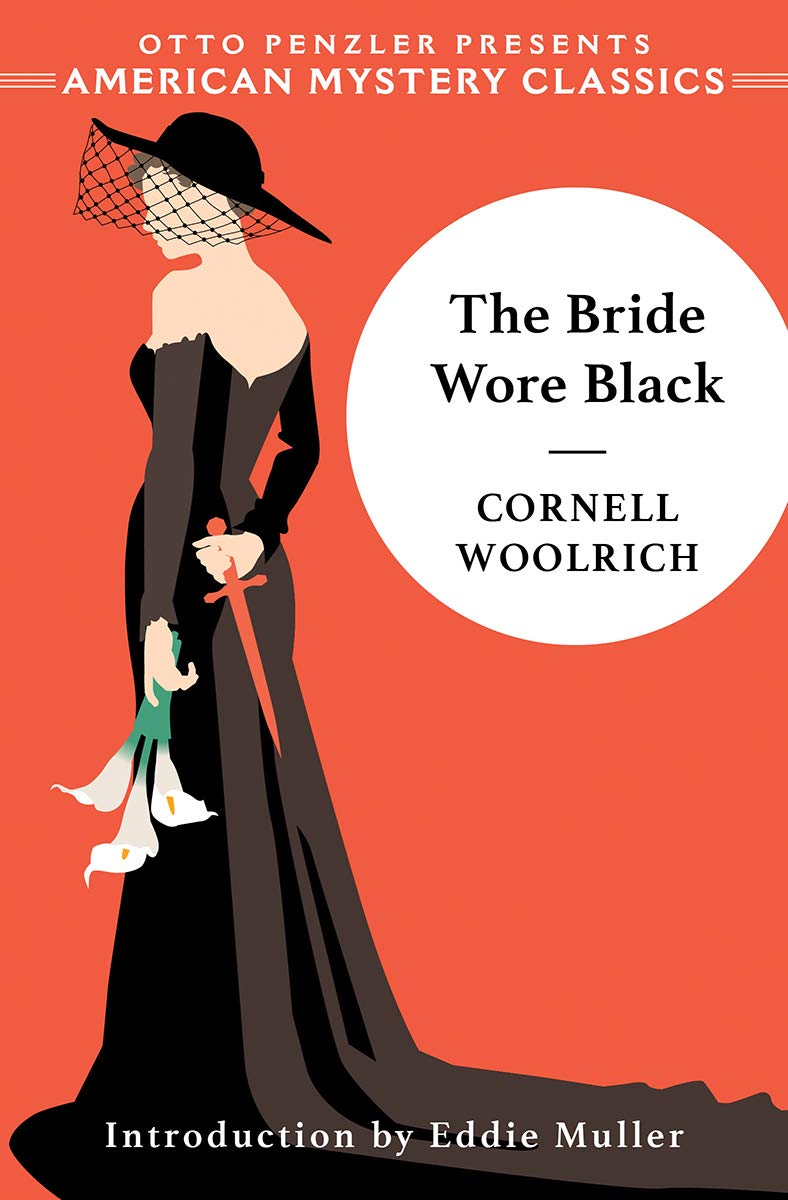
#858: The Bride Wore Black, a.k.a. Beware the Lady (1940) by Cornell Woolrich

![]()
![]()
![]()
![]()
![]()
Past Jim has a lot to answer for — this haircut, for one, or that fact that I cannot forget the embarrassment of 11:48am on 4th June 1997 — but my current frustration with him is how easily and summarily he dismissed the writing of Cornell Woolrich after reading the Nightwebs (1971) collection as part of the Orion Crime Masterworks series. Had Past Jim possessed a little more discernment (or, dare I say it, maturity), I could have been loving Woolrich’s work for the last two decades instead of coming to it so late. Yes, I got here eventually, via some short stories, some novellas, and a couple of American Mystery Classics reissues, but what is life without something to lament?
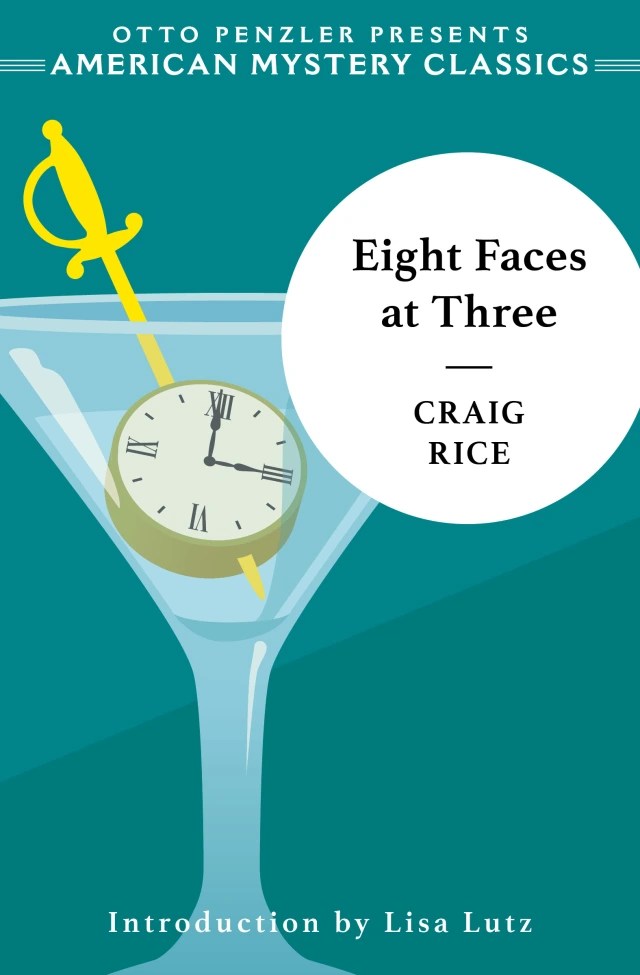
#846: Eight Faces at Three, a.k.a. Death at Three (1939) by Craig Rice

![]()
![]()
![]()
![]()
![]()
At the risk of upsetting the accepted order of things, I have a serious question: in placing Queens of Crime alongside Agatha Christie, why is the scope always so narrow? The Sayers-Marsh-Allingham-Tey debate rages ever onward, but, after reading just two of her novels, I’m going to throw a hat labelled ‘Craig Rice’ into the ring and stand back to see what happens. Her debut Eight Faces at Three (1939) ain’t perfect, and the review will explain in more detail, but to summarise: buy this now, because we need to convince the American Mystery Classics that a full reprint of Craig Rice is something they should commit to. You can thank me later.
#818: Waltz into Darkness (1947) by Cornell Woolrich [a.p.a. by William Irish]

![]()
![]()
![]()
![]()
![]()
It’s fair to say that, in the course of writing this blog over the last six years, I have become known as something of a plot fiend. Atmosphere is lovely, memorable characters are preferable, social commentary perfectly acceptable, but what drew me to classic-era detective fiction was the possibilities of plot and plenty of it. On that front, Waltz into Darkness (1947), Cornell Woolrich’s 1880s-set epic of catfishing, revenge, and much more besides should leave me cold — heavy on emotion, laden with dread, fond of repetition to hammer home obvious points…everythng that should send me running. And yet, damn, I wish this probably 120,000-word book was twice as long.
In GAD We Trust – Episode 22: On Making a Good First Impression [w’ Sergio @ Tipping My Fedora + Brad @ AhSweetMysteryBlog]
After the interruption to the schedule of two weeks ago, here’s another In GAD We Trust podcast — and given the topic of ‘Making a Good First Impression’ it’s only fitting to welcome returning guests Sergio and Brad.
Continue reading#800: The Plague Court Murders (1934) by John Dickson Carr [a.p.a. by Carter Dickson]

![]()
![]()
![]()
![]()
![]()
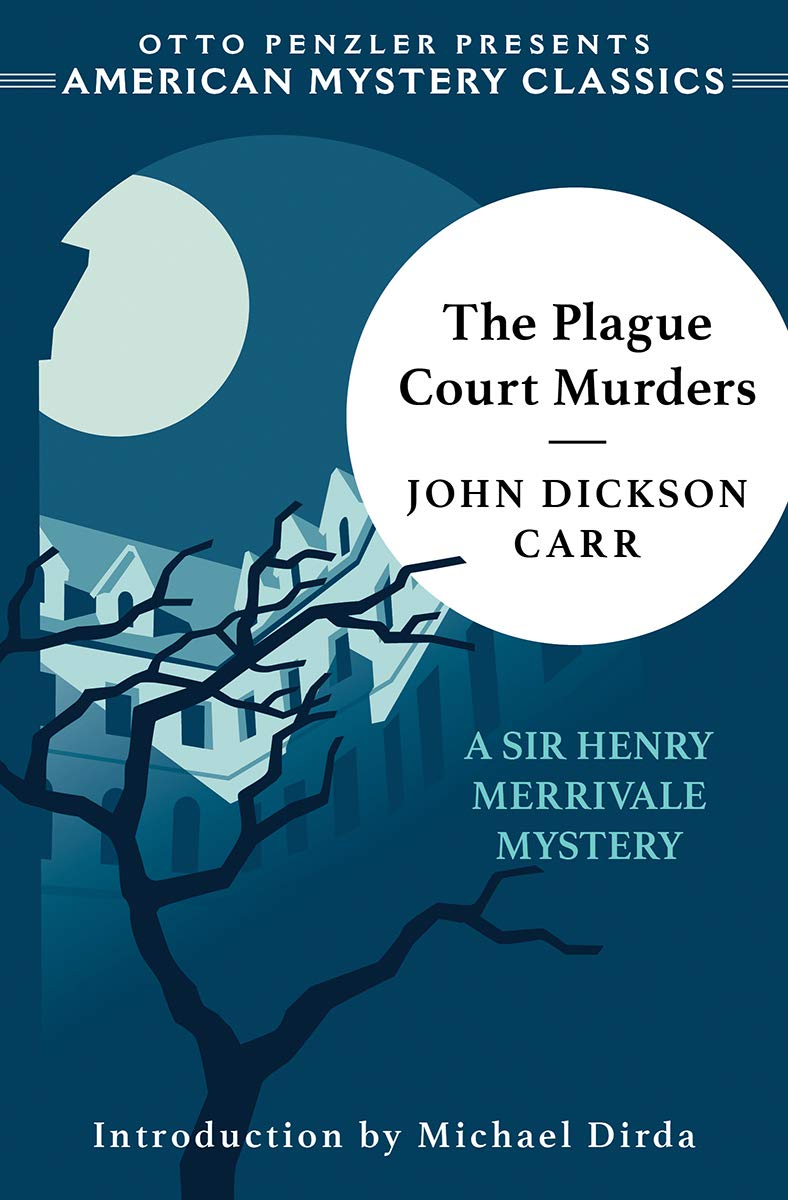
The Plague Court Murders (1934), the debut of John Dickson Carr’s sleuth Sir Henry ‘H.M.’ Merrivale and published under his Carter Dickson nom de plume, struck me when I first read it as among the ne plus ultra of locked room mysteries. A decade on, having read much more of Carr’s output, I now see it differently. Carr published five books in 1934, each one now feeling lilke an attempt to work some new wrinkle into his writing. For all the cleverness — and it is very clever — this is really an apprentice work from a man who would go on to do much, much better.
#784: The Widening Stain (1942) by W. Bolingbroke Johnson [a.p.a. by Morris Bishop]

![]()
![]()
![]()
![]()
![]()
To Miss Gilda Gorham, Chief Cataloguer of an unnamed American university’s library — a building oft-expanded, and now an “architectural emetic” — the death of one colleague amongst the stacks may be regarded as a misfortune; the death of two, however, added to the disappearance of a staggeringly rare and expensive mansucript, has the air of carelessness about it. Who among the amicable staff of the university could have perpetrated such acts? And why? So, for ill-defined reasons, she puts any discomfiture aside and launches an investigation of her own. Naturally, it is not too long before all manner of clandestine activites begin to creep out…
#776: The Bigger They Come, a.k.a. Lam to the Slaughter (1939) by A.A. Fair
![]()
![]()
![]()
![]()
![]()
A little while ago, on this very blog, it took me just under three years to work my way through the nine novels Erle Stanley Gardner wrote about D.A. Doug Selby. At that rate, I shall be reading the 30 Bertha Cool and Donald Lam books published by Gardner under his A.A. Fair nom de plume for the next decade (and then the 88 Perry Mason books will see me well into retirement). Famously written by Gardner to prove that he could get a book published on merit alone, The Bigger They Come, a.k.a. Lam to the Slaughter (1939) finds a pair of great characters still unformed, and makes a good time out of a fun premise while not yet reaching the heights this series would.
#770: The Case of the Baker Street Irregulars (1940) by Anthony Boucher

![]()
![]()
![]()
![]()
![]()
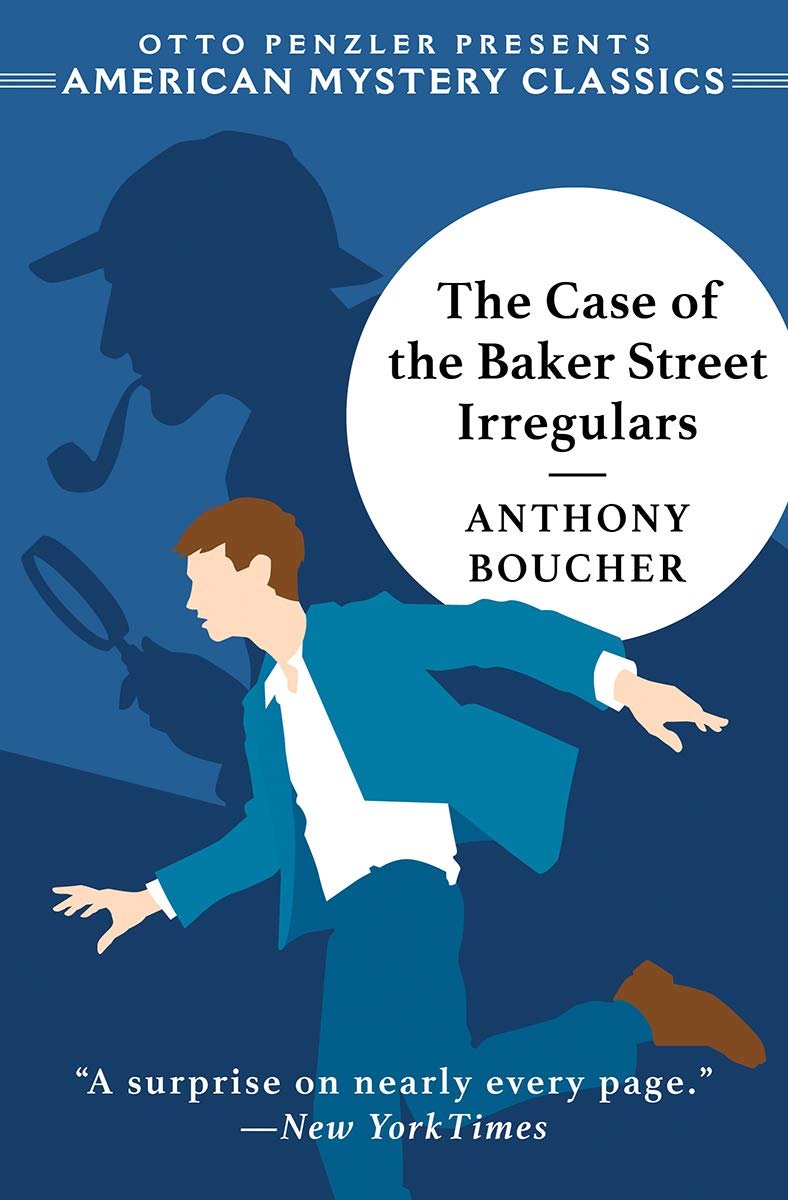
God, I needed this. Not that my reading has been hard work of late — I’m keeping within fairly safe ground, the last year having taking its toll on my…everything — but this is the first book I’ve read in a while that has been so damn fun. Remember fun? We used to have it all the time. For 90% of The Case of the Baker Street Irregulars (1940) I was swept up in the sheer joy of the ornate, ridiculous planning that goes into a puzzle mystery, in wave after wave of wildly unpredictable developments, and in the excitement of celebrating the voracious fandom the mystery genre excites. For the other 10%…well, we shall get to that in due course.