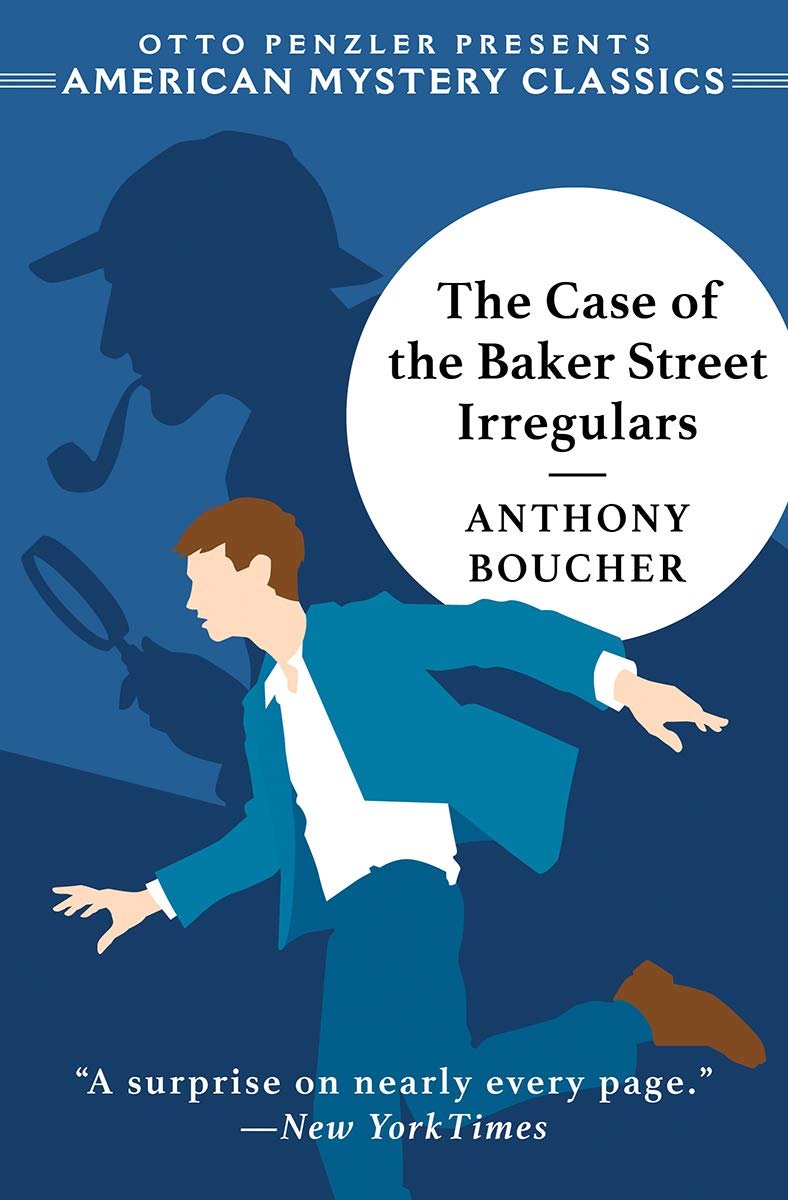
#770: The Case of the Baker Street Irregulars (1940) by Anthony Boucher

Baker Street Irregulars

star filledstar filledstar filledstar filledstars
God, I needed this. Not that my reading has been hard work of late — I’m keeping within fairly safe ground, the last year having taking its toll on my…everything — but this is the first book I’ve read in a while that has been so damn fun. Remember fun? We used to have it all the time. For 90% of The Case of the Baker Street Irregulars (1940) I was swept up in the sheer joy of the ornate, ridiculous planning that goes into a puzzle mystery, in wave after wave of wildly unpredictable developments, and in the excitement of celebrating the voracious fandom the mystery genre excites. For the other 10%…well, we shall get to that in due course.

Continue reading

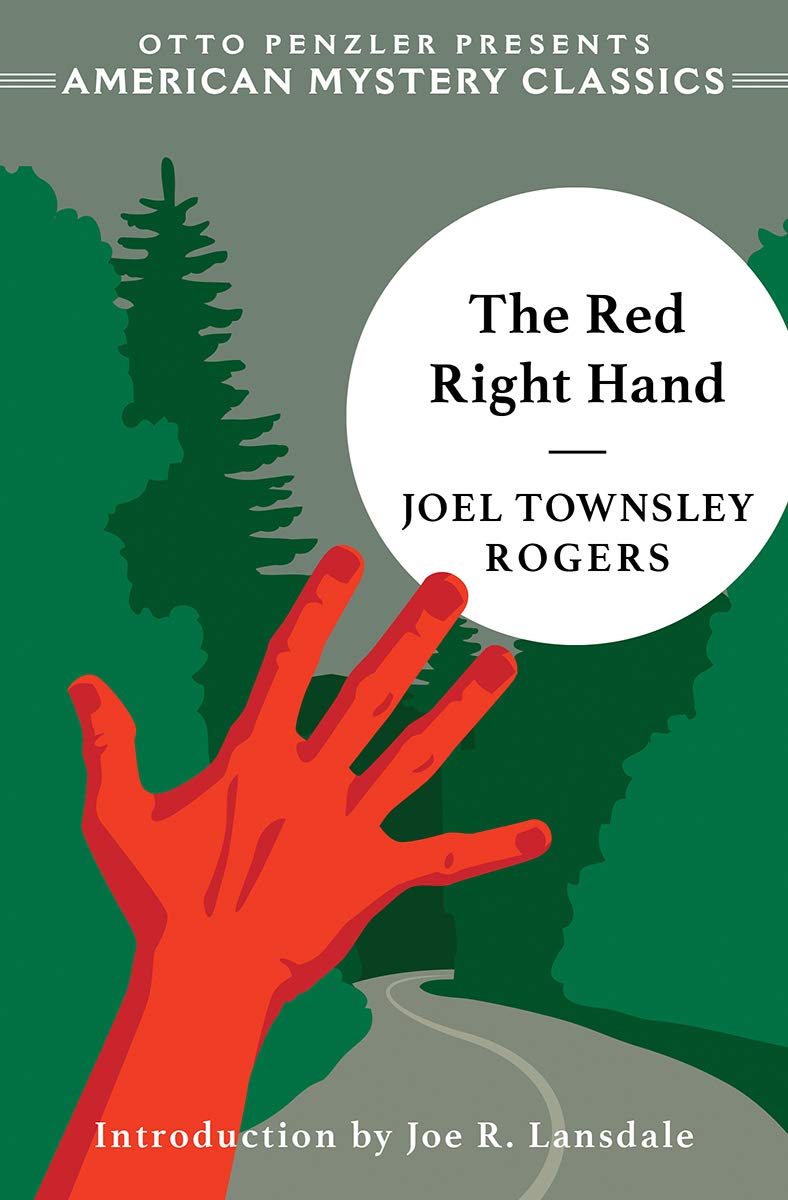
#749: The Red Right Hand (1945) by Joel Townsley Rogers

Red Right Hand

star filledstar filledstar filledstarsstars
I first read The Red Right Hand (1945) by Joel Townsley Rogers about a decade ago — maybe more, maybe less, it’s fitting given the nature of the narrative herein that I’m a little hazy on the precise details. I’m unsure how it came to my attention, but I do know that I had expected a traditional suspects-murder-investigation-solution structure and that, when the book absolutely did not deliver this, it proved to be a frustrating read. This reissue by the American Mystery Classics range, then, was to be celebrated for a chance to re-evaluate the novel — my previous copy having gone who knows where — knowing what I was getting. And, well, it is still a frustrating read.

Continue reading

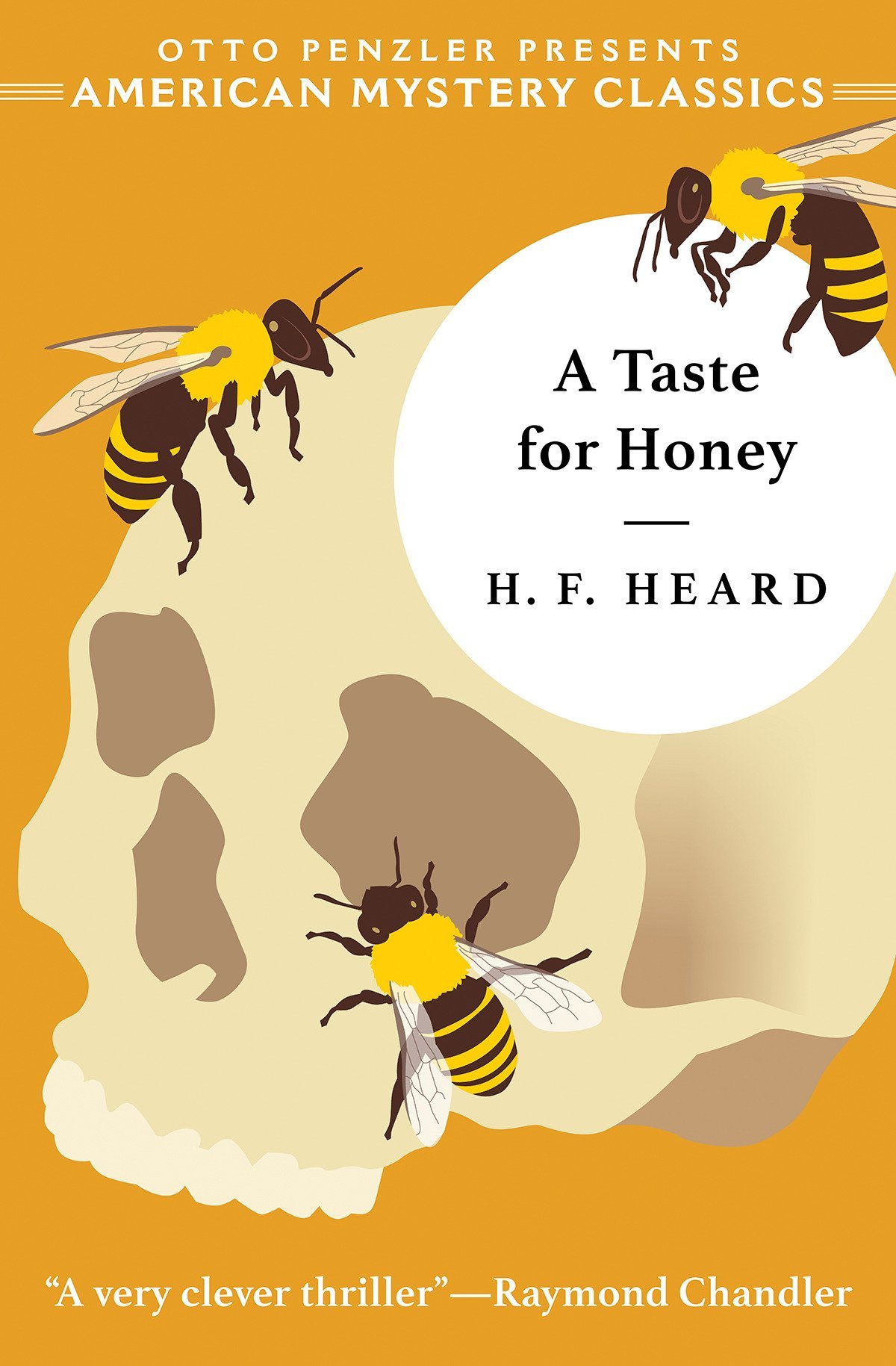
#635: A Taste for Honey (1941) by H.F. Heard

Taste for Honey, Astar filledstar filledstarsstarsstars
It’s difficult to know where to begin with A Taste for Honey (1941), the first of three ‘Mr. Mycroft’ novels by H.F. Heard.  The core conceit is delightfully barmy — I shall avoid naming it in this review to preserve it for the curious — and played with an impressively straight face, but beyond that there’s really only a short story’s worth of content here, spread thinly over 189 generously-margined pages.  With only one plot-line, only really three characters, and nothing to widen the universe or engage the mind in any meaningful way past the halfway point (when the ending will already be painfully obvious to anyone), this really is just a latter-day Holmes pastiche with verbal diarrhoea.

Continue reading

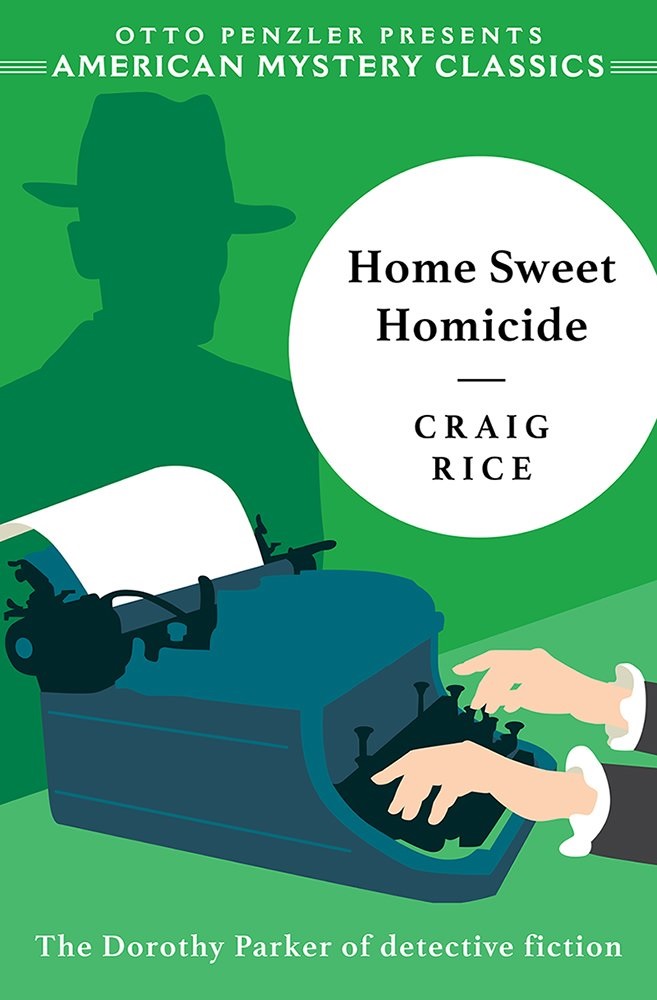
#593: Home Sweet Homicide (1944) by Craig Rice

Home Sweet Homicidestar filledstar filledstar filledstar filledstar filled
As a rule, I start getting a bit nervous if it takes me more than three days to finish a book.  I read Home Sweet Homicide (1944), the first of Georgiana Ann Randolph Craig’s novels I’ve ever attempted, over one week and one day and, quite honestly, would have happily kept reading it for another month or two.  I’ve never gotten a sense of her as an author from her short stories — largely, I’d imagine, because of the need to cram in character and plot in less space — and, if I’m honest, didn’t relish the screwball antics her reputation seemed to promise.  Well, no fear.  This isn’t screwball, it’s not especially tightly plotted, and it’s possibly the best book I’ve read in a long ol’ time.

Continue reading

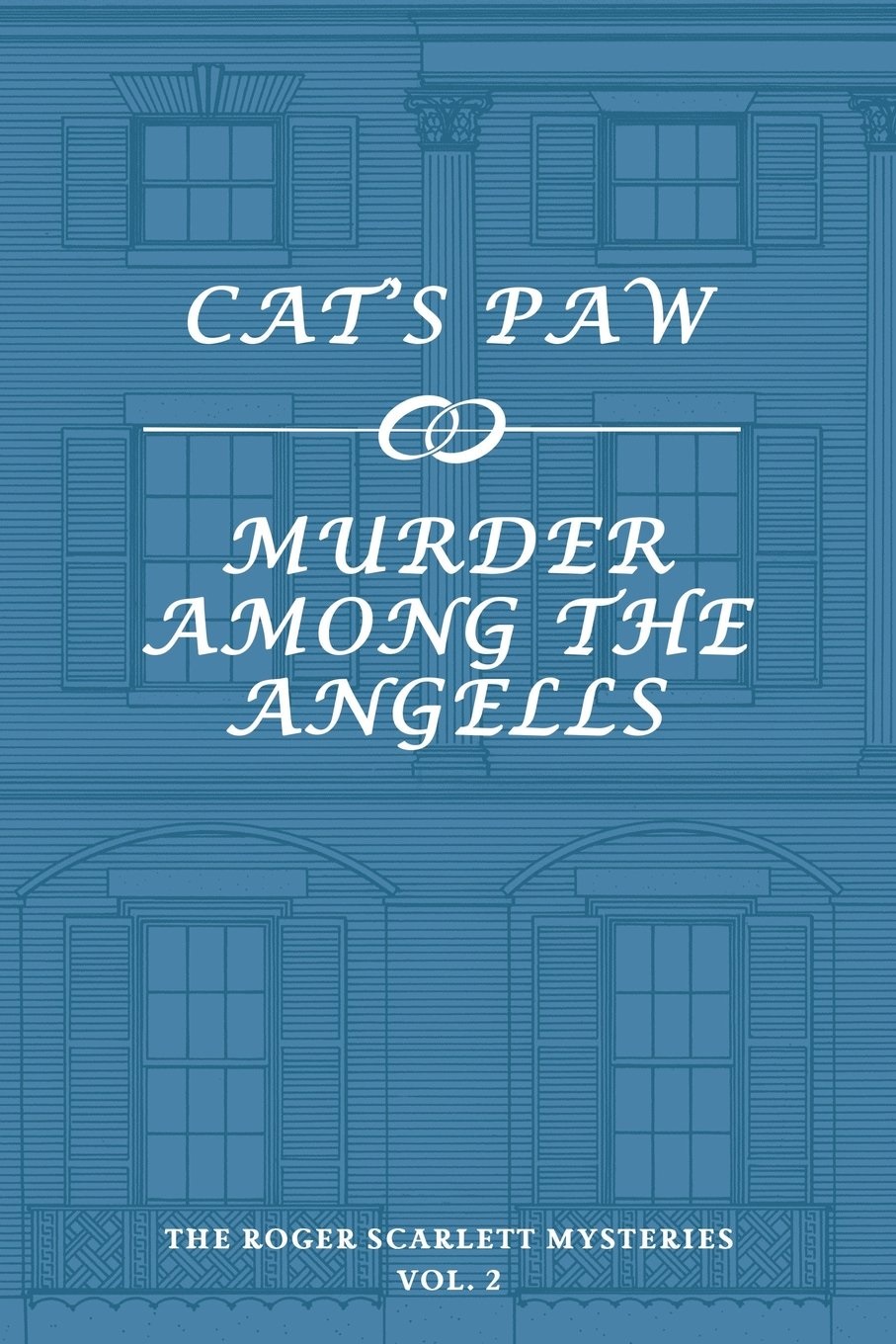
#499: Cat’s Paw (1931) by Roger Scarlett

roger scarlett v2star filledstar filledstar filledstar filledstars
Dear Elderly Patriarchs Who Hold the Purse-Strings and Delight in Making Everyone Jump and Dance on Cue: you’d live a lot longer if you stopped gathering your slavishly pecuniary-minded families around you before announcing a surprise amendment to their financial situations.  Weren’t you supposed to be captains of industry at some point?  Don’t your creators lay it on a bit thick with your business acumen, your cut-and-thrust tactics, and the rapier-like intelligence that resulted in you rising to the top?  Gordon’s beer, man, exercise a little nouse; at least change the will and then tell them…

Continue reading

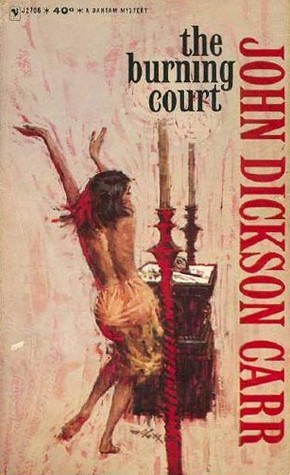
#317: The Burning Court (1937) by John Dickson Carr

7323892In a career that does not exactly lack for belauded titles, The Burning Court might just be the most belauded of John Dickson Carr’s oeuvre.  Opinions diverge sharply on what I would consider all-time classics like The Plague Court Murders (1934) or The Hollow Man (1935), but arguably only this and perhaps She Died a Lady (1943) seem to enjoy universal adoration.  So for the Carr acolyte like myself, approaching every book fully intent on getting the most possible out of it, there’s now the extra twinge of almost needing to love this so as to be taken seriously when discussing the man and his work.  Five years from now, you don’t want “Yeah, but you didn’t enjoy The Burning Court” being thrown in your face like the castigation it is.
Continue reading

#276: The D.A. Calls it Murder (1937) by Erle Stanley Gardner

DA Calls it Murder, The MRErle Stanley Gardner, in my view one of the four most important male authors of classic crime fiction, is of course best known for the savvy machinations of Perry Mason, a man who never met a legal loophole he didn’t like.  Yet between 1937 and 1949 he wrote nine books that just might comprise some of his most interesting writing, those featuring D.A. Doug Selby.  Selby is a more naive presence than Mason — equally ready to fight his corner, yet strangely trusting in a way that at times proves his undoing — and in order to bring these books a little more attention I’m going to work through them in order over the next few months (yes, yes, we’ve heard this before… well I need a break from that, and this is the perfect antidote).

Continue reading