#1208: The Dead Friend Project (2024) by Joanna Wallace

Dead Friend Project

star filledstar filledstar filledstar filledstar filled
It’s been nearly a year since Beth’s friend Charlotte died, struck down by a car one October evening while out training for a marathon. Finally beginning to emerge from her cocoon of grief at both the loss of her friend and the following-hard-upon ending of her marriage to Rowan, and having been kept busy by the three young children she is now co-parenting, Beth starts to realise that some of the details about the night Charlotte died don’t add up. And so, seizing this newfound purpose, she begins to investigate what happened, running into odd behaviour, contradictory details, and plenty of unwilling witnesses along the way.

Continue reading

#1202: The Piccadilly Murder (1929) by Anthony Berkeley

Piccadilly Murder Penguin

star filledstar filledstar filledstar filledstars
As has recently been remarked elsewhere, the superb modern raft of Golden Age reprints has been very kind to Anthony Berkeley. The form’s arch Innovator-in-Chief has seen some excellent titles brought back to public availability — The Poisoned Chocolates Case (1929), Murder in the Basement (1932), Jumping Jenny (1933) — and one, in The Wintringham Mystery, a.k.a. Cicely Disappears (1927), rescued from the sort of obscurity that had reduced its existence almost to rumour. Still yet to see the light of day, however, is The Piccadilly Murder (1929), so a reread seemed due to see if it really was as good as I remember. And, yes, it very nearly is — except in one key regard, in which it’s even better.

Continue reading

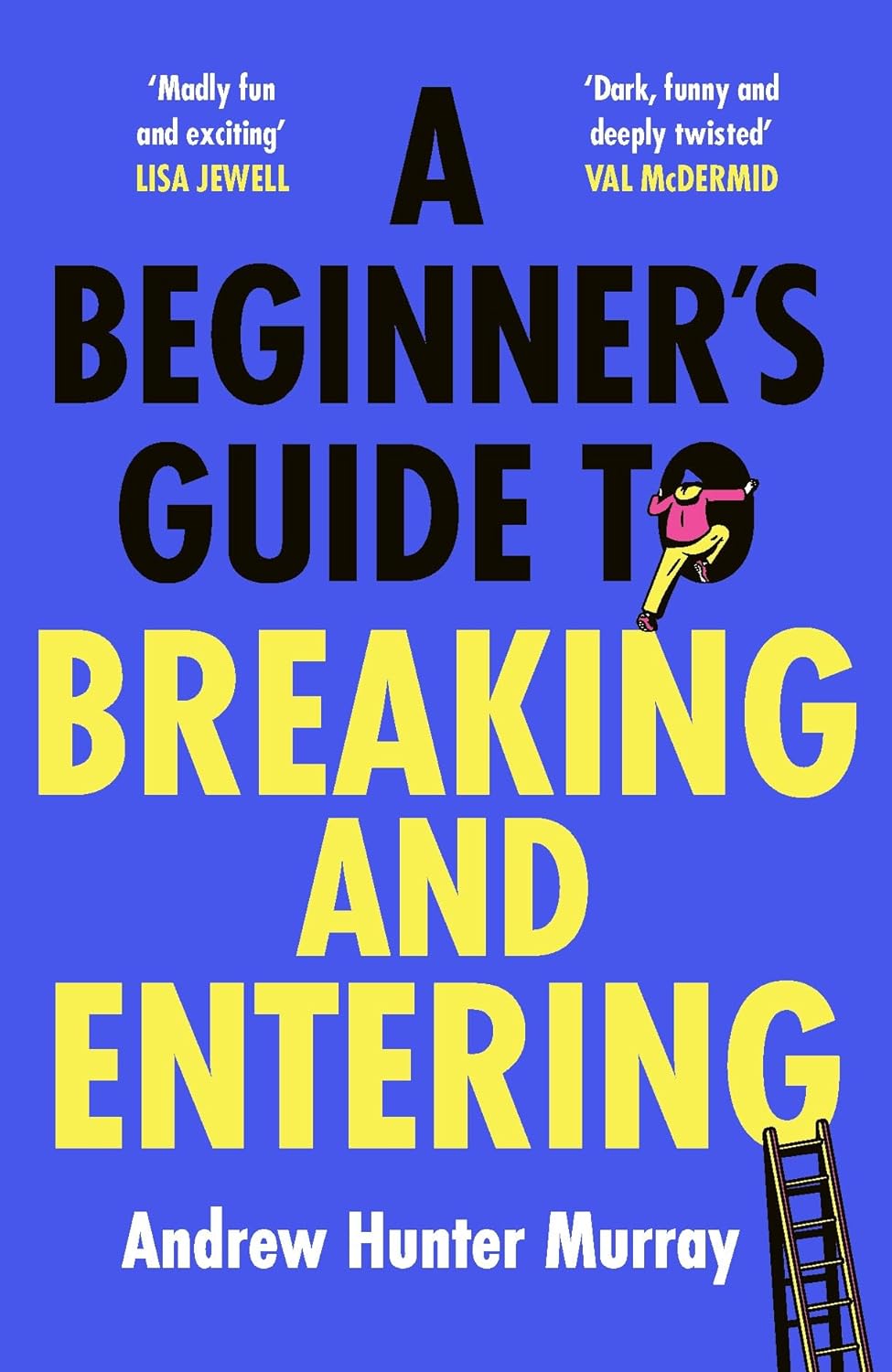
#1186: A Beginner’s Guide to Breaking and Entering (2024) by Andrew Hunter Murray

Beginners Guide to Breaking and Entering

star filledstar filledstar filledstarsstars
Shirley Ballas. Richard Coles. Susie Dent. Richard Osman. Robert Rinder.  These days, if you want to publish a crime novel, it clearly helps to be a UK media personality.  And why not?  Publishing’s an uncertain business, and an existing following should hopefully convert into sales — good luck to them, I say. Add to the above journalist, podcaster, TV-version-of-his-podcaster Andrew Hunter Murray, whose third novel, A Beginner’s Guide to Breaking and Entering (2024), finds him crossing into the sort of genre territory that captures my attention. And while not perhaps leaning as hard into logical reasoning as I’d prefer, there’s much here to enjoy.

Continue reading

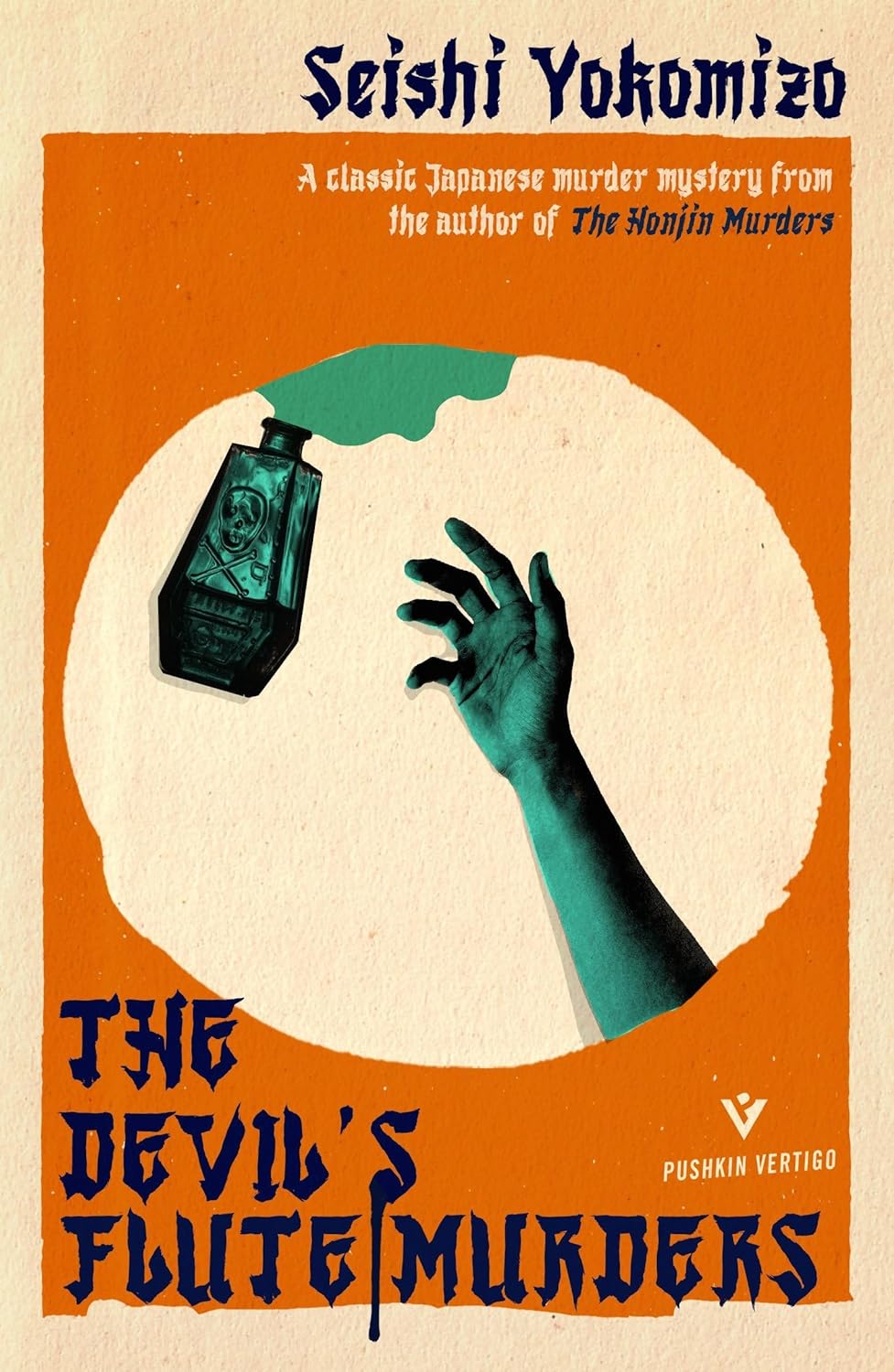
#1180: The Devil’s Flute Murders (1953) by Seishi Yokomizo [trans. Jim Rion 2023]

Devil's Flute Murders

star filledstar filledstar filledstar filledstars
After what felt like a run of fairly light reading, I found myself in the mood for something a little denser, and boy does The Devil’s Flute Murders (1953), the fifth title by Seishi Yokomizo to be published in English by Pushkin Vertigo, deliver on that front. We start with a mass poisoning in a jewellery store, then move onto the disappearance of a member of the nobility who turns up dead…only for his family to doubt his demise and pull amateur genius detective Kosuke Kindaichi into a superbly atmospheric divining ceremony that culminates in a gruesome locked room murder. Yup, the opening third of this book is, pleasingly, something of a whirligig.

Continue reading

#1169: A Little Help for My Friends – Finding a Modern Locked Room Mystery for TomCat Attempt #22: Murder by Candlelight (2024) by Faith Martin

I really rather enjoyed Faith Martin’s impossible crime novel The Castle Mystery (2019) when I read it back in 2019, so stumbling over a new hardback by her at my local library — and learning that Murder by Candlelight (2024) features a murdered body discovered in a sealed room — was a very pleasant surprise.

Continue reading

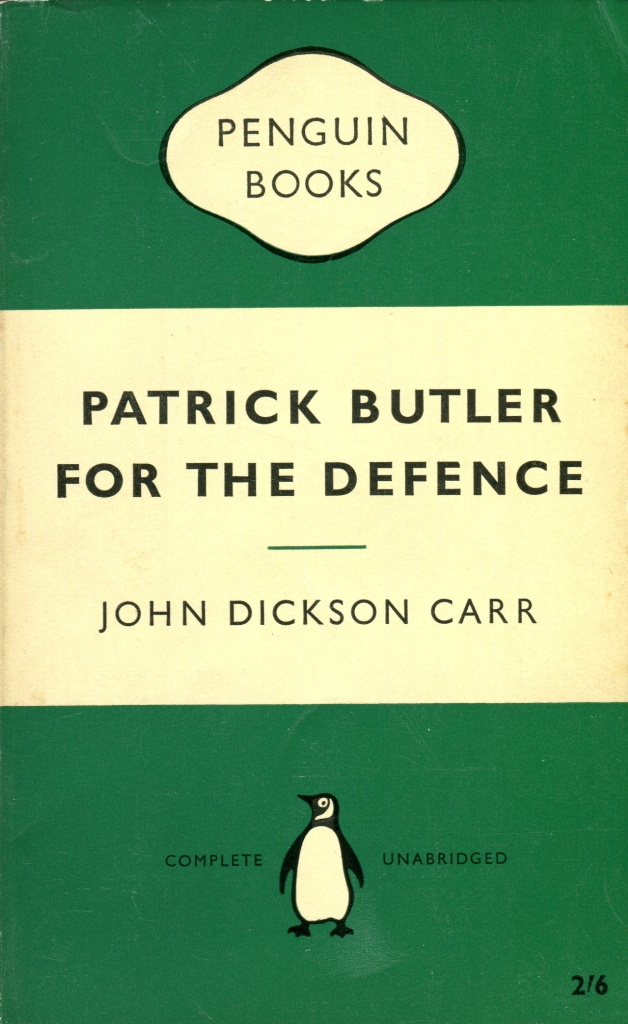
#1168: Patrick Butler for the Defence (1956) by John Dickson Carr

Patrick Butler for the Defence

star filledstar filledstar filledstarsstars
It is perhaps fitting — though, I assure you, completely accidental — that a locked room murder in a novel by John Dickson Carr, doyen of the apparently undoable nevertheless rationally explained, is the focus of the 500th post on this blog to be tagged “impossible crimes“.  Sure, upon realising this I could have chosen one of Carr’s acknowledged masterpieces to reread, but I enjoyed the divisive barrister Patrick Butler, K.C. at first encounter, and was intrigued to see how the character fared without the support of Carr’s frequent and best sleuth, Dr. Gideon Fell. And, having given up on the two Carr novels I tried to read prior to this, I’m pleased to report that I enjoyed a fair amount of what Carr did here.

Continue reading

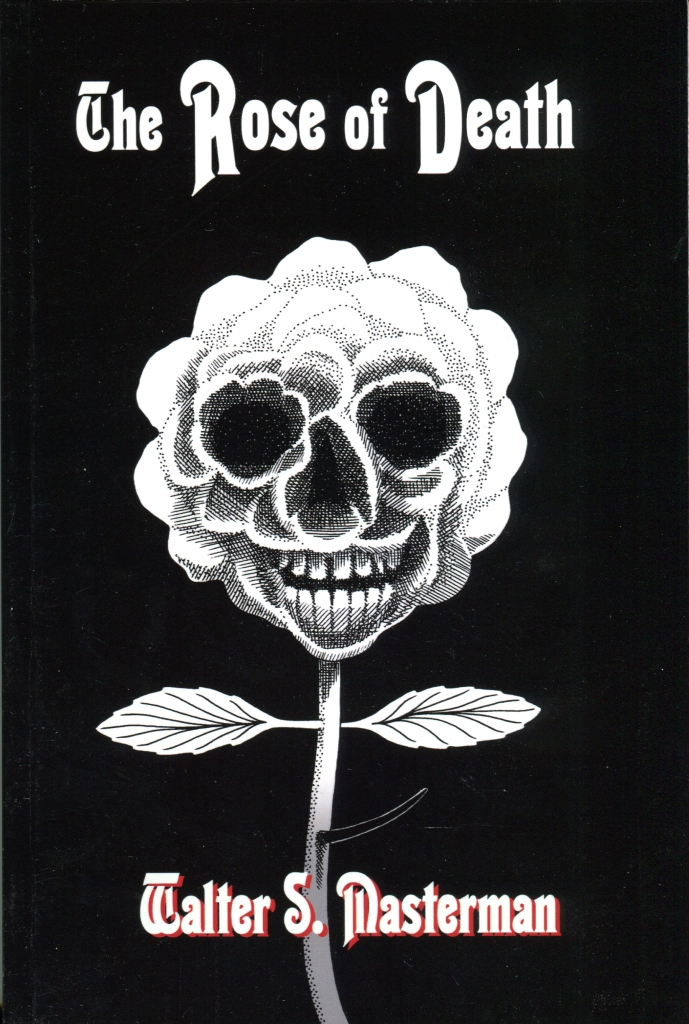
#1140: The Rose of Death (1934) by Walter S. Masterman

Rose of Death

star filledstar filledstarsstarsstars
An Englishman, an Irishman, and a Scotsman meet at university, where they form a club with the intention of talking about unsolved crimes. Several years later, in the manner of these undertakings in fiction, they stumble upon a fresh case and decide to take it on…only to realise that they’re mixed up in something Much Bigger Than They Imagined. Fortunately, Hugh Marsden is the ward of legendary Scotland Yard man Sir Arthur Sinclair (ret’d.) and they’re able to enlist that great personage in their predicament. Less fortunately, Sinclair has been ill for some years now, and his powers appear to be on the wane. And danger circles ever-closer…

Continue reading

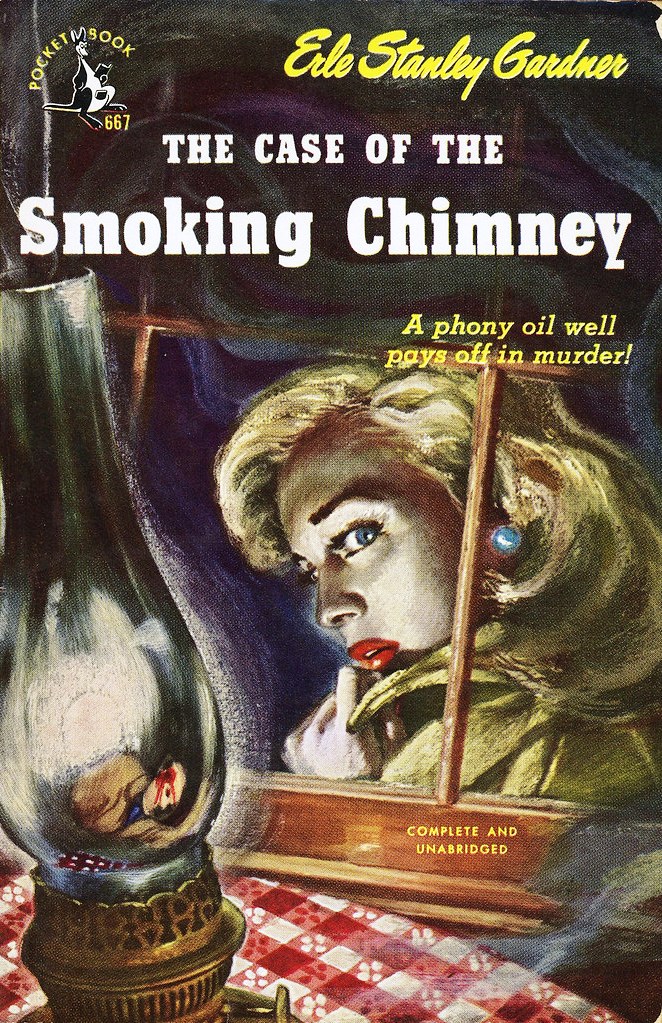
#1132: The Case of the Smoking Chimney (1943) by Erle Stanley Gardner

Case of the Smoking Chimney

star filledstar filledstar filledstarsstars
While you’ve hopefully been enjoying the regular reviews on The Invisible Event, I’ve been sweating bullets over the fact that I hit a seeming unpassable patch of reader’s block and haven’t read anything for nearly a month. Then Brad suggested that some Erle Stanley Gardner might help me out as it has done recently for him and, well, here we are. Mistakenly believing The Case of the Smoking Chimney (1943) to be the first of Gardner’s two novels featuring the disreputable Gramps Wiggins I picked it up and spent a very happy day in its pages, and while it reaffirmed much of what I like about Gardner’s writing the book also bears many of the man’s flaws.

Continue reading