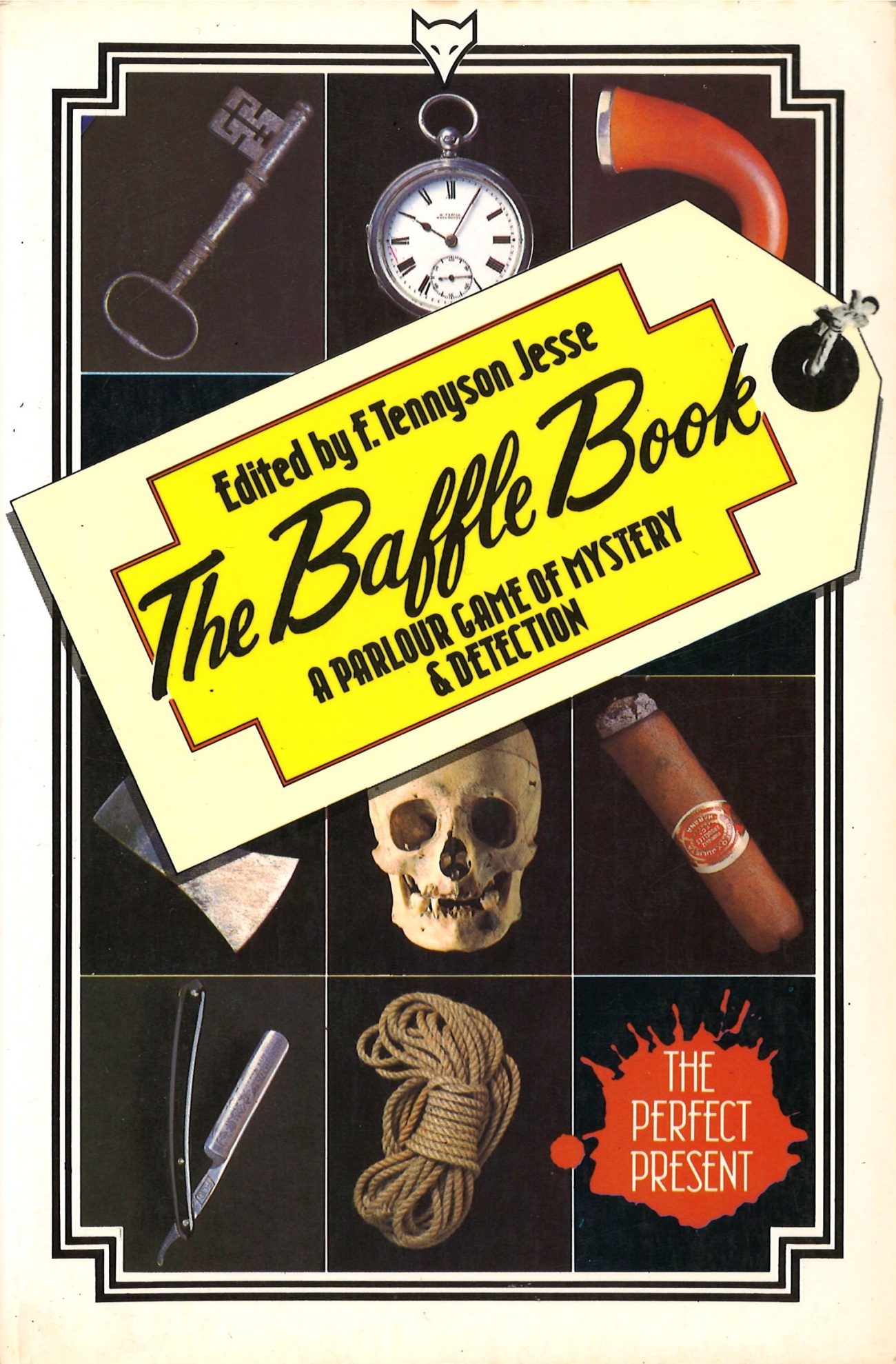
To further reinforce the message of staying in and making your own fun this Winter, let’s return to the parlour game-esque antics of The Baffle Book (1930) and see what mental gymnastics the third quarter has in store for us.
Continue readingTo further reinforce the message of staying in and making your own fun this Winter, let’s return to the parlour game-esque antics of The Baffle Book (1930) and see what mental gymnastics the third quarter has in store for us.
Continue reading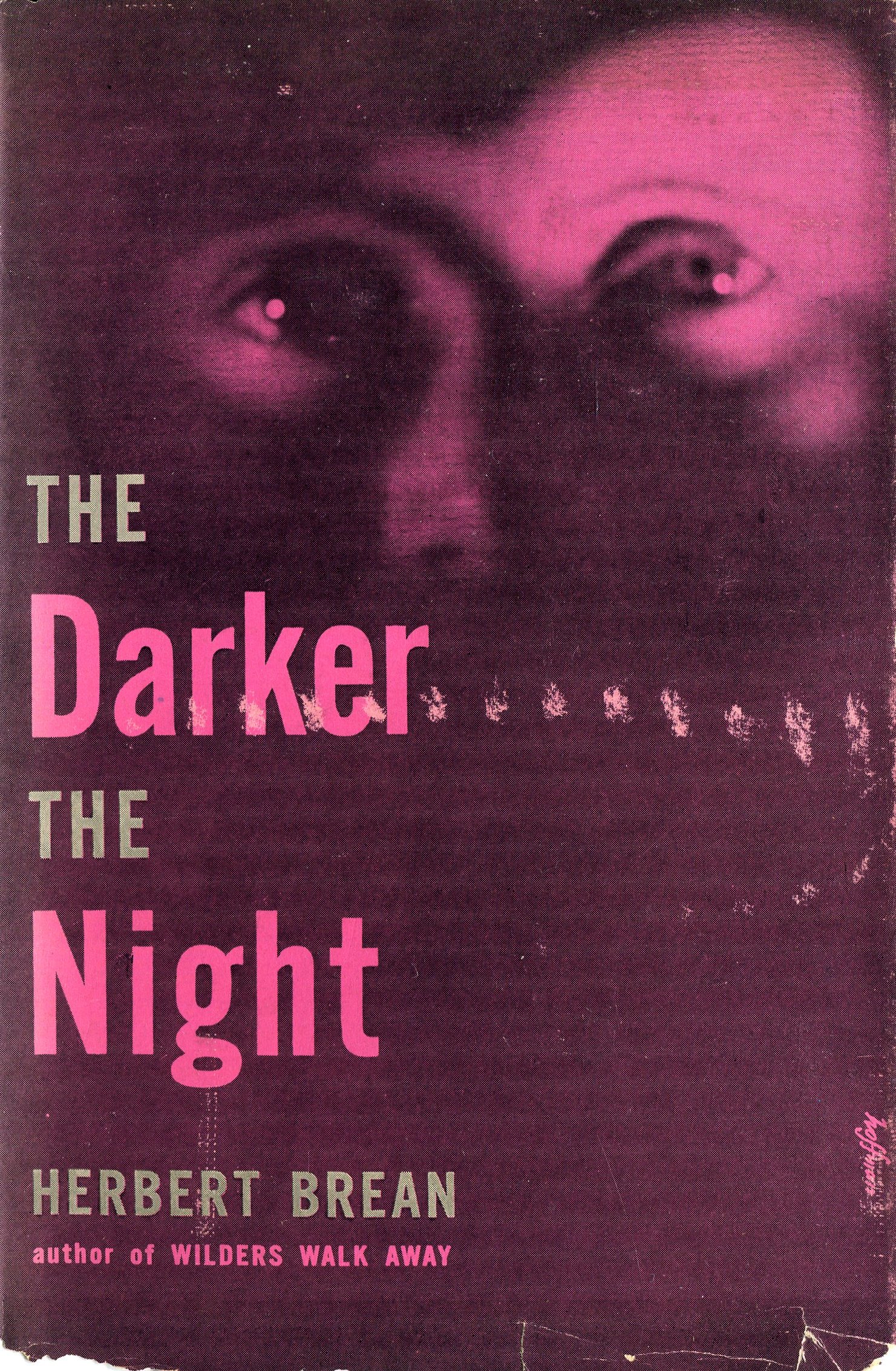


Man, there is a lot to unpack here. Firstly my love of Herbert Brean — an author brought to my attention by TomCat, and about whose books Ben at The Green Capsule and I frequently try to outdo each other in our enthusiasm. Secondly the need for a mystery to sell you on its central premise — here, hypnotism, about which a neat little treatise halfway through. And thirdly the purpose of a mystery novel — does a compelling plot obviate the need for a good mystery, and does a disappointing mystery necessarily detract from a great plot? All this and more we shall confront today with Brean’s second novel The Darker the Night (1949).

Two weeks ago I looked at the first four plays in this collection, so let’s get on the with final five.
Continue reading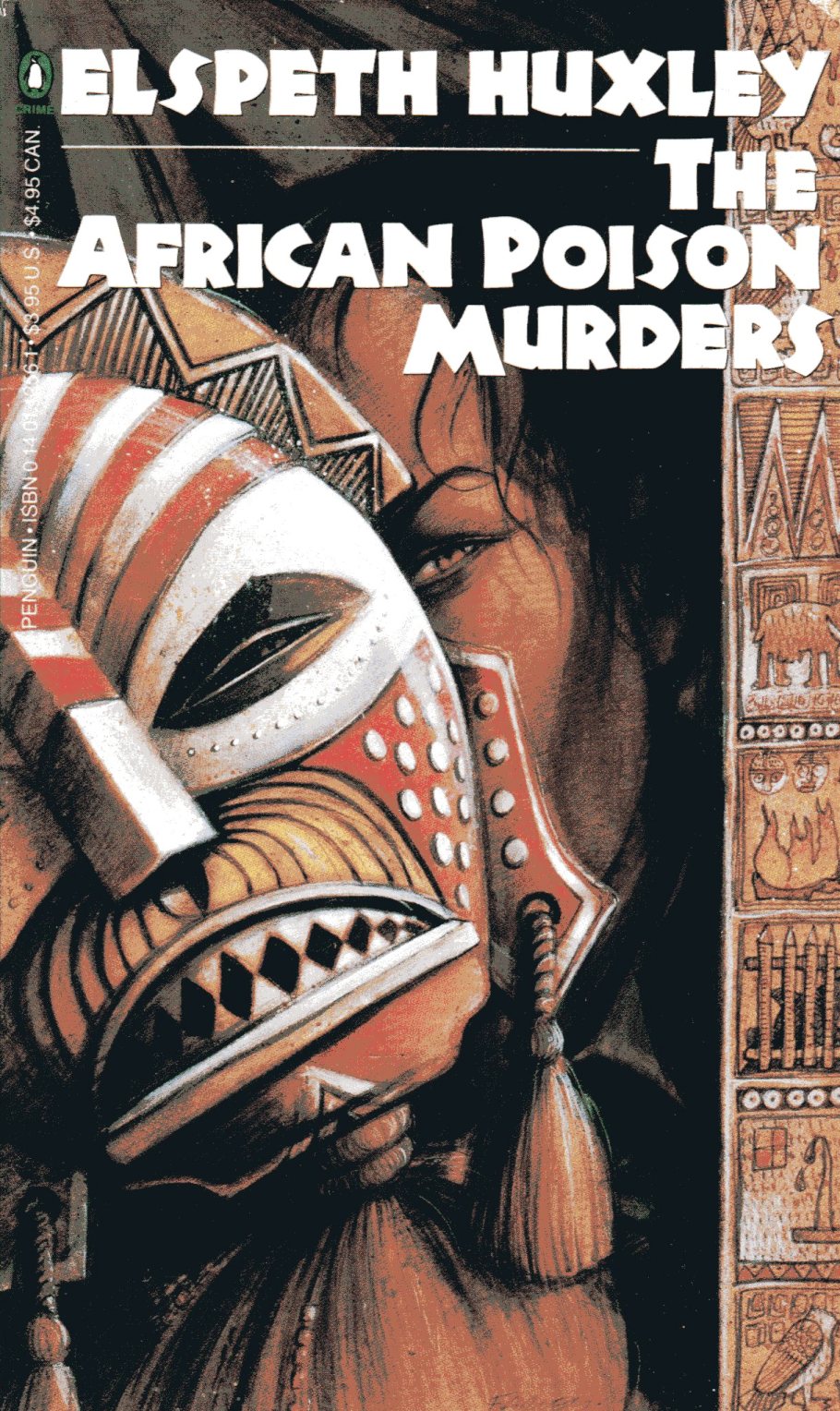
Elspeth Huxley’s Murder on Safari (1938) used its uncommon milieu and the author’s own experiences of life in Kenya as a young girl to enrich what might have otherwise been a ham-handed attempt to introduce some ‘variety’ into the annals of detective fiction. Its reliance on the trappings of safari life, and on the general ignorance of her policeman Superintendent Vachell to introduce the unfamiliar aspects to the reader, worked well with some unusual clues to mark it out as a very accomplished piece of detective fiction…right up until the reveal of the killer, when it all sort of fell apart. And lightning, it seems, has struck twice…