In GAD We Trust – Episode 32: The Revival of James Ronald [w’ Chris Verner]

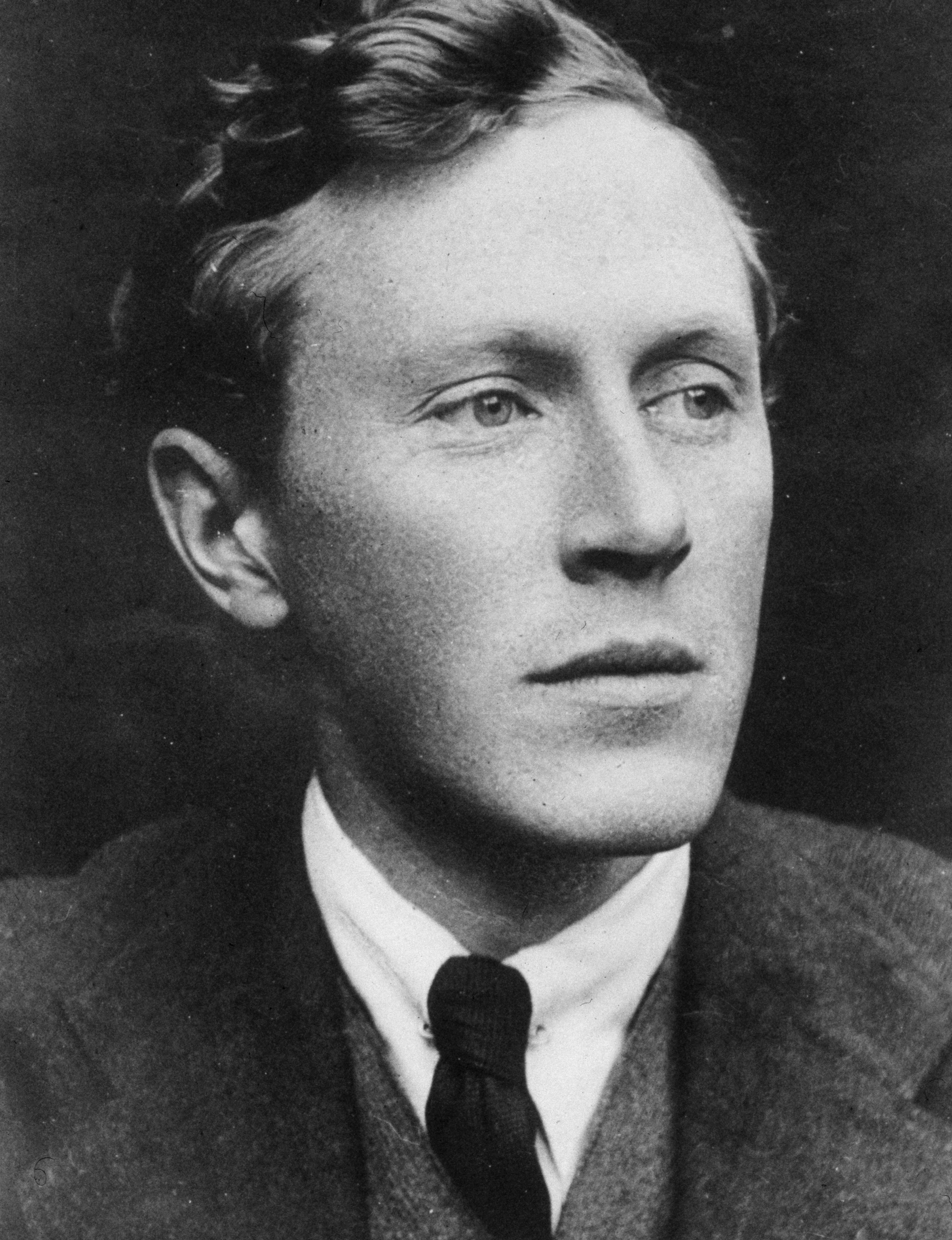
Five and a half years ago I tracked down and read an obscure novelette by long-forgotten British pulp writer James Ronald, which set me on the trail of his far-from-readily-available other works. This week, Moonstone Press published the first two in a series of reprints that will see Ronald’s entire criminous catalogue made available, and series editor Chris Verner is here to tell us all about it.

Continue reading
#1148: Little Fictions – The Dr. Britling Stories: ‘The Green Ghost Murder’ (1931) by James Ronald

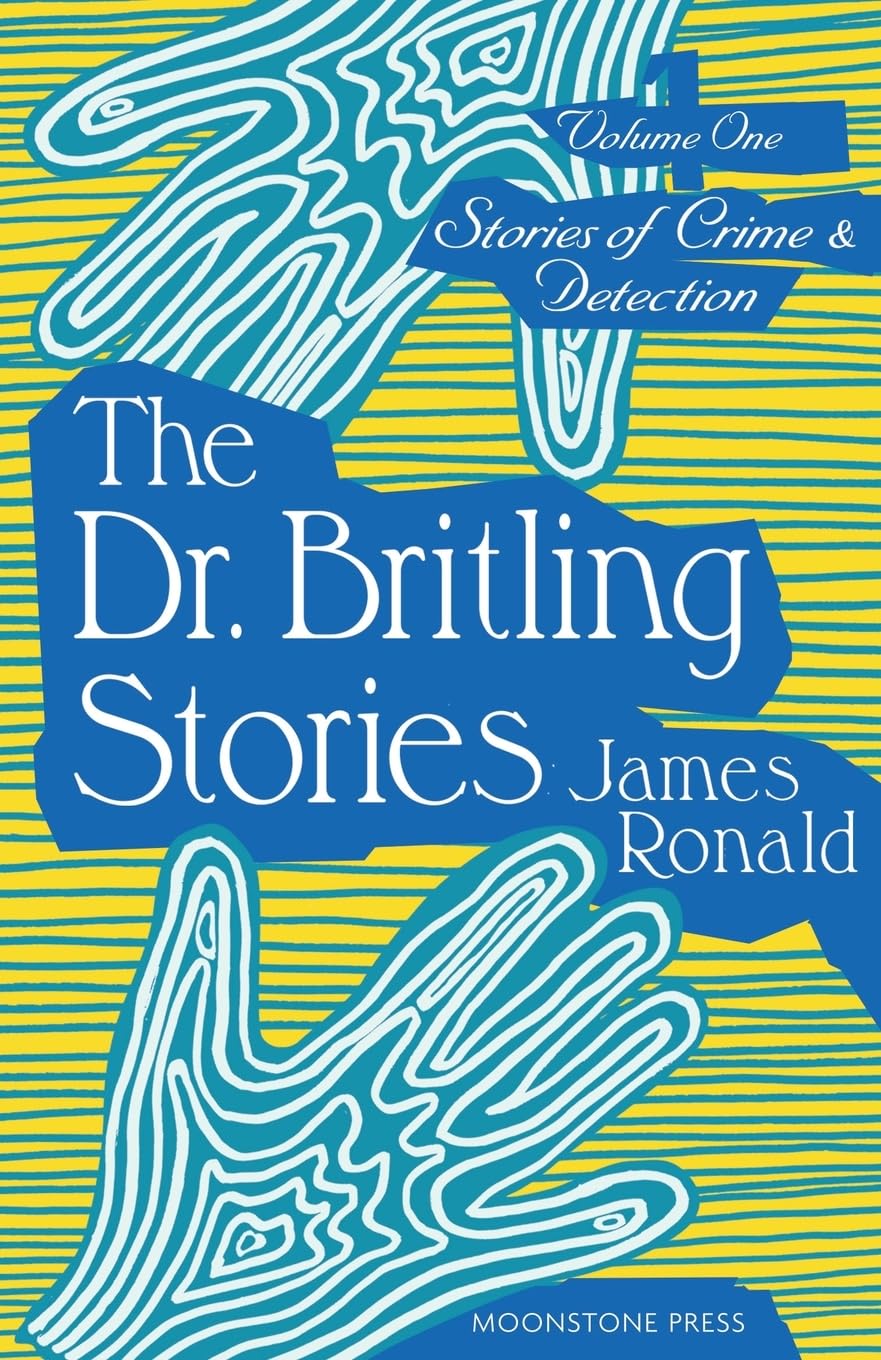
I wasn’t going to post on Tuesdays in December, but then Moonstone Press committed to republishing the crime and detective fiction of James Ronald, of whom I have been quite the fan for a few years now. And then they were generous enough to send me a copy of the first volume of tales, and, frankly, try and stop me writing about it.

Continue reading

#904: “If you knew the man, you would realize that he is mad enough for anything.” – Cross Marks the Spot, a.k.a. The Frightened Girl (1933) by James Ronald [a.p.a. by Michael Crombie]

Actress Cicely Foster, calling at the home of movie mogul Jacob Singerman to discuss a role in a ‘talkie’, is innocent enough to be shocked by his advances and fights him off, striking him on the head in the struggle before fleeing. When reporter Julian Mendoza, “the bloodhound of Fleet Street”, tracks her down and tells her that Singerman was found dead shortly after her departure, it looks bleak…but for the small matter of the corpse having been found with a bullet between his eyes.

Continue reading

#790: On the Morals of Golden Age Detective Fiction, via Crime and Detection [ss] (1926) ed. E.M. Wrong

That title is doing a lot of work, isn’t it? Fair warning: this goes on a bit.

At the online Bodies from the Library conference last weekend, I gave a talk inspired in part by E.M. Wrong’s introduction to the 1926 anthology Crime and Detection. And, in addition to coining the term “Wellington of detection” that inspired the thinking I laid out last weekend, there is plenty of material in that piece of prose to get the cogs turning.

Continue reading

#697: This Way Out, a.k.a. The Suspect (1939) by James Ronald

This Way Out frontstar filledstar filledstar filledstar filledstar filled
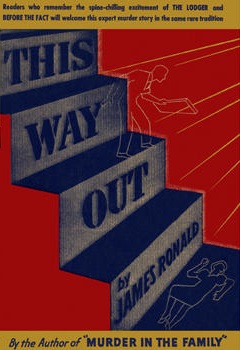
Malice Aforethought (1931) by Francis Iles, possibly the most famous novel of uxoricide ever written, begins with a line so classic it distracts you from the opening being, well, a bit dull. This Way Out (1939) by James Ronald, similarly concerned with a dissatisfied husband wishing to dispose of his wife, is happy for you to be immersed in the commonplace before hitting you with brilliant lines of its own, but would surely be more more famous if it began with the following from approximately a third of the way through: “While dawn on slippered feet crept through the silent streets Philip lay in bed examining schemes for killing his wife”.

Continue reading

#517: Murder in the Family, a.k.a. The Murder in Gay Ladies (1936) by James Ronald

Murder in the Family.jpgstar filledstar filledstar filledstar filledstar filled
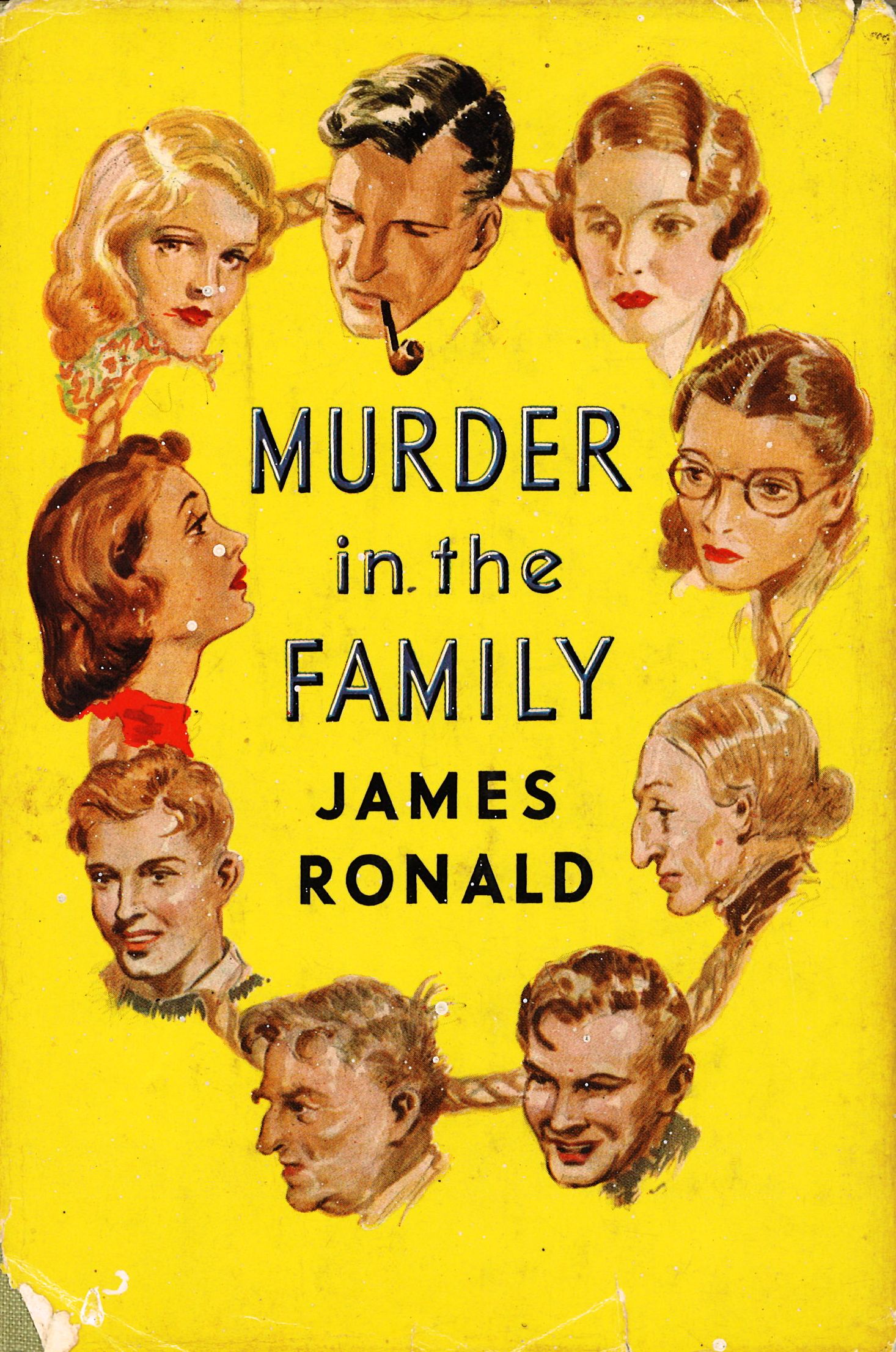
I’m nowhere near Puzzle Doctor/Brian Flynn levels of adoration yet, but there’s a good chance James Ronald could turn out to be one of my very favourite unheralded authors.  Sure, he wrote in quite a range of genres — from ‘a family’s struggles in an unfamiliar environment’ to incident-packed impossible crime novels and, presumably, just about anything in between — and the frank unavailability of so many of his books is going to make tracking him down long and, given the spread of genres, at times possibly unrewarding work, but when he’s good, boy is he good.  As in the case of the Osborne Family Murder — with ‘family’ being very much the key word here.

Continue reading

#463: They Can’t Hang Me (1938) by James Ronald

They Can't Hang Me HBstar filledstar filledstar filledstar filledstar filled
My first encounter with James Ronald was via the puply and hugely entertaining Six Were to Die (1932), in which six business associates found their lives threatened by an ex-colleague they had wronged, and were killed one by one in ingenious ways.  Six years later, he wrote They Can’t Hang Me (1938), in which four business associates find their lives threatened by an ex-colleague they have wronged, and are killed one by one in ingenious ways.  And, hell, when the book is this good, I wouldn’t mind if he’d written this plot another 25 times.  In fact, I wish he had.  This, my friends, is a little beauty.

Continue reading