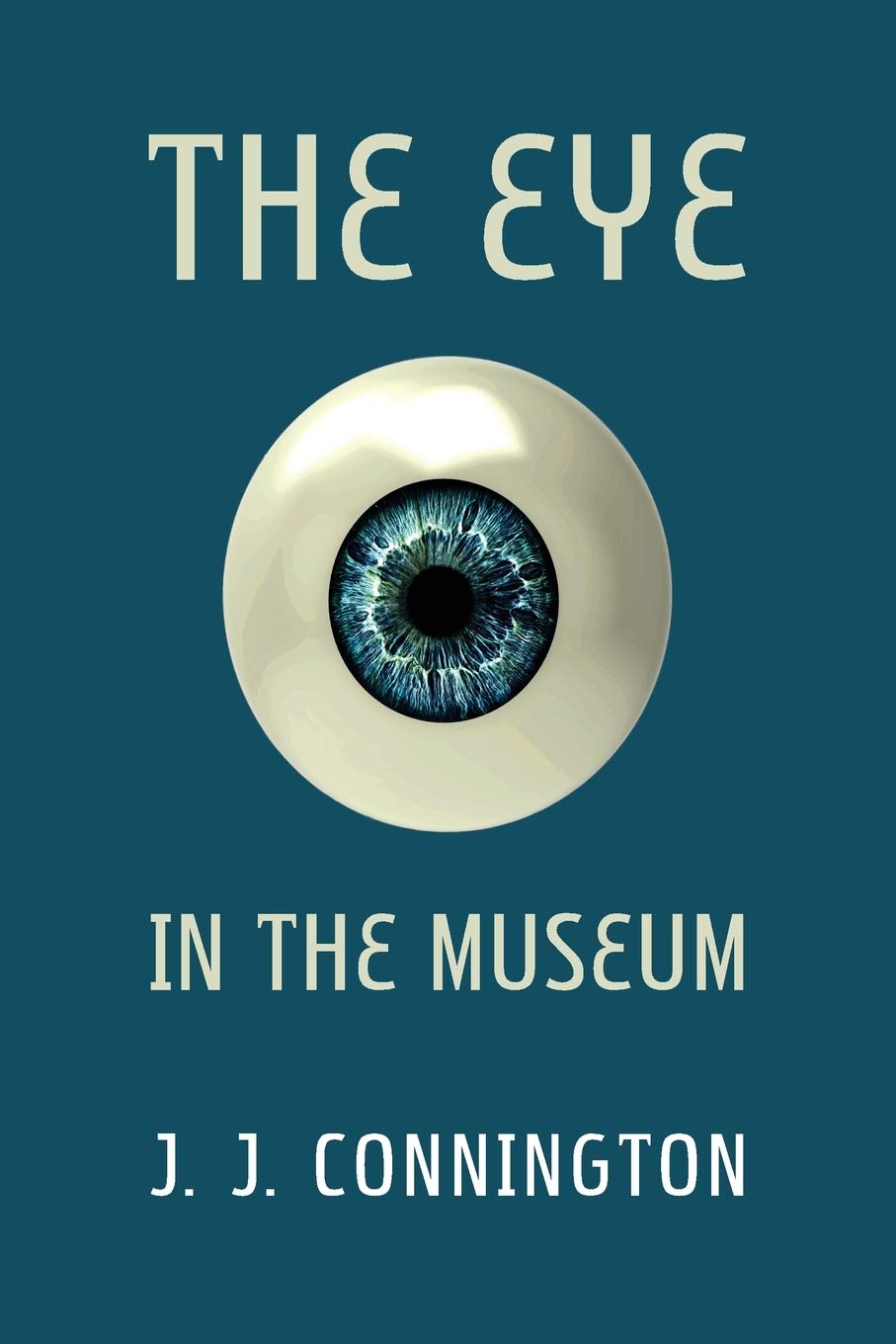
#794: The Eye in the Museum (1929) by J.J. Connington

Eye in the Museum

star filledstarsstarsstarsstars
Having recently discussed with Martin Edwards the efforts writers can go to in order to keep things fresh, I can understand how, after five books in three years featuring Sir Clinton Driffield as sleuth, J.J. Connington would fancy a change. This might be unfair to Driffield, however, for the simple fact that the plot Connington cooked up for The Eye in the Museum (1929) is about the dullest thing anyone would put on paper in that decade. With interview after interview after interview after interview, we’re not Dragging the Marsh (© Brad Friedman) so much as dying inside. No, that’s not clever; this book has left me unable to care.

Continue reading →

#793: Minor Felonies/Little Fictions – ‘Mr. Manning’s Money Tree’ (1958) and ‘Larceny and Old Lace’ (1960) by Robert Arthur

It would be difficult to overstate the respect I have for the work done by Robert Arthur in the mystery genre. From creating The Three Investigators to turning out highly enjoyable fair-play mysteries for younger (and older) readers, the man displayed a brilliant creativity and a talent for diversity that makes every encounter with him a joy.

Continue reading →

In GAD We Trust – Episode 21: The Diversity of Approaches to Detective Fiction [w’ Martin Edwards]

The detective fiction genre is built around the essential structure of a crime, an investigation of that crime, and the revelation of the guilty party who committed the crime, and good heavens didn’t the Golden Age map out a lot of different ways to walk that path. And there are few people better placed to discuss this than President of the Detection Club and recent recipient of the CWA Diamond Dagger Martin Edwards, who celebrates three decades as a published author this year.

Continue reading →

#791: Death at Breakfast (1936) by John Rhode

Death at Breakfast

star filledstar filledstar filledstarsstars
Is it damning Cecil Street with disgustingly faint praise to say that he has become the author about whose work I am most likely to say “Yeah, that’s pretty much what I expected”? Whether writing as Miles Burton or as John Rhode, he generally gives you a moderately interesting puzzle that would have been better if a little more time were devoted to its structure and contents. My admittedly small sampling of his work doesn’t display the variety of Freeman Wills Crofts nor the creative construction and elucidation of R. Austin Freeman, and that’s…fine. But given the materials at his fingertips it’s also…a little disappointing.

Continue reading →

#790: On the Morals of Golden Age Detective Fiction, via Crime and Detection [ss] (1926) ed. E.M. Wrong

That title is doing a lot of work, isn’t it? Fair warning: this goes on a bit.

At the online Bodies from the Library conference last weekend, I gave a talk inspired in part by E.M. Wrong’s introduction to the 1926 anthology Crime and Detection. And, in addition to coining the term “Wellington of detection” that inspired the thinking I laid out last weekend, there is plenty of material in that piece of prose to get the cogs turning.

Continue reading →

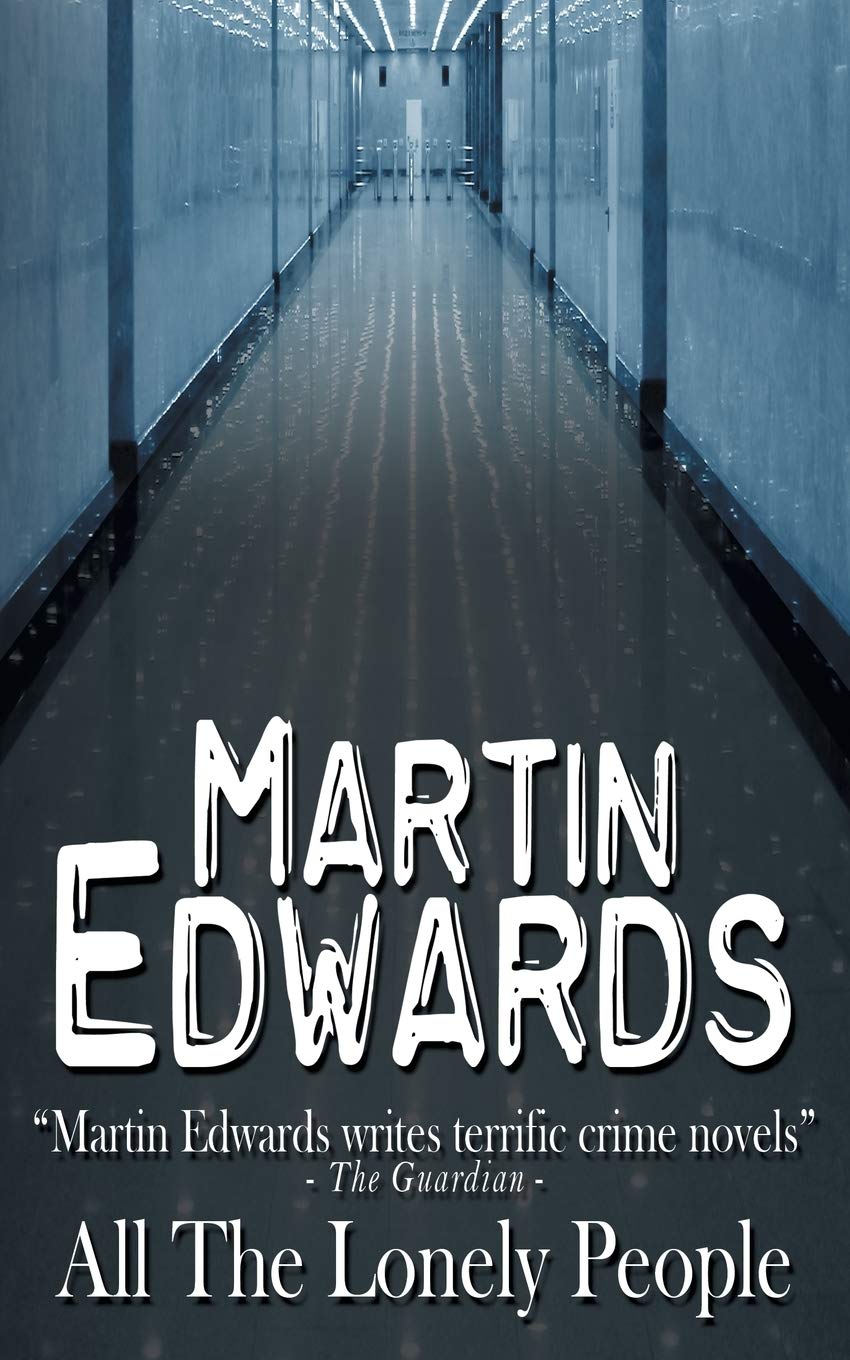
#788: All the Lonely People (1991) by Martin Edwards

All the Lonely People

star filledstar filledstar filledstar filledstars
Earlier this year, when I spoke with Steve about modern authors writing in the Golden Age tradition, he reminded me that I’d not read any of Martin Edwards’ series of Liverpool-set novels featuring solicitor Harry Devlin.  Back when modern crime fiction commanded more of my attention, Robert Crais had led me to Michael Connelly, who led me to Ian Rankin, who led me to John Harvey, who then led me to Edwards’ Lake District novels The Coffin Trail (2004) and The Arsenic Labyrinth (2007), but his earlier series eluded me.  So, at long last, here we are at All the Lonely People (1991) — the debut for author and character both, which turns 30 this year.

Continue reading →

#787: “My methods of defence are based on demonstration rather than rhetoric…” – The Magic Casket [ss] (1927) by R. Austin Freeman

At 1.30pm UK time today, the Bodies from the Library Conference starts online for the delectation of classic detection fans the world over. As my talk is due to be about detection, I thought I’d turn that into a flimsy excuse to write about one of my favourite discoveries of recent years: Dr. John Evelyn Thorndyke.

Continue reading →

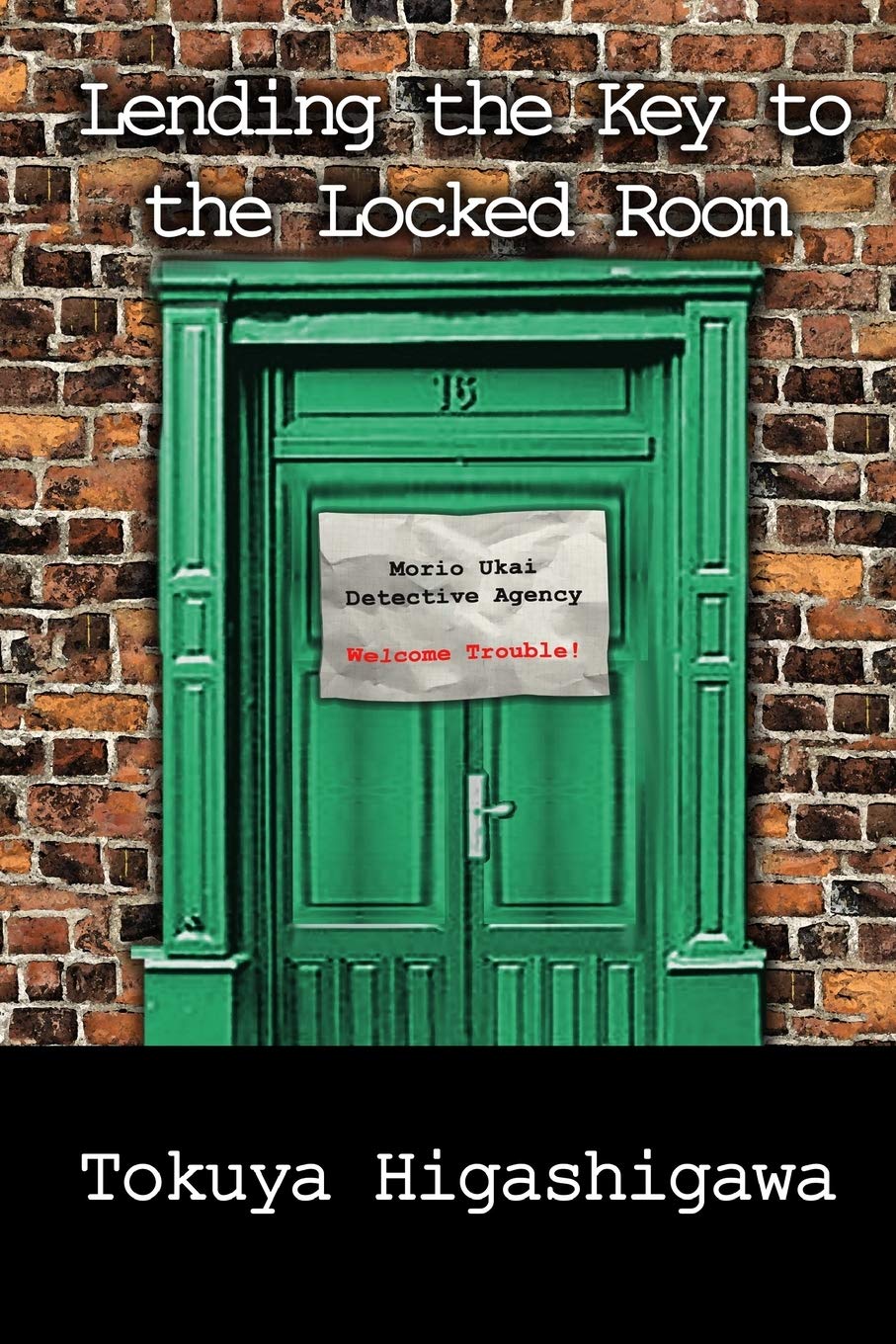
#786: Lending the Key to the Locked Room (2002) by Tokuya Higashigawa [trans. Ho-Ling Wong 2020]

Lending the Key to the Locked Room

star filledstar filledstar filledstarsstars
The sixth translation of (shin) honkaku by Ho-Ling Wong under the auspices of Locked Room International, Lending the Key to the Locked Room (2002) is a paean to the glory days of the complex puzzle plots of the 1930s while oddly frugal in its own plotting and characterisation. Delightfully self-aware at times in a manner that (to my taste) never succumbs to the danger of outstaying its welcome, the savvy elements of this debut are undercut by issues elsewhere: a reliance on concidence, a tiny cast with very little to misdirect into, and the sheer amount of irrelevant information that carries you through.

Continue reading →