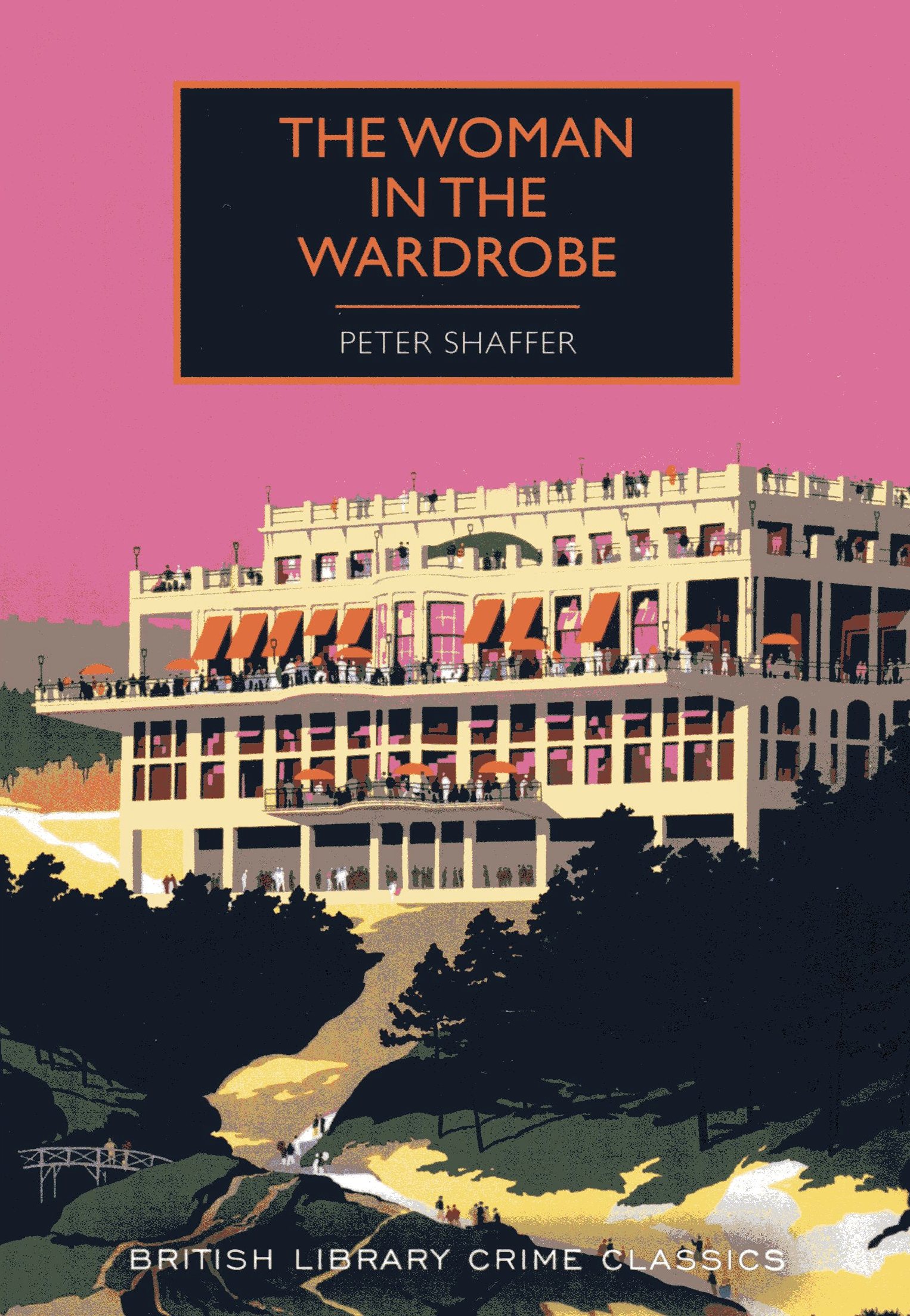


The one thing a book cannot guard against is the expectations that build up around it — and the rarer a book proves to be, the more apocryphal its contents, the higher those expectations tend to rise. The Woman in the Wardrobe (1951) by Peter Shaffer has been staggeringly unobtainable for decades now and, with no less an authority than Robert Adey promising “a brilliant new solution” for its locked room murder, had much to live up to. We can’t blame the book for the solution not being new — not even slightly, Bob — but we can blame it for the flaws that disappointingly crop up in several key regards.
Reviews
#712: The Thursday Murder Club (2020) by Richard Osman
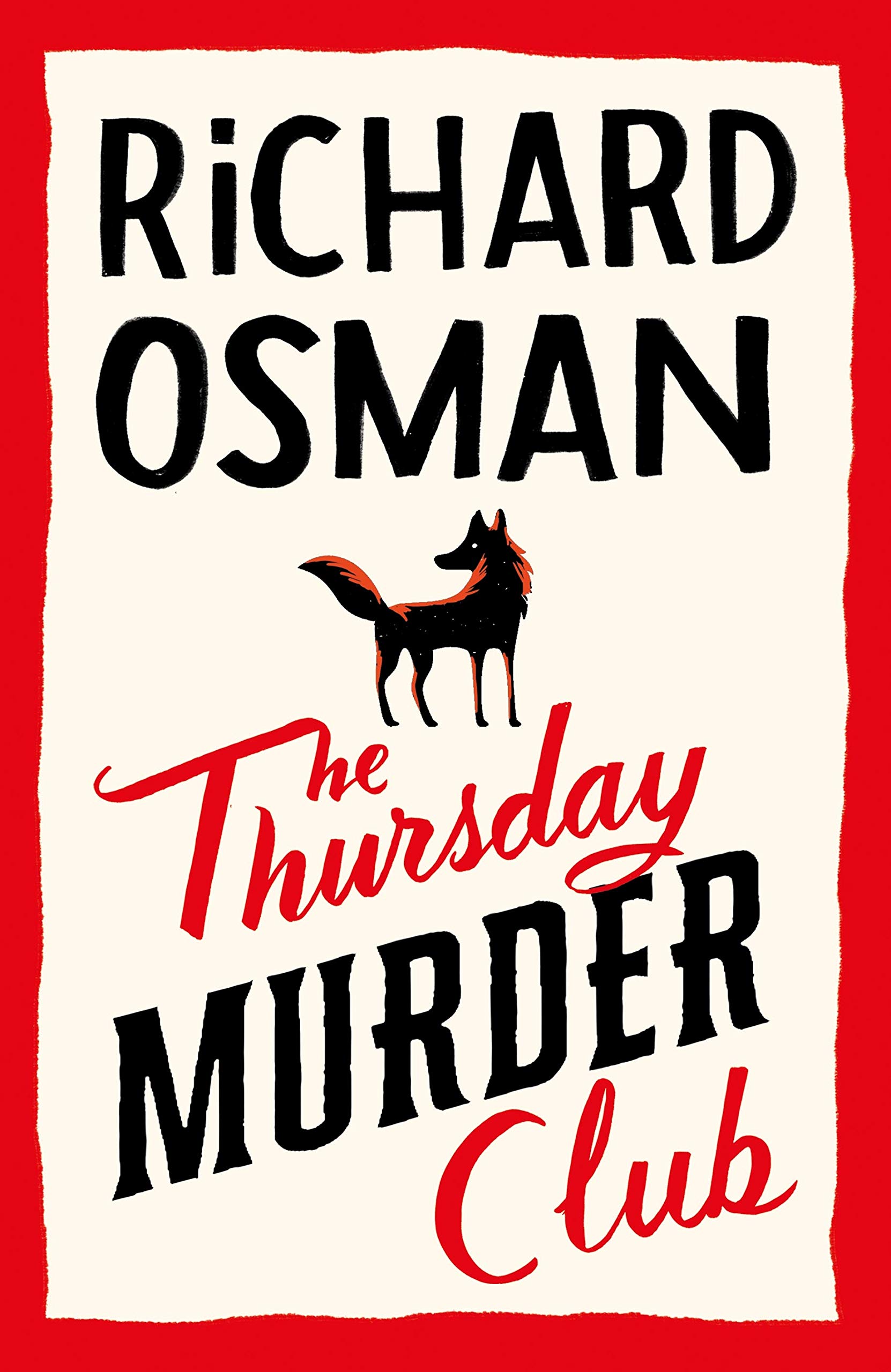
I really should not have enjoyed The Thursday Murder Club (2020) as much as I did. I’m an avowed devotee of the rigour of Freeman Wills Crofts and I have a nerdy podcast where we get far too serious about the minutiae of classic era detective fiction, for pity’s sake — a lightly comedic crime novel in which a group of septuagenarians inveigle their way into a murder investigation while worrying about the quality of supermarket own-brand biscuits should not raise from me even a curious eyebrow. And yet, honestly, I loved it. I don’t think I’ve been this charmed in years, and I haven’t laughed so much and so helplessly since reading Catch-22 (1961) when I was about 17.
#710: “And what would you call the right surroundings for reading a ghost story?” – The Dead Sleep Lightly (1983) by John Dickson Carr [ed. Douglas G. Greene] Part 2 of 2

Two weeks ago I looked at the first four plays in this collection, so let’s get on the with final five.
Continue reading#709: The African Poison Murders, a.k.a. Death of an Aryan (1939) by Elspeth Huxley
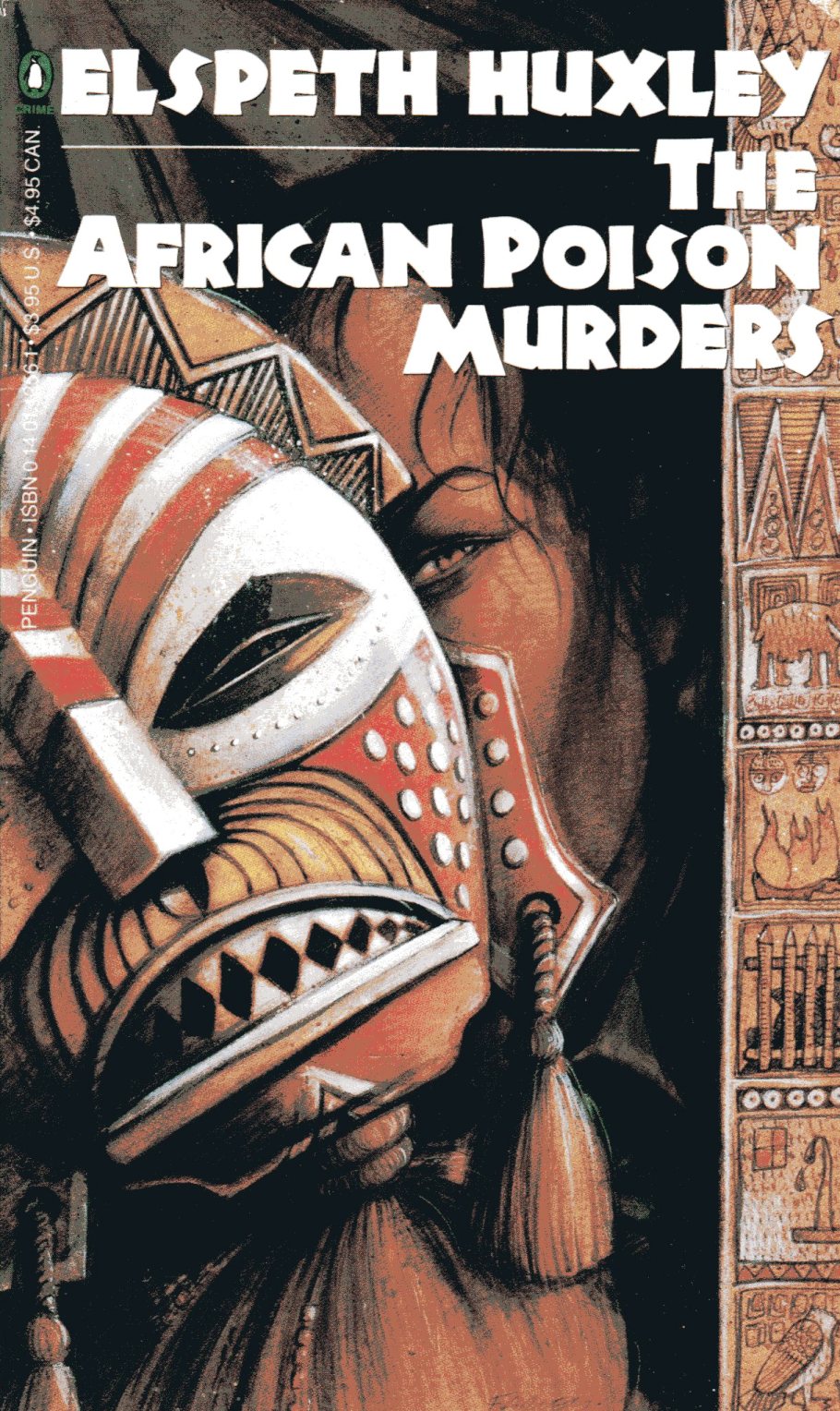
Elspeth Huxley’s Murder on Safari (1938) used its uncommon milieu and the author’s own experiences of life in Kenya as a young girl to enrich what might have otherwise been a ham-handed attempt to introduce some ‘variety’ into the annals of detective fiction. Its reliance on the trappings of safari life, and on the general ignorance of her policeman Superintendent Vachell to introduce the unfamiliar aspects to the reader, worked well with some unusual clues to mark it out as a very accomplished piece of detective fiction…right up until the reveal of the killer, when it all sort of fell apart. And lightning, it seems, has struck twice…
#706: The Case of the April Fools (1933) by Christopher Bush
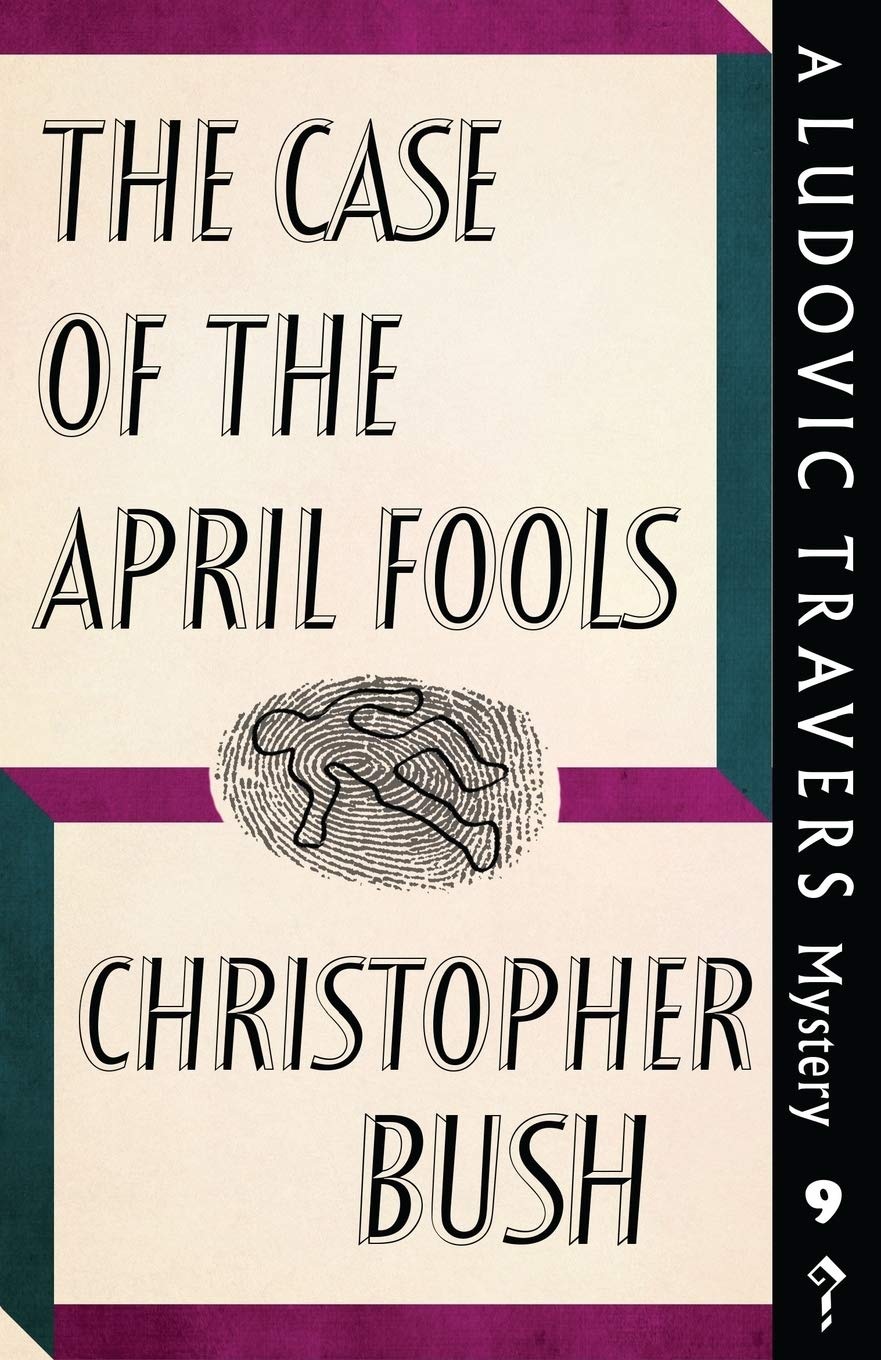
Three years. That’s how long ago TomCat’s review of The Case of the April Fools (1933) typified Christopher Bush’s writing as falling “halfway between Freeman Wills Crofts and John Dickson Carr”. So I read the oft-celebrated Cut-Throat (1932) and didn’t really get on with it and then, to be honest, other books intruded and I simply never got back to Bush. I wasn’t avoiding him, per se, and Dean Street Press had gamely recommended Bush’s twentieth novel The Case of the Green Felt Hat (1939) as possibly more to my liking…but, in these reprint-rich times, it can be difficult to keep up, y’know?
#704: “That’s an interesting choice of phrase, young man…” – The Dead Sleep Lightly (1983) by John Dickson Carr [ed. Douglas G. Greene] Part 1 of 2
It’s fair to say that no-one has done more for the curation of John Dickson Carr’s work than Douglas G. Greene: collecting various obscure short pieces in the likes of The Door to Doom and Other Detections (1980), Merrivale, March, and Murder (1991), and Fell and Foul Play (1991), writing the staggeringly comprehensive (and recently reprinted) biography The Man Who Explained Miracles (1995), and enabling, through Crippen & Landru, publication of two — soon to be three — collections of Carr’s radio scripts edited by Tony Medawar.
Continue reading#703: The D’Arblay Mystery (1926) by R. Austin Freeman
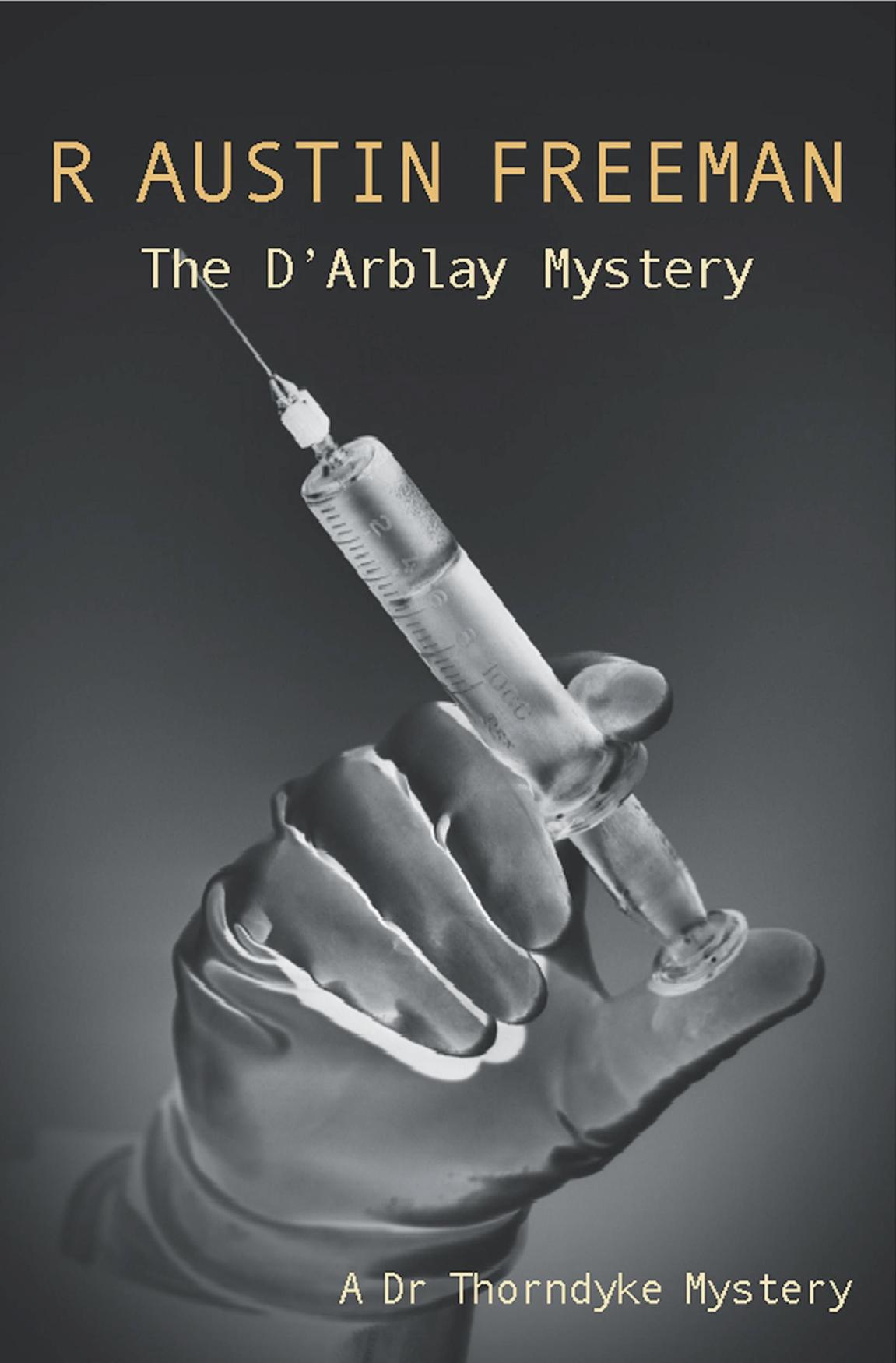
After a two month blogging hiatus in which I cleared a lot of lingering chaff from my TBR, it was wonderful to pick The D’Arblay Mystery (1926) as the first book for my return and love the absolute socks off of it. Having now acclimatised myself to the faintly pedantic verbiage of Richard Austin Freeman, I’m happy to acknowledge my parsimony in giving the masterful Mr. Pottermack’s Oversight (1930) — my first encounter with the author’s long-form work — a mere four stars and to correct that error here with the gloriously involving puzzle of Julius D’Arblay’s murder. While in many ways a thoroughly unsurprising book, in the ones that count it is joy unconfined to my GAD-happy soul.
 The Invisible Event