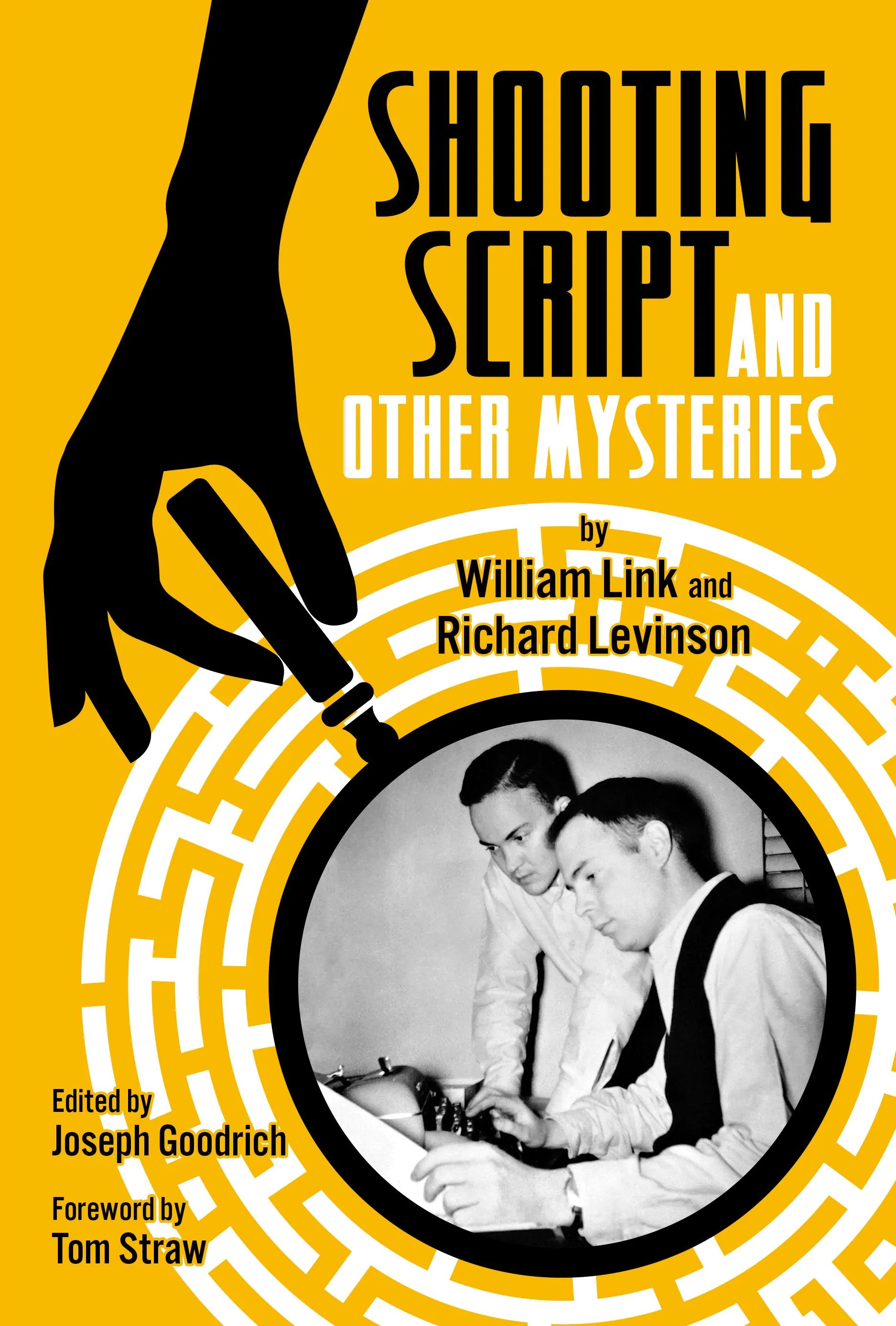
William Link and Richard Levinson are undoubtedly best known today for their work done in creating TV crime-fighters Lieutenant Columbo, Jessica Fletcher, Joe Mannix, and Alexander and Leonard Blacke, as well as for a host of guest writing spots on other classic crime shows from the 1950s onwards. Shooting Script and Other Mysteries (2021) collects 17 stories by the pair that were published over a period of twelve years, mostly in Alfred Hitchcock’s Mystery Magazine.
Continue readingReviews
#858: The Bride Wore Black, a.k.a. Beware the Lady (1940) by Cornell Woolrich

![]()
![]()
![]()
![]()
![]()
Past Jim has a lot to answer for — this haircut, for one, or that fact that I cannot forget the embarrassment of 11:48am on 4th June 1997 — but my current frustration with him is how easily and summarily he dismissed the writing of Cornell Woolrich after reading the Nightwebs (1971) collection as part of the Orion Crime Masterworks series. Had Past Jim possessed a little more discernment (or, dare I say it, maturity), I could have been loving Woolrich’s work for the last two decades instead of coming to it so late. Yes, I got here eventually, via some short stories, some novellas, and a couple of American Mystery Classics reissues, but what is life without something to lament?
#857: Minor Felonies – The Secret Detectives (2021) by Ella Risbridger
While far from his best work, The Blind Barber (1934) by John Dickson Carr does contain the brilliant problem of a corpse appearing on a passenger liner mid-voyage with no passenger or crew member apparently having died to provide it. Ella Risbridger’s juvenile mystery debut The Secret Detectives (2021) works from the same principle, with 11 year-old Isobel Petty seeing someone thrown overboard one stormy night…and yet the next morning no-one is missing.
Continue reading#855: The Wintringham Mystery, a.k.a. Cicely Disappears (1927) by Anthony Berkeley [a.p.a. by A. Monmouth Platts]

![]()
![]()
![]()
![]()
![]()
Even though — or perhaps, because — I’m a fan of Anthony Berkeley Cox’s work, I approach him with some trepidation. At his best you get the innovative brilliance of The Poisoned Chocolates Case (1929), while among his failures is the repetitious turgidity of The Second Shot (1930) or Not to be Taken (1938). Thankfully, The Wintringham Mystery (1927), originally serialised in the Daily Mirror in 1926 before being reworked as a novel, falls squarely in the former camp: a witty, playful, brisk Country House puzzler bafflingly out of print for nearly a century that’s so good it would justify a full reprint of the man’s work on its own.
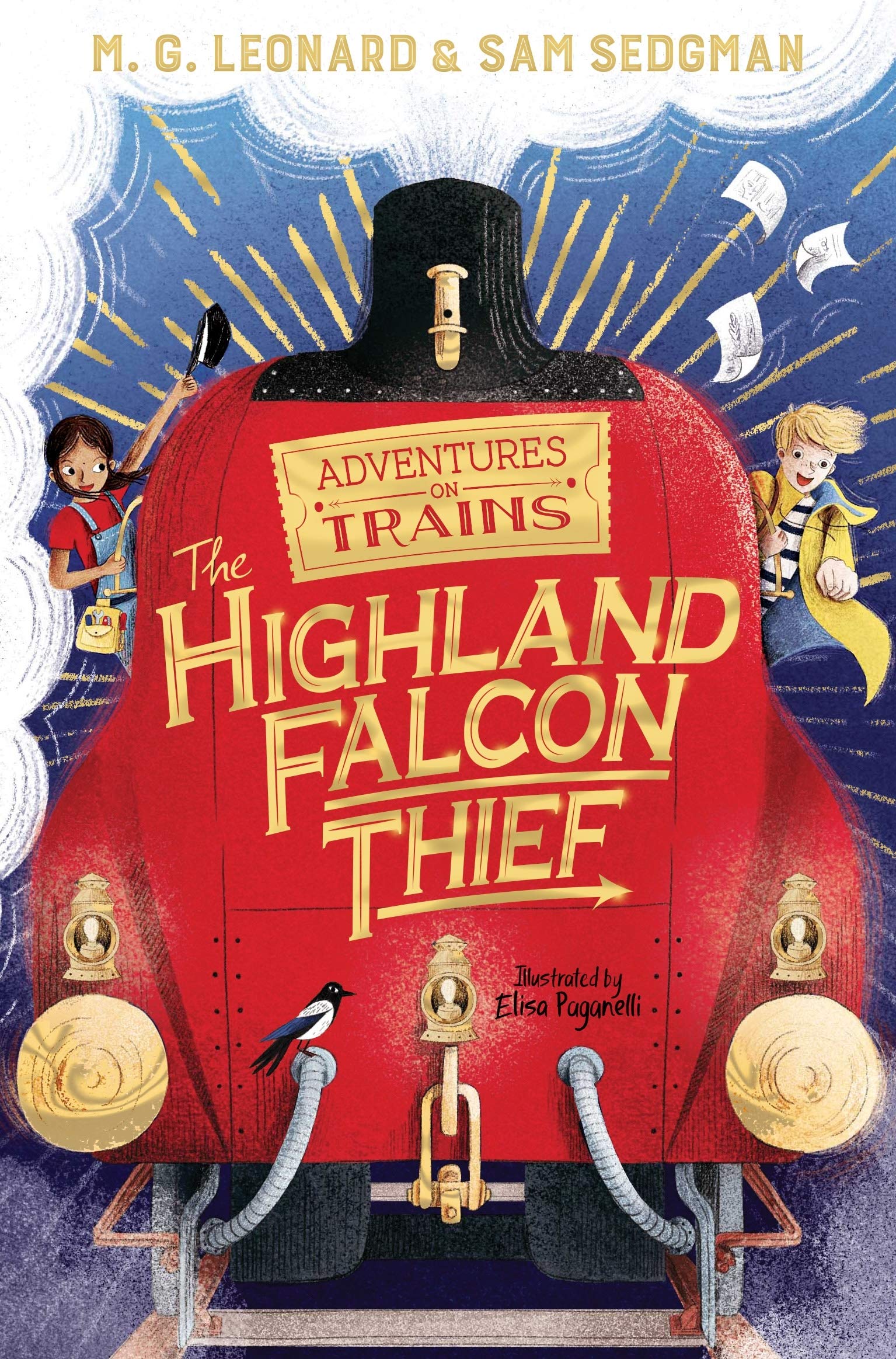
#854: Minor Felonies – The Highland Falcon Thief (2020) by M.G. Leonard and Sam Sedgman [ill. Elisa Paganelli]
The only frustration I feel towards the Adventures on Trains series by M.G. Leonard and Sam Sedgman is that I didn’t discover it sooner. Because, see, then I’d be four books deep into this wonderful, charming, clever series — with a fifth on the way soon — rather than the mere two I am.
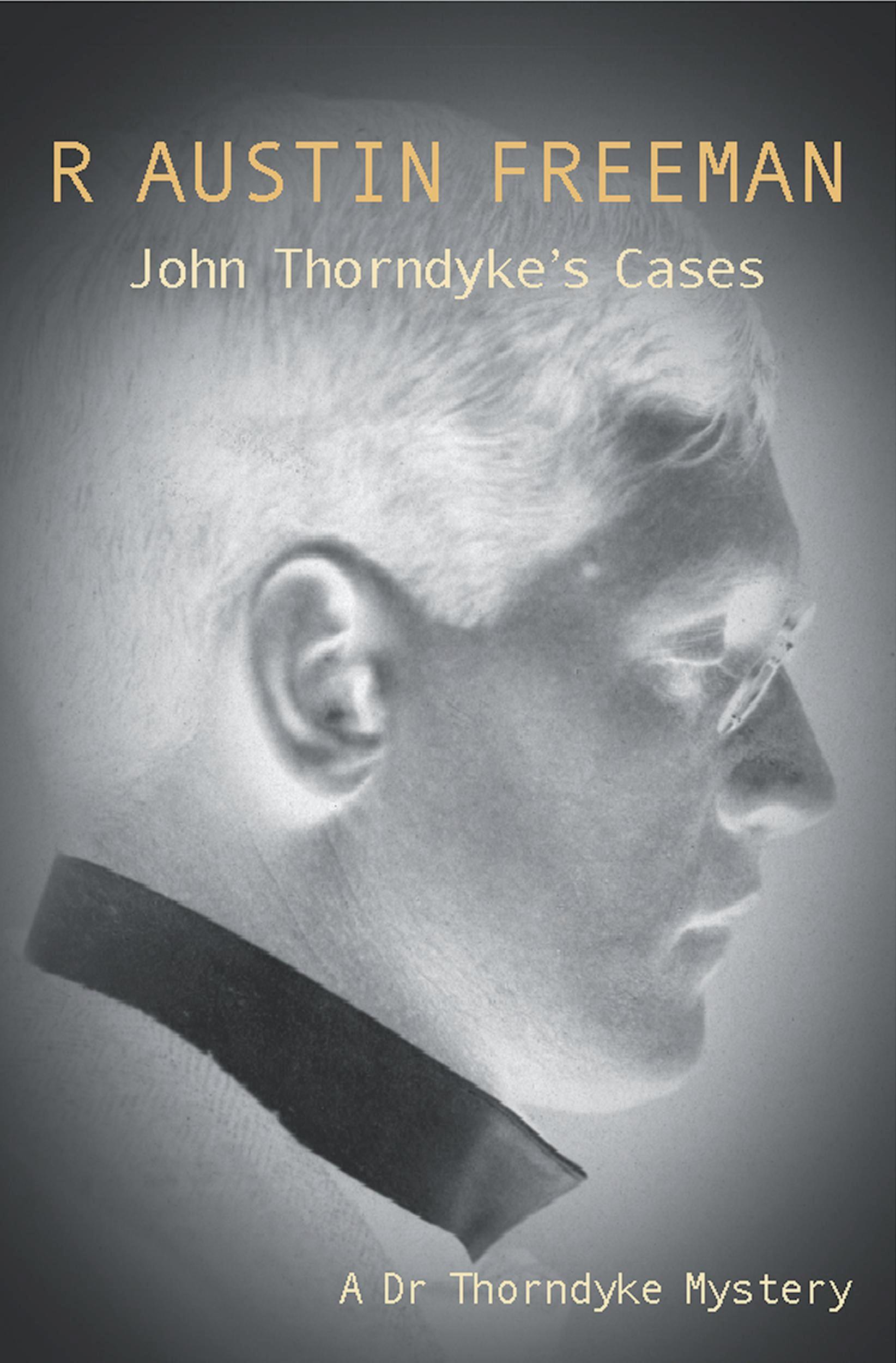
Continue reading#853: “He is an old friend, you know, and he is very much interested…” – John Thorndyke’s Cases, a.k.a. Dr. Thorndyke’s Cases [ss] (1909) by R. Austin Freeman
After a tough few months in which I have been very grateful for the support of good friends and the presence of good books, let’s discuss the latter, eh? Kicking off 2022 is John Thorndyke’s Cases (1909), the first collection of short stories to feature Richard Austin Freeman’s medical jurist.
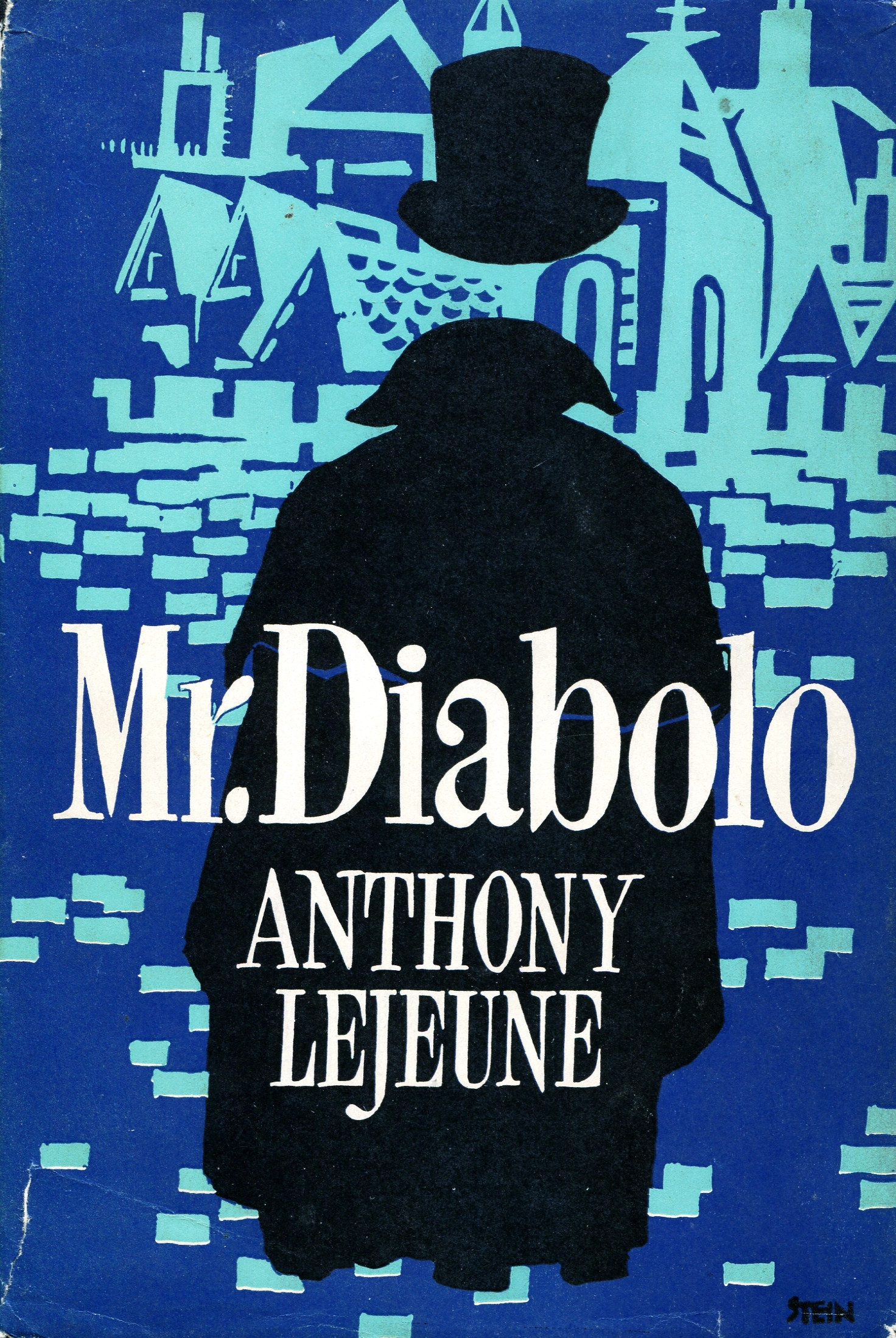
Continue reading#851: “But soon the rumours became darker…” – Mr. Diabolo (1960) by Anthony Lejeune
There are Advent calendars in the supermarkets, but I’m sticking to my guns and committing October to a study of the eldritch and shiversome in detective fiction. We have zombies stalking through, Tuesday was ghosts, Thursday was spiders, and today we’ll look at the legend of Mr. Diabolo.
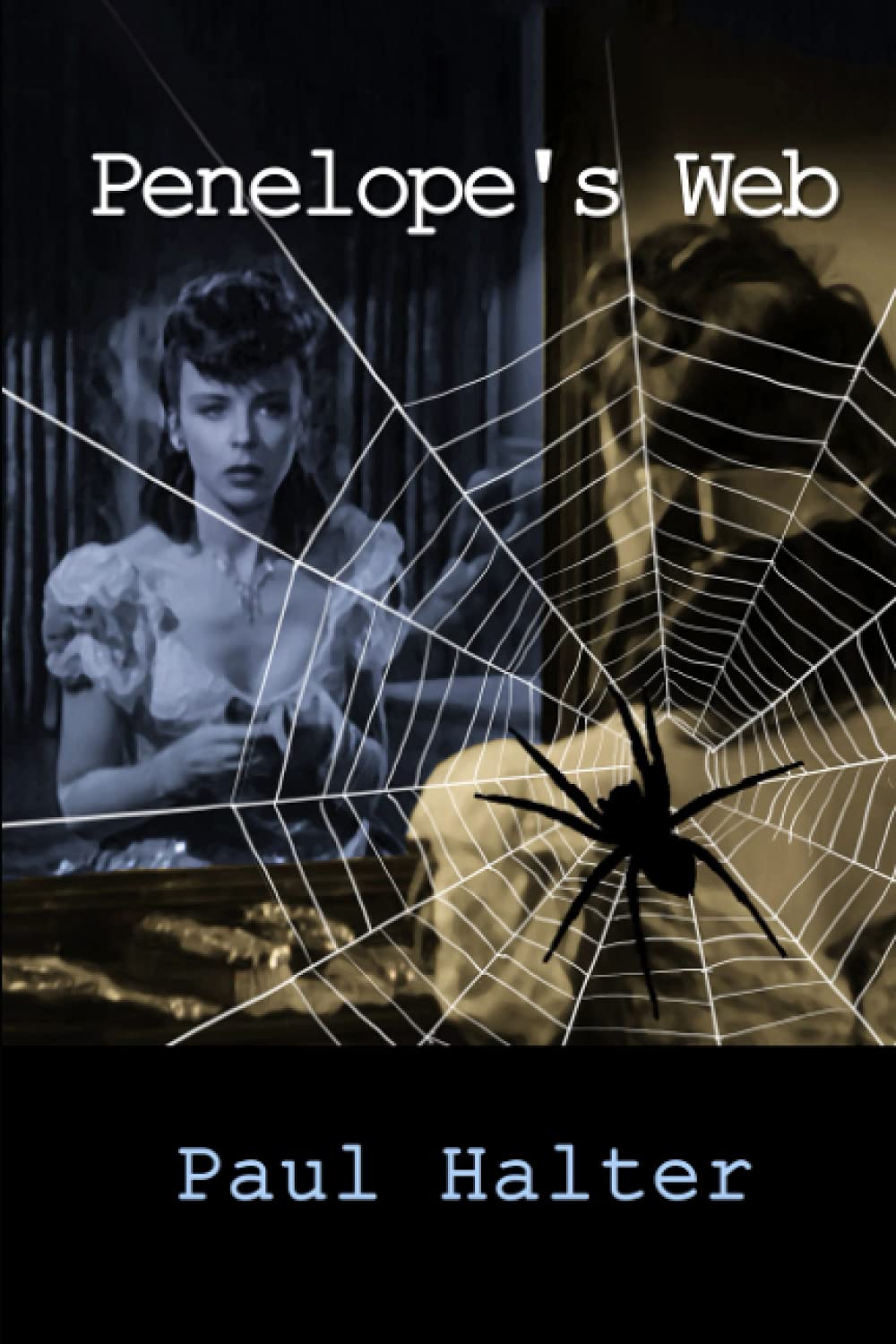
Continue reading#850: Penelope’s Web (2001) by Paul Halter [trans. John Pugmire 2021]

![]()
![]()
![]()
![]()
![]()
In my recent conversation with Nick about Jonathan Creek, I reflected on how a chance encounter with that television programme ended up having a profound effect upon my interests. No less profound an effect was brought about by my purchasing of John Pugmire’s translation of The Fourth Door (1987, tr. 1999) by Paul Halter back in 2013. The annual Halter translations Pugmire publishes through Locked Room International are a highlight of my year, having provided a window on the French mystery in the Golden Age and beyond (thanks almost entirely to Pugmire’s translations of many other classics), and being a riotously fun time along the way.
#847: “Vital and immediate. Vital and immediate.” – ‘Secret Radio’ [rp] (1944) by John Dickson Carr
If you were fortunate enough to get one of the 150 hardcover editions of The Island of Coffins and Other Mysteries from the Casebook of Cabin B-13 (2020) by John Dickson Carr — and I was — you also got an additional pamphlet containing the play ‘Secret Radio’ (1944). And so, having completed my reviews of the collection proper, I turn my attention to this delightful appendix.
Continue reading#846: Eight Faces at Three, a.k.a. Death at Three (1939) by Craig Rice

![]()
![]()
![]()
![]()
![]()
At the risk of upsetting the accepted order of things, I have a serious question: in placing Queens of Crime alongside Agatha Christie, why is the scope always so narrow? The Sayers-Marsh-Allingham-Tey debate rages ever onward, but, after reading just two of her novels, I’m going to throw a hat labelled ‘Craig Rice’ into the ring and stand back to see what happens. Her debut Eight Faces at Three (1939) ain’t perfect, and the review will explain in more detail, but to summarise: buy this now, because we need to convince the American Mystery Classics that a full reprint of Craig Rice is something they should commit to. You can thank me later.