Following my recent podcast chat with M.G. Leonard and Sam Sedgman, and the nomination of this very title for an Edgar award, let’s catch up with the Adventures on Trains series. “It’s unlikely we’ll encounter another adventure quite like the last one,” Nathaniel Bradshaw tells his nephew Harrison ‘Hal’ Beck as they take their seats on the California Comet. But we readers, aware that the title of this book is Kidnap on the California Comet (2020), know better…
Continue readingReviews
#876: The Village of Eight Graves (1951) by Seishi Yokomizo [trans. Bryan Karetnyk 2021]

![]()
![]()
![]()
![]()
![]()
If ever you come back, there will be blood! Blood! So runs the anonymous note melodramatically warning 29 year-old Tatsuya Terada against returning to the isolated Village of Eight Graves, out of which he was smuggled as a toddler. However, it seems that he is the heir to the Tajimi family fortune, which in turn links him inextricably to the terrible violence that traumatised the village 26 years ago, and give many cause to see him as a bird of ill omen. Sure enough, upon his arrival at his wealthy family’s vast estate, people start to die. Quite a lot of people. People who were very much alive before Tatsuya Tajimi showed up.
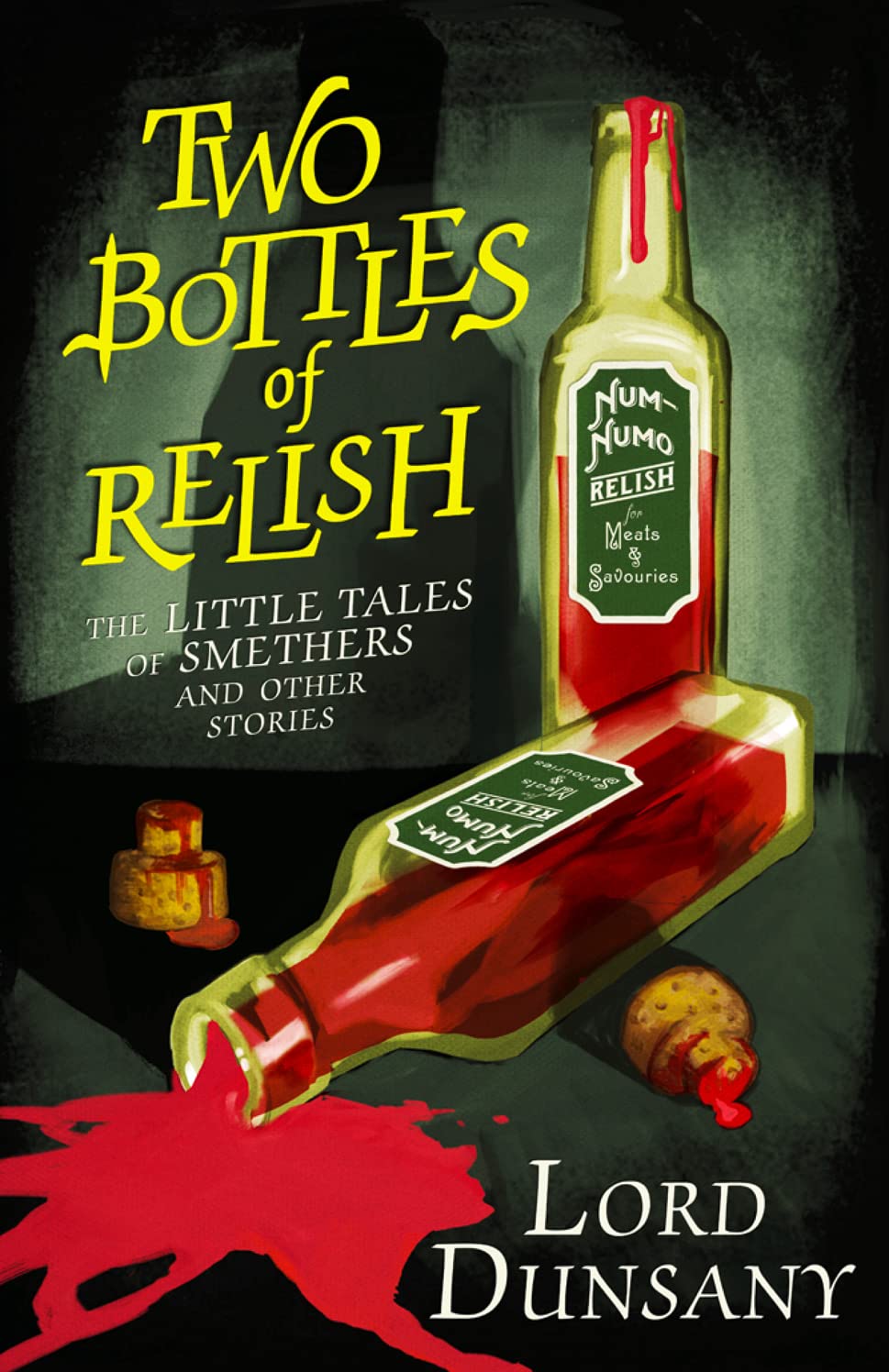
#875: Little Fictions/The Cornerstones – Two Bottles of Relish and Other Stories, a.k.a. The Little Tales of Smethers [ss] (1952) by Lord Dunsany
Well, look, it was bound to go wrong, wunnit? In four weeks of reading and writing about Cornerstone titles, assessing their merits and examining whether I felt they added anything to the corpus of detective fiction, I should have foreseen coming across one absolute dud. And trust me to get confident after three (largely) enjoyable weeks and leave this too late to replace with anything else, eh? Right, let’s get this over with.
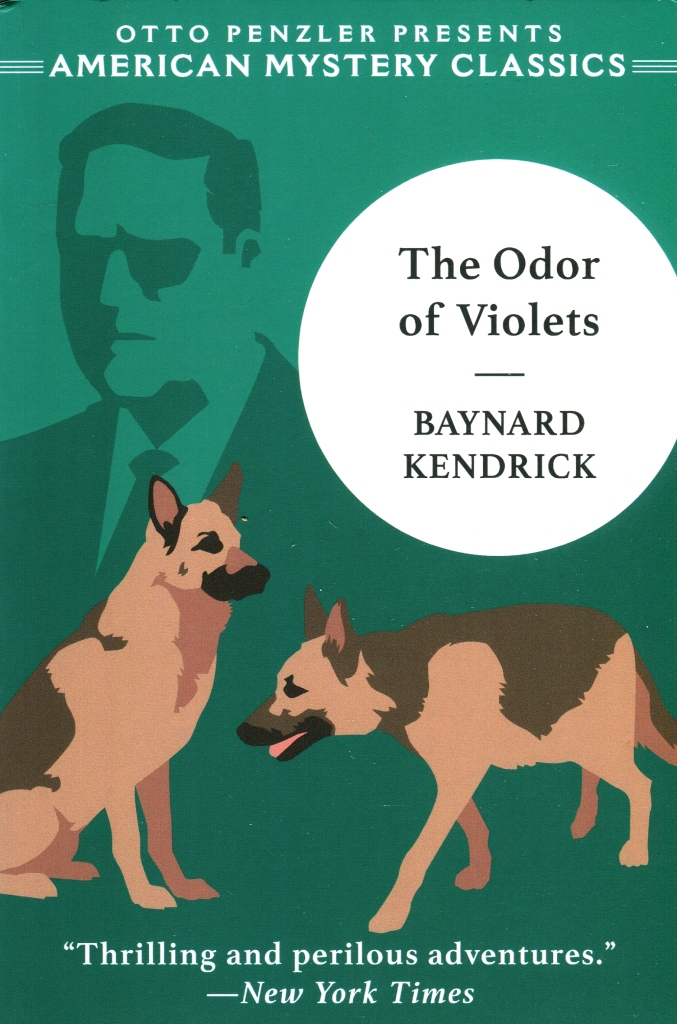
Continue reading#873: The Odor of Violets, a.k.a. Eyes in the Night (1941) by Baynard Kendrick
![]()
![]()
![]()
![]()
![]()
The hybrid mystery — typically, though not always, a blend of clue-gathering detection and pulse-racing thrills — is a tricky proposition, since it often smashes together two styles of writing and plotting that don’t make the most comfortable of bedfellows. The best example, to my mind, is John Dickson Carr’s underappreciated masterpiece The Punch and Judy Murders, a.k.a. The Magic Lantern Murders (1936), published under his Carter Dickson nom de plume, which solves this oft-discordant clash by keeping the breathless chases to its first three-quarters before revealing itself as a cannily-clued mystery in the closing stages.
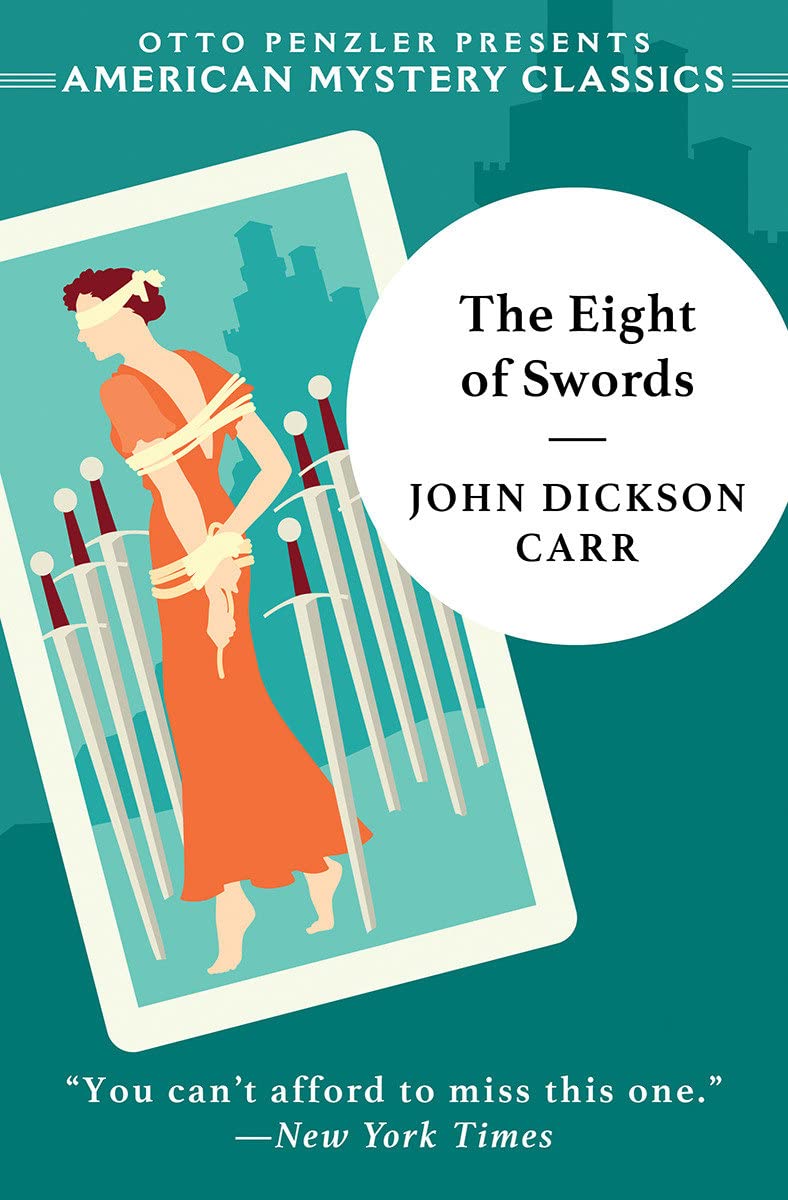
#870: The Eight of Swords (1934) by John Dickson Carr

![]()
![]()
![]()
![]()
![]()
The recent undoing of whatever logjam had prevented the reissuing of John Dickson Carr’s novels is a cause for much celebration among fans of classic detective fiction. It Walks by Night (1930), Castle Skull (1931), The Lost Gallows (1931), The Corpse in the Waxworks (1932), Hag’s Nook (1933), The Mad Hatter Mystery (1933), The Plague Court Murders (1934), The Crooked Hinge (1938), The Case of the Constant Suicides (1941), She Died a Lady (1943), and Till Death Do Us Part (1944), can now be bought easily for sensible money, finally providing some company for The Hollow Man (1935), which had been flying the flag in bookshops toute seule for decades now.
#869: Little Fictions/The Cornerstones – The Silent Bullet [ss] (1912) by Arthur B. Reeve
Another week, another Cornerstone; this time, it’s “the American Sherlock Holmes” Craig Kennedy, creation of Arthur B. Reeve and a wildly popular character in his day.
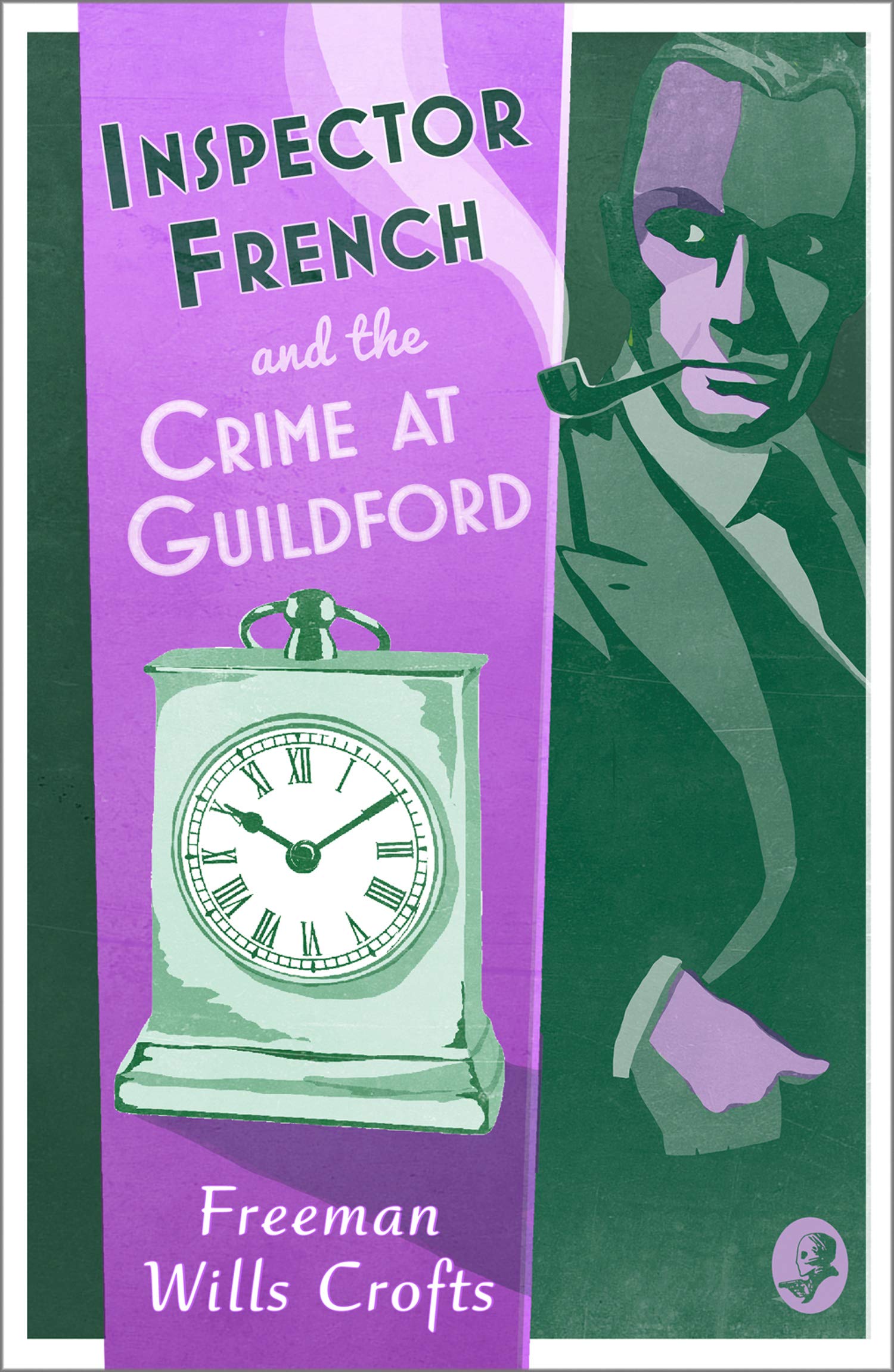
Continue reading#867: Crime at Guildford, a.k.a. The Crime at Nornes (1935) by Freeman Wills Crofts

![]()
![]()
![]()
![]()
![]()
Five members of the board of Nornes Limited, a London-based jewellers, meet one Saturday evening at the home of the company’s managing director to discuss the dwindling health of the business away from the prying eyes of their competitors. On Sunday morning, one of the men is discovered dead in bed, and the doctor who is summoned to examine the body proves unwilling to offer a death certificate. Little do Nornes, Ltd. know it, but their problems are only just beginning, as Monday morning reveals the execution of a theft that will sink their business if the loot is not recovered. Enter DCI Joseph French.
#866: Little Fictions/The Cornerstones – The Amateur Cracksman, a.k.a. Raffles [ss] (1899) by E.W. Hornung
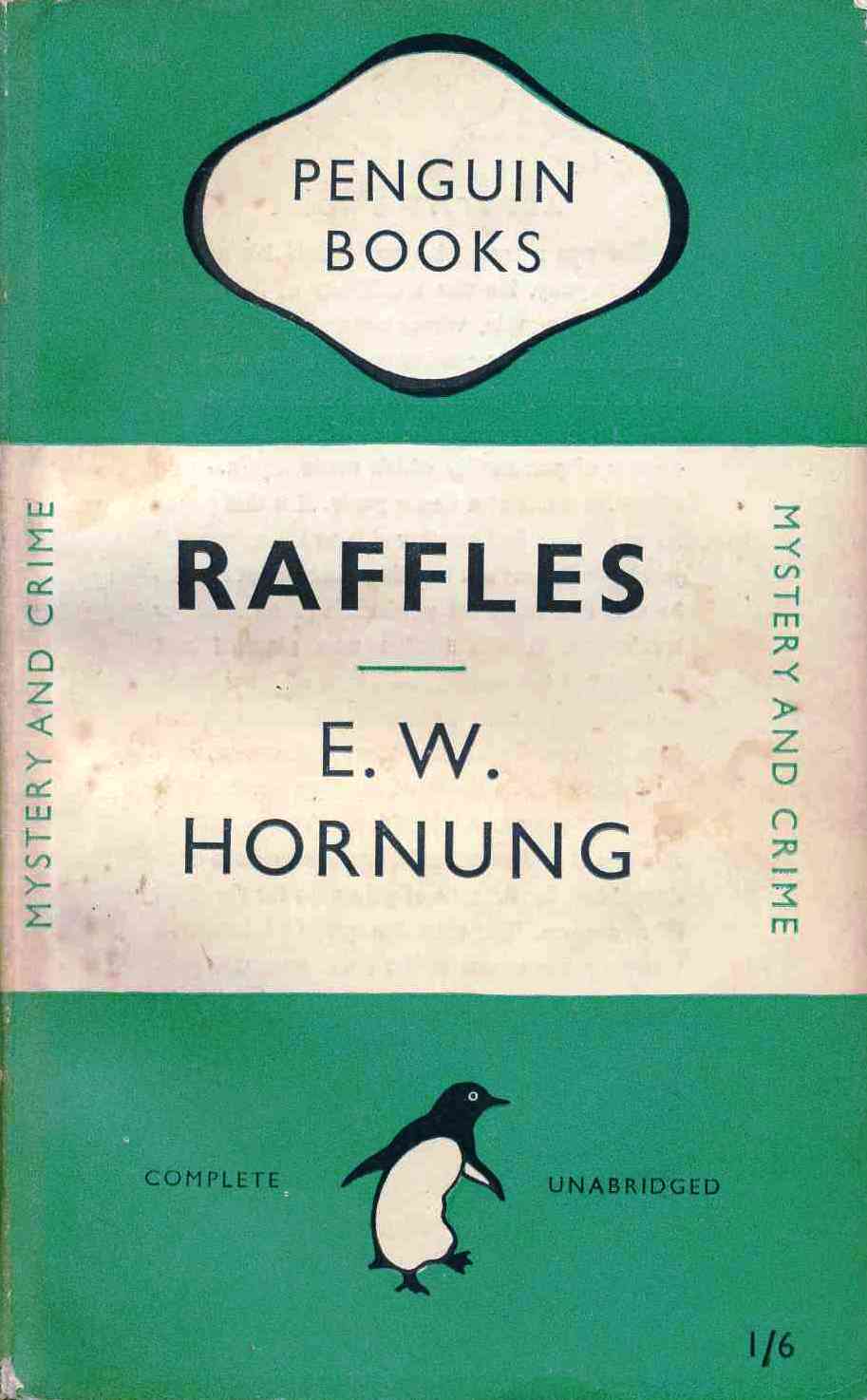
As discussed previously, Tuesdays in February will feature four collections of short stories on the Haycraft-Queen Cornerstones list, selected on account of my ever-growing interest in what the genre looked like before the advent of the Golden Age in (no arguments here…) 1920. Confusingly, my 1950 green Penguin paperback of gentleman thief Raffles stories by E.W. Hornung shown above contains 14 tales, only the first eight of which concern us today, comprising as they do the first collection to feature the character, The Amateur Cracksman (1899).
Continue reading#864: The Invisible Host, a.k.a. The Ninth Guest (1930) by Gwen Bristow and Bruce Manning

![]()
![]()
![]()
![]()
![]()
An unknown host invites a disparate group of people to an isolated location, and then informs them of the plan to kill them one by one; accusation and counter-accusation is high on the agenda, but the deaths come regularly no matter what our invitees do. That The Invisible Host (1930) by husband-and-wife team Gwen Bristow and Bruce Manning shares some core DNA with And Then There Were None (1939) by Agatha Christie isn’t in doubt. What makes this fascinating reading, quite apart from its brisk pace and very entertaining setup, is seeing how different minds develop the same base ingredients.
#863: Minor Felonies – Premeditated Myrtle (2020) by Elizabeth C. Bunce
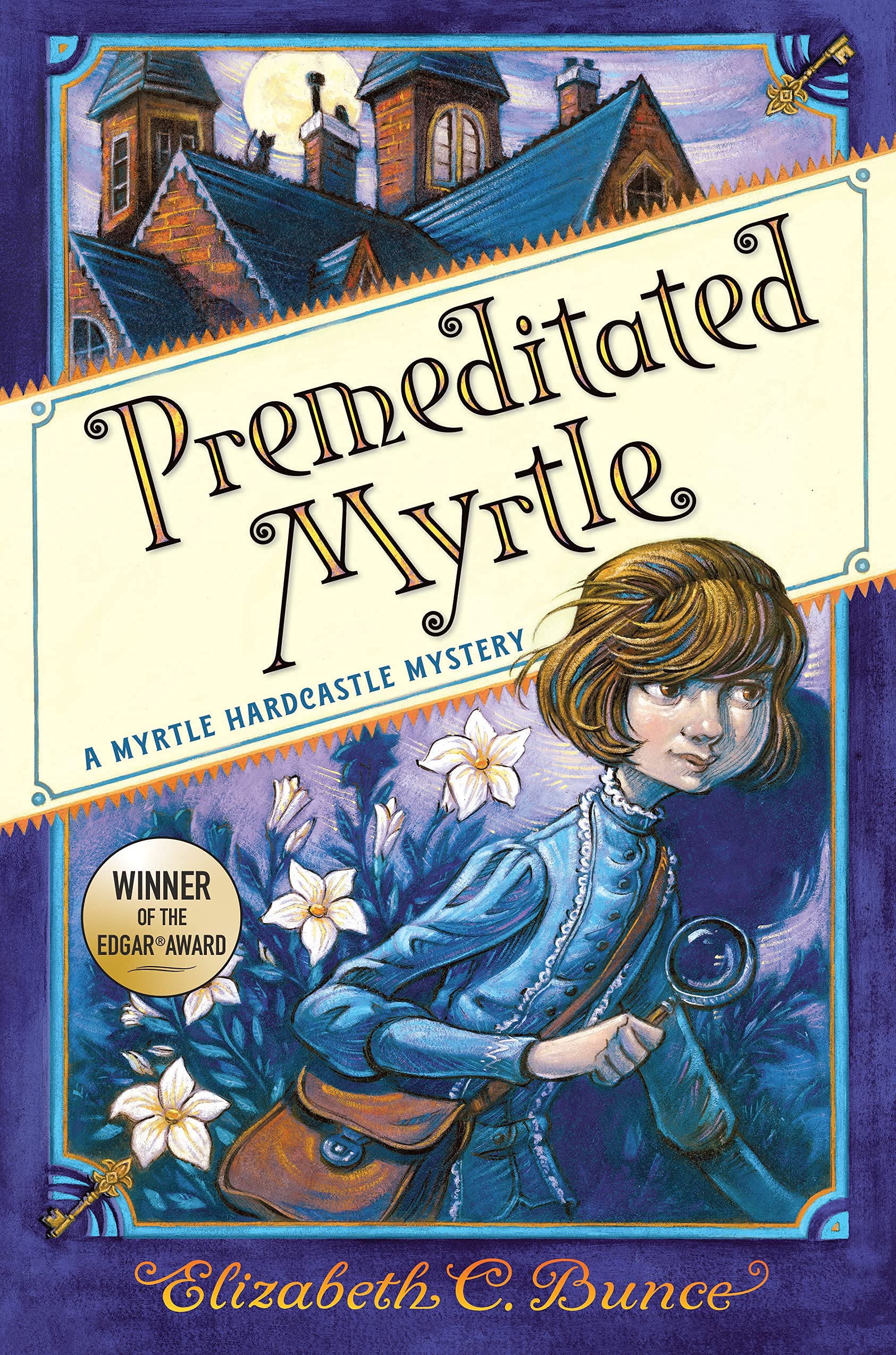
On page 110 of 355 of Elizabeth C. Bunce’s Premeditated Myrtle (2020) we learn that 12 year-old Myrtle Hardcastle starts reading novels in the middle because “beginnings were often boring”. Thankfully the unproved murder on which the entire book to that point has hung is finally suspected a few pages later and the book comes to life at last, but there’s an uncomfortably meta air to the criticism at the time.
Continue reading