#990: Payment Deferred (1926) by C.S. Forester

Payment Deferred

star filledstarsstarsstarsstars
It seems almost indecent that someone should have the inspiration to write a book like Payment Deferred (1926) before Anthony Berkeley had conceived of his Francis Iles nom de plume and written Malice Aforethought (1931). And yet there’s something unformed about C.S. Forester’s tale of ill-gotten money, murder, and general moral decay that speaks to the callowness of the undertaking. Land sakes, don’t read this if you’re having a bad week — its unrelenting grimness and domestic horror would dent even the sunniest of dispositions — and avoid it, too, if you want a tight criminous plot with even a sniff of Iles-brand irony. This is dark stuff, unleavened at any stage.

Continue reading

#987: Death on Gokumon Island (1948) by Seishi Yokomizo [trans. Louise Heal Kawai 2022]

Death on Gokumon Island

star filledstar filledstarsstarsstars
“I don’t want to die. I… I… don’t want to die. I have to get home. My three sisters will be murdered. But… but… I’m done for. Kindaichi-san, please… please go to Gokumon Island in my place…” — thus is Kosuke Kindaichi exhorted by a dying brother in arms as they are demobilised after the end of the Second World War. And so the detective goes to Gokumon Island, meets Chimata Kito’s family, and tries to untangle the maelstrom of violence and confusion that descends upon the island as, sure enough, Chimata’s three sisters Tsukiyo, Yukie, and Hanako are killed one by one. In principle it’s a gripping idea, but in practice it made for me the least interesting of the four Seishi Yokomizo mysteries thus far translated.

Continue reading

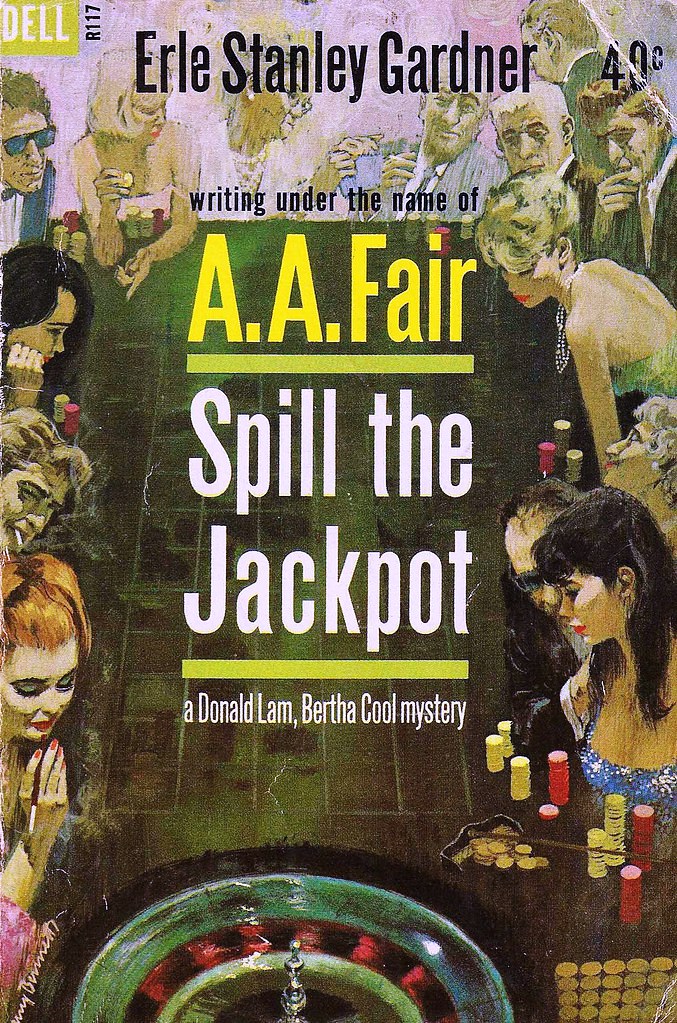
#984: Spill the Jackpot (1941) by A.A. Fair

Spill the Jackpot

star filledstar filledstar filledstar filledstars
Two days before her wedding to Philip Whitewell, Corla Burke upped and disappeared from her place of work, leaving behind all her personal property: “she simply vanished into thin air, and hasn’t been heard from since”.  Following a slender lead to Las Vegas, the groom-to-almost-was’s father Arthur hires the B. Cool Detective Agency to “find out what happened to Corla, why she disappeared, where she is now”…and so we’re off. And, of course, everything will go to plan for pint-sized investigator Donald Lam and he definitely won’t find himself pursued, beaten up, and accused of murder. No, wait — fry me for an oyster, that’s exactly what happens to him…good lord, however will he get out of this jam?

Continue reading

#982: “The more improbable they are, the better I like ’em.” – Hag’s Nook (1933) by John Dickson Carr

A (fairly) recent review of Hag’s Nook (1933) by John Dickson Carr at Tangled Yarns added to its (slightly less) recent reprinting by Polygon Books put this first appearance by Dr. Gideon Fell on my Hallowe’en reading list…and here we are. A family curse — “the Starberths die of broken necks” — seems as good a topic as any for this annual celebration of eldritch horrors, so let’s dive back in and see what I make of it some ten or more years after my first read.

Continue reading

#981: The Twist of a Knife (2022) by Anthony Horowitz

Twist of a Knife

star filledstar filledstar filledstarsstars
I’m taking my life in my hands reviewing The Twist of a Knife (2022) by Anthony Horowitz, you realise.  After all, if I don’t like it, I might end up like Harriet Throsby, the theatre critic for The Times who criticised Horowitz’s play Mindgame and ended up stabbed to death. No, wait, that was fiction…wasn’t it? That’s the plot of The Twist of a Knife. The meta-fictional element of this series, in which Horowitz teams up with ex-D.I. Daniel Hawthorne to solve a series of murders, is loads of fun, but I do catch myself spending the first quarter of each book thinking “Is that a real person? Wait, did that really happen?”. It’s a difficult act to juggle, but Horowitz has mastered it.

Continue reading

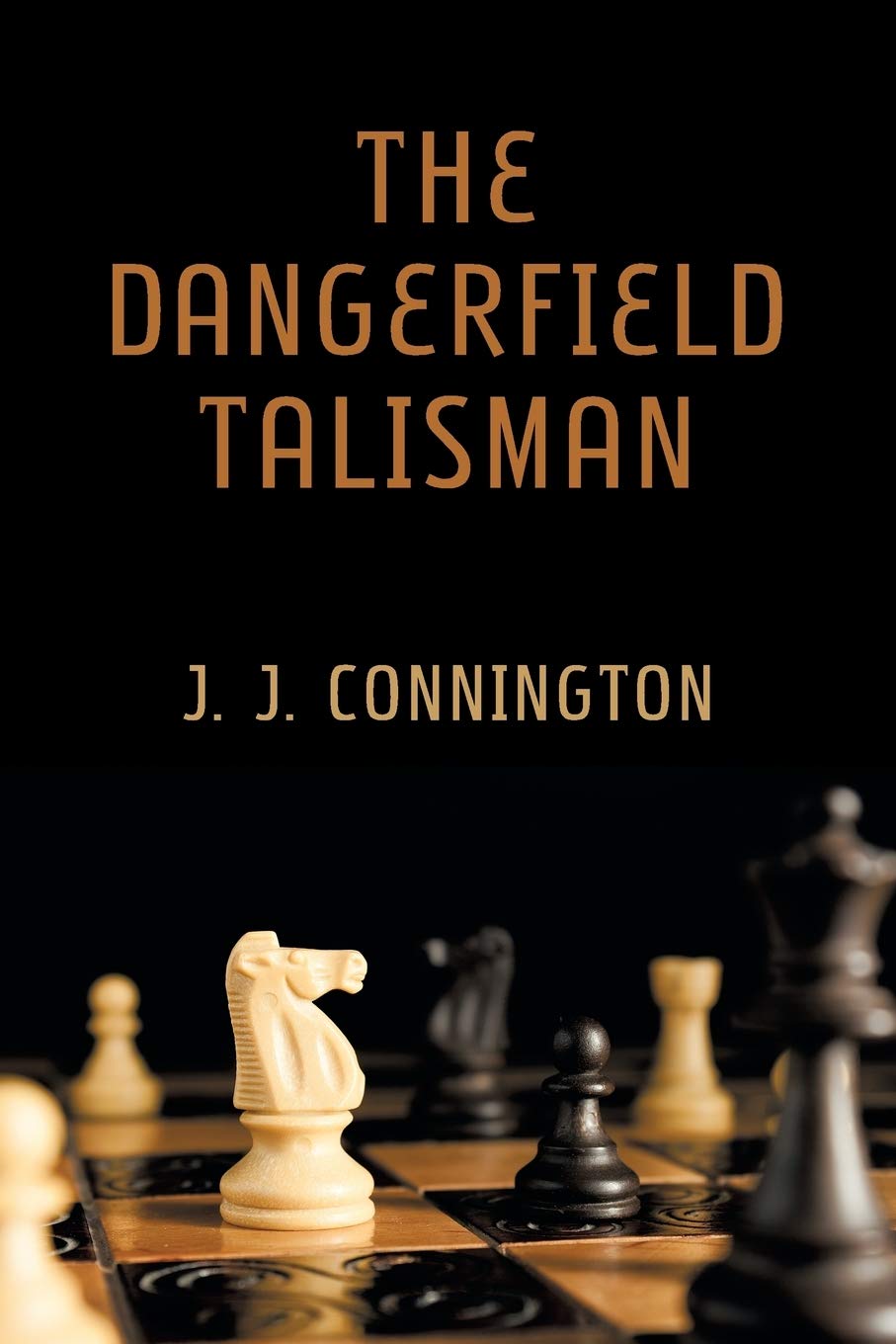
#978: The Dangerfield Talisman (1926) by J.J. Connington

Dangerfield Talisman

star filledstar filledstar filledstarsstars
I don’t normally read two books by the same author within at least a few months of each other, but I so enjoyed J.J. Connington’s criminous debut Death at Swaythling Court (1926) back in September that I was honestly champing at the bit to get back to more of his work. The Dangerfield Talisman, then, (1926) is Connington’s follow-up to Swaythling, with a completely new setting, cast, and conundrum. And Connington himself appears to have been equally keen to get to this one, possibly writing it in a mere seven weeks…and, if that was the case, it’s difficult not to wish that he’d spent a little longer over it.

Continue reading

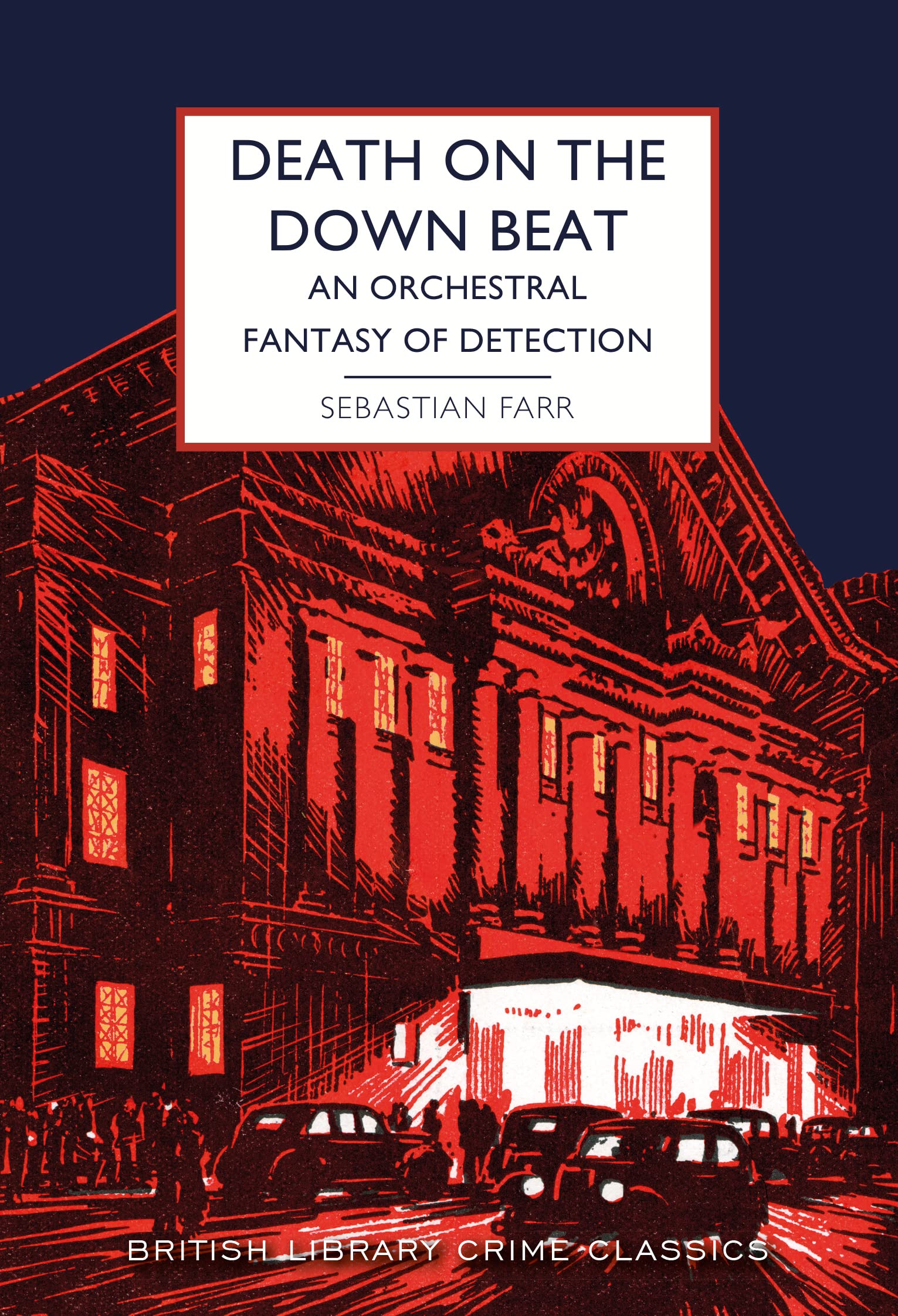
#975: Death on the Down Beat (1941) by Sebastian Farr

Death on the Downbeat

star filledstar filledstar filledstar filledstars
Both versions of Alfred Hitchcock’s The Man Who Knew Too Much (1934/1956) contain excellent scenes in which a killer takes aim at their target in the Royal Albert Hall while the music builds ominously. Sebastian Farr’s Death on the Down Beat (1941) utilises the same idea, but transfers it to an orchestral performance of Richard Strauss’ Ein Heldenleben in the fictional northern city of Maningpool and picks up after the killing, asking what would happen if the murder of an unpopular conductor in such circumstances was investigated a weary detective who just wants to get home to his wife and young children and finds himself frustrated at almost every turn by the intrusion by self-important local types.

Continue reading

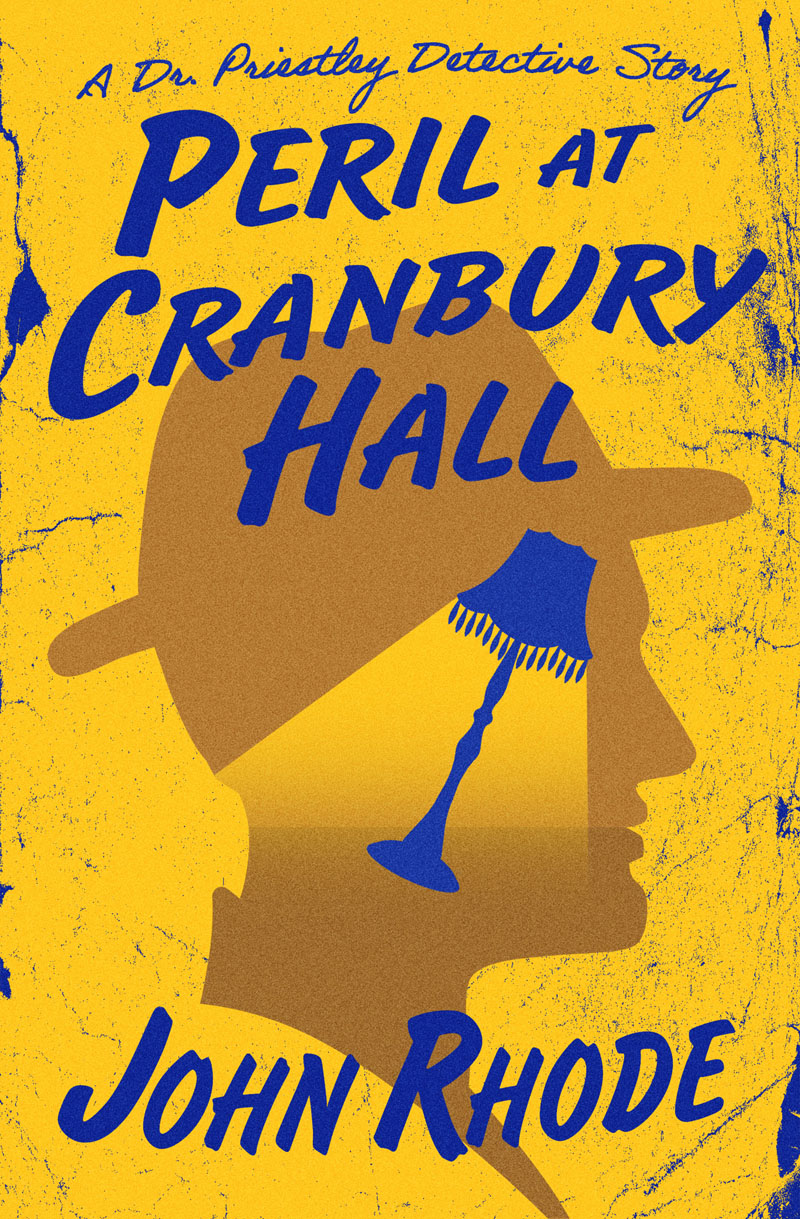
#972: Peril at Cranbury Hall (1930) by John Rhode

Peril at Cranbury Hall

star filledstar filledstarsstarsstars
Accompanying an architect in an examination of the faded ancestral pile of Cranbury Hall, prim solicitor Arthur Gilroy happens upon his wastrel half brother Oliver, with whom he has an interview later that evening, who is rather elliptical about the reason for his presence.  The two part on not unfriendly terms and, soon after, a shot rings out that is attributed to poachers taking liberties on the ownerless land.  But when Oliver fails to show up for their meeting, Arthur begins to suspect that “some mysterious tragedy had occurred”…and he might be right, since that shot turns out to have been merely the first attempt on Oliver’s life.

Continue reading

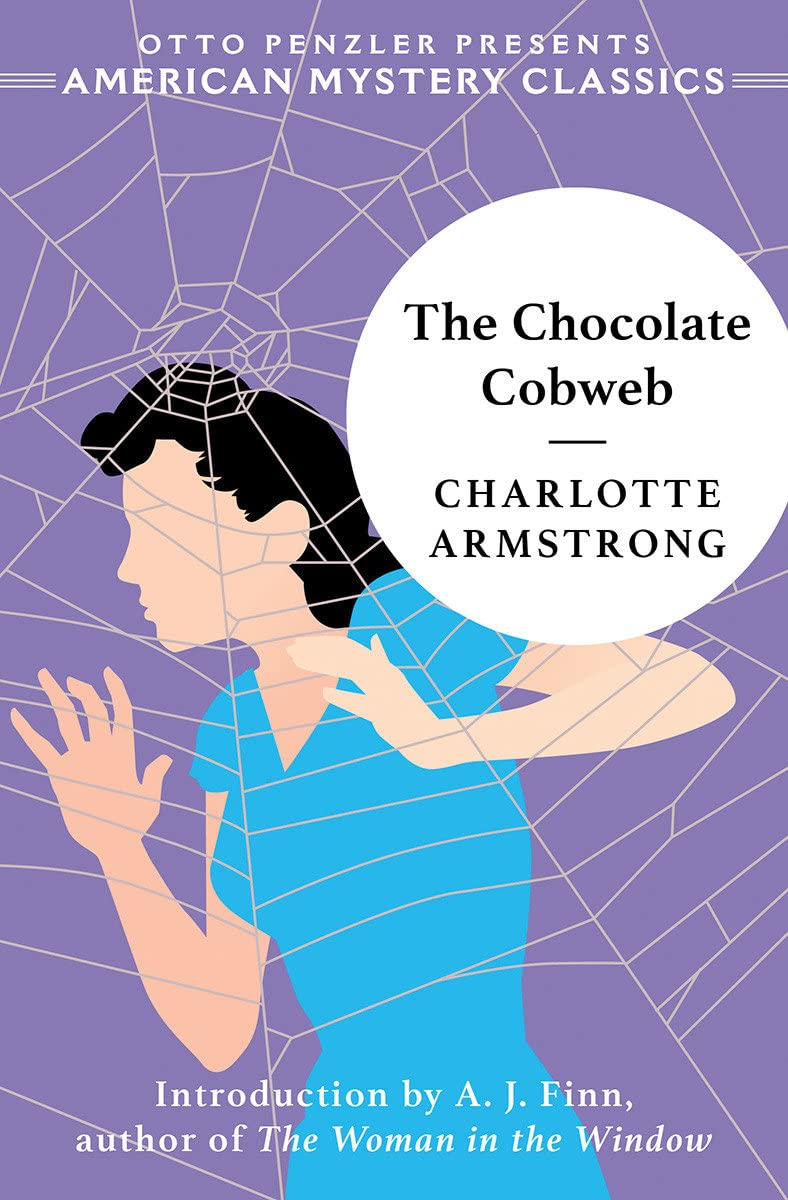
#969: The Chocolate Cobweb (1948) by Charlotte Armstrong

Chocolate Cobweb

star filledstar filledstar filledstar filledstar filled
There really is no accounting for taste. When I read The New Sonia Wayward (1960) by Michael Innes following a rave review from Aidan, I found it rather wanting; now that I’ve read The Chocolate Cobweb (1948) by Charlotte Armstrong following a rave review from Aidan, I wonder if he praised it enough, because it’s very probably the best novel of pure domestic suspense that I’ve ever encountered. We can add this to the likes of The Voice of the Corpse (1948) by Max Murray on the list of Books I Should Not Like Yet Absolutely Loved, an experience so enjoyable that it stalled my reading for about a week since I had no idea what I could possibly follow it up with.

Continue reading