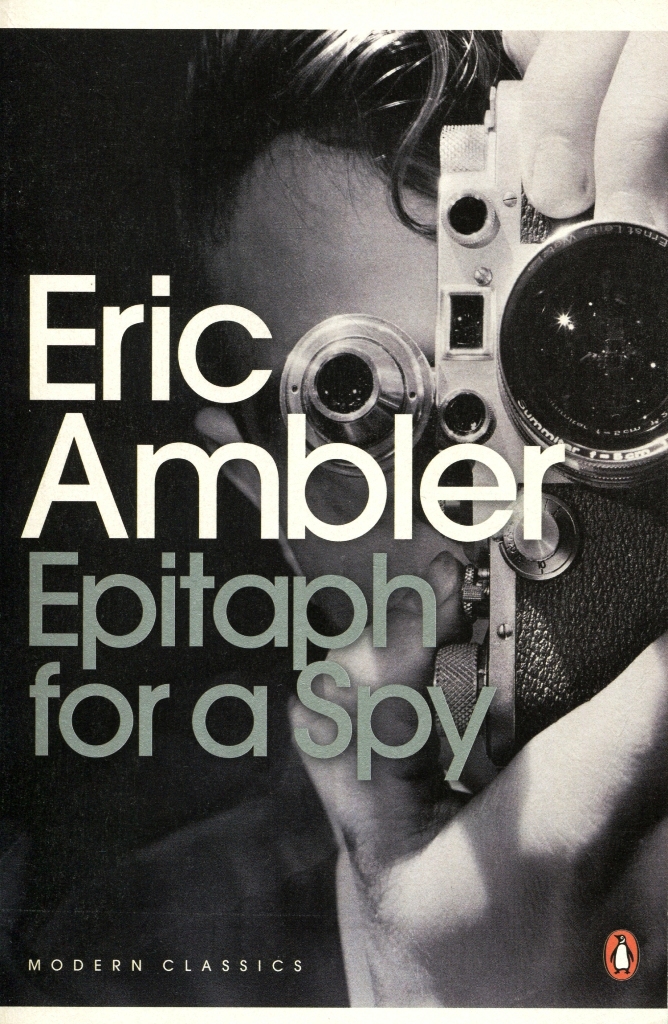
#1015: Epitaph for a Spy (1938) by Eric Ambler

Epitaph for a Spy

star filledstar filledstarsstarsstars
Epitaph for a Spy (1938) places me at the centre of a Venn diagram of two things I heartily dislike — the everyman espionage fiction of John le Carre, and novels whose protagonists cluelessly accidentally their way along — and so I shouldn’t exactly be surprised that these two wrongs have failed to combine to produce something I would enjoy. This story of languages teacher Josef Vadassy strong-armed into helping identify a spy while on holiday at an exclusive French pension is, in fact, riddled with just about every trope and facet of genre fiction that I dislike, and it’s difficult to imagine Eric Ambler’s intent in writing such a book. But, I get ahead of myself…

Continue reading

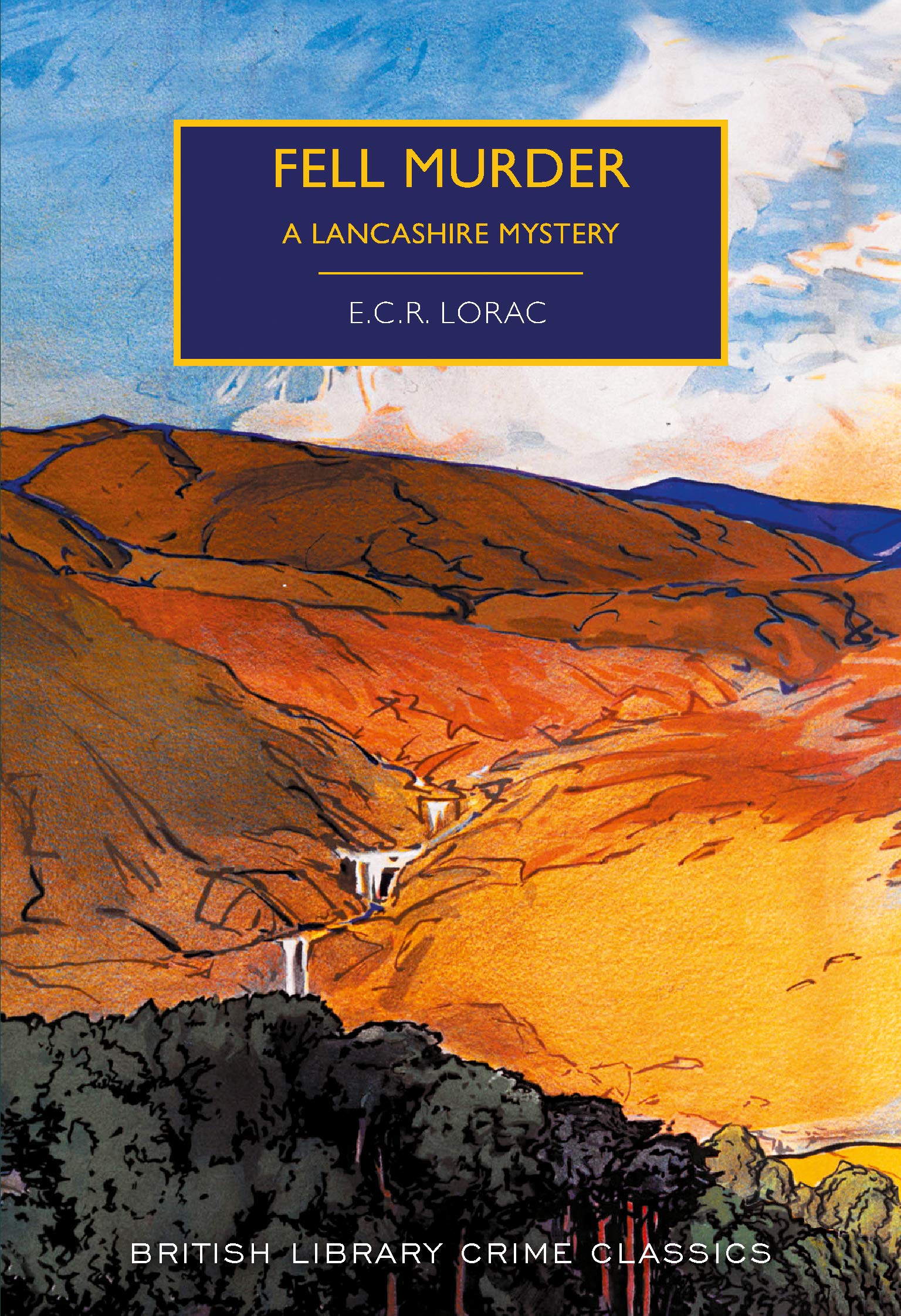
#1013: Fell Murder (1944) by E.C.R. Lorac

Fell Murder

star filledstar filledstar filledstarsstars
Another gentle tale of Northern homicide from the pen of E.C.R. Lorac, Fell Murder (1944) was Chief Inspector Robert Macdonald’s first visit to Lunesdale — I’m not entirely sure how many he would make over his career, but I understand it to be more than a few — and finds author and character both having a lovely time. This only falls down for me in comparison to the similarly-set Crook o’ Lune (1953) in that the eventual solution doesn’t feel quite so rigorously proved, relying on a few rather key assumptions which spoil the overall effect. Prior to that, however, Lorac’s melding of character and setting again shows through very strongly, making her popularity easy to understand.

Continue reading

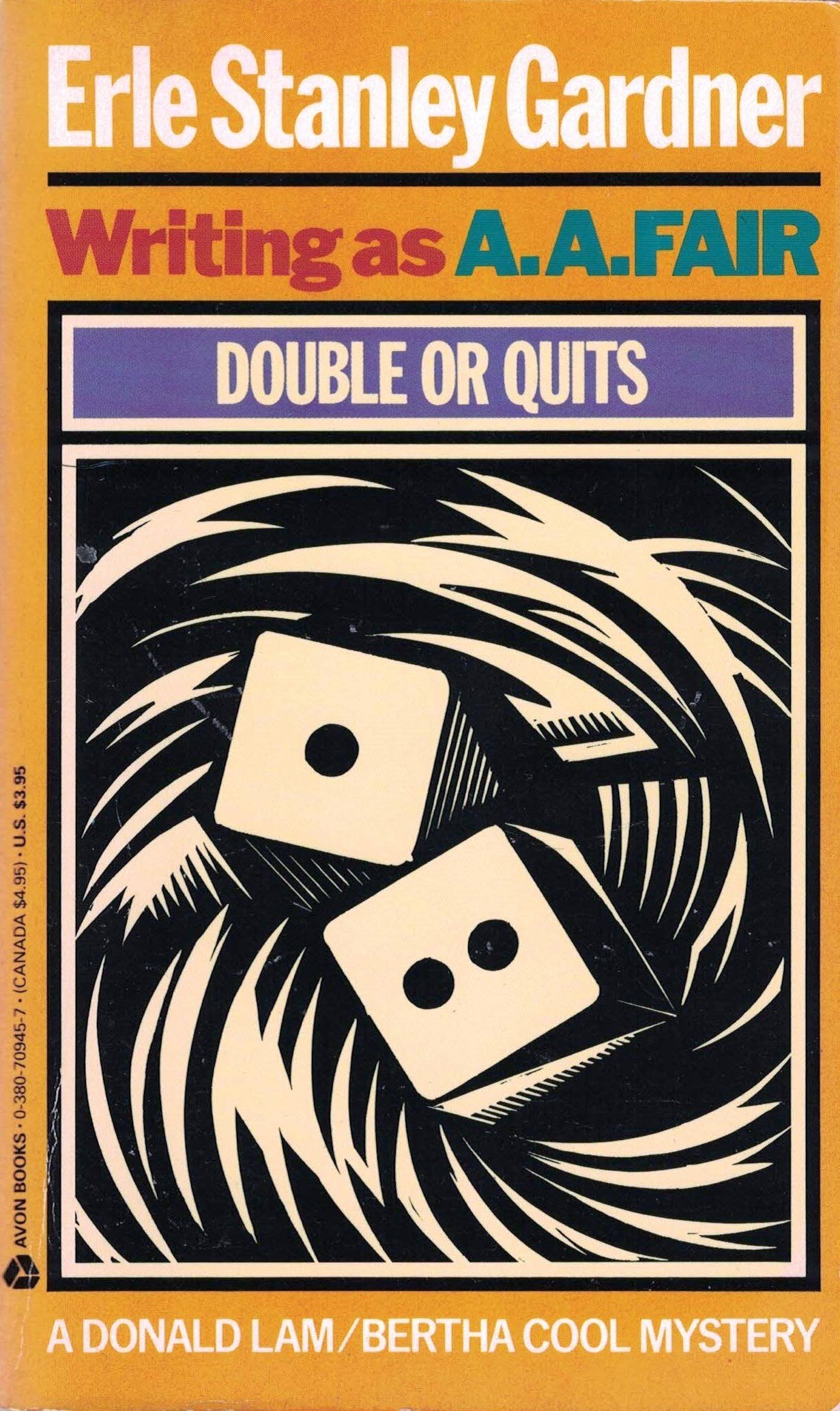
#1011: Double or Quits (1941) by A.A. Fair

Double or Quits

star filledstar filledstar filledstarsstars
Where the novel of detection delights in tropes so as to better lull you in and then sock you with an unexpected development, I’m starting to suspect that the private eye novel likes tropes so that you’re as comfortable as possible throughout without ever having to pay too close attention. You sign up for wealthy families, suspicious deaths, shady hangers-on, and plenty of business malfeasance, all the better to then unfurl a complex final chapter explanation which probably works as well as anything else, but, hey, at least it was entertaining while it lasted. And the world absolutely has a place for that kind of book, just don’t expect me to get too excited when I encounter one of them.

Continue reading

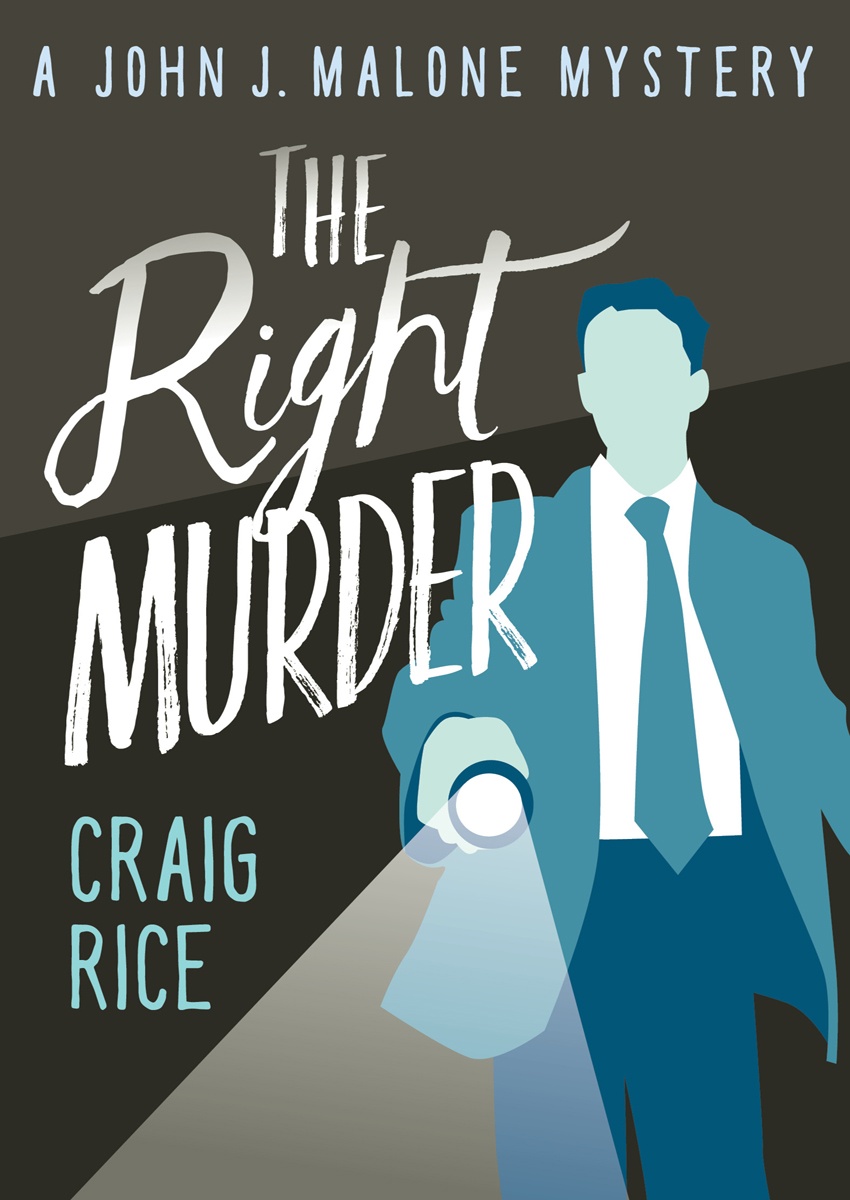
#1009: The Right Murder (1941) by Craig Rice

Right Murder

star filledstar filledstar filledstar filledstars
“Now you take this guy who was killed New Year’s Eve. If he was gonna be killed, why couldn’t he have had his passport on him, or a driver’s license, or even a calling card? No. Not a damn thing. So I have to go to all the trouble of finding out who he was. When I do find out, then what? More trouble.” Homicide Captain Daniel von Flanagan has a point, as there’s also the matter of the dead man staggering into a bar where lawyer John J. Malone was drowning his sorrows and croaking out “Malone!” before expiring on the floor, added to Malone’s insistence that he’d never seen the man before. And what of the key numbered 114 the man slipped to Malone…a key that was apparently stolen from the lawyer only moments later?

Continue reading

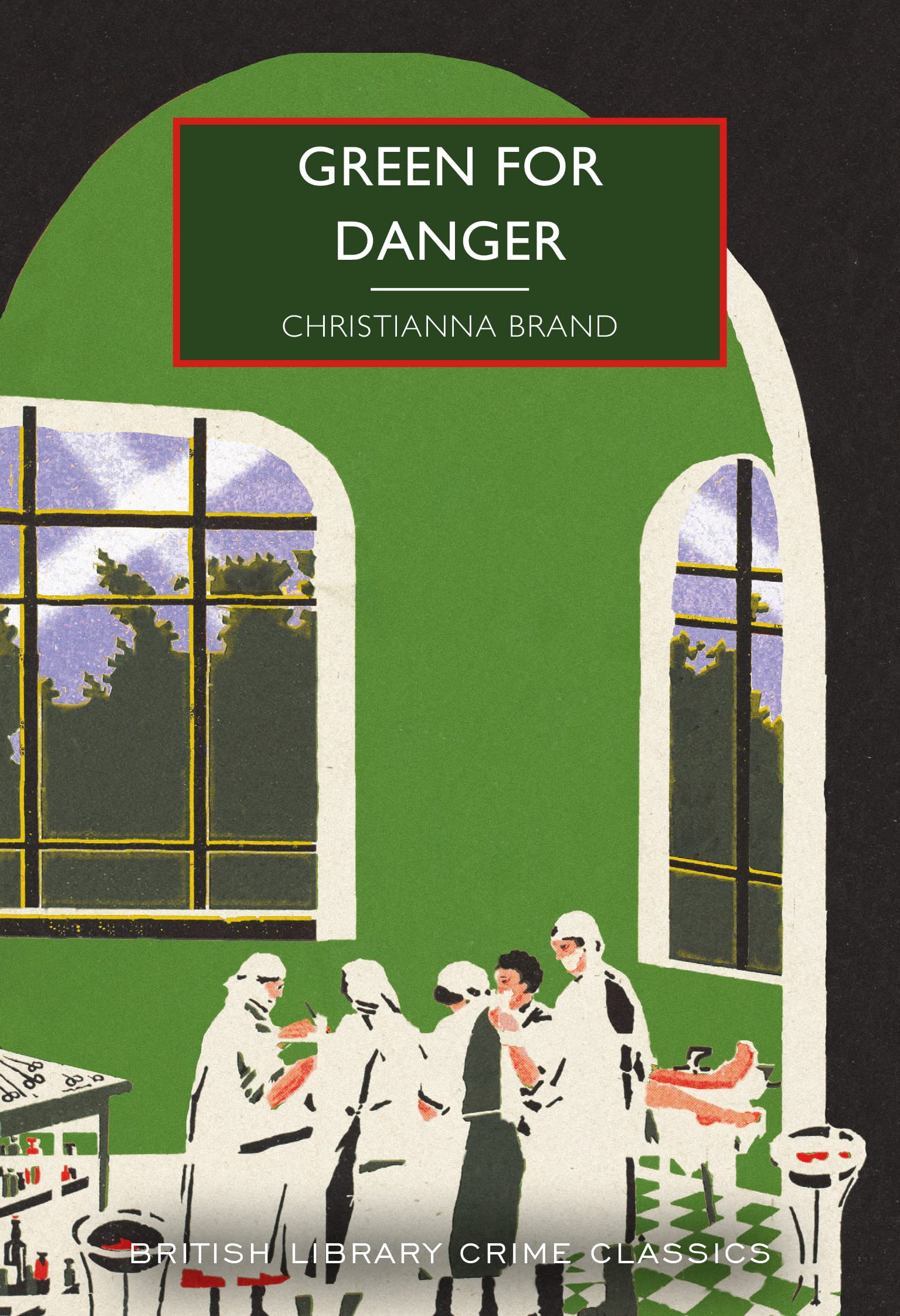
#1006: Green for Danger (1944) by Christianna Brand

Green for Danger

star filledstar filledstar filledstar filledstars
I first read Green for Danger (1944) by Christianna Brand about 12 years ago on the back of enthusiastic Agatha Christie comparisons, and came away impressed with its wartime hospital setting but underwhelmed by what I remembered as the seemingly random allocation of guilt to an undeniably surprising party in the finale. Since then, I’ve been assured by reputable sources that the book is in fact rigorously — and very fairly — clewed and warrants re-examination, so its republication in the British Library Crime Classics range is the perfect chance to find out if it does indeed stand on its own or if everyone’s enthusiastic just because they also love the 1946 movie (because, my god, don’t people ever love that movie).

Continue reading

#1003: Found Floating (1937) by Freeman Wills Crofts

Found Floating

star filledstar filledstar filledstar filledstars
In the same year that Agatha Christie mixed sight-seeing and shipboard slaughter in Death on the Nile (1937), Freeman Wills Crofts sent his series detective, Chief Inspector Joseph French, into bat with a similarly travelogue-rich tale of marine-centric malfeasance. Found Floating (1937) might, in many ways, be seen as Crofts’ take on the essential principles of a Christie plot, even if it does highlight many of the reasons Dame Agatha has remained in the public consciousness while Crofts is only now enjoying a resurgence in awareness and popularity. Indeed, for a man who made hay in the annals of the realistic detective story, this might be his most successful brush with verisimilitude yet.

Continue reading

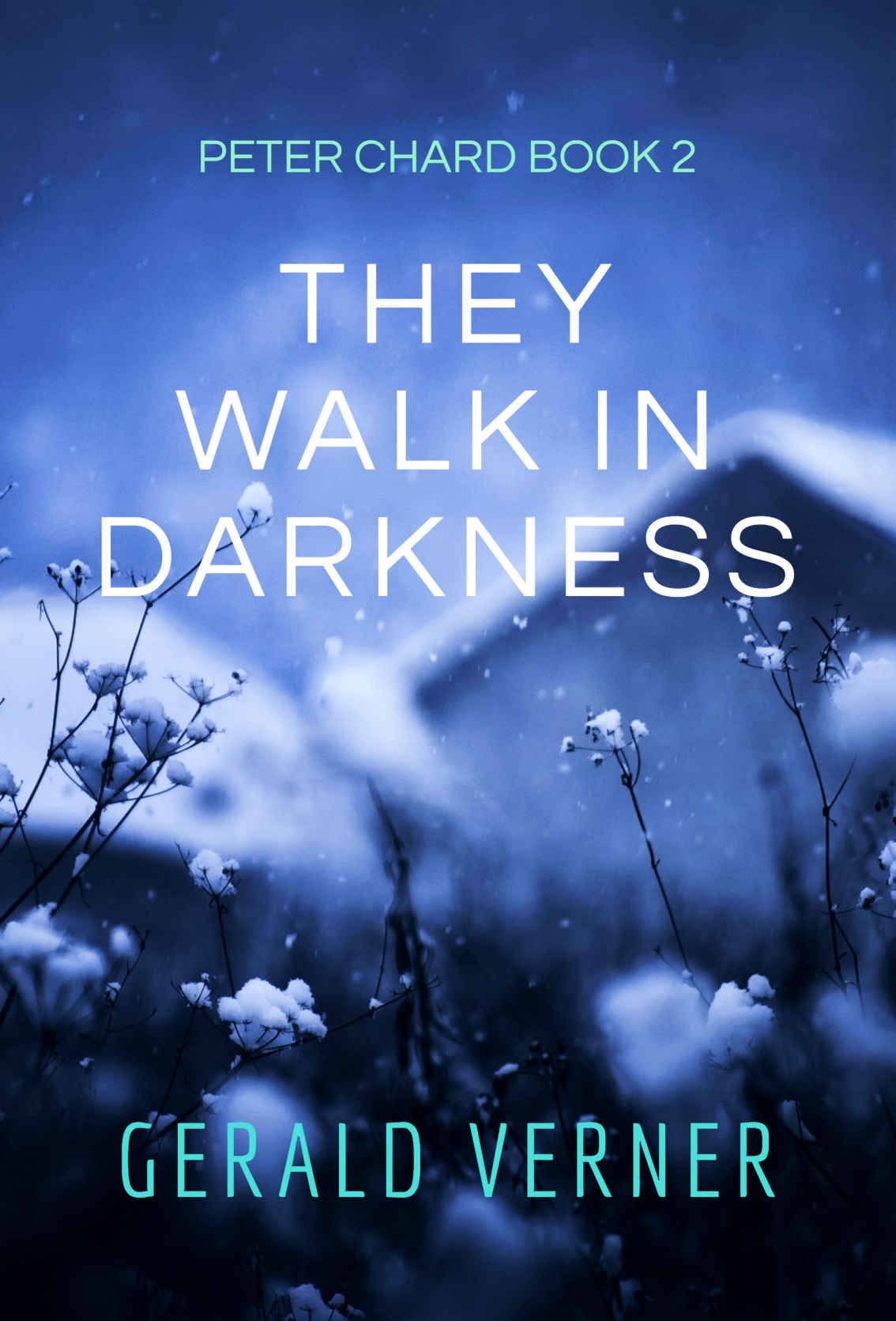
#999: They Walk in Darkness (1947) by Gerald Verner

They Walk in Darkness

star filledstar filledstarsstarsstars
If you’re reading this in the Southern Hemisphere — or in the year 2047, when global warming has reduced the planet to a scorched wasteland — then the raft of snow-bound mysteries reviewed in the run-up to Christmas might seem a little odd. Nevertheless, this snowswept tale of impossible murder, which came recommended by Tom Mead, has been reserved for this precise season so that its twofold chills — physical and atmospheric — might be better appreciated. Gerald Verner wrote so much that it would be easy to believe that quality wasn’t high on his agenda, but he does good work in They Walk in Darkness (1947) even if the overall edifice doesn’t quite live up to its promise.

Continue reading

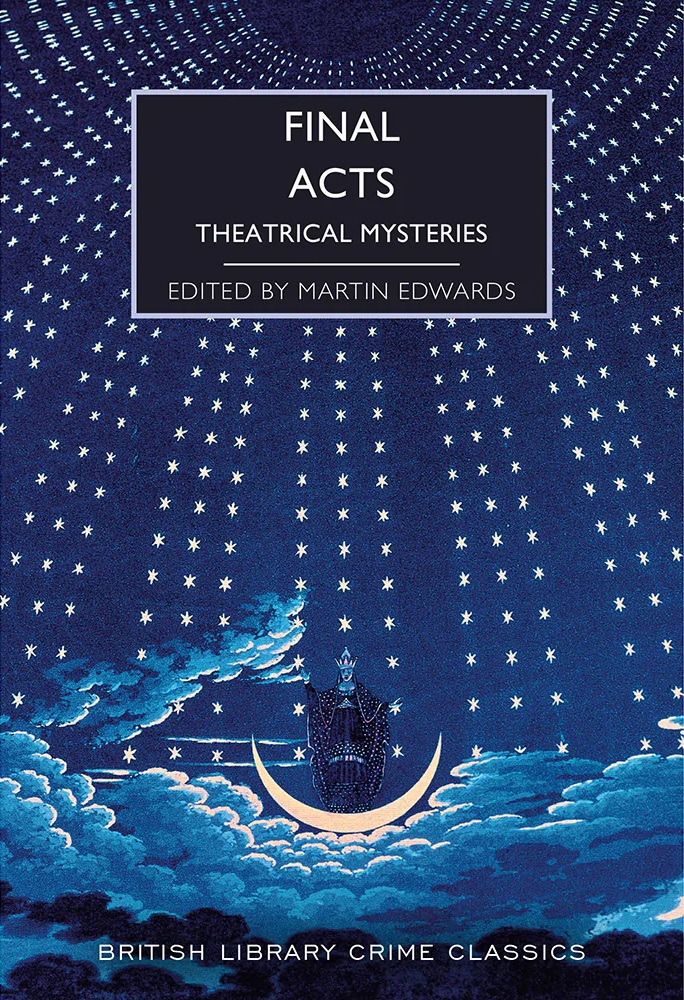
#997: “Actors never betray themselves…” – Final Acts: Theatrical Mysteries [ss] (2022) ed. Martin Edwards

I tend to read multi-author anthologies over — if I’m honest — a couple of months, to better ameliorate the often wild changes in style and content of each tale. In recent times I’ve sped this process up, so that I’m able to review the annual Bodies from the Library (2018-present) collections on this very blog, so let’s see how I fare doing the same for the latest Martin Edwards-edited collection in the British Library Crime Classics range, eh?

Continue reading