
Tuesdays in July will see a return to the Sherlock Holmes canon, with second collection The Memoirs of Sherlock Holmes (1894) providing the material under consideration.
Continue readingTuesdays in July will see a return to the Sherlock Holmes canon, with second collection The Memoirs of Sherlock Holmes (1894) providing the material under consideration.
Continue reading
Comments were made in the, er, comments of my previous Three Investigators review, The Secret of Phantom Lake (1973) regarding an apparently love-it-or-hate-it element to the next title in the series, The Mystery of Monster Mountain (1973) by M.V. Carey. So, well, let’s get into it.
Continue reading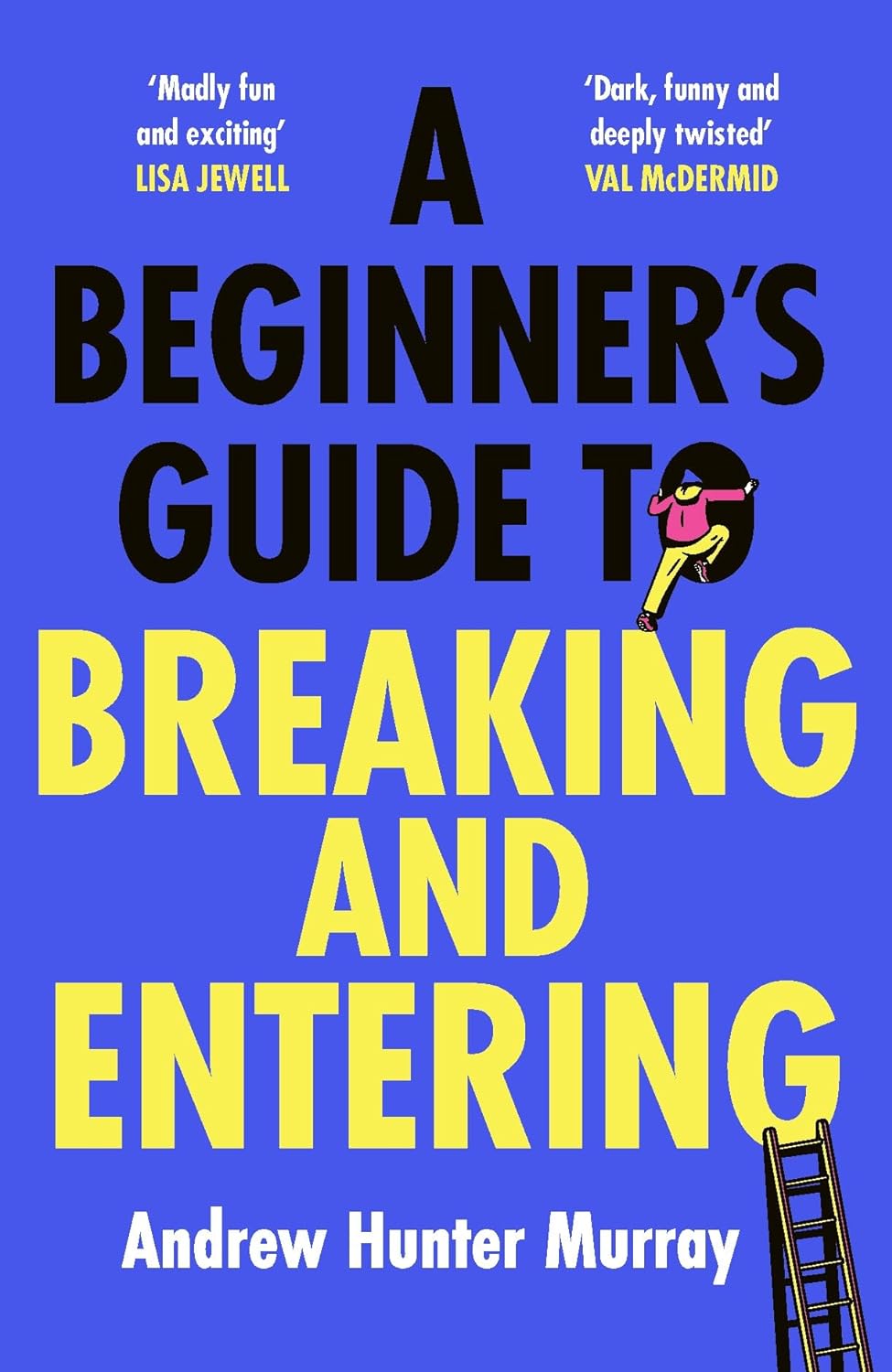


Shirley Ballas. Richard Coles. Susie Dent. Richard Osman. Robert Rinder. These days, if you want to publish a crime novel, it clearly helps to be a UK media personality. And why not? Publishing’s an uncertain business, and an existing following should hopefully convert into sales — good luck to them, I say. Add to the above journalist, podcaster, TV-version-of-his-podcaster Andrew Hunter Murray, whose third novel, A Beginner’s Guide to Breaking and Entering (2024), finds him crossing into the sort of genre territory that captures my attention. And while not perhaps leaning as hard into logical reasoning as I’d prefer, there’s much here to enjoy.

As someone who has never taken the time to foster any artistic talent, I’m amazed at the skill of people who design book covers. I even tried to start a regular feature on this blog celebrating such endeavours, but couldn’t get enough people interested to go beyond two posts.
Continue reading
It is a truth universally accepted that an author with a sizeable output will probably vary their approach from time to time. And so, in his twelfth mystery novel to be published under his J.J. Connington nom de plume, Alfred Walter Stewart clearly decided that what his increasingly accomplished criminous schemes needed was more character — a little more personality on the part of the people affected. And thus The Castleford Conundrum (1932) positively overflows with delightful character beats which really bring the situation to life…except that they come at the expense of the criminous element, which feels lucky to come in second place where the book’s priorities are concerned.
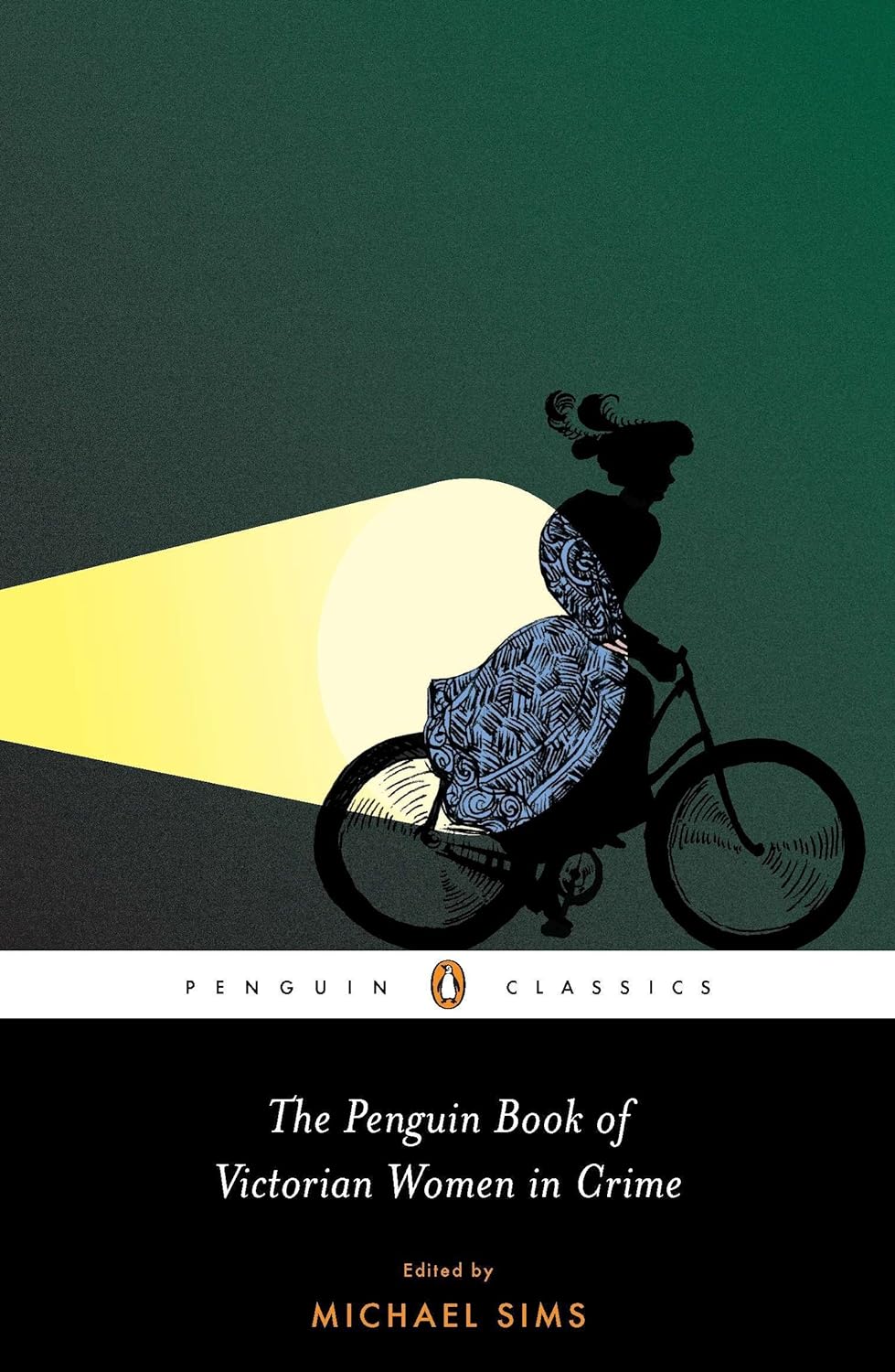
Serendipity brought the superb Penguin Book of Gaslight Crime [ss] (2009) edited by Michael Sims to my awareness, and highlighted Sims’ erudition and excellent coverage of Victorian crime fiction, an era of the genre which is holding an increasing fascination for me. And so the opportunity to read another Sims-edited collection was to be seized with alacrity.
Continue reading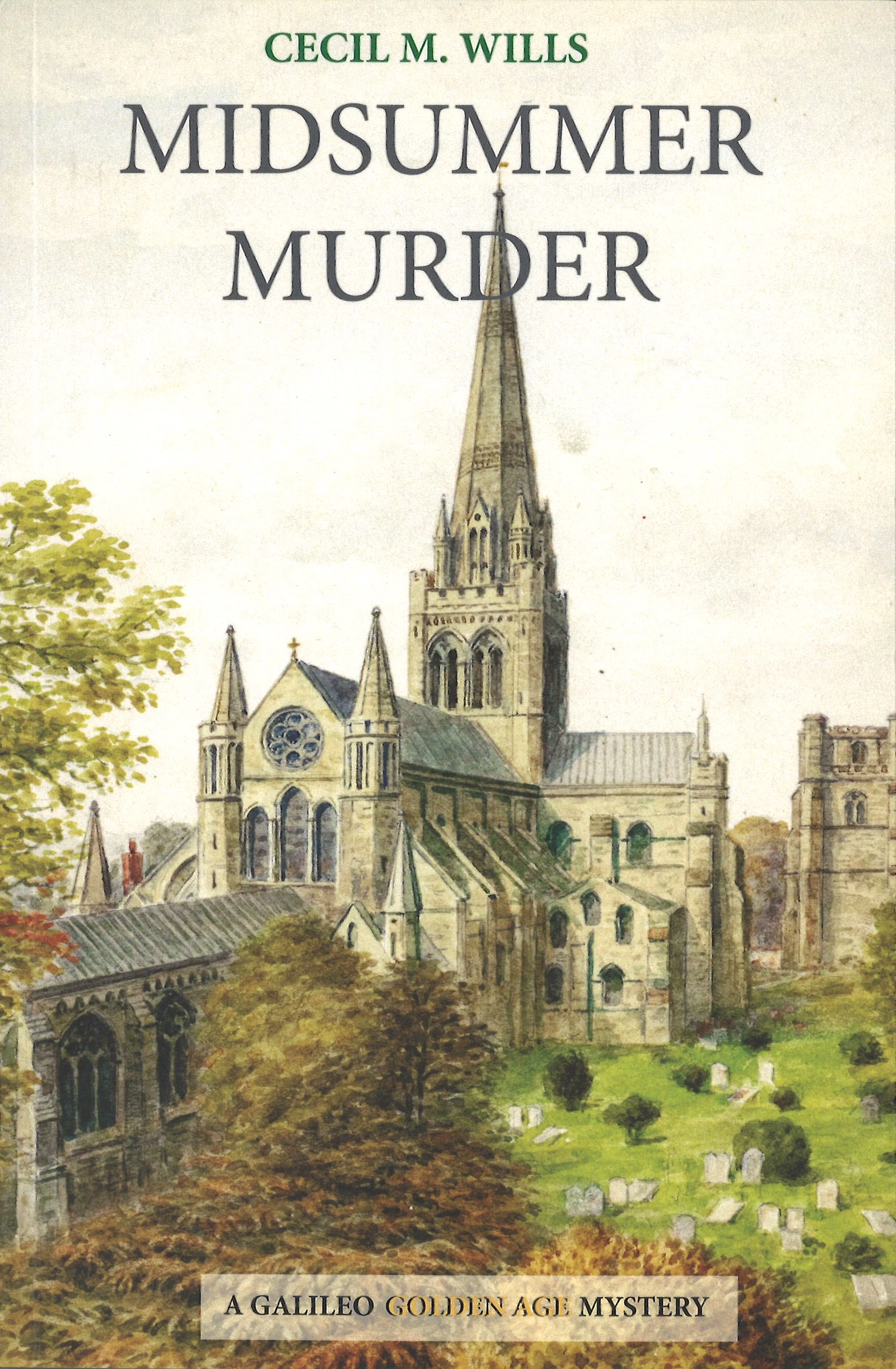
I’d previously read just one book by Cecil M. Wills, the Ramble House edition of Fatal Accident (1936), about which I remember nothing — though the fact that I didn’t review it might be telling. So when Galileo Publishers sent me an advance copy of Midsummer Murder (1956), I was intrigued to see how it stacked up: one (possibly) poor book does not a bad author make, and Galileo have shown some good taste in their unusual selections to date. And, well, I don’t know quite what to make of this, to be honest — Wills writes charmingly, and the enjoyable plot is communicated in easily-digested prose that flies by…but, equally, there’s a massive flaw at the core of this which can’t have passed by everyone else who’s read it…right?

Last weekend, it was my distinct honour to present for a fourth time at the Bodies from the Library conference, in this instance on the topic of Enid Blyton’s detective fiction as represented by her Five Find-Outers series.
Continue reading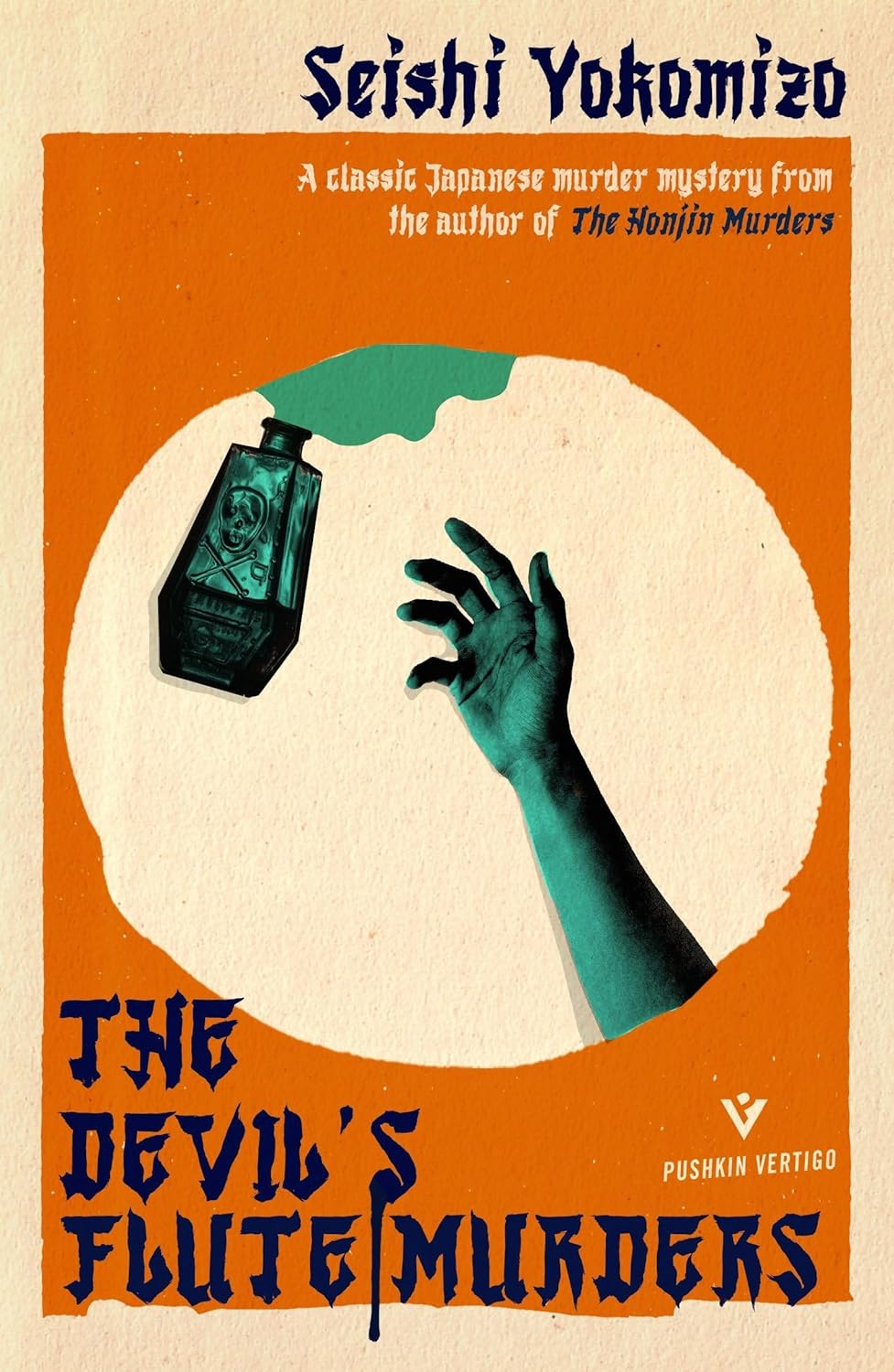
After what felt like a run of fairly light reading, I found myself in the mood for something a little denser, and boy does The Devil’s Flute Murders (1953), the fifth title by Seishi Yokomizo to be published in English by Pushkin Vertigo, deliver on that front. We start with a mass poisoning in a jewellery store, then move onto the disappearance of a member of the nobility who turns up dead…only for his family to doubt his demise and pull amateur genius detective Kosuke Kindaichi into a superbly atmospheric divining ceremony that culminates in a gruesome locked room murder. Yup, the opening third of this book is, pleasingly, something of a whirligig.
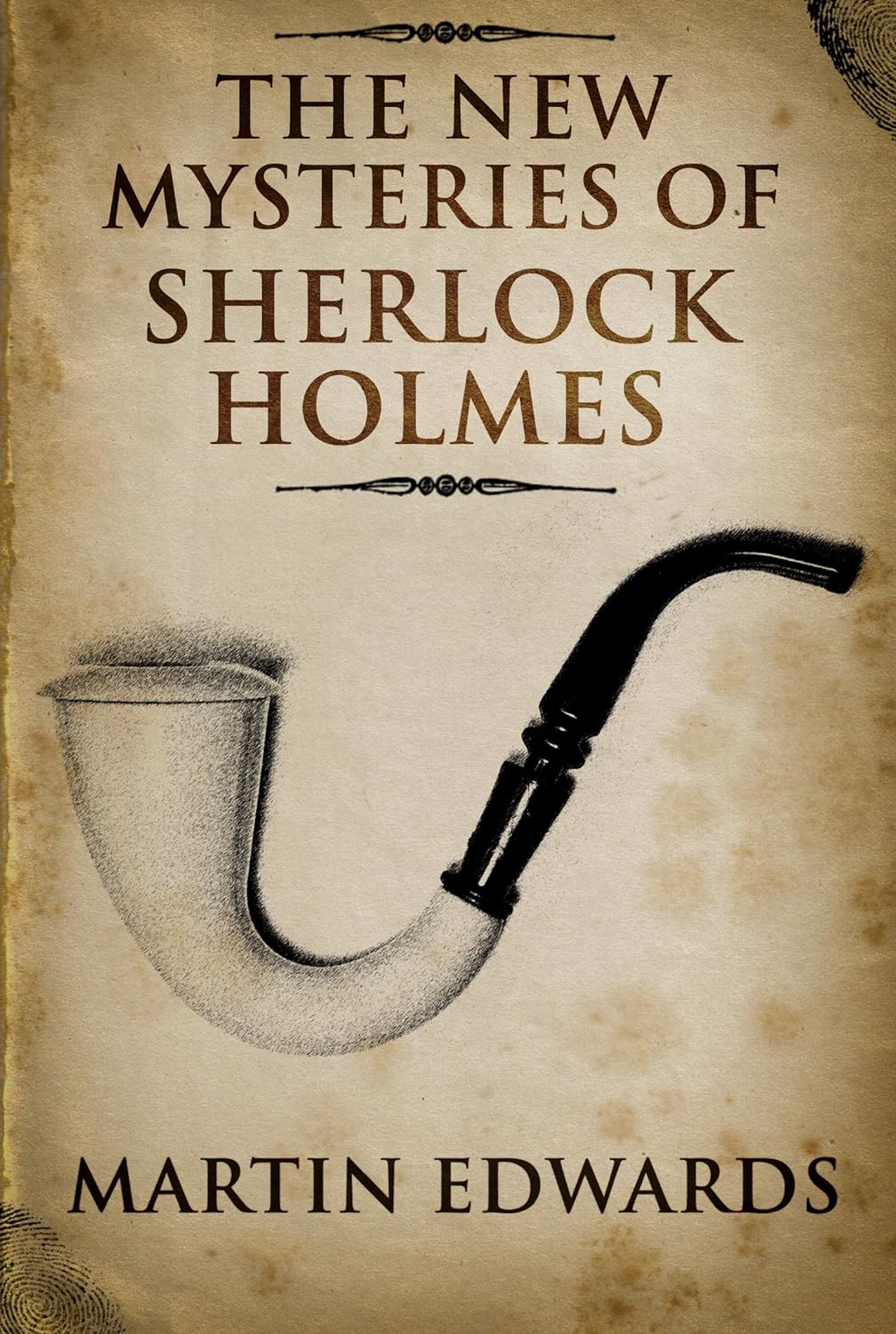
Years ago, as a younger and callower man, I swore that the only Sherlock Holmes stories I would read were those written by Arthur Conan Doyle. Then I became a John Dickson Carr fan, and it’s been a slippery slope ever since.
Continue reading
