#865: There Is Nothing Either Good or Bad, But Thinking Makes It So – Examining the Haycraft-Queen Cornerstones List

If you’ve met me, firstly I apologise, and secondly it’ll come as no surprise that I have a tendency to ruminate on that which many others pass over without so much as a backward glance. Previously this resulted in me writing something in the region of 25,000 words on the Knox Decalogue, and today I’m going to turn my eye upon the Haycraft-Queen Cornerstones list. Prepare thyself…

Continue reading
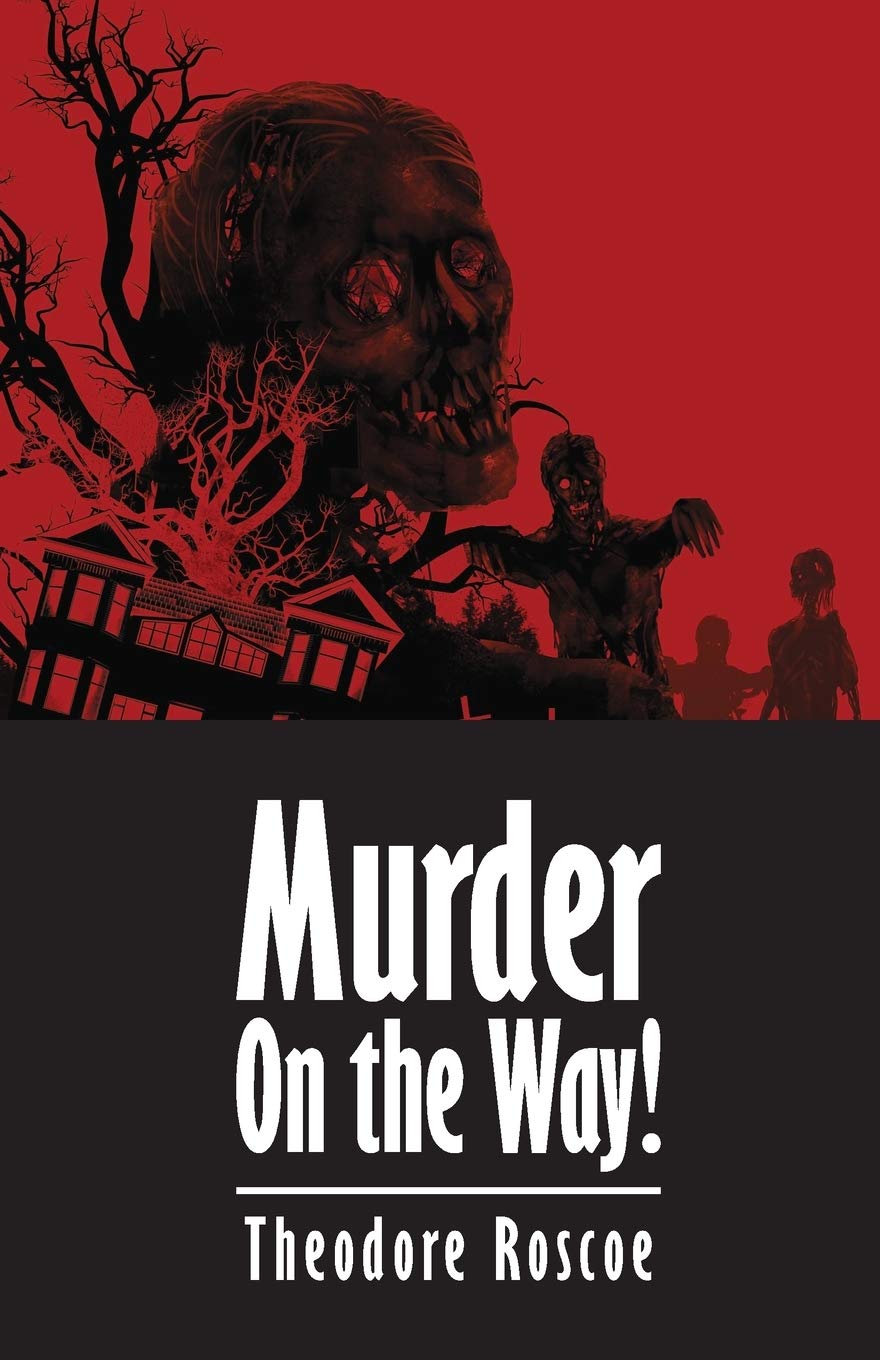
#833: Murder on the Way! (1935) by Theodore Roscoe

Murder on the Way

star filledstar filledstar filledstar filledstars
Approximately five years ago, powered by a combination of ego and ignorance, I set about trying get Murder on the Way! (1935) by Theodore Roscoe reprinted, based on its reputation as a cracker and its infuriating unavailability. To my frank surprise I succeeded, and it — and Roscoe’s Second World War-predicting I’ll Grind Their Bones (1936) — was republished by Bold Venture Press in 2017. Rereading it recently, it seemed due a reappraisal — well, an appraisal, really — since I edited the book without any notion of whether it was any good, and was too fixated on matters typographical to focus all that intently on, like, the plot and stuff.

Continue reading

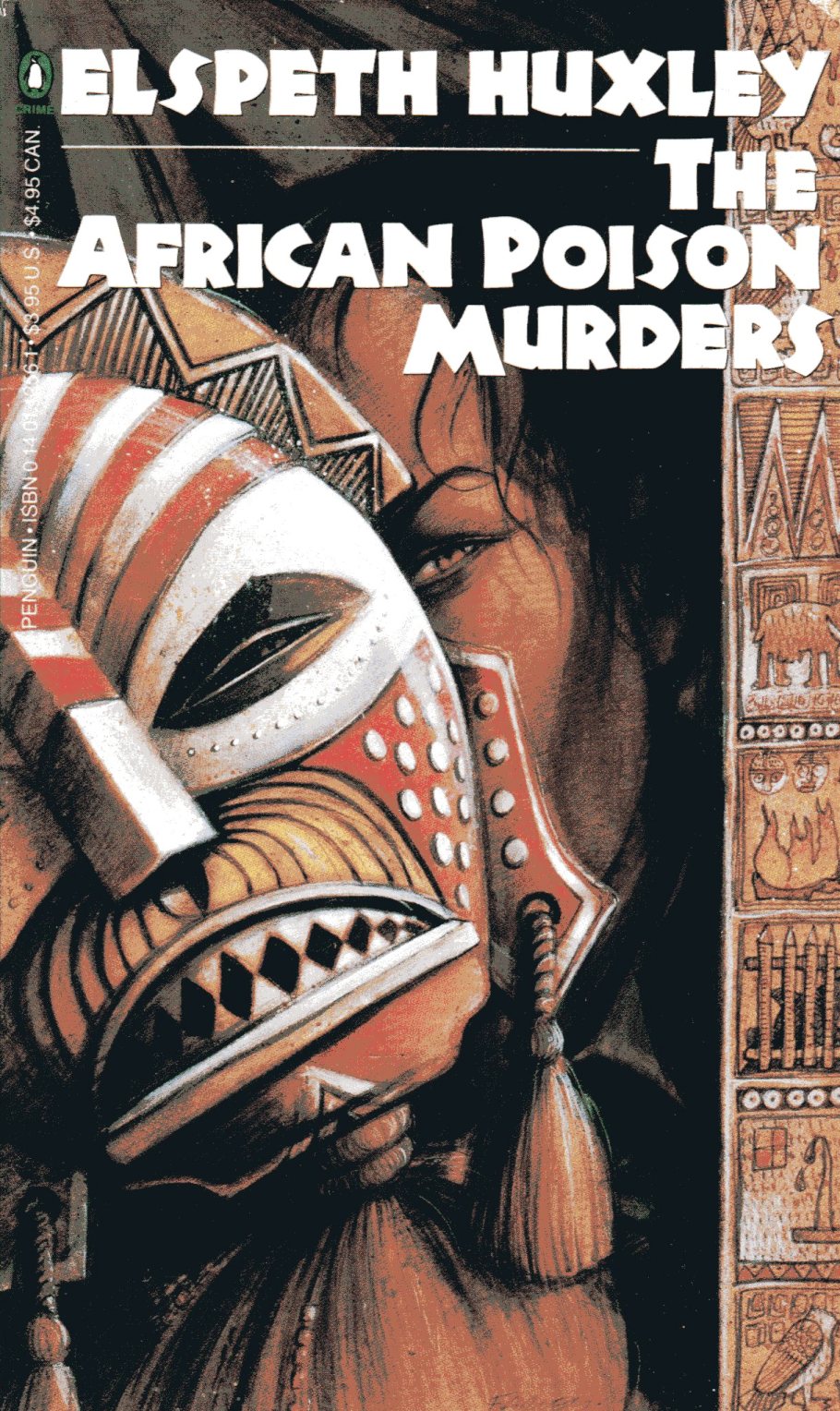
#709: The African Poison Murders, a.k.a. Death of an Aryan (1939) by Elspeth Huxley

African Poison Murders

star filledstar filledstar filledstarsstars
Elspeth Huxley’s Murder on Safari (1938) used its uncommon milieu and the author’s own experiences of life in Kenya as a young girl to enrich what might have otherwise been a ham-handed attempt to introduce some ‘variety’ into the annals of detective fiction. Its reliance on the trappings of safari life, and on the general ignorance of her policeman Superintendent Vachell to introduce the unfamiliar aspects to the reader, worked well with some unusual clues to mark it out as a very accomplished piece of detective fiction…right up until the reveal of the killer, when it all sort of fell apart. And lightning, it seems, has struck twice…

Continue reading

#472: The Pit-Prop Syndicate (1922) by Freeman Wills Crofts

Pit-Prop Syndicate, Thestar filledstar filledstar filledstarsstars
Back in 2015, before I’d ever opened any of Freeman Wills Crofts’ works, Puzzle Doctor reviewed The Pit-Prop Syndicate (1922) at his place and ended by saying “I could go on, but I’ll just keep writing euphemisms for BORING BOOK over and over again. Absolutely, 100%, NOT RECOMMENDED. I’d go so far as Actively Avoid”.  Shortly after reading that I broke my first bread with Crofts and, almost exactly three years later, I’ve read and loved seven Crofts novels and — in a move some might consider hasty — have tracked down all but four of his oeuvre. Still, I picked this one up with the Doc’s warning echoing in the back of my skull.  Gulp.

Continue reading

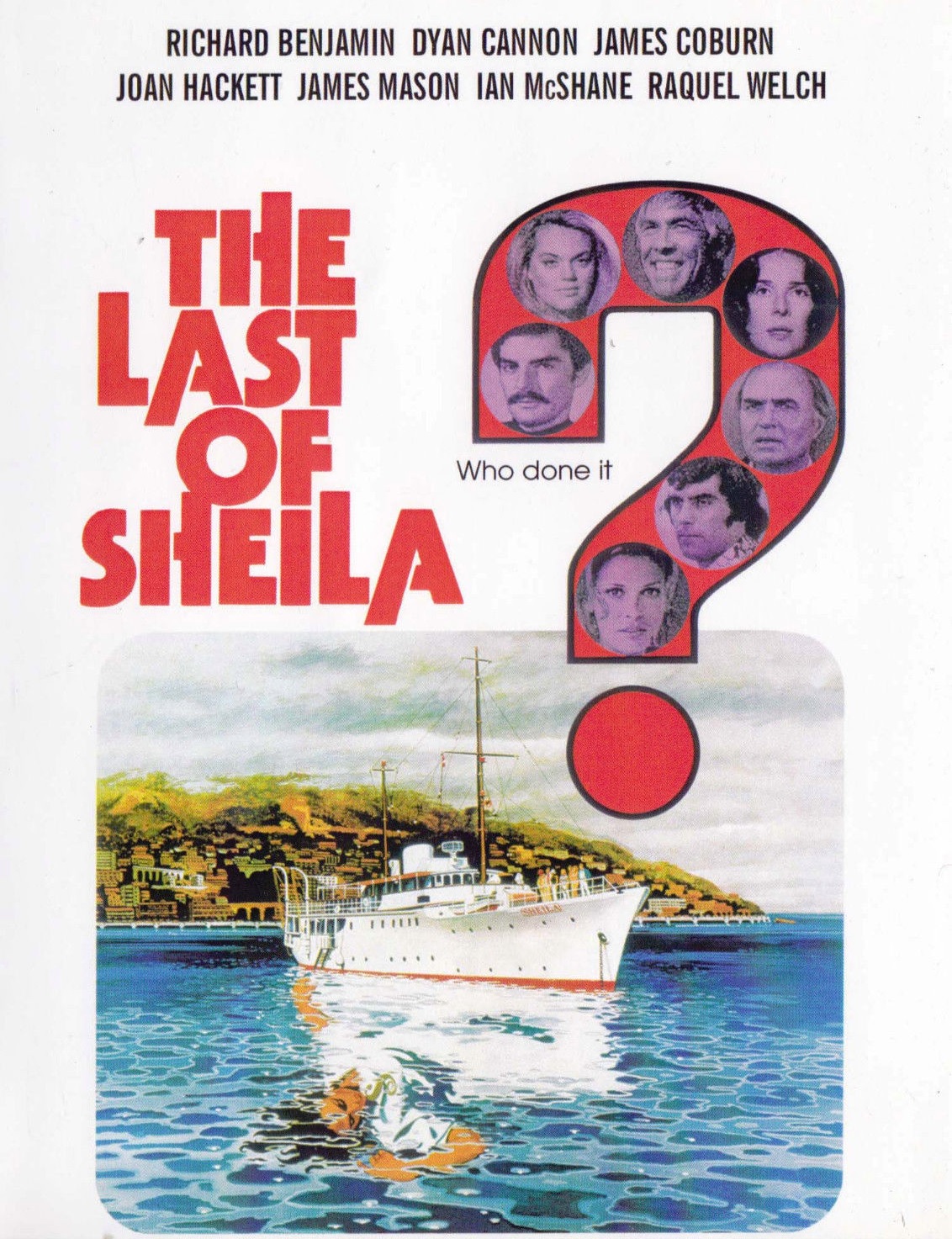
#467: Seven—And Death Makes Eight – The Game’s Afloat in The Last of Sheila (1973) [Scr. Stephen Sondheim and Anthony Perkins; Dir. Herbert Ross]

Last of Sheila, The

I’ve not reviewed a movie here on The Invisible Event before, but then The Last of Sheila (1973) is not your average movie.  I first became aware of it at the Bodies from the Library conference in 2017, when it was recommended as one of the few examples of a fair-play mystery in long format, and that was enough for me.

Continue reading

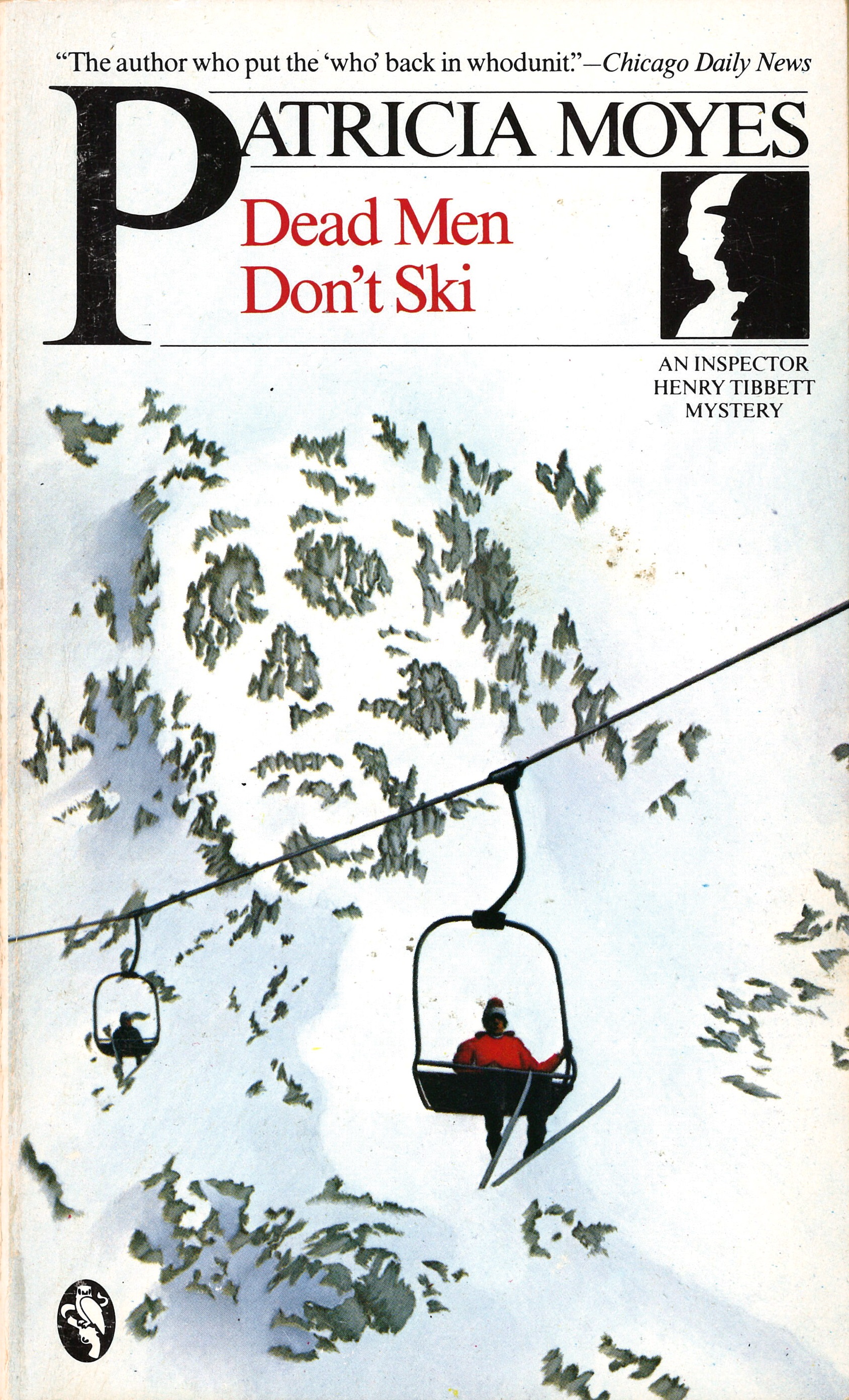
#460: Dead Men Don’t Ski (1959) by Patricia Moyes

Dead Men Don't Skistar filledstar filledstar filledstar filledstars
It’s fitting that Noah’s review of Dead Men Don’t Ski (1959), is what first brought the book to my attention, because the novel exemplifies for me a strata of fiction that I only got thinking about on account of Noah’s own, far superior, ruminations on the subject.  Much like Murder on Safari (1938) by Elspeth Huxley, contemporary familiarity with the milieu would probably see this classified as ‘cozy’ these days — but to do so would be to ignorantly overlook the newness of this sort of setting at the time of writing.  I’m tempted to call these Travelogue Mysteries, where the setting appeals as much as the crime on account of how novel it would have been at the time.

Continue reading