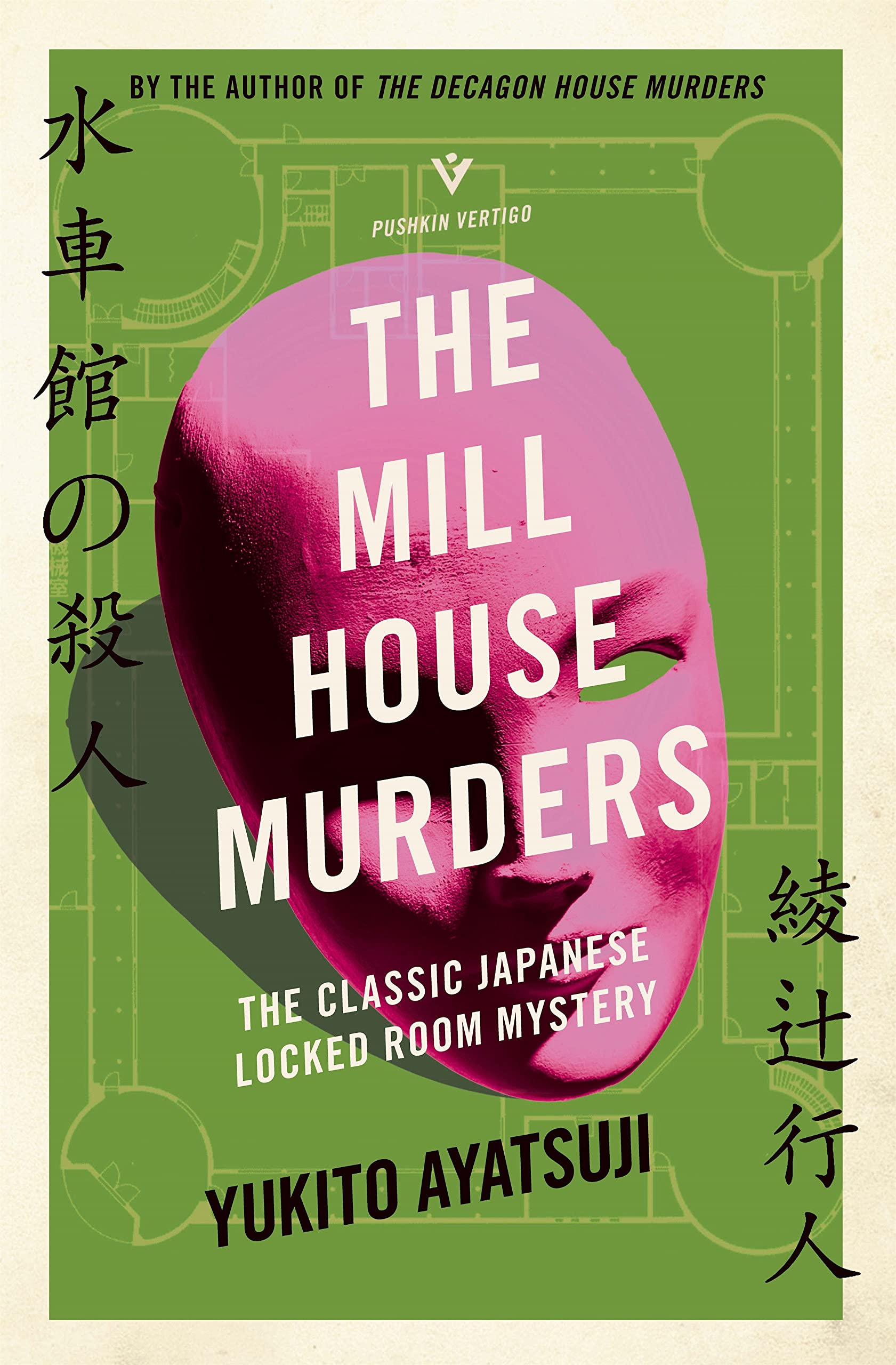
#1082: The Mill House Murders (1988) by Yukito Ayatsuji [trans. Ho-Ling Wong 2023]

Mill House Murders

star filledstar filledstarsstarsstars
The Decagon House Murders (1987, tr. 2015), the excellent first book in Yukito Ayatsuji’s series featuring the bizarre architecture of Nakamura Seiji, was translated into English so long ago that I hadn’t even started blogging at the time. Follow-up The Mill House Murders (1988, tr. 2023) was, then, much anticipated, and, for this reader at least, doesn’t quite merit the wait. While relatively swift, and enjoyably inventive as we’ve come to expect from shin honkaku, there’s a cleverness lacking in a story whose telling is marred by some unusual writing to the extent that I ripped through this without ever really relaxing into it. Like Soji Shimada, Ayatsuji has written a brilliantly clever debut and then suffered from Difficult Second Novel Syndrome.

Continue reading

#987: Death on Gokumon Island (1948) by Seishi Yokomizo [trans. Louise Heal Kawai 2022]

Death on Gokumon Island

star filledstar filledstarsstarsstars
“I don’t want to die. I… I… don’t want to die. I have to get home. My three sisters will be murdered. But… but… I’m done for. Kindaichi-san, please… please go to Gokumon Island in my place…” — thus is Kosuke Kindaichi exhorted by a dying brother in arms as they are demobilised after the end of the Second World War. And so the detective goes to Gokumon Island, meets Chimata Kito’s family, and tries to untangle the maelstrom of violence and confusion that descends upon the island as, sure enough, Chimata’s three sisters Tsukiyo, Yukie, and Hanako are killed one by one. In principle it’s a gripping idea, but in practice it made for me the least interesting of the four Seishi Yokomizo mysteries thus far translated.

Continue reading

#876: The Village of Eight Graves (1951) by Seishi Yokomizo [trans. Bryan Karetnyk 2021]

Village of Eight Graves

star filledstar filledstar filledstarsstars
If ever you come back, there will be blood! Blood!  So runs the anonymous note melodramatically warning 29 year-old Tatsuya Terada against returning to the isolated Village of Eight Graves, out of which he was smuggled as a toddler.  However, it seems that he is the heir to the Tajimi family fortune, which in turn links him inextricably to the terrible violence that traumatised the village 26 years ago, and give many cause to see him as a bird of ill omen.  Sure enough, upon his arrival at his wealthy family’s vast estate, people start to die.  Quite a lot of people.  People who were very much alive before Tatsuya Tajimi showed up.

Continue reading

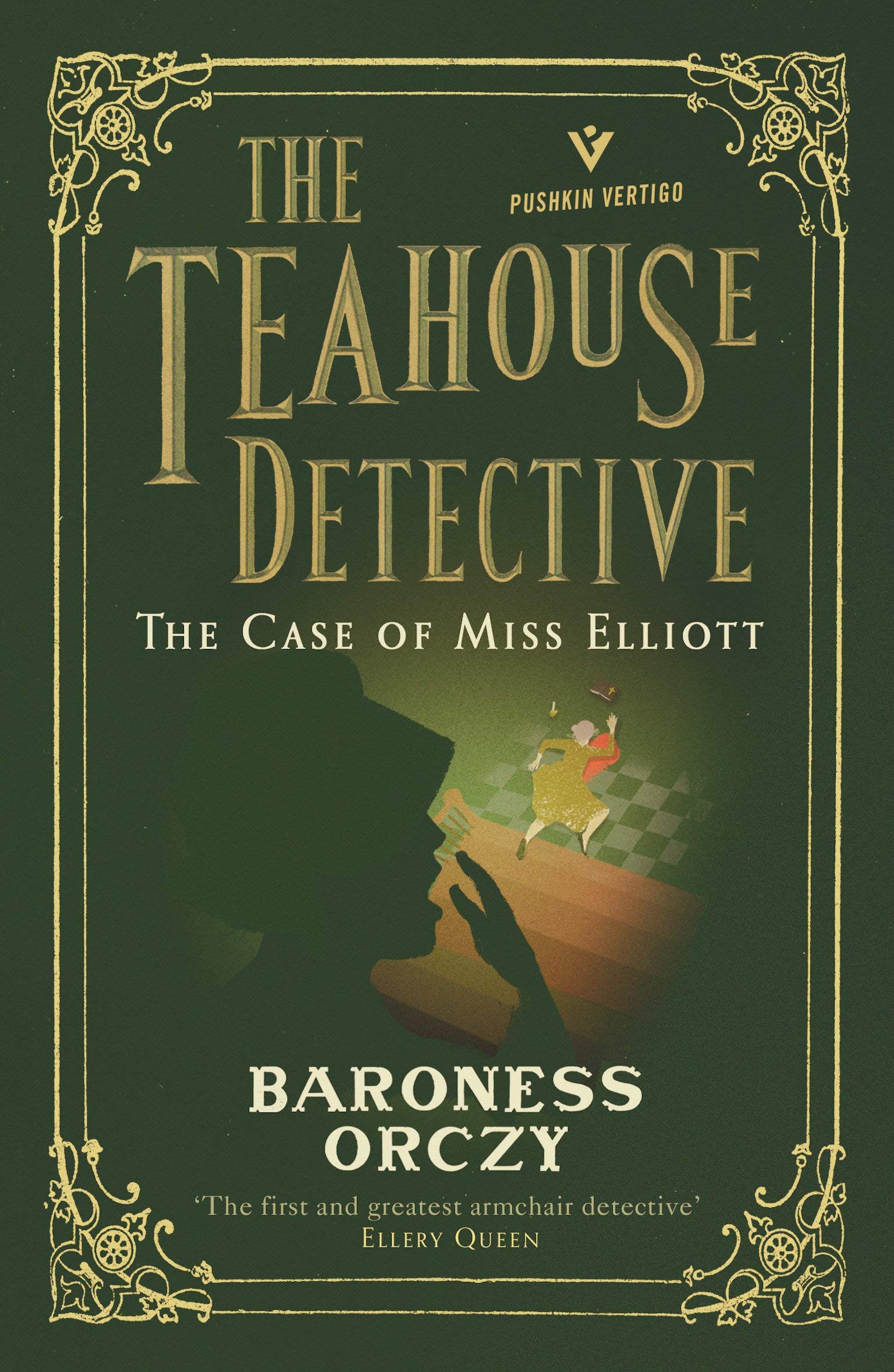
#747: “A murder which at first seems absolutely purposeless always reveals an interesting trait in human nature…” – The Case of Miss Elliott [ss] (1905) by Baroness Orczy

There’s so much depth in Golden Age detective fiction — it was a golden age, after all, irrespective of how narrow you make the window of admissible dates — that one could never read everything. Instead, we must find 60 or so authors who interest us, and hope to get a good coverage elsewhere. Well, if you’ve yet to read Baroness Emmuska Orczy’s Old Man in the Corner stories, I urge you to start as soon as possible.

Continue reading

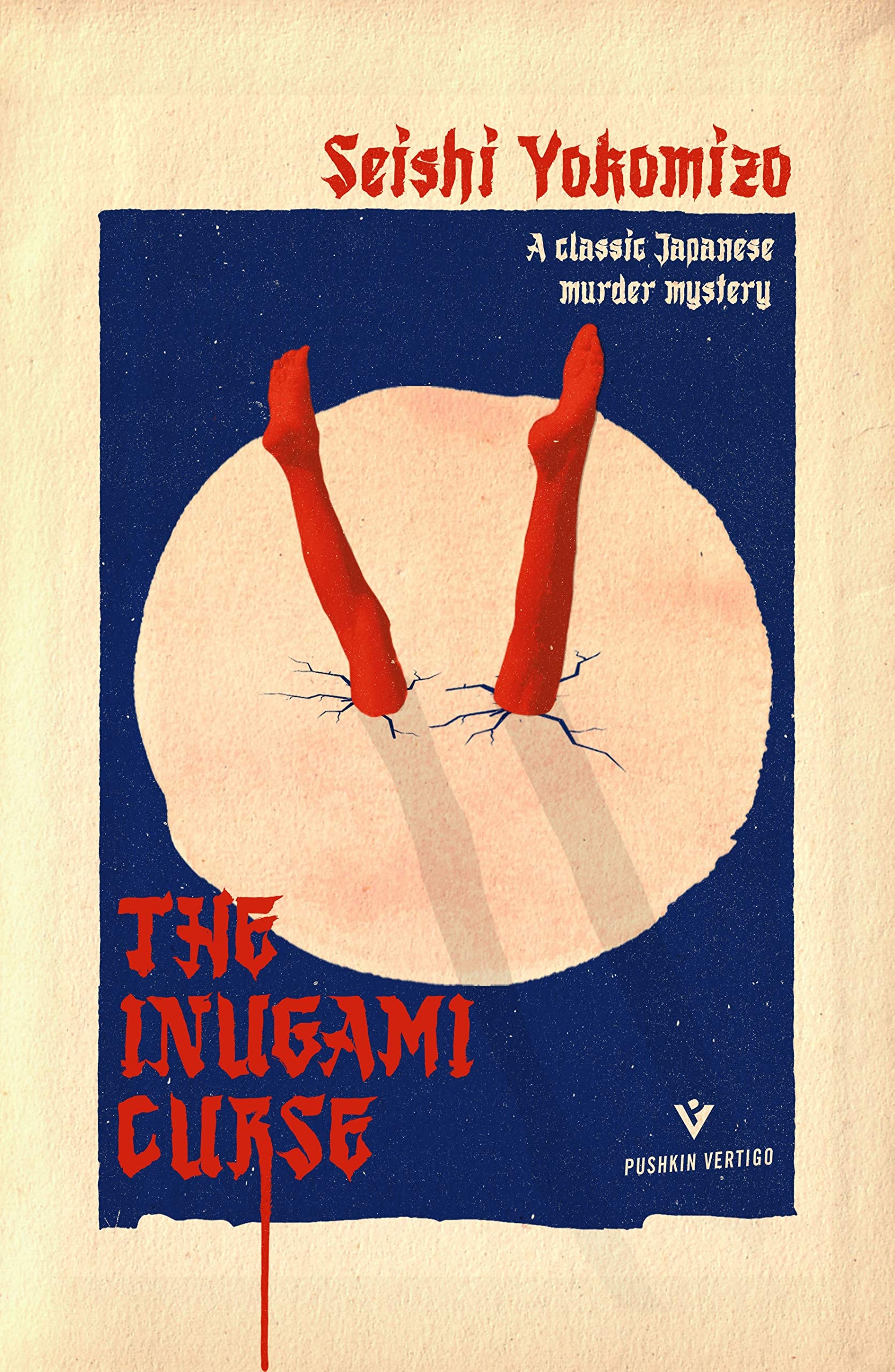
#746: The Inugami Curse, a.k.a. The Inugami Clan (1951) by Seishi Yokomizo [trans. Yumiko Yamazaki 2003]

Inugami Curse, The

star filledstar filledstar filledstar filledstars
When a wealthy businessman bestows his fortune upon a lowly member of his household to the chagrin of his rapacious offspring, you can bet your bottom dollar that some heads are going to (sometimes literally) roll. Rian Johnson’s Knives Out (2019) might be the only time this setup hasn’t resulted in a bloodbath, but The Inugami Curse (1951) by Seishi Yokomizo is from further up the scale. Old sins and their long shadows will get a good airing as stabbings, poisonings, decapitations, stranglings, and even some homicidal wordplay get a murderous field trip to remember. It is, to say the very least, memorable.

Continue reading

In GAD We Trust – Episode 9: Japanese-English Translation + The Honjin Murders (1946) by Seishi Yokomizo [w’ Louise Heal Kawai]

In GAD We Trust

A seam of superb Japanese detective novels and short stories have crossed the language barrier in recent years, teaching even the most culturally ignorant of us to tell our honkaku from our shin honkaku.  And here to give us a sense of the work involved in making that happen is literary translator Louise Heal Kawai.

Continue reading