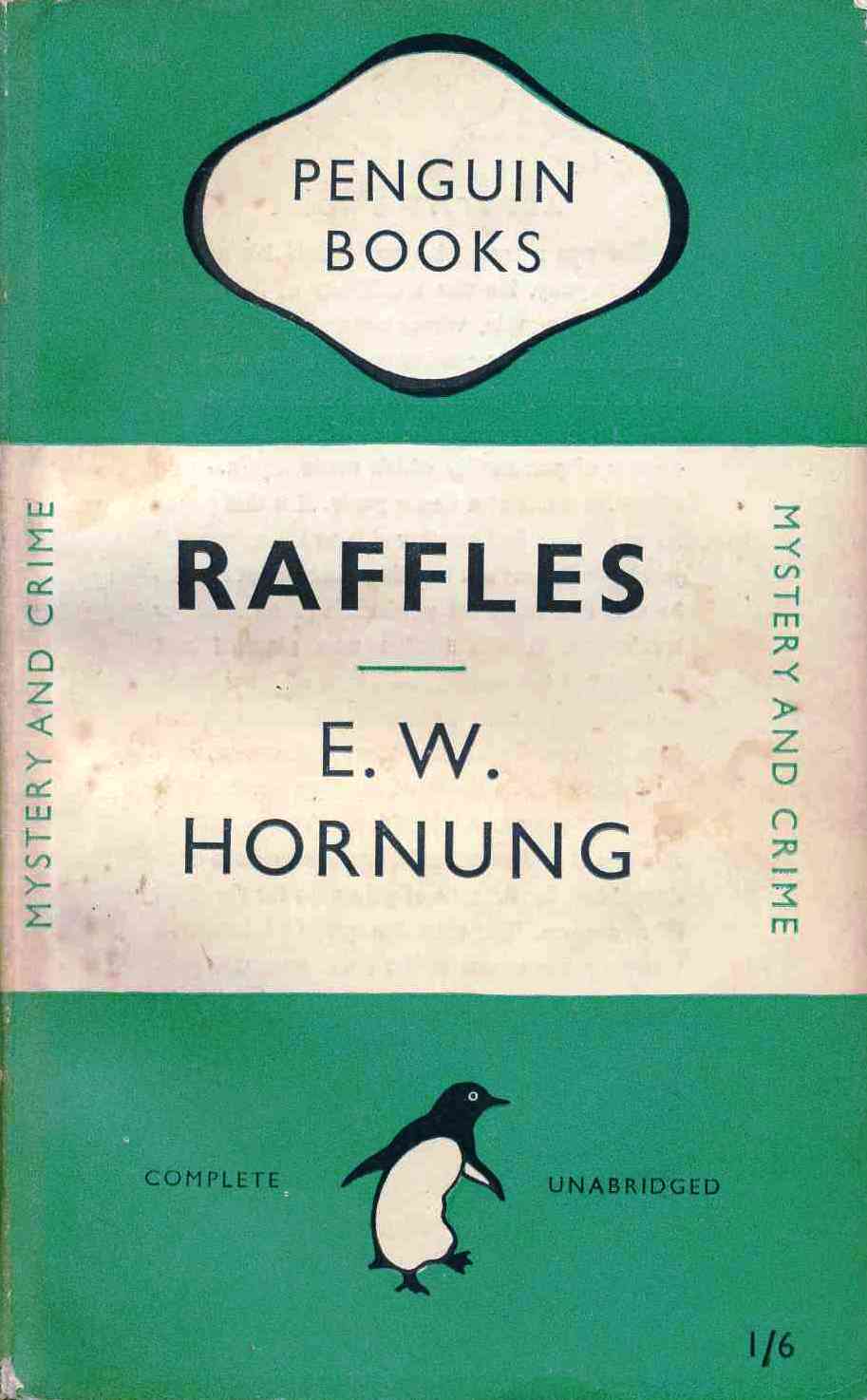
As discussed previously, Tuesdays in February will feature four collections of short stories on the Haycraft-Queen Cornerstones list, selected on account of my ever-growing interest in what the genre looked like before the advent of the Golden Age in (no arguments here…) 1920. Confusingly, my 1950 green Penguin paperback of gentleman thief Raffles stories by E.W. Hornung shown above contains 14 tales, only the first eight of which concern us today, comprising as they do the first collection to feature the character, The Amateur Cracksman (1899).
Continue readingOOP
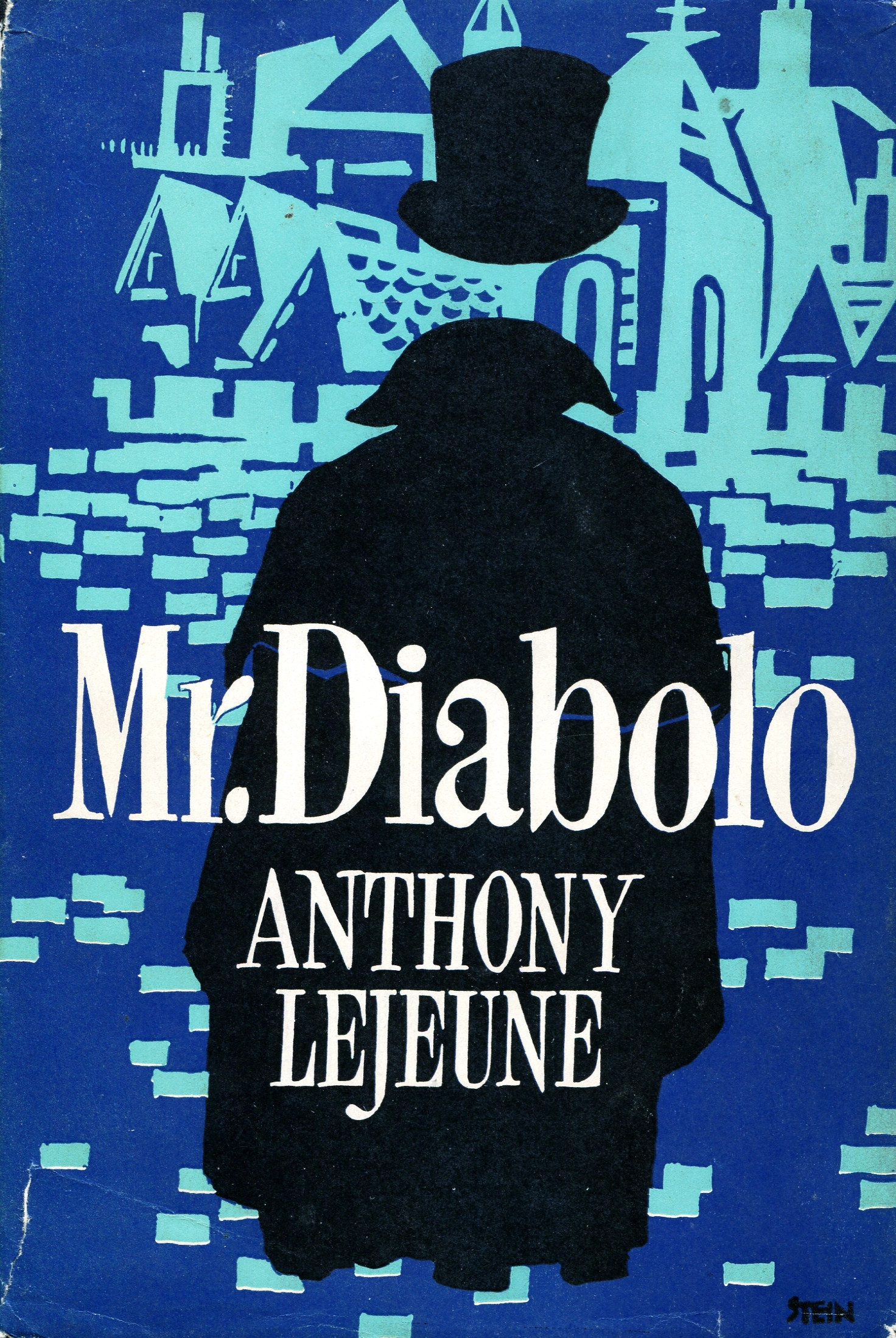
#851: “But soon the rumours became darker…” – Mr. Diabolo (1960) by Anthony Lejeune
There are Advent calendars in the supermarkets, but I’m sticking to my guns and committing October to a study of the eldritch and shiversome in detective fiction. We have zombies stalking through, Tuesday was ghosts, Thursday was spiders, and today we’ll look at the legend of Mr. Diabolo.
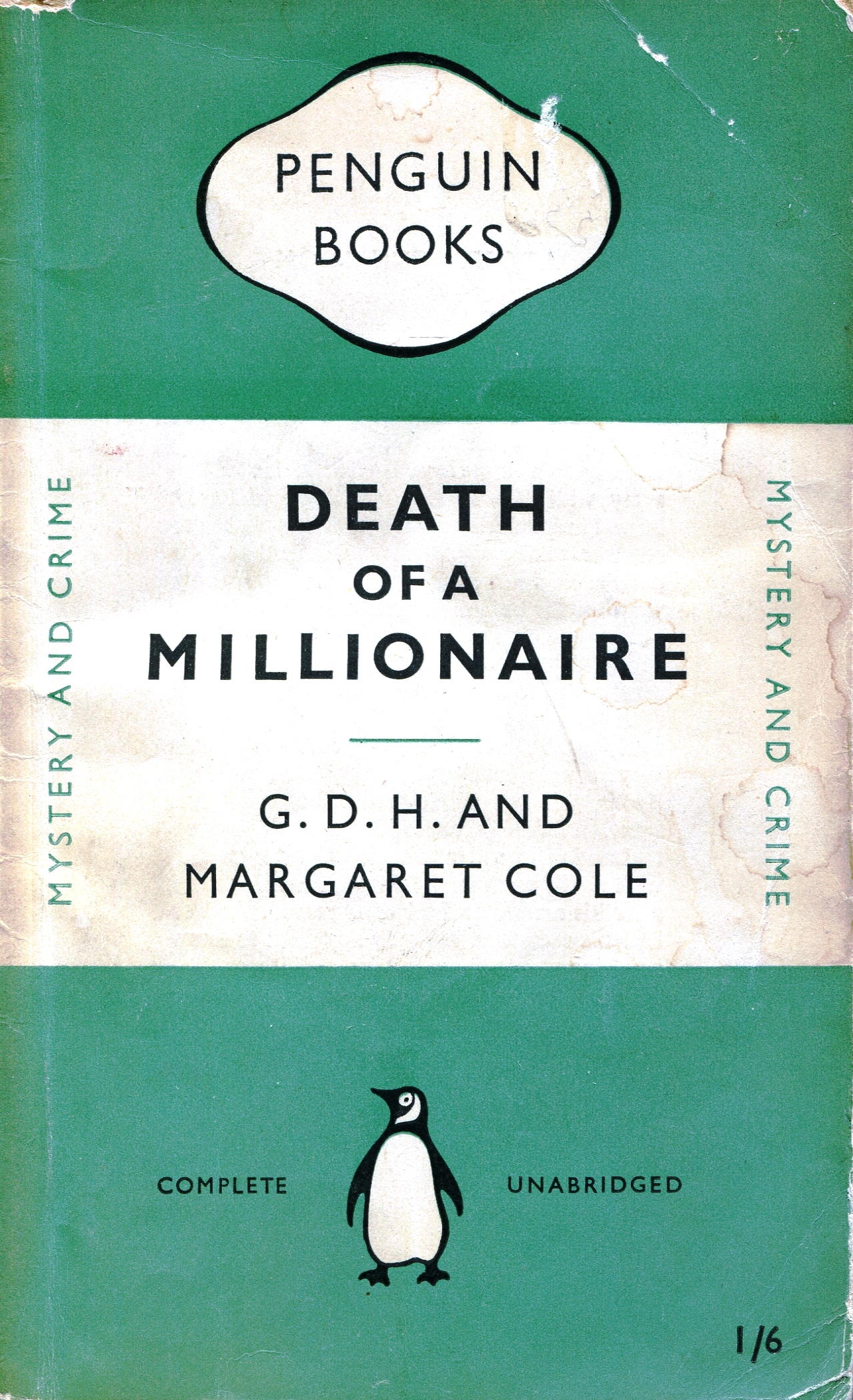
Continue reading#839: The Death of a Millionaire (1925) by G.D.H. and Margaret Cole

![]()
![]()
![]()
![]()
![]()
Here’s an oddity to begin with: the cover of my Penguin edition of The Death of a Millionaire (1925) by G.D.H. and Margaret Cole — a scan of the actual copy I read shown left — omits the opening article, but the title pages and all the internal pages include it. This may be deliberate, since it’s about the only mystery connected with this title that will confound any readers, the central scheme being frankly transparent to the modern eye — even if it may have caused sensation in 1925. However, the book as a whole is so very enjoyable, occasional facetiousness aside, that I can’t really hold this against it.
#832: Minor Felonies – The Mystery of the Grinning Tiger (1956) by Bruce Campbell
I have read some dull books of late, but The Mystery of the Grinning Tiger (1956), the eleventh entry in Beryl and Sam Epstein’s series featuring teenage sleuths Ken Holt and Sandy Allen, might be the dullest yet.
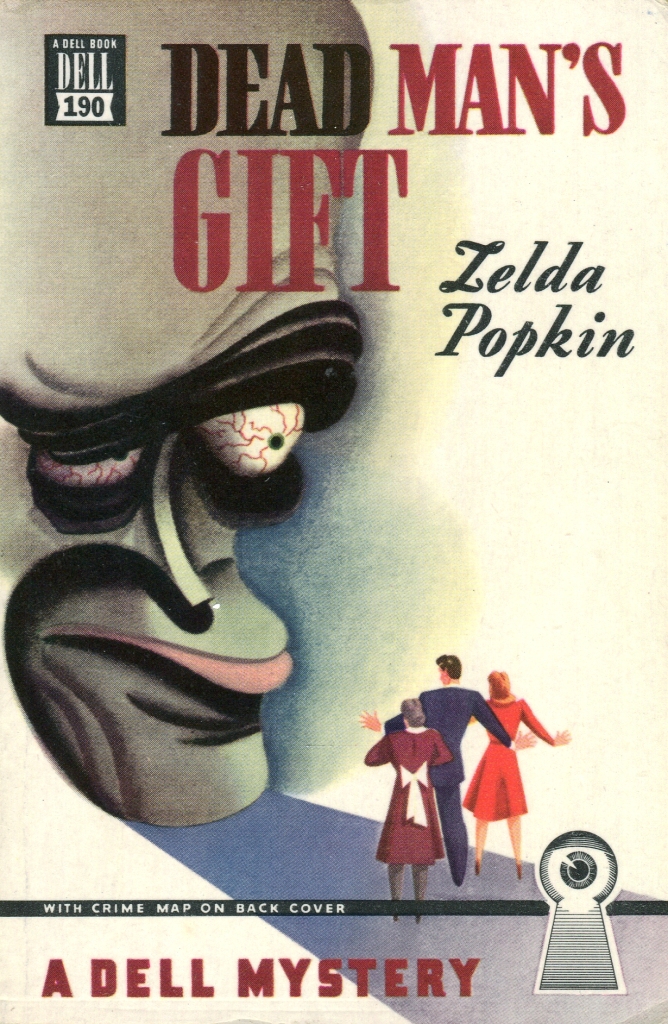
Continue reading#827: Dead Man’s Gift (1941) by Zelda Popkin

![]()
![]()
![]()
![]()
![]()
Elderly mining magnate Michael Carmichael has died, leaving behind one of the great Terrible Wills of Fiction in which money is bequeathed to various relatives in reparation for indignities endured on his behalf or at his hands. But the heirs so-named, gathered in Carmichael’s home as directed in his will, not only deny these claims but also can’t seem to agree on who the man was to each of them — uncle, great-uncle, maybe a cousin of some hue or stripe — and investigator Mary Carner, brought along by pulchitrudinous shopgirl Veronica Carmichael, suspects that something fishy is going on. And then rising flood waters force everyone to stay the night. Cue chaos.
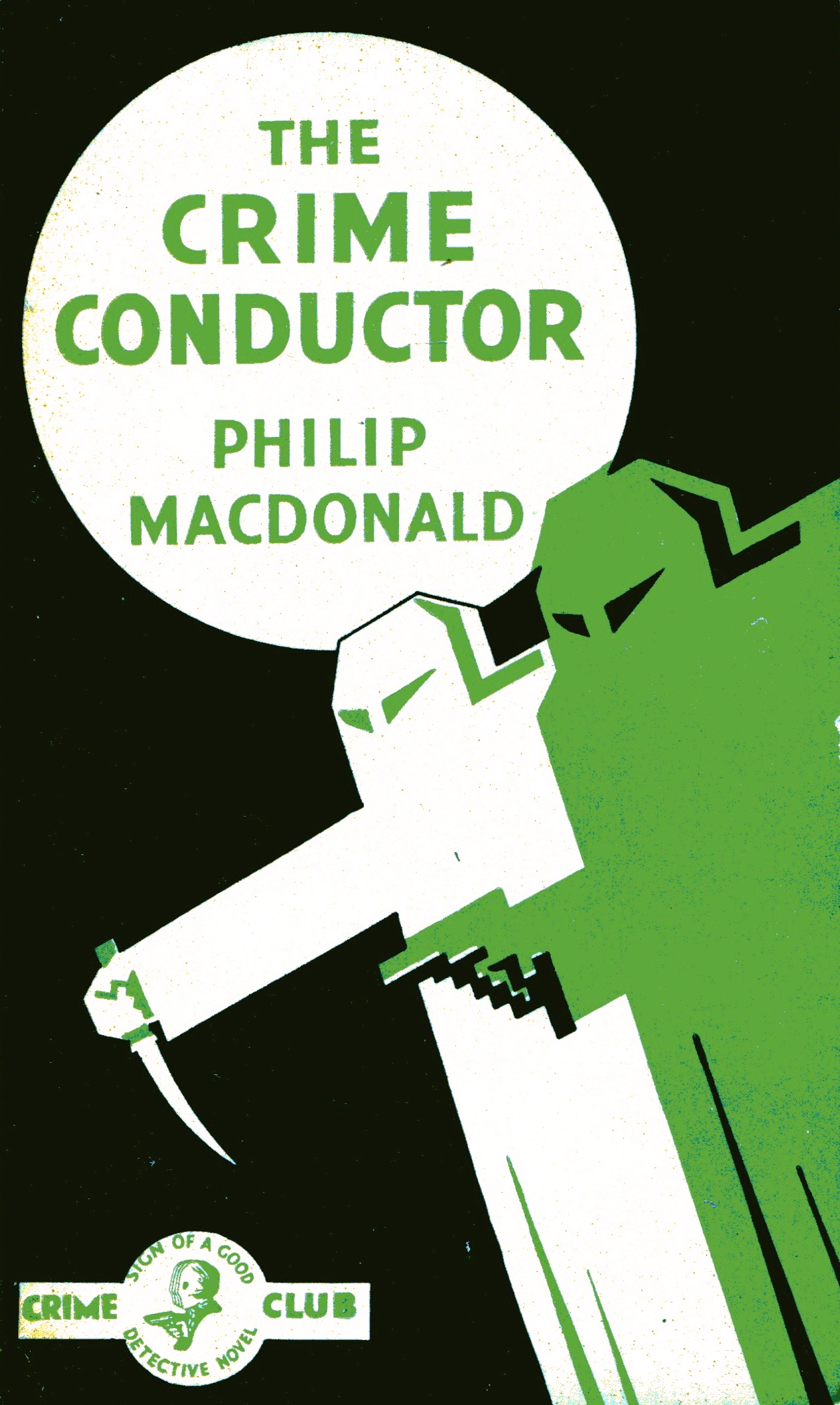
#824: The Crime Conductor (1932) by Philip MacDonald

![]()
![]()
![]()
![]()
![]()
“In all the cases I’ve been mixed up in,” muses Colonel Anthony Gethryn early on in The Crime Conductor (1932), “I can only remember two which I was pulled into from the outside. All the others I seemed to fall into”. Cue a knock at the door from a constable because the celebrated theatrical impressario Willington Sigsbee has been found drowned in his bathtub over the road, and Gethryn falls into yet another murder investigation. Locked bathroom door notwithstanding, Gethryn is suspicious partly on account of “why a bath was wanted at all” in the middle of the “slightly orgiastic party” Sigsbee was hosting, and so the household comes under suspicion. Cue The Yard…
#815: Gold Comes in Bricks (1940) by A.A. Fair

![]()
![]()
![]()
![]()
![]()
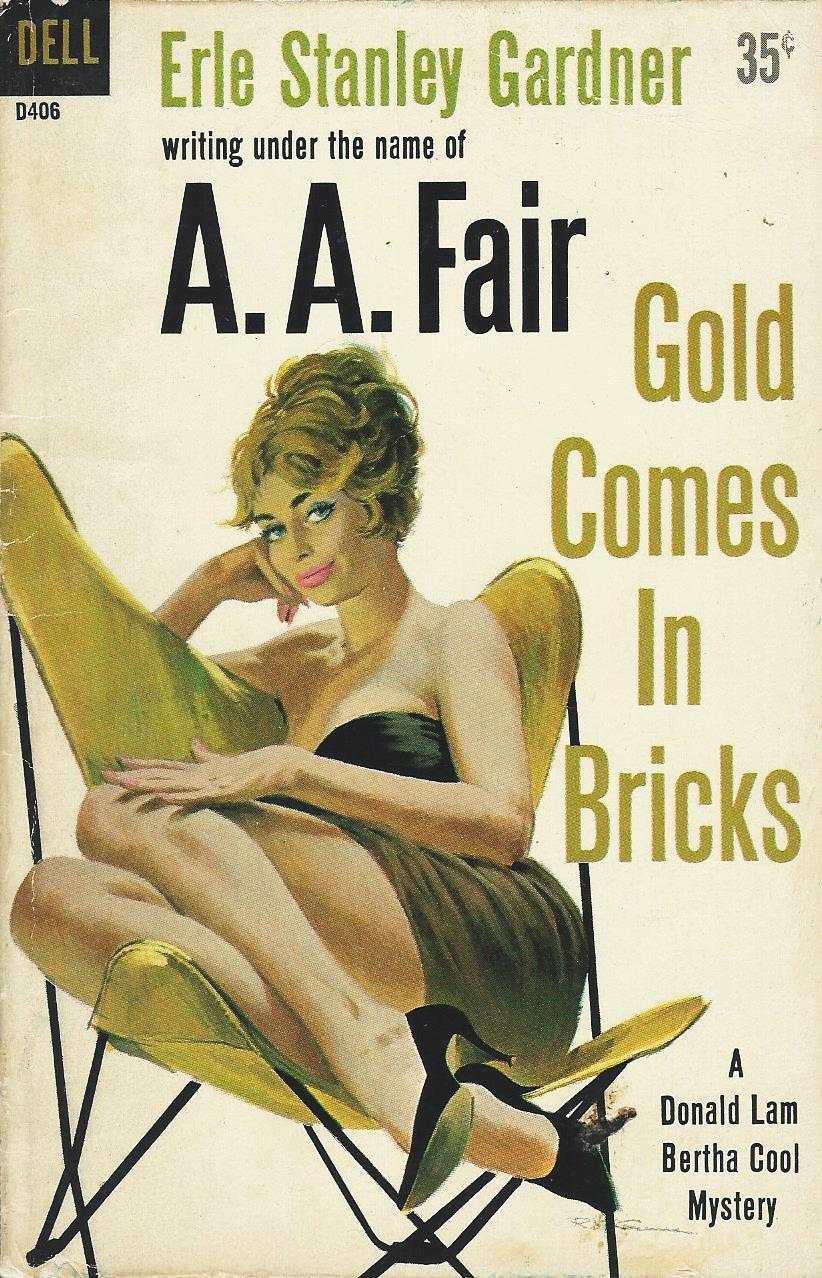
I wasn’t expecting to get a review out today, but a sleepless night and the ice-cube-on-an-oil-slick-fast prose of Erle Stanley Gardner combined to make Gold Comes in Bricks (1940), the official third entry in the Bertha Cool and Donald Lam series, fly past in no time at all. No, you didn’t miss anything, I haven’t yet reviewed the official second entry Turn on the Heat (1940) — I still don’t own about half of this series, having disposed of my original copies yeeeeears ago — I’ll try to fill in the gaps in my collection and reintroduce chronology from now on. Did I mention my sleepless night? Distraction was needed, and Gardner always delivers in that regard.
#809: The Clock Strikes 13 (1952) by Herbert Brean

![]()
![]()
![]()
![]()
![]()
Just a few days ago it was my lot to be unimpressed by the concluding volume of one series, and so time is ripe for me to be slightly underwhelmed by the fourth and final novel to feature Herbert Brean’s photographer-sleuth Reynold Frame. This feels like the thousandth book I’ve read this year to which my response has been “Yeah, it was okaaaay…”, but it’s sort of pleasing to finally encounter something by Brean that fails on its own terms — though if you can’t help but go into this “ten people trapped on an island, then murder intrudes” story expecting an update of And Then There Were None (1939), you do so at your own damn peril.