#1174: Case for Three Detectives (1936) by Leo Bruce

Case for Three Detectives

star filledstar filledstar filledstar filledstars
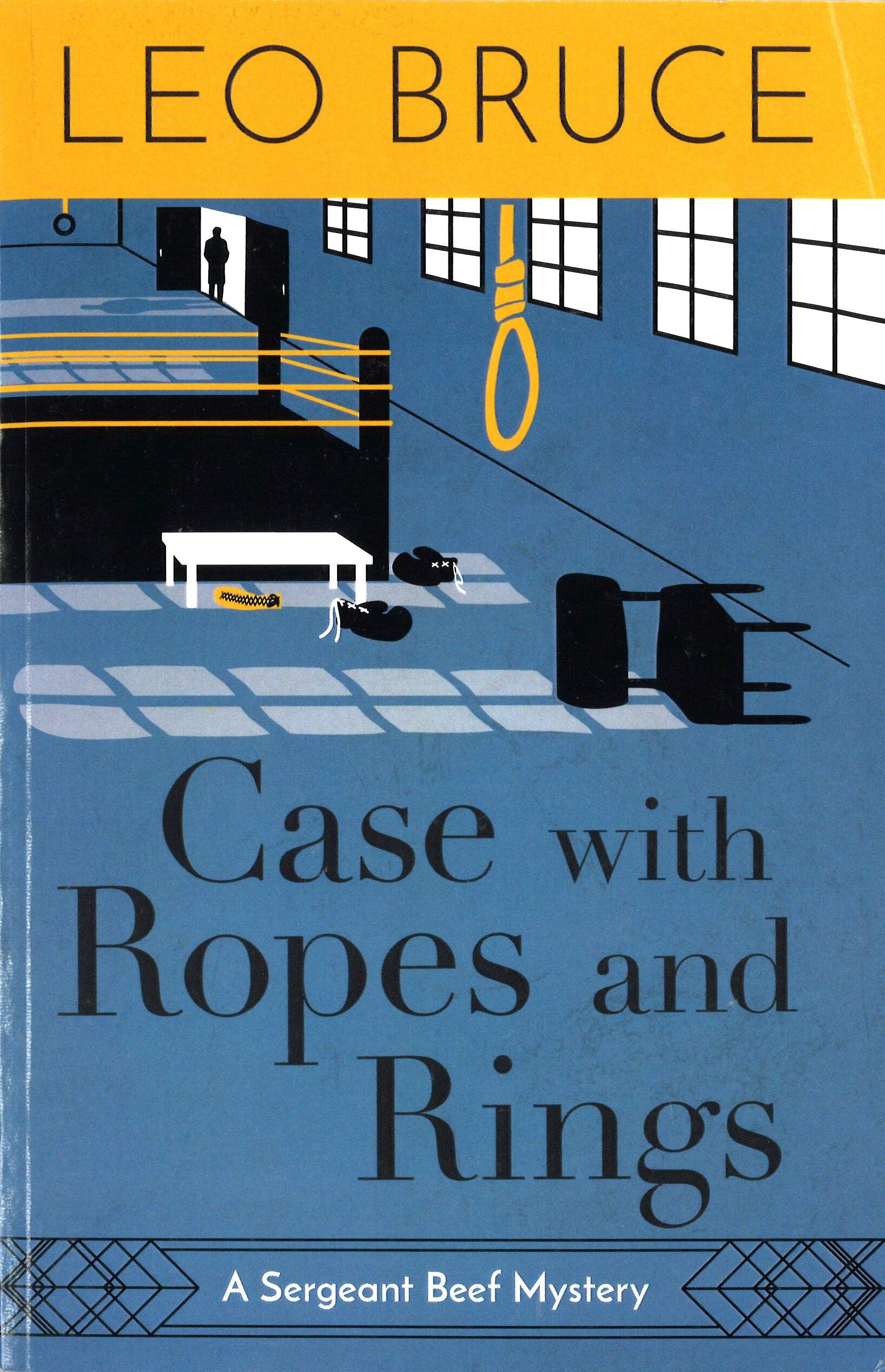
Case for Three Detectives (1936) by Leo Bruce was perhaps the first impossible crime novel I read after becoming aware that the subgenre existed, and it had such a marked effect on me that, nearly 15 years later, it was the first title added to my Locked Room Library. Revisiting it is, then, something I approached with trepidation: I have experience of beloved texts failing to live up to my memories…but, then, I’ve reread books I enjoyed and found them even more delightful on more than one occasion. So forward I sallied into this: a weekend gathering, a locked room throat-slashing, and the usual rounds of suspicion and obscure proclamations from three genius amateur detectives.

Continue reading

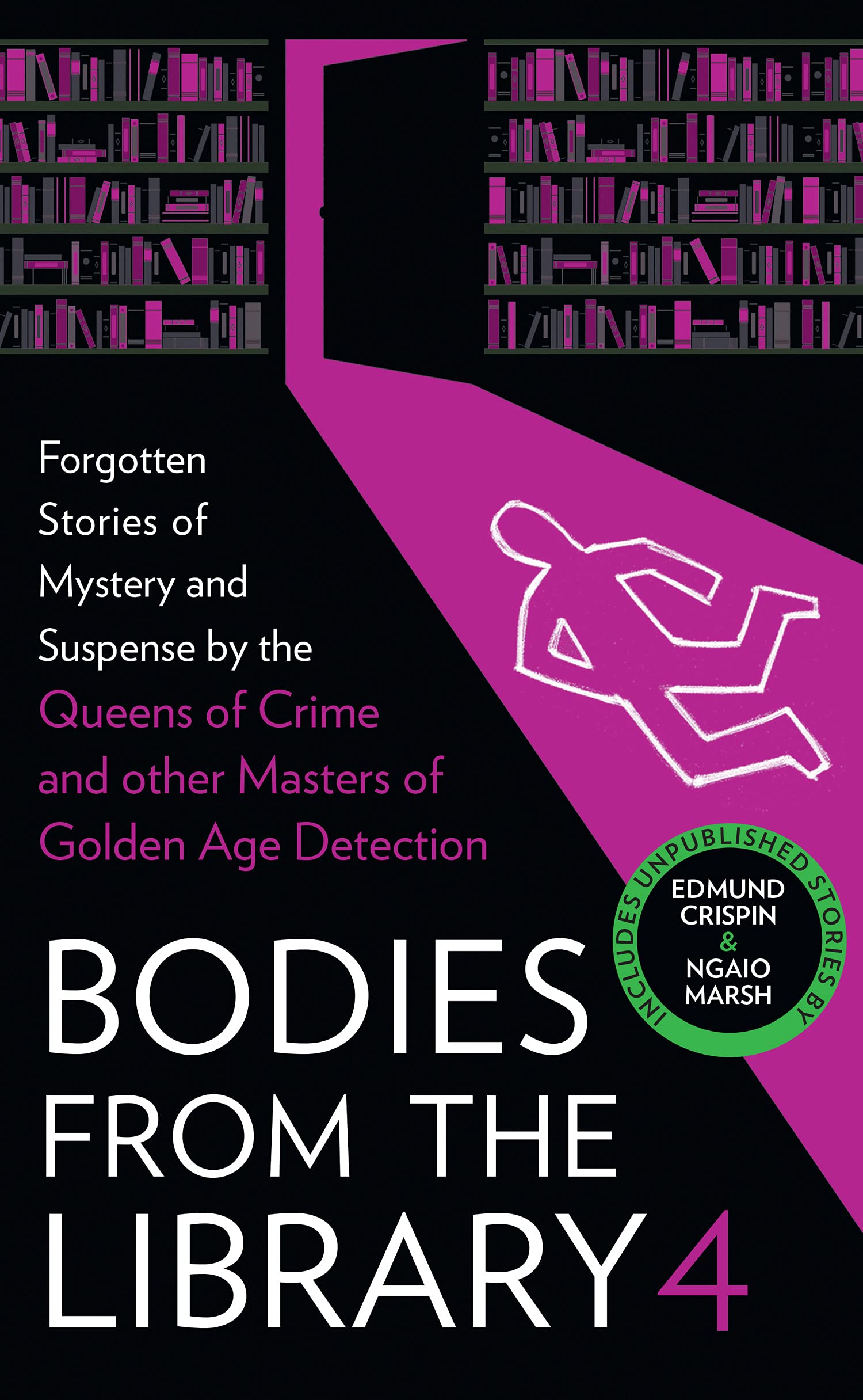
#831: “As you know, an unusual crime has a deep interest for me…” – Bodies from the Library 4 [ss] (2021) ed. Tony Medawar

I can’t believe that there is a GAD enthusiast who doesn’t look forward to the annual Bodies from the Library collections so expertly curated by Tony Medawar. In bringing to public awareness some of the forgotten, neglected, or simply unknown stories that the great and the good of the form produced, these collections have become a source of great excitement, and a must-read for even the most ardent student of the Golden Age.

Continue reading

In GAD We Trust – Episode 23: What’s in a Watson? [w’ Caroline Crampton]

The companion of the fictional detective — the “stupid friend” as Ronald Knox styled them — is something I have spent far too long thinking about, mainly because the protoype is always taken to be Sherlock Holmes’ chronicler Dr. John H. Watson. Joining me this week to discuss why that might not always be a good comparison to draw is Caroline Crampton of the superb Shedunnit podcast.

Continue reading

#790: On the Morals of Golden Age Detective Fiction, via Crime and Detection [ss] (1926) ed. E.M. Wrong

That title is doing a lot of work, isn’t it? Fair warning: this goes on a bit.

At the online Bodies from the Library conference last weekend, I gave a talk inspired in part by E.M. Wrong’s introduction to the 1926 anthology Crime and Detection. And, in addition to coining the term “Wellington of detection” that inspired the thinking I laid out last weekend, there is plenty of material in that piece of prose to get the cogs turning.

Continue reading