With the sixteenth to twenty-fourth novels by Freeman Wills Crofts to feature his series detective Chief Inspector Joseph French due to be republished between now and January 2023 (well, #18, Antidote to Venom (1938), is already available from the British Library) it occurred to me that people might be looking for advice about the first fifteen — all, incredibly, in print.
Continue readingInverted Mystery
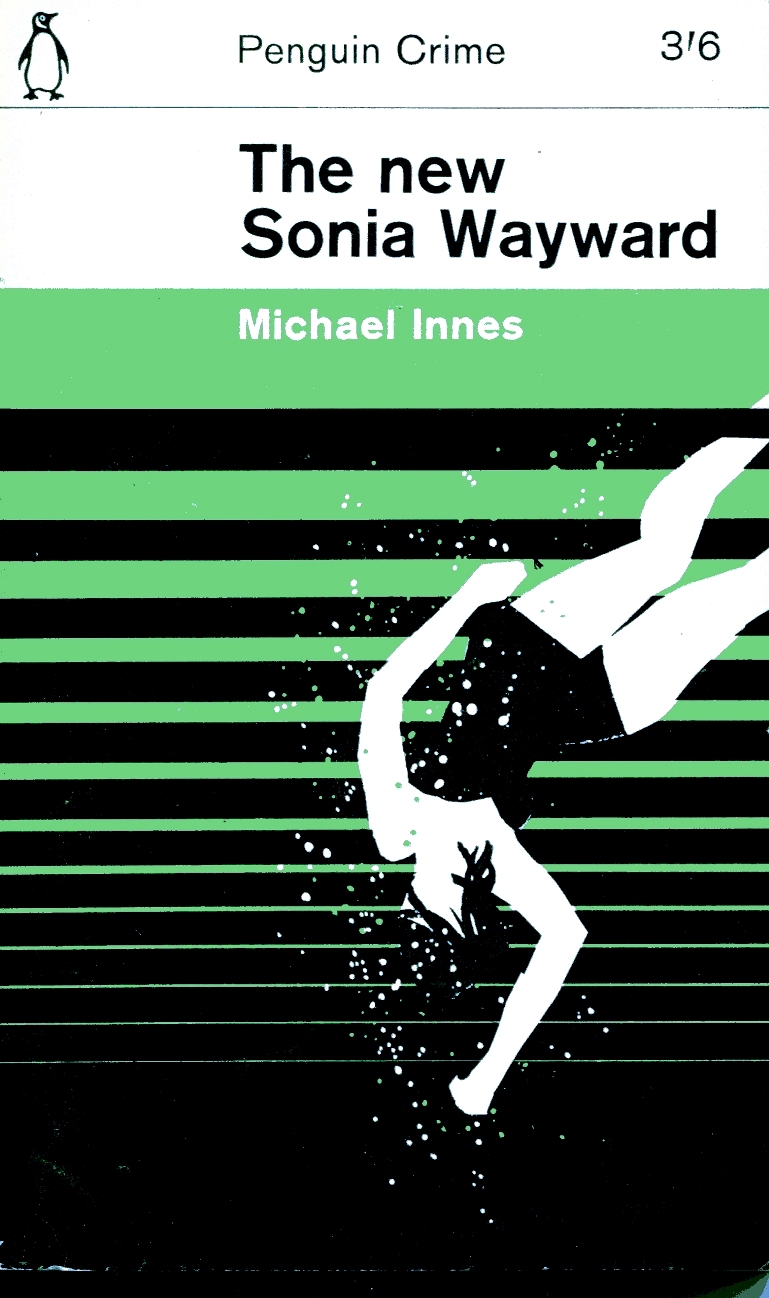
#939: The New Sonia Wayward, a.k.a. The Case of Sonia Wayward (1960) by Michael Innes

![]()
![]()
![]()
![]()
![]()
Previous experience with the detective fiction that John Innes Mackintosh Stewart published under the name Michael Innes has universally left me cold, but Aidan’s laudatory review of The New Sonia Wayward (1960) convinced me to give him one more go. I’m glad I did, because I disliked this book immensely and can now strike Innes off my ungrammatically-titled list of Authors To Persevere With and never look back. But, here’s the thing, my dislike here is quite startlingly personal in a way that makes it interesting to me, so I thought I’d struggle through and write it up as a lesson to my future self. You are invited to come along, but I shall not mind (or know) if you refuse.
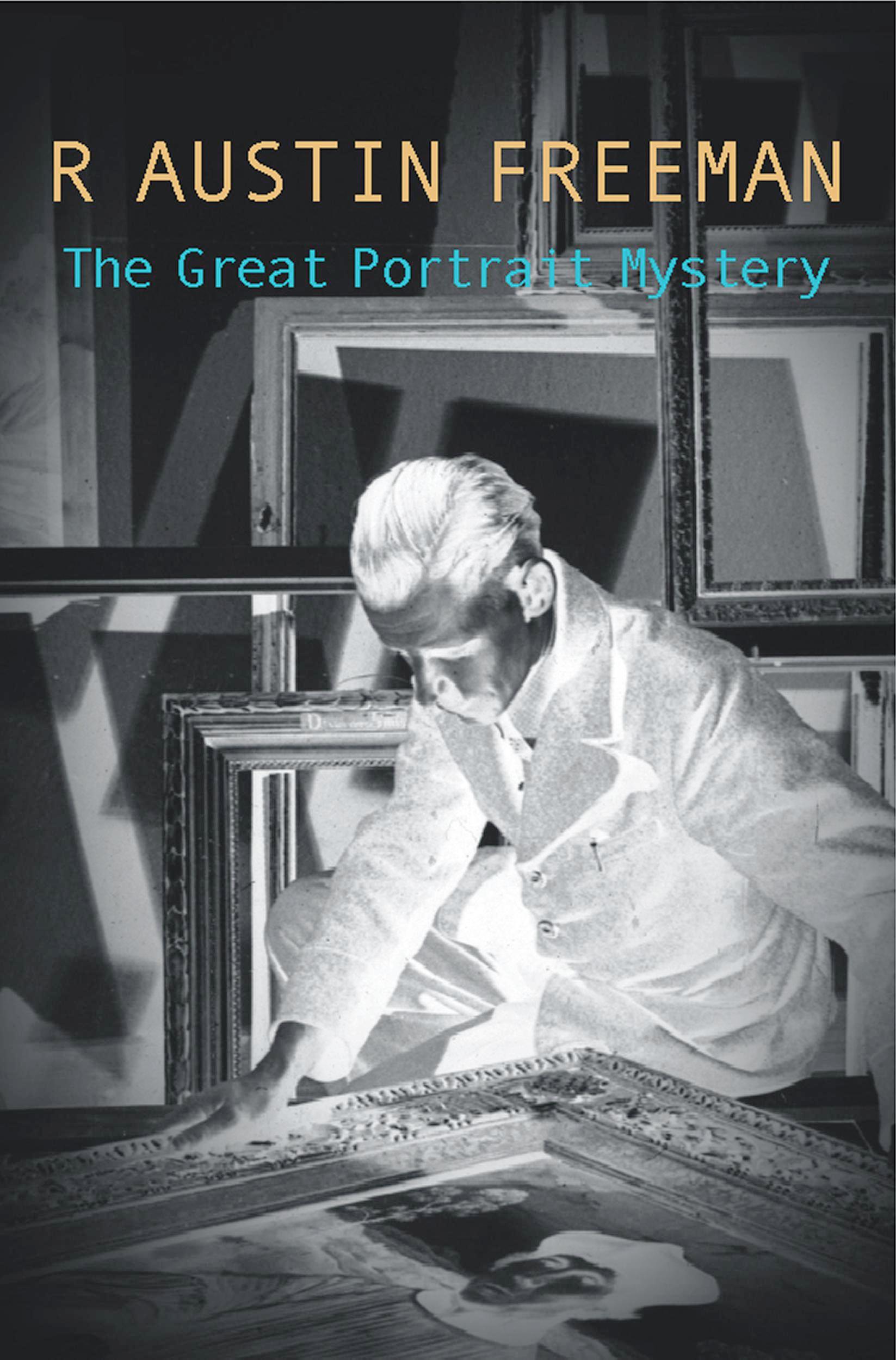
#934: “It was surprising what a change the last minute or two had wrought…” – The Great Portrait Mystery [ss] (1918) by R. Austin Freeman
The short story collection The Great Portrait Mystery (1918) occupies an odd position in the oeuvre of R. Austin Freeman. Five of the seven stories herein have almost nothing to do with each other — tonally, thematically, genre-wise — and the other two are inverted tales of detection featuring his famous medical jurist character Dr. John Evelyn Thorndyke. So were Freeman’s publishers simply fancying up some of his B-material by including a couple of Thorndyke tales to draw otherwise-uninterested readers to this collection? Let’s find out.
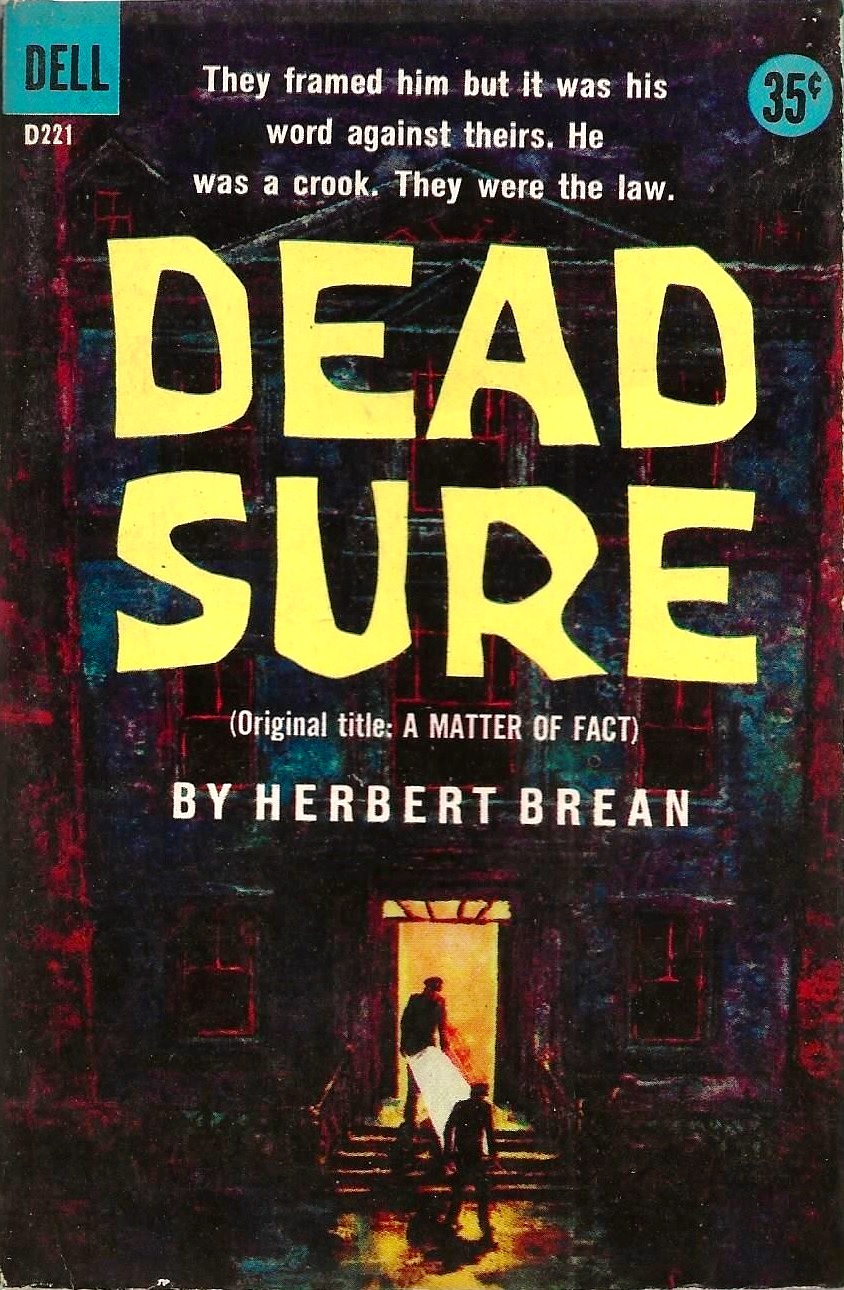
Continue reading#933: Dead Sure, a.k.a. Collar for the Killer, a.k.a. A Matter of Fact (1956) by Herbert Brean

![]()
![]()
![]()
![]()
![]()
Herbert Brean is an author whose work is really rather difficult to pigeonhole, and this multi-titled obscurity — I’ll call it Dead Sure (1956), as per my Dell paperback edition — highlights why. From the gentle Americana puzzling of his debut Wilders Walk Away (1948), to the gloomy suspense of The Darker the Night (1949) and the intricate historical imbrications of his masterpiece Hardly a Man is Now Alive (1950), we find ourselves now in a sort of Woolrichian nightmare of an honest cop framing an innocent man and attempting to dig himself out before it’s too late…both legally and morally. And yet, even then, there’s more going on here.
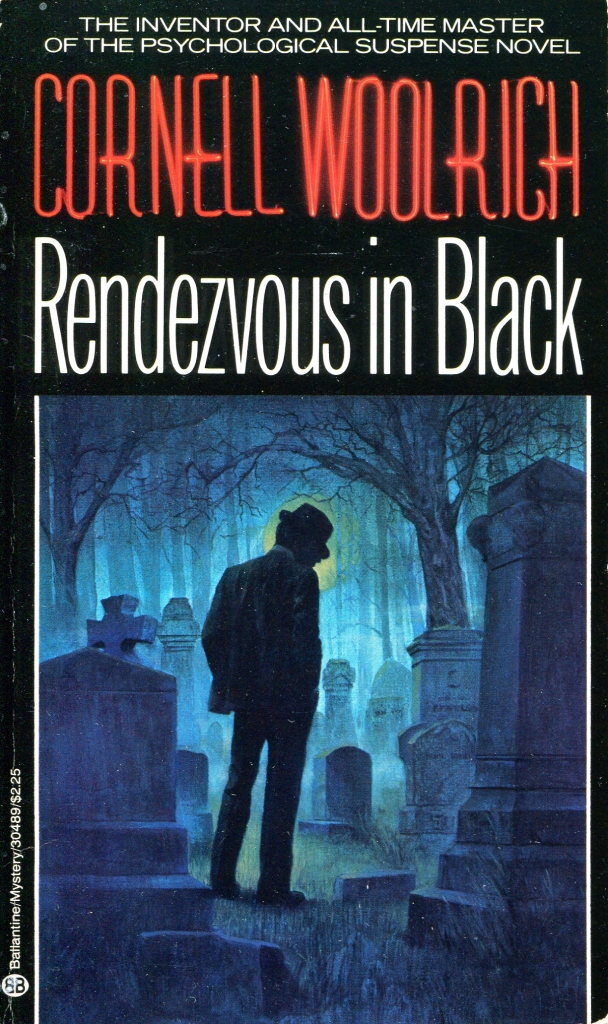
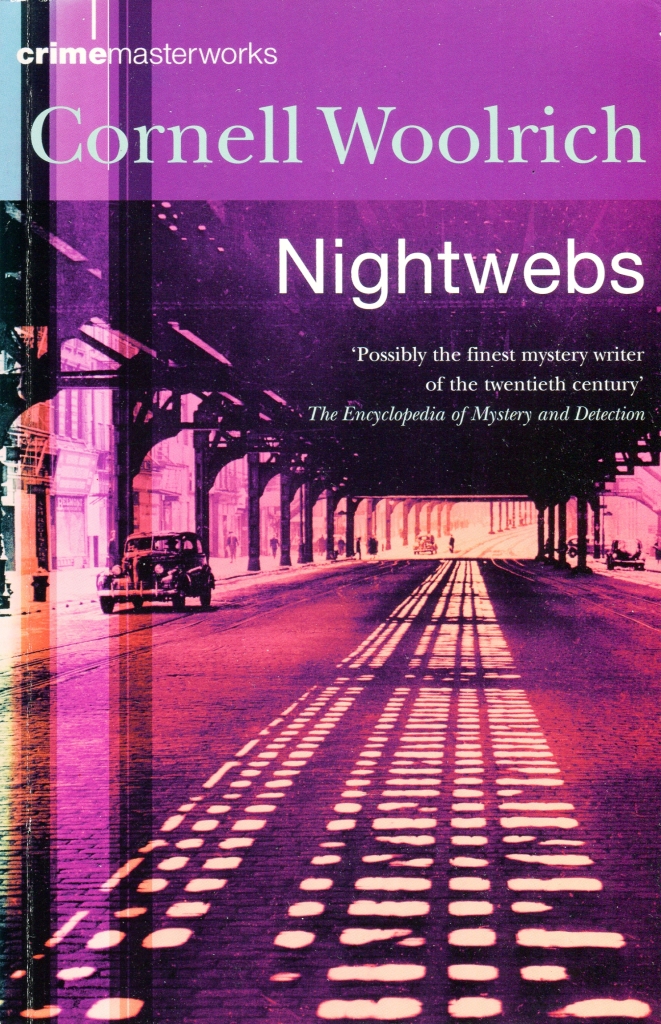
#925: “Everyone has to die sometime.” – Nightwebs [ss] (1971) by Cornell Woolrich
Roughly twenty years ago, the British publisher Orion released a series of reprints under the banner of Crime Masterworks which had something of a transformative effect on the books Younger Me started to look out for. Included in that selection was the short story collection Nightwebs (1971) by Cornell Woolrich.
Continue reading#922: This Deadly Isle: A Golden Age Mystery Map (2022) by Martin Edwards [ill. Ryan Bosse]
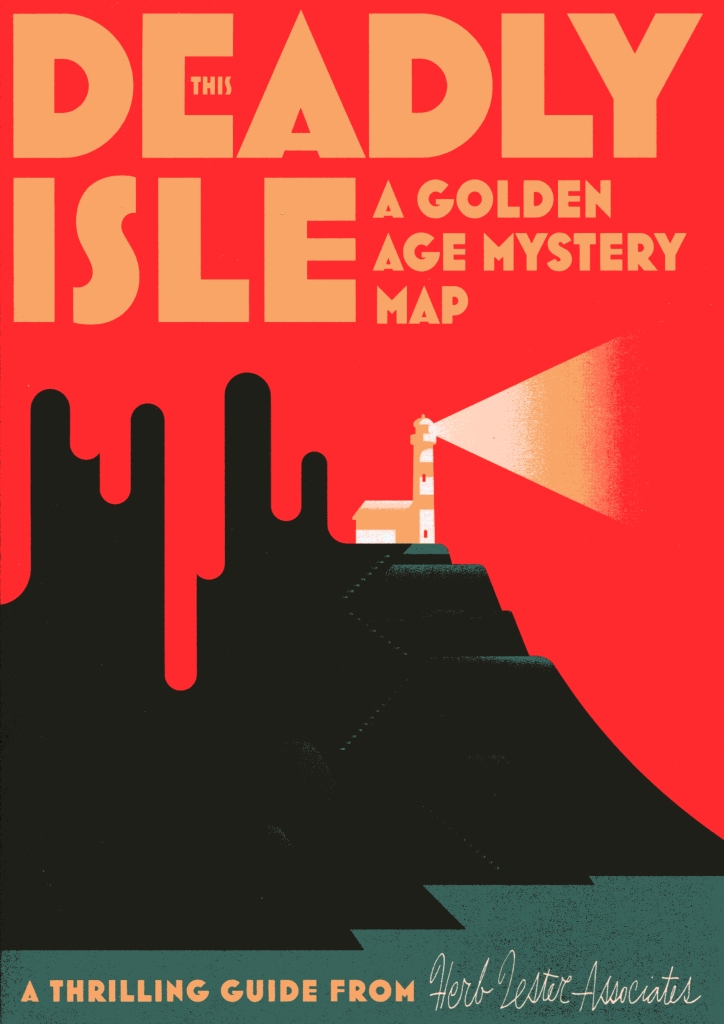
After the very enjoyable work done by Herb Lester and Caroline Crampton in mapping the key locations of Agatha Christie’s English mysteries, it was surely only a matter of time before a similar project was attempted. And This Deadly Isle, which maps the locations of a raft of Golden Age mysteries across the country, is the delightful inevitable follow-up.
Continue reading#918: The Life of Crime (2022) by Martin Edwards

![]()
![]()
![]()
![]()
![]()
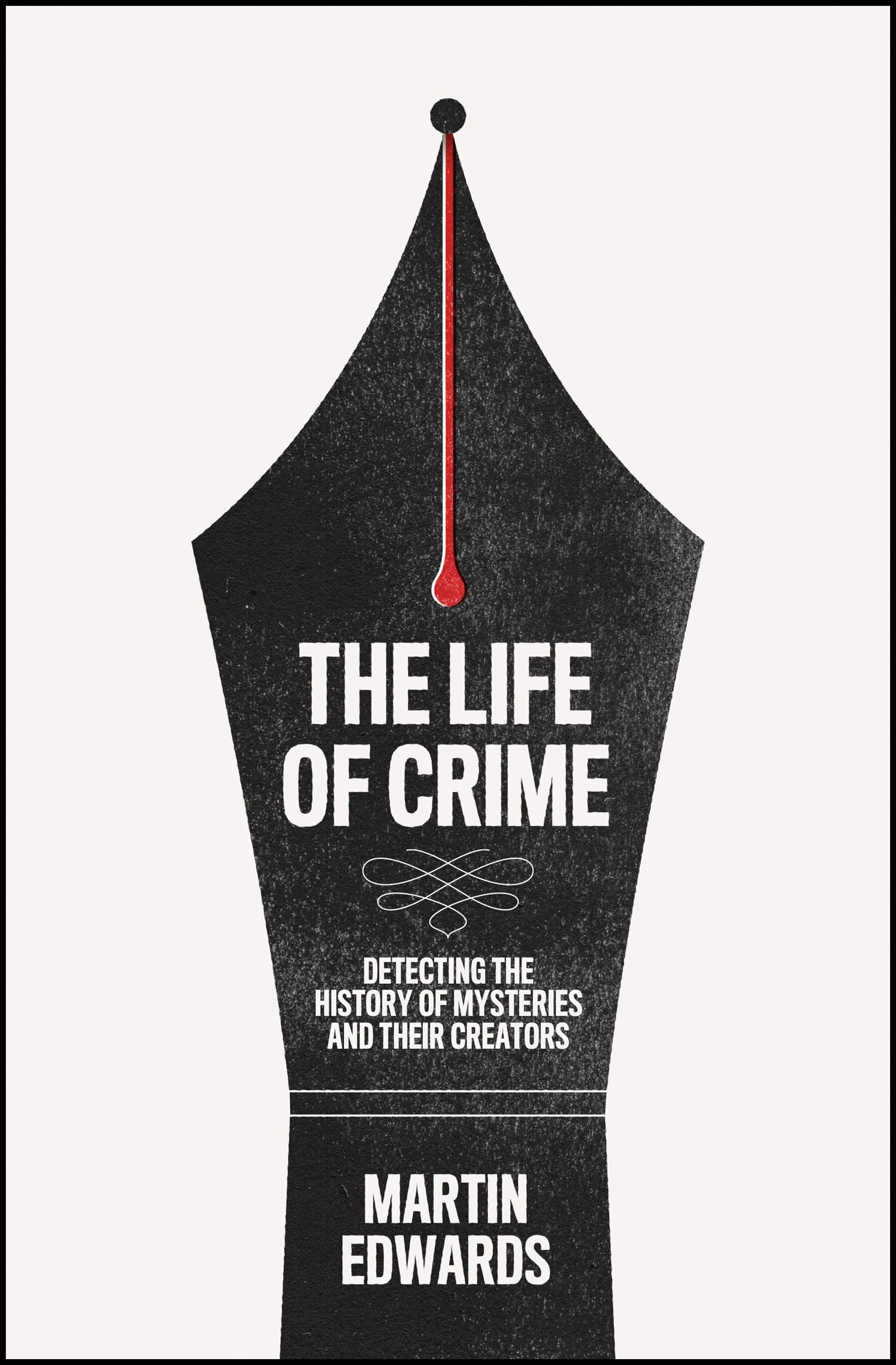
To me falls the honour of rounding off the blog tour for The Life of Crime (2022) by Martin Edwards, adding to the deserved praise it has already garnered elsewhere. This “personal journey through the genre’s past, with all the limitations and idiosyncrasies that implies” is a monumental achievement, encompassing the breadth and depth of a genre that is now a good couple of centuries old, and finding many nuggets to share about it along the way. And, since any study of a genre must inherently be about that genre to some extent, Edwards’ trump card here is to tell a story of crime writing that also sheds light on the need for such stories to exist in the first place.
#901: “Killing? Who said anything about killing?” – Future Crimes: Mysteries and Detection Through Time and Space [ss] (2021) ed. Mike Ashley
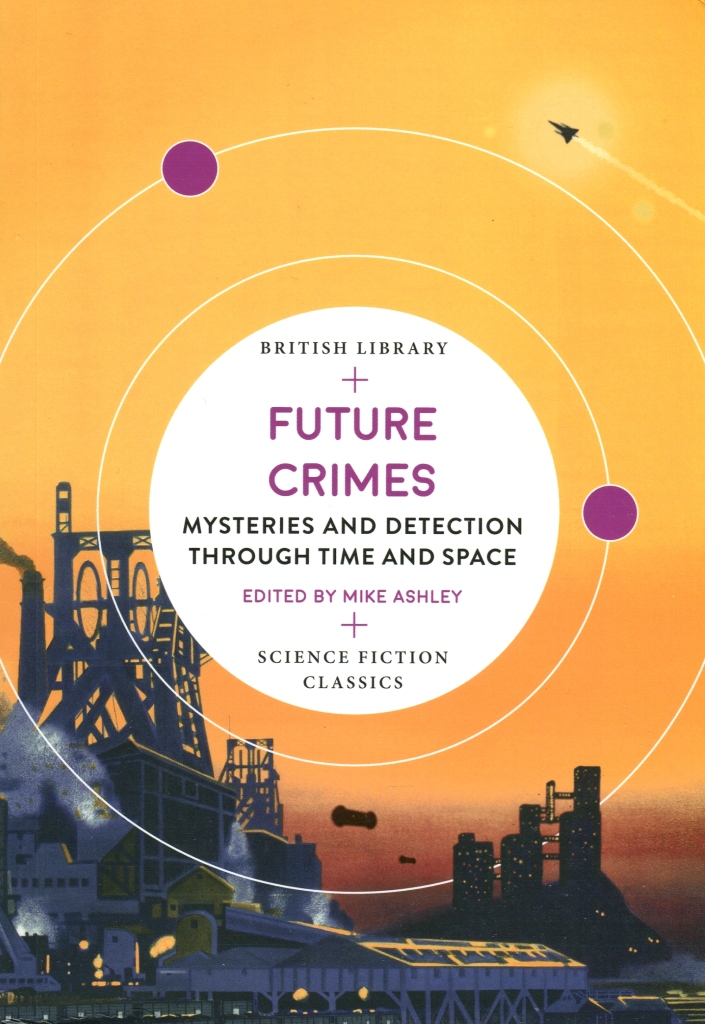
Mike Ashley, surely the world’s hardest-working editor of short story collections, has combined two of my loves with Future Crimes (2021): detective fiction and SF. As a fan of crossover mysteries, this seems tailor-made for me, and I have Countdown John to thank for bringing it to my attention. So, how does it stack up?
Continue reading#859: “You’re a wicked man to be thinking such things…” – Shooting Script and Other Mysteries [ss] (2021) by William Link and Richard Levinson [ed. Joseph Goodrich]
William Link and Richard Levinson are undoubtedly best known today for their work done in creating TV crime-fighters Lieutenant Columbo, Jessica Fletcher, Joe Mannix, and Alexander and Leonard Blacke, as well as for a host of guest writing spots on other classic crime shows from the 1950s onwards. Shooting Script and Other Mysteries (2021) collects 17 stories by the pair that were published over a period of twelve years, mostly in Alfred Hitchcock’s Mystery Magazine.
Continue reading