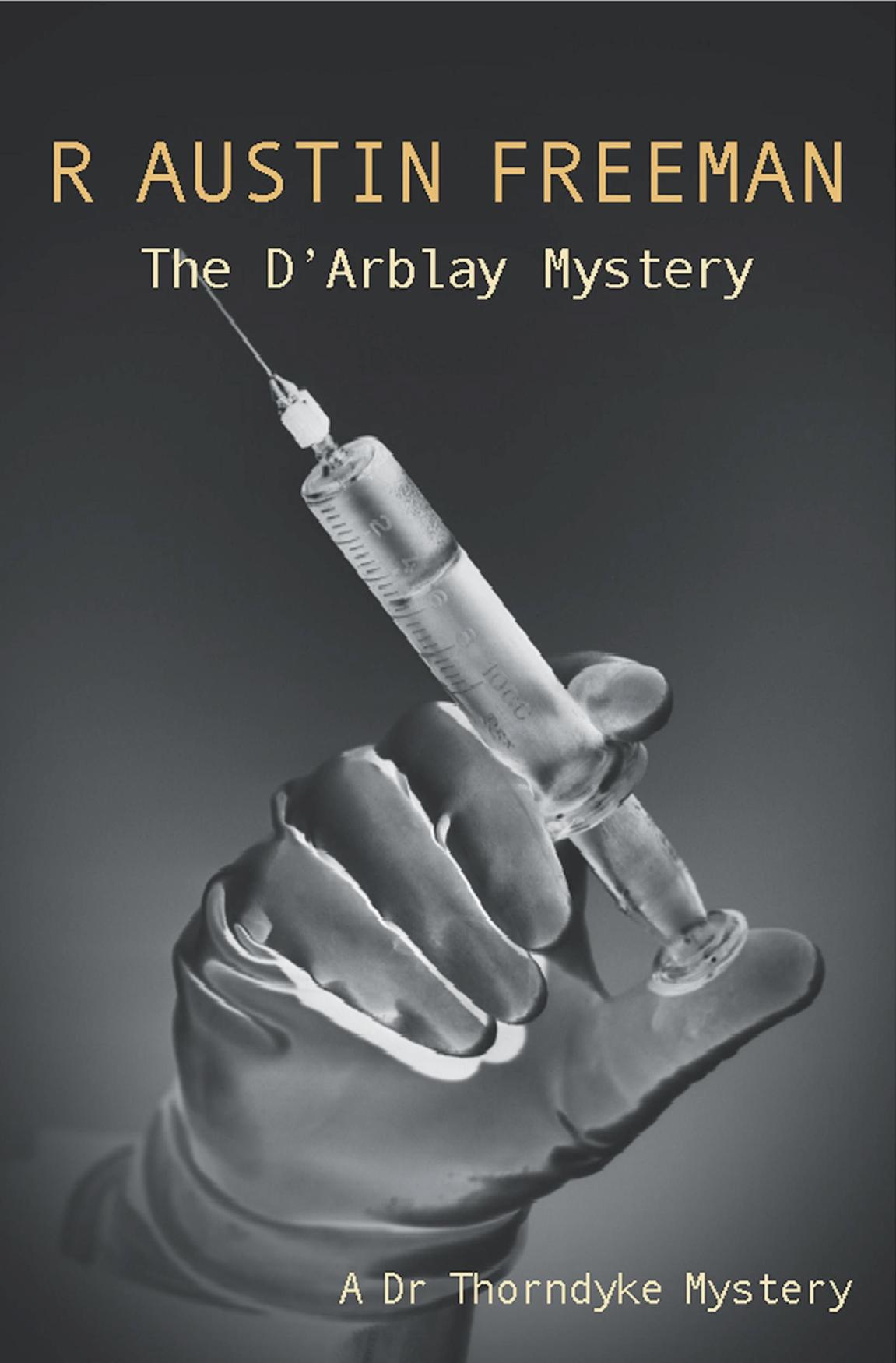

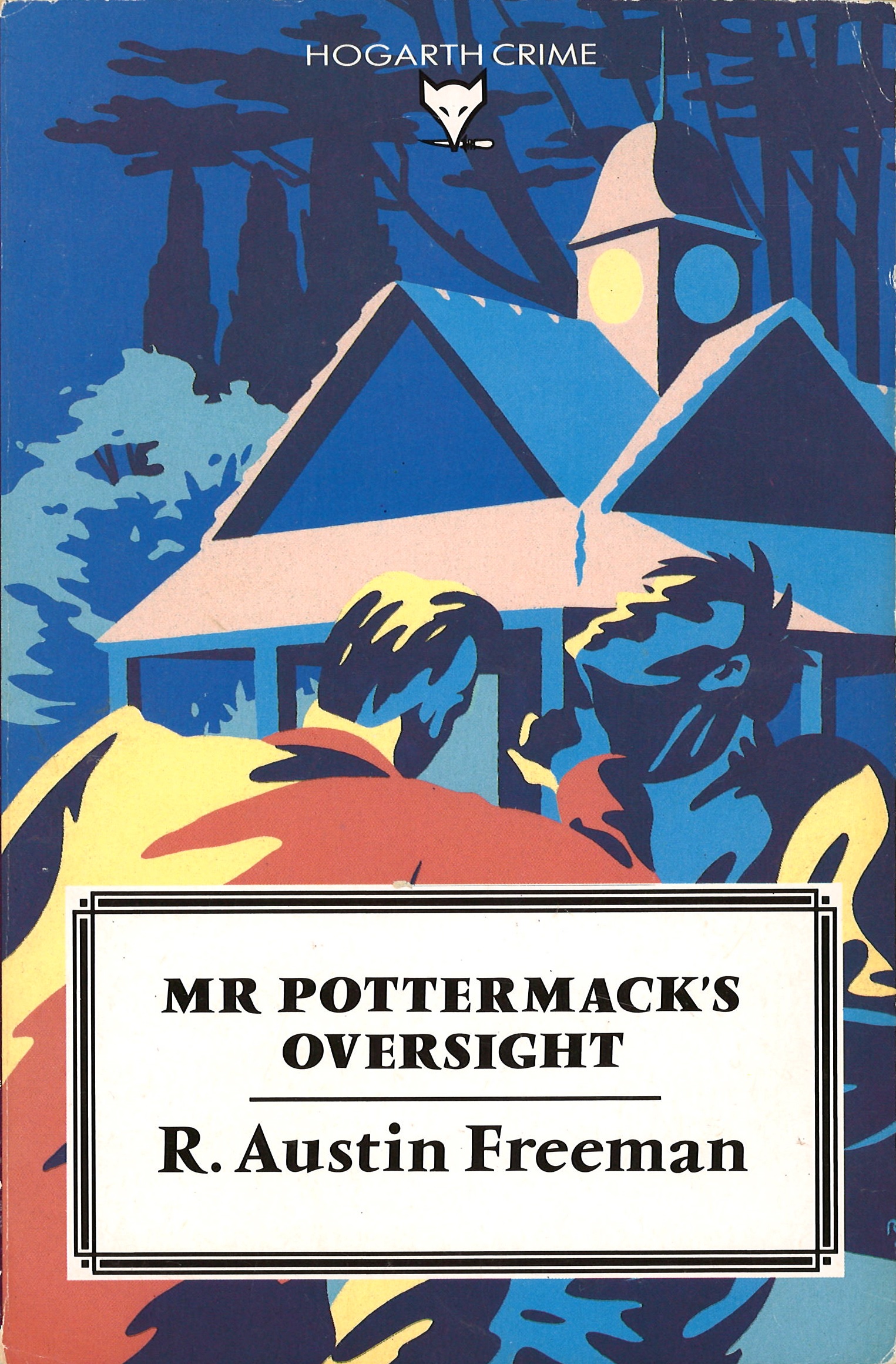
After a two month blogging hiatus in which I cleared a lot of lingering chaff from my TBR, it was wonderful to pick The D’Arblay Mystery (1926) as the first book for my return and love the absolute socks off of it. Having now acclimatised myself to the faintly pedantic verbiage of Richard Austin Freeman, I’m happy to acknowledge my parsimony in giving the masterful Mr. Pottermack’s Oversight (1930) — my first encounter with the author’s long-form work — a mere four stars and to correct that error here with the gloriously involving puzzle of Julius D’Arblay’s murder. While in many ways a thoroughly unsurprising book, in the ones that count it is joy unconfined to my GAD-happy soul.


 The Invisible Event