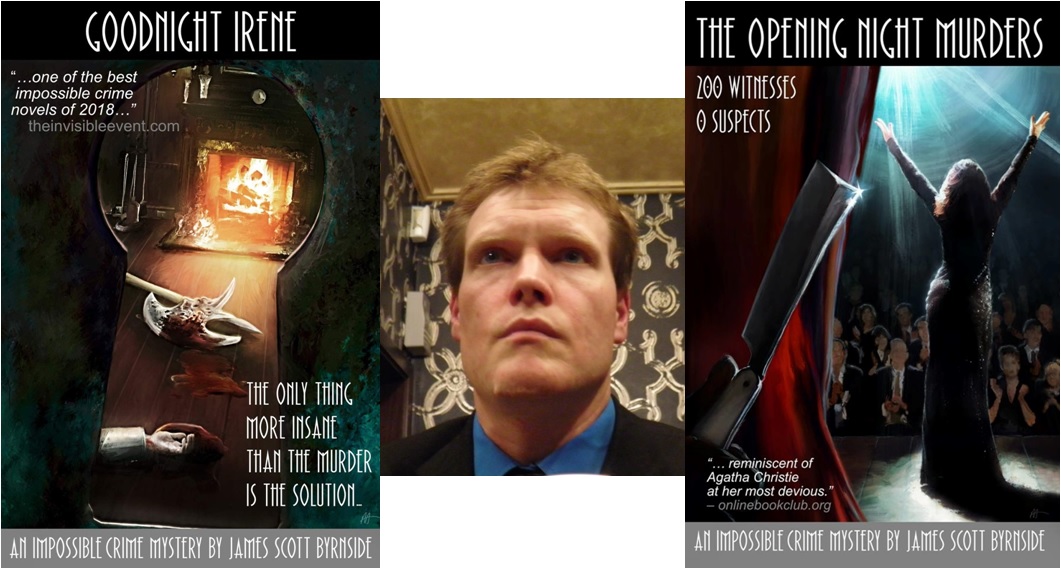
The time has come again for some nerdy Golden Age Detection podcasting, and James Scott Byrnside is here to oblige with a discussion about some of the tropes we know and love from GAD fiction
You’re doubtless aware of the superbly wide-ranging Golden Age-focussed Shedunnit podcast run by Caroline Crampton, and I was delighted to be asked to contribute to an episode about locked room mysteries and impossible crimes. The results are now online for your listening pleasure.
Today was due to have been the sixth (sixth!) Bodies from the Library conference at the British Library but, for obvious reasons, it’s not. I can’t, alas, give you a whole day of GAD-based discussion, but I can at least fill an hour with someone from that line-up of exceptionally knowledgable people, Tony Medawar.
I don’t think I’ve ever disliked the cast of a novel as much as I disliked the core group of The Rose in Darkness (1979) by Christianna Brand. Goddamn, what a bunch of self-centred, self-congratulatory, self-satisfied, smug, pretentious, vacuous, condescending, poseur, low-rent hipster prigs. You say ‘bohemian’, I say ‘unbearable’ — were people really like this in the Seventies? And, because Brand does her usual thing of telling you up front that there’s one victim and one killer, you know that once the body turns up you’re stuck with the rest of them until the end. Good heavens, there’s never a serial killer around when you need one.
It’s undeniable that I have a slightly unusual relationship with some accepted classic GAD authors and do not necessarily always line up with the accepted wisdom where, say, Ngaio Marsh, Gladys Mitchell, Ellery Queen, and Dorothy L. Sayers are concerned.
Noah Stewart, one of the most knowledgable people currently blogging on the subject of GAD, once said that Romance and Detection are the two genres wherein the ending is never in doubt before you’ve even read the first page (I’m paraphrasing, of course — Noah would never put anything that pompously).
Last week I talked — at great length — about the alibi in crime and detective fiction as utilised by the criminal working alone. This week, I’ll hopefully find as much (or, depending on your feelings about last week’s post, maybe less) to say where more than one criminal is involved, and then if there’s time I’ll diverge into crimes where there is no alibi.