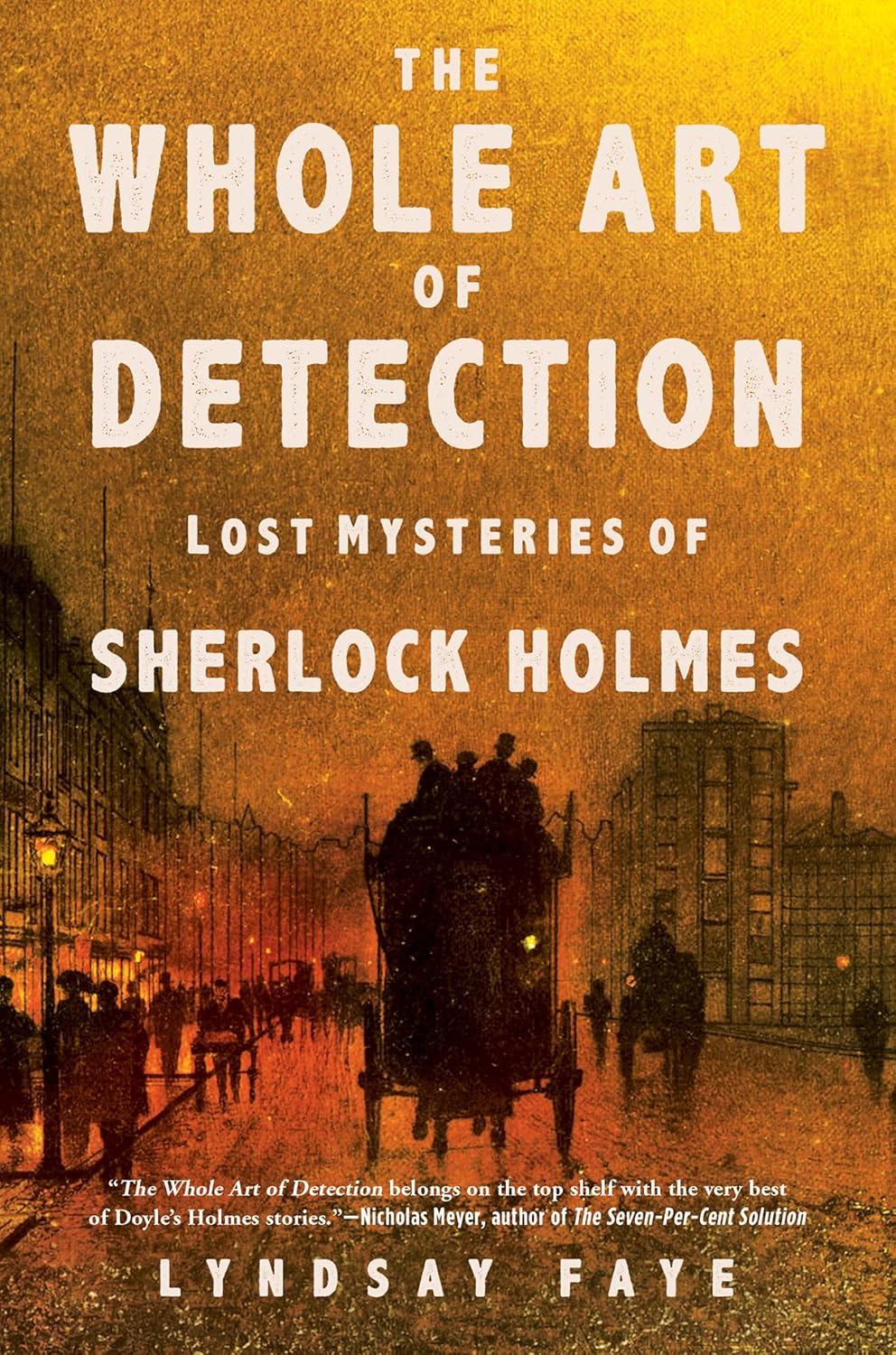
#1388: No Police Like Holmes – The Whole Art of Detection: Lost Mysteries of Sherlock Holmes [ss] (2017) by Lyndsay Faye

Lest we forget, I was not enamoured of Lyndsay Faye’s Sherlock Holmes novel Dust and Shadow (2009), but her characterisation was strong, people seem to rate her pastiches, and Holmes arguably finds his firmest feet in the short stories. And so to Faye’s anthology of Holmes stories The Whole Art of Detection [ss] (2017) do we turn today.

Continue reading

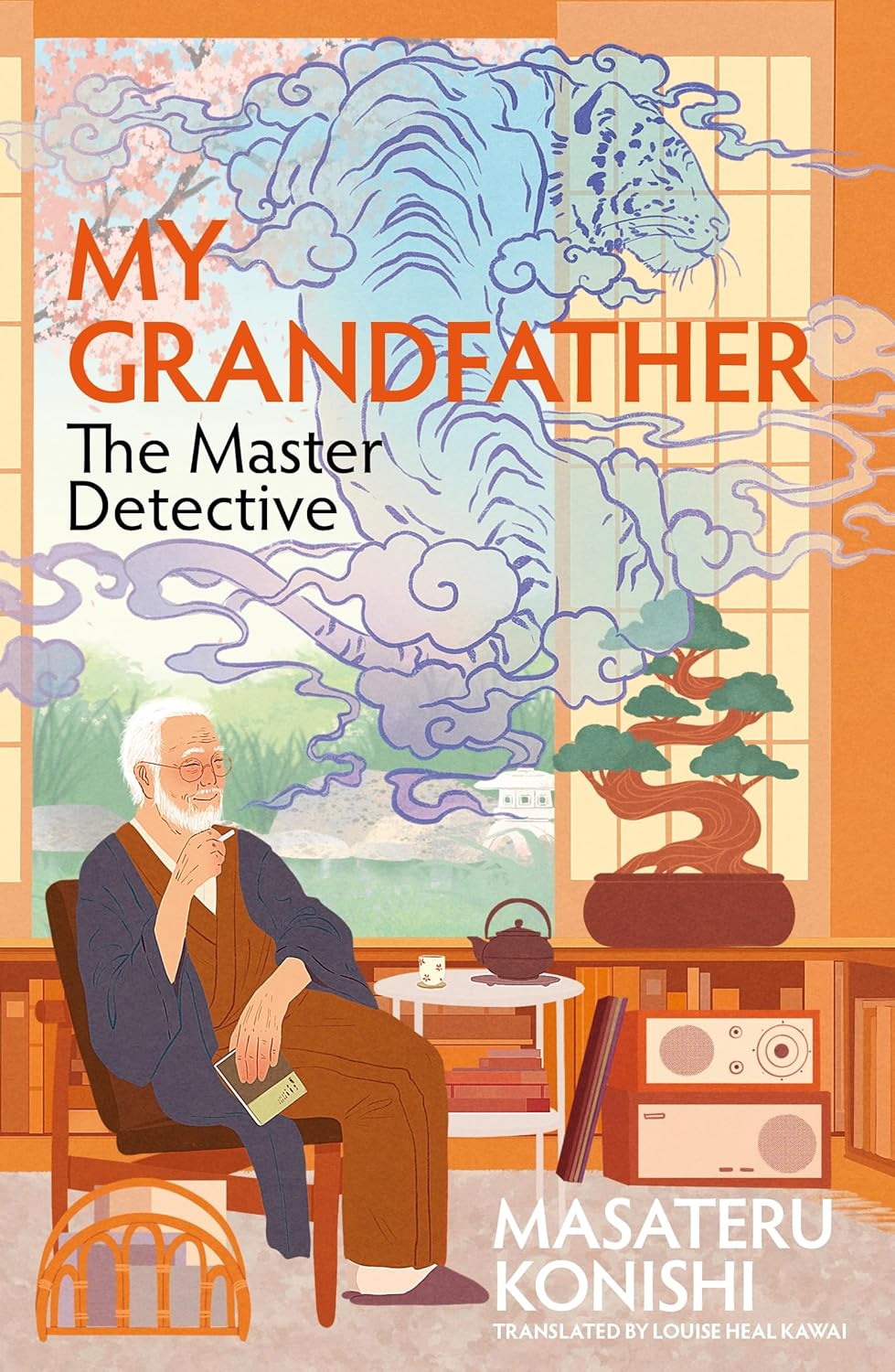
#1333: “Why shouldn’t I know? I know how people act, don’t I?” – My Mother, the Detective [ss] (2016) by James Yaffe

I first encountered James Yaffe via his story ‘The Problem of the Emperor’s Mushrooms’ (1945), but have heard much about his ‘Mom’ stories, in which a police officer’s mother “is usually able to solve over the dinner table crimes that keep the police running around in circles for weeks”. So I was delighted to acquire the complete collection of those tales.

Continue reading

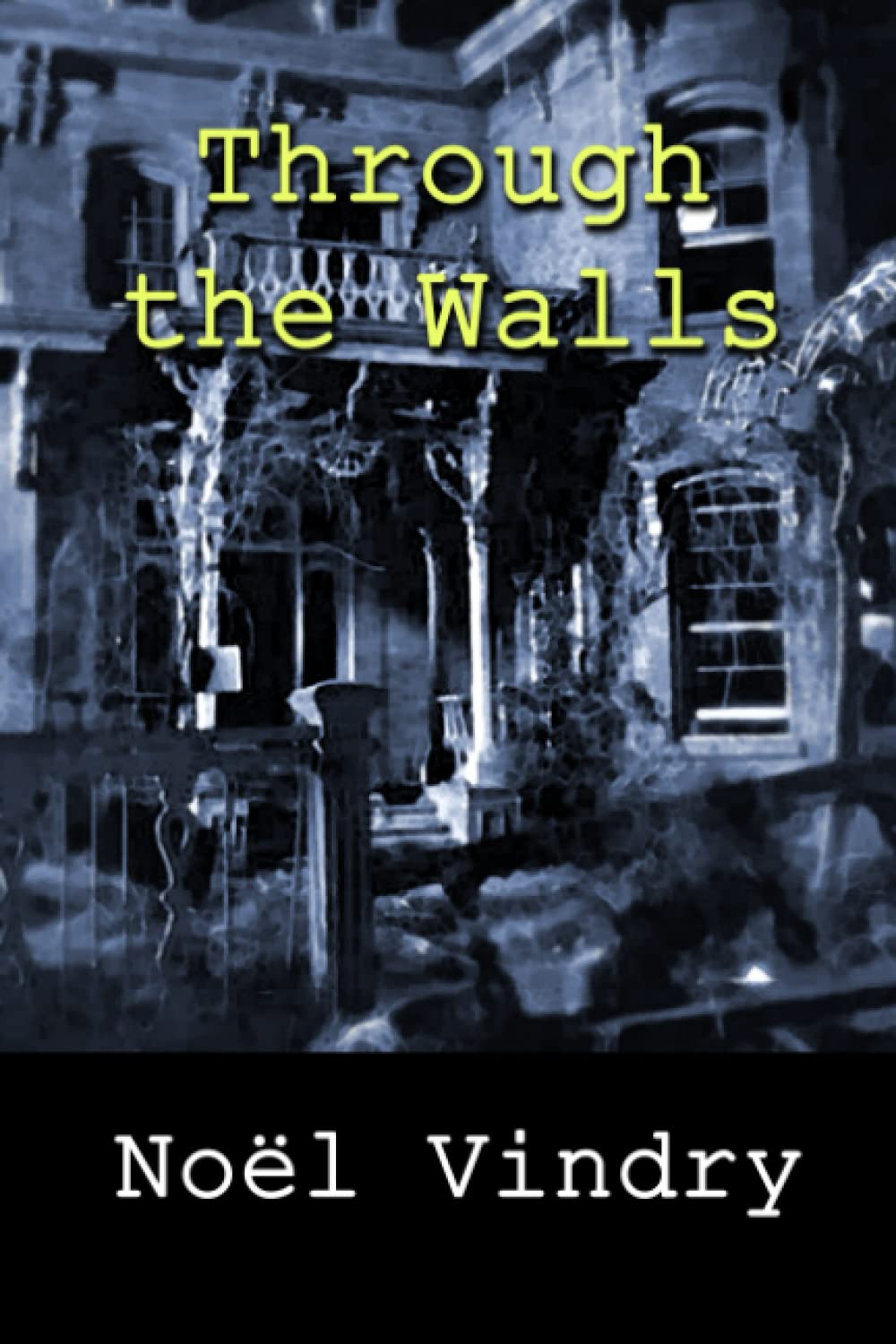
#1118: Through the Walls (1937) by Noël Vindry [trans. John Pugmire 2021]

Through the Walls

star filledstar filledstar filledstarsstars
Full disclosure, this is the second time I’ve read Through the Walls (1937, tr. 2021) by Noel Vindry, but I was on blog hiatus at first encounter, so here’s a chance to get my thoughts on record. Similar to The Howling Beast (1934, tr. 2016), this sees Vindry’s series examining magistrate M. Allou consulted by someone who has lived through baffling events, only for Allou to give some meaning to the apparent impossibilities at the end. The setup here is slightly less enticing — someone in apparently breaking into Pierre Sertat’s house at night and searching it carelessly enough to leave things just out of place enough for Sertat to notice — but the patterns that Vindry spins are wonderful, even if not all the answers are as convincing as we’d like.

Continue reading

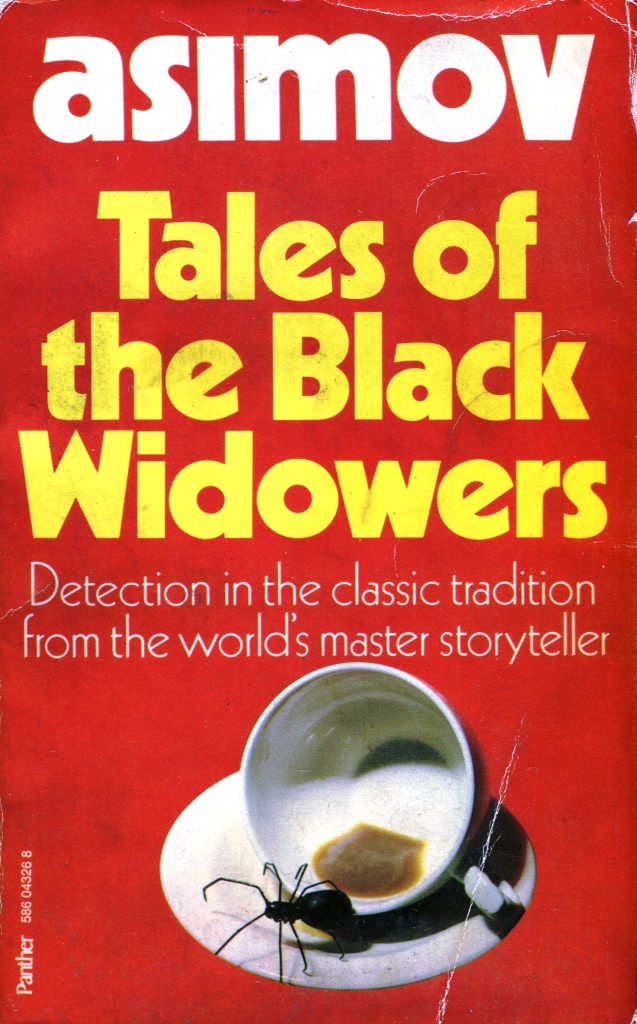
#1035: “Our guest has a problem and I direct him to favour us with it.” – Tales of the Black Widowers [ss] (1974) by Isaac Asimov

“Twelve mystery masterpieces by the maestro” promises the back cover of Tales of the Black Widowers (1974), the first collection featuring Isaac Asimov’s puzzle-solving dining club, and given that Asimov says in the introduction that his “detective ideal is Hercule Poirot and his little gray cells” it seems like it might not be an empty promise…

Continue reading

#865: There Is Nothing Either Good or Bad, But Thinking Makes It So – Examining the Haycraft-Queen Cornerstones List

If you’ve met me, firstly I apologise, and secondly it’ll come as no surprise that I have a tendency to ruminate on that which many others pass over without so much as a backward glance. Previously this resulted in me writing something in the region of 25,000 words on the Knox Decalogue, and today I’m going to turn my eye upon the Haycraft-Queen Cornerstones list. Prepare thyself…

Continue reading

#763: Little Fictions – Death and the Professor [ss] (1961) by E. & M.A. Radford

A surgeon, a policeman, a psychiatrist, a mathematician, and a pathologist walk into a club — the foundation not of some esoteric wit but instead the Dilettante’s Club, a dinner-and-discussion group who meet fortnightly for their own entertainment. And when Professor Marcus Stubbs joins their number, those discussions take a frequent turn into the realm of the impossible crime.

Continue reading