Amateur Detective


#441: The Criminous Alphabet – A is for…Amateur

So here’s a new thing: I am going to use Tuesday posts (at indeterminate intervals) to talk about some (usually unconnected) ideas within Golden Age Detection (GAD) that can be grouped approximately by initial. I’m calling it The Criminous Alphabet — rejected titles included The A to Z Murders, You Alpha-Bet Your Life, and GAD-Handing — and this month will see five posts based around the letter A, starting with the Amateur Detective. Next time out will be B, the month after that C…you get the idea? You get the idea.
Continue reading
#440: The Hollow Case of the Distressed Lady in A Different Kind of Evil (2018) by Andrew Wilson
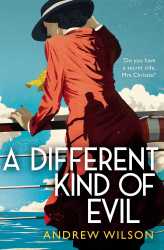
Andrew Wilson’s first novel featuring Agatha Christie, A Talent for Murder (2017), met with positive reviews but seemed rather more Highsmithian than detection in concept (perhaps unsurprising, as Wilson has written a biography of Patricia Highsmith) and so I passed it over. And then John Norris — patron saint of the obscure, the forgotten, and the damned-near impossible-to-find — posted this rave review of the follow-up, A Different Kind of Evil (2018), and definitely caught my interest.
Continue reading
#438: A Little Help for My Friends – Finding a Modern Locked Room Mystery for TomCat Attempt #8: The Magic Bullet (2011) by Larry Millett

I shall eventually abandon any pretence that my occasional forays into post-1990 impossible crime novels are purely for the benefit of my fellow impossible crime enthusiast TomCat, but not just yet. So let’s all take a moment to bask in how selfless I am, reading books I have no interest in myself purely so that TC can find something more modern to satisfy the cravings of the Impossible Murder Phanatic (or ‘Imp’, as those people have definitely been calling themselves for years now).
Continue reading
#435: The Voice of the Corpse (1948) by Max Murray
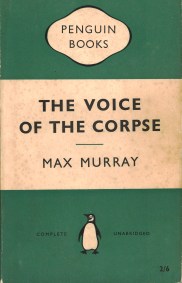

When unpopular spinster Angela Pewsey is killed by a blow to the head — “the first time in many years that someone had done something in her vicinity about which she was not thoroughly informed” — following a spate of poison pen letters, it is met with quite spectacular disinterest by the other denizens of the small village of Inching Round. And, indeed, the attitude which solicitor Firth Prentice must confront when brought down from London to investigate (quite against his will) by the comely Celia Sim is that, frankly, most people would rather shake the murderer’s hand than see anyone hang for such a public-spirited act.
Continue reading
#427: The Men Who Explain Miracles – Episode 7.1: The Ages of John Dickson Carr




 The Invisible Event