
This month of Tuesday posts picking through the more neglected corners of my TBR has now become the GAD equivalent of a bride’s wedding outfit: something dull, something shitty, something loopy, and finally something witty.
Continue readingThis month of Tuesday posts picking through the more neglected corners of my TBR has now become the GAD equivalent of a bride’s wedding outfit: something dull, something shitty, something loopy, and finally something witty.
Continue reading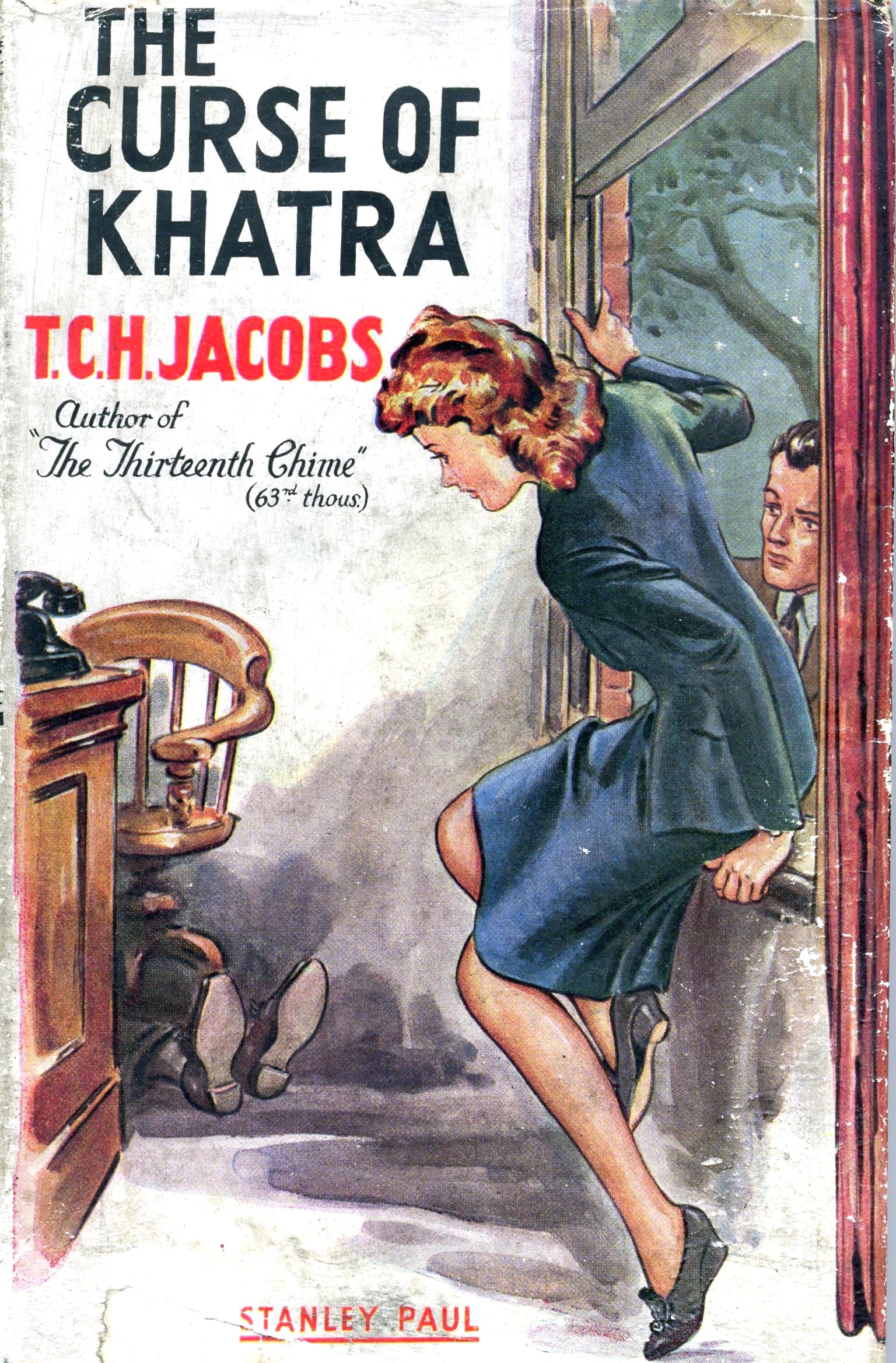
Picture the scene: it is 1946 and T.C.H. Jacobs is discussing his next novel with his agent, lamenting “So many types of detective story have successful during this Golden Age, in what style should I write? Some scientific detection? A police procedural? A pulpy shocker? Should I have an amateur detective? A gentleman detective? A criminal gang?” and his agent leans forwards slowly, steeples his fingers, and says simply, “Yes”.
Continue reading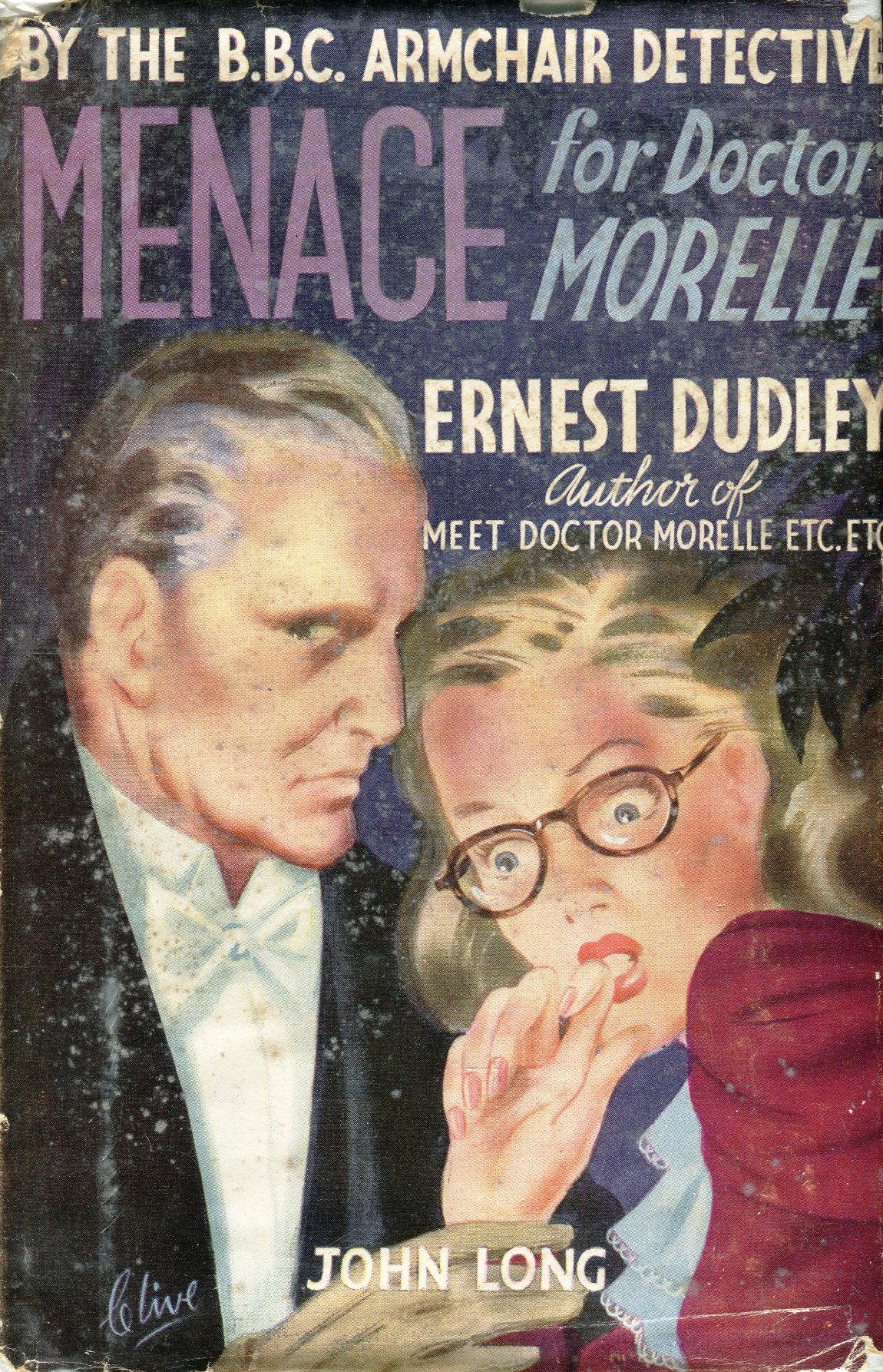
The joy of running this blog comes not from the screaming fans that hound my every step, nor the piles of untaxable cash that seemed to just appear from day one, but from the discussions it and others allow me to have with like-, and sometimes unlike-, minded enthusiasts of Golden Age detective fiction. What to do, then, when I have a book that probably no-one is going to want to talk about?
Continue reading
Let’s get the new year off to a happy start by showing some appreciation for contemporary authors who make life difficult for themselves by upholding the traditions of Golden Age detective fiction in their own works. And, if you want to discuss modern detective fiction, few are better-placed than Puzzle Doctor, a.k.a. Steve from In Search of the Classic Mystery Novel.
Continue reading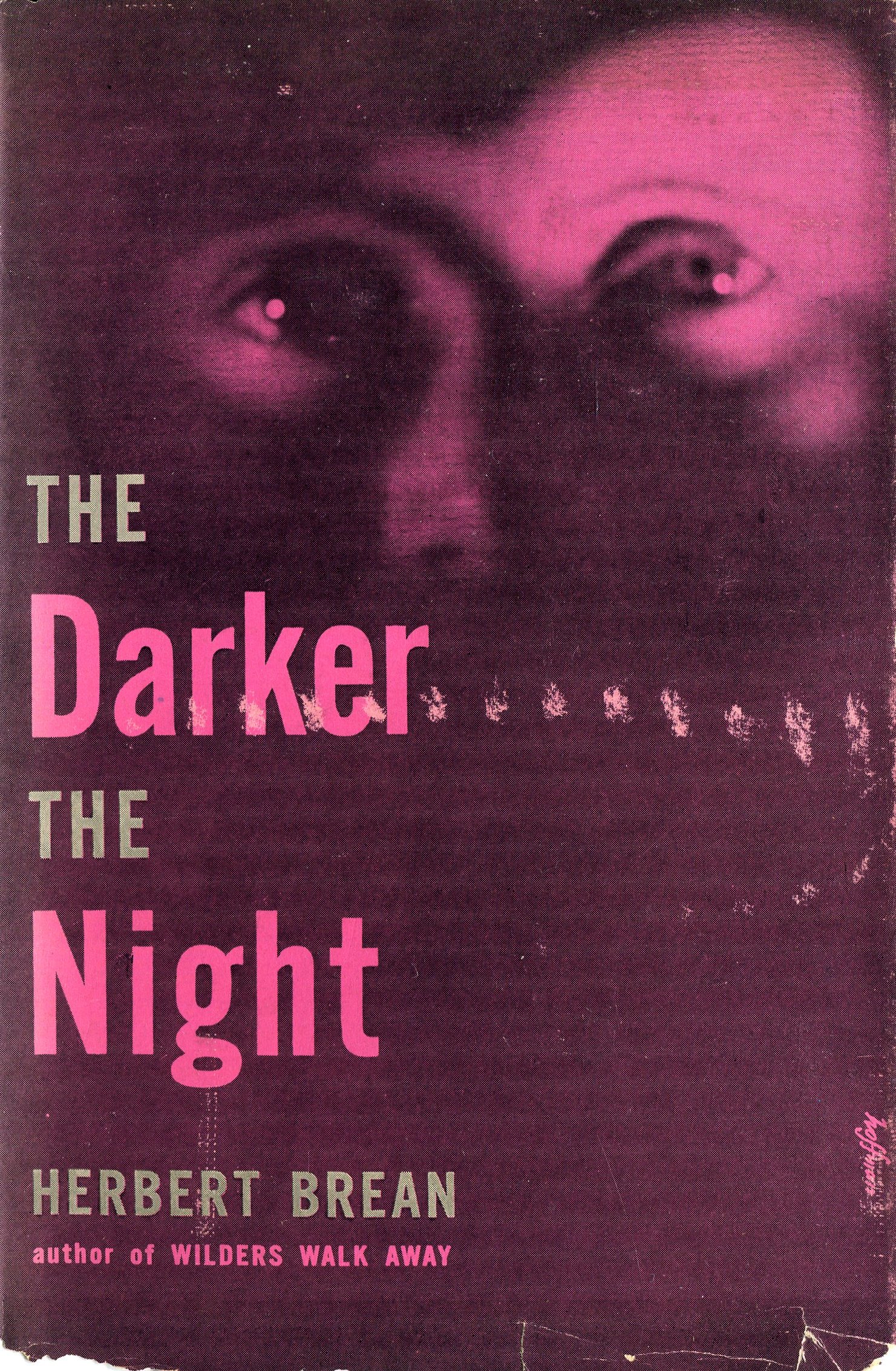


Man, there is a lot to unpack here. Firstly my love of Herbert Brean — an author brought to my attention by TomCat, and about whose books Ben at The Green Capsule and I frequently try to outdo each other in our enthusiasm. Secondly the need for a mystery to sell you on its central premise — here, hypnotism, about which a neat little treatise halfway through. And thirdly the purpose of a mystery novel — does a compelling plot obviate the need for a good mystery, and does a disappointing mystery necessarily detract from a great plot? All this and more we shall confront today with Brean’s second novel The Darker the Night (1949).
‘Tis the season to be jolly, so I’m delighted to welcome Kate from CrossExaminingCrime back to my Golden Age detective fiction podcast so that we can discuss those who have sought to be not quite so jolly about our chosen enthusiasm.
Continue readingYou thought this podcast was nerdy before? You ain’t seen nothin’ yet. Today we welcome the GADisphere’s own Scott K. Ratner, and things get taxonomical…
Continue reading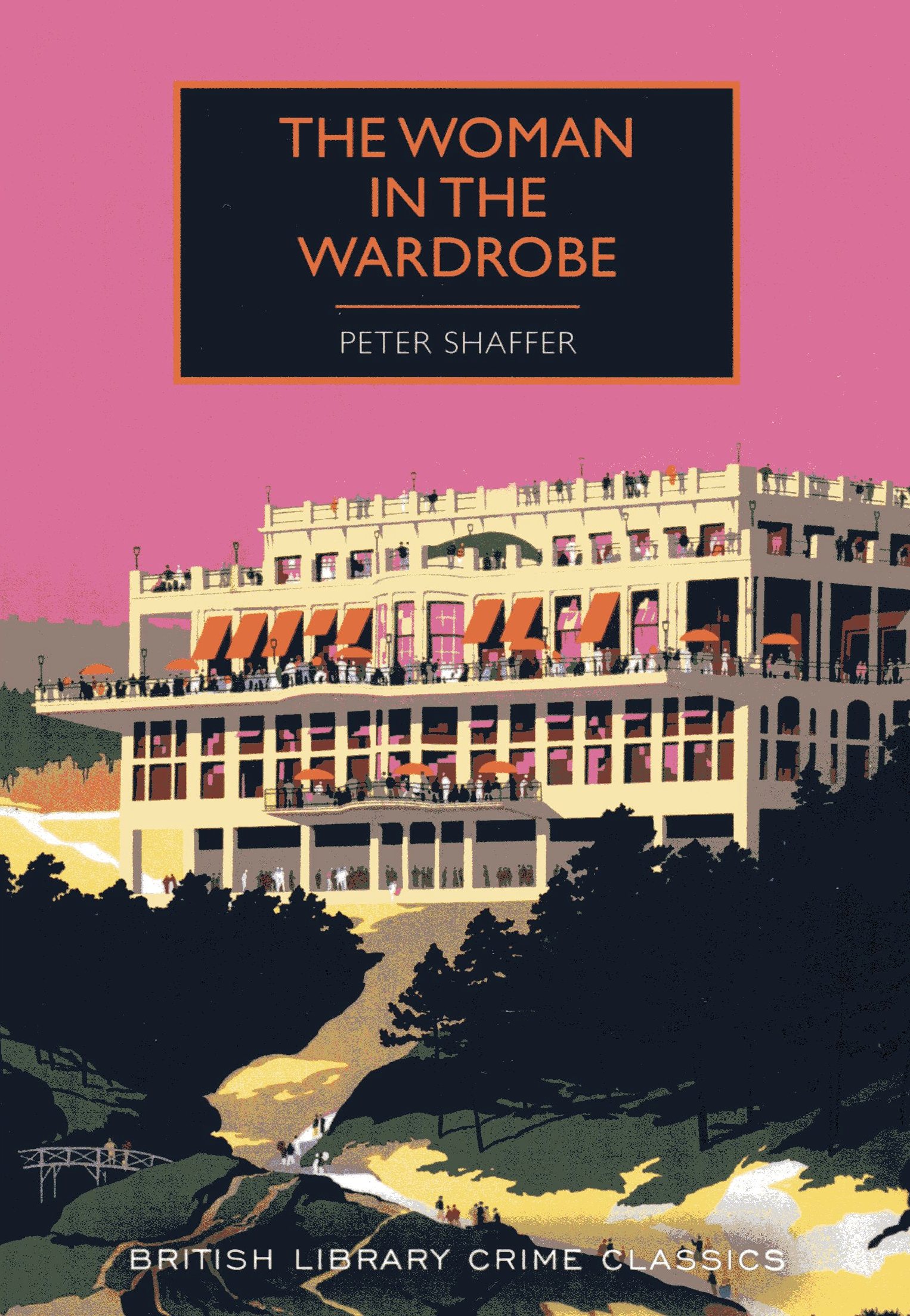
The one thing a book cannot guard against is the expectations that build up around it — and the rarer a book proves to be, the more apocryphal its contents, the higher those expectations tend to rise. The Woman in the Wardrobe (1951) by Peter Shaffer has been staggeringly unobtainable for decades now and, with no less an authority than Robert Adey promising “a brilliant new solution” for its locked room murder, had much to live up to. We can’t blame the book for the solution not being new — not even slightly, Bob — but we can blame it for the flaws that disappointingly crop up in several key regards.

No, Christmas isn’t for another two months, but it’s been a tough year and so here’s a gift to get you through the darkening days (yes, thank-you, the Southern Hemisphere…): Brad and Moira discussing The Murder at the Vicarage (1930) by Agatha Christie. And I’m there, too, of course. You can’t win ’em all.
Continue reading
 The Invisible Event