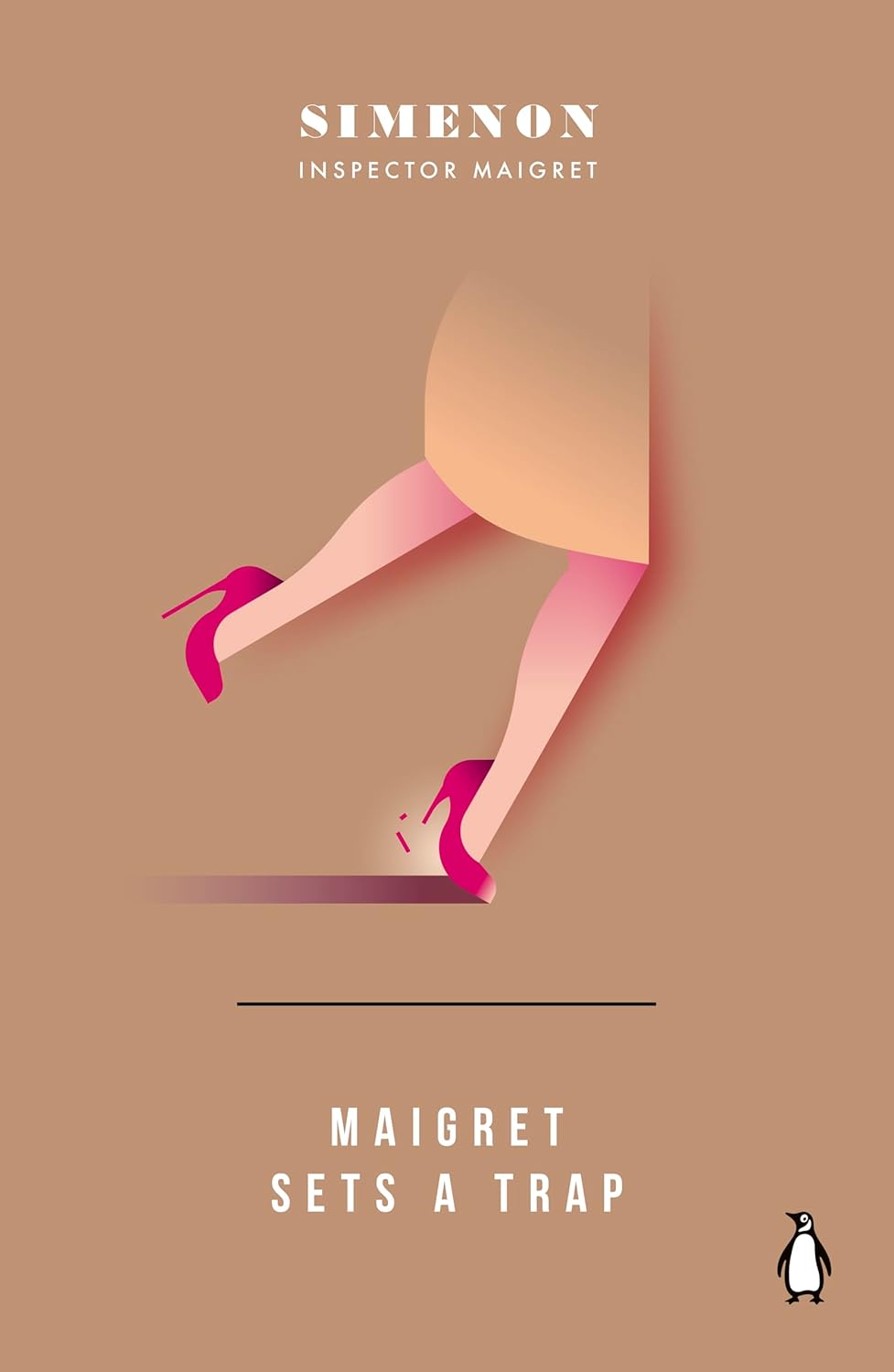
#1424: Maigret Sets a Trap (1955) Georges Simenon [trans. Siân Reynolds 2016]


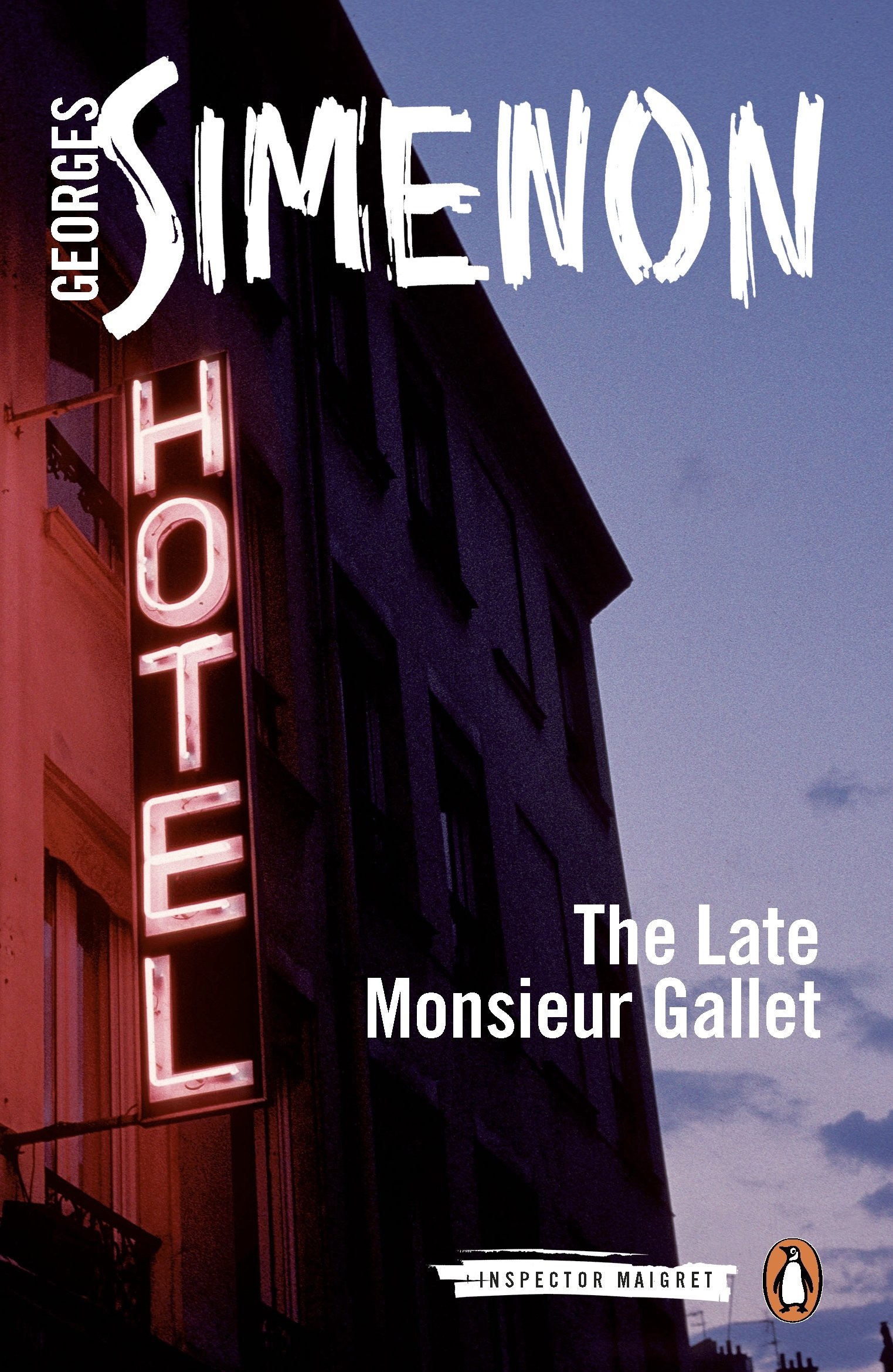
Despite enjoying a few standalone titles by Belgian minimalist Georges Simenon — thanks in no small part to the Orion Crime Masterworks series — I was left rather ambivalent by my first encounter with Inspector Jules Maigret in The Late Monsieur Gallet (1931). A recent comment on that post, however, directed me to a few titles which might be to my liking, and so here we are with Maigret Sets a Trap (1955), the forty-eighth of seventy-five books featuring the character. A serial killer has already murdered five women in the same Paris arrondissement, and while much of what follows feels very familiar, you also have to wonder if it was Simenon who established a pattern that others would so intently adhere to in the decades ahead.


Continue reading

#1209: For This New Value in the Soul – My Ten Favourite Orion Crime Masterworks

I’ve written before about the impact the long-defunct Orion Crime Masterworks series had on my discovery of classic-era crime and detective fiction, and a recent pruning of my shelves brought back to me many of the happy memories from those books. So today, I’m going to run through the ten which left, perhaps, the strongest impression on Young Jim.

Continue reading

#790: On the Morals of Golden Age Detective Fiction, via Crime and Detection [ss] (1926) ed. E.M. Wrong

That title is doing a lot of work, isn’t it? Fair warning: this goes on a bit.

At the online Bodies from the Library conference last weekend, I gave a talk inspired in part by E.M. Wrong’s introduction to the 1926 anthology Crime and Detection. And, in addition to coining the term “Wellington of detection” that inspired the thinking I laid out last weekend, there is plenty of material in that piece of prose to get the cogs turning.

Continue reading

#541: The Late Monsieur Gallet, a.k.a. Maigret Stonewalled (1931) by Georges Simenon [trans. Anthea Bell 2013]

Late Monsieur Galletstar filledstar filledstar filledstarsstars
It’s been a number of years since I last read any Georges Simenon — the stark nihilism of The Stain on the Snow (1953) and the diaphanous erotic tragedy of The Blue Room (1964) left an impression if not exactly a desire to read further.  Simenon is hard to ignore, however, partly because he wrote so many damn books and partly because Penguin have done such a fine job of reissuing them lately that they take up about 40% of the shelf space in most bookshops.  I’ve always been of the impression that he is far more about people than plot…which is probably just as well, since on the evidence of this early effort he can’t plot for toffee.

Continue reading