I picked my ten favourite crime and detective novels published in the 1930s a little while ago for my online book club, but I only do a Ten Favourite… list every four months or so and thus am only just getting round to writing it up now. I am so late to the party that it might as well never have happened, but I ironed a shirt specially so, dammit, I’m going to dance. Or something.
Continue readingFreeman Wills Crofts
#1217: James Tarrant, Adventurer, a.k.a. Circumstantial Evidence (1941) by Freeman Wills Crofts

![]()
![]()
![]()
![]()
![]()
Having previously had a new business undertaking result in murder in Fatal Venture (1939), and having dealt in business manipulation in The End of Andrew Harrison (1938), Freeman Wills Crofts once again mixes his earlier experiences to bring us something similar to before but deliberately different enough to matter with James Tarrant, Adventurer, a.k.a. Circumstantial Evidence (1941). And so we have our eponymous chemist setting out “adventuring himself on a flowing tide, and instead [finding] himself floating in circles in a backwater,” and coming up with a canny idea to ride on the tails of a successful patent medicine brand. What could possibly go wrong?
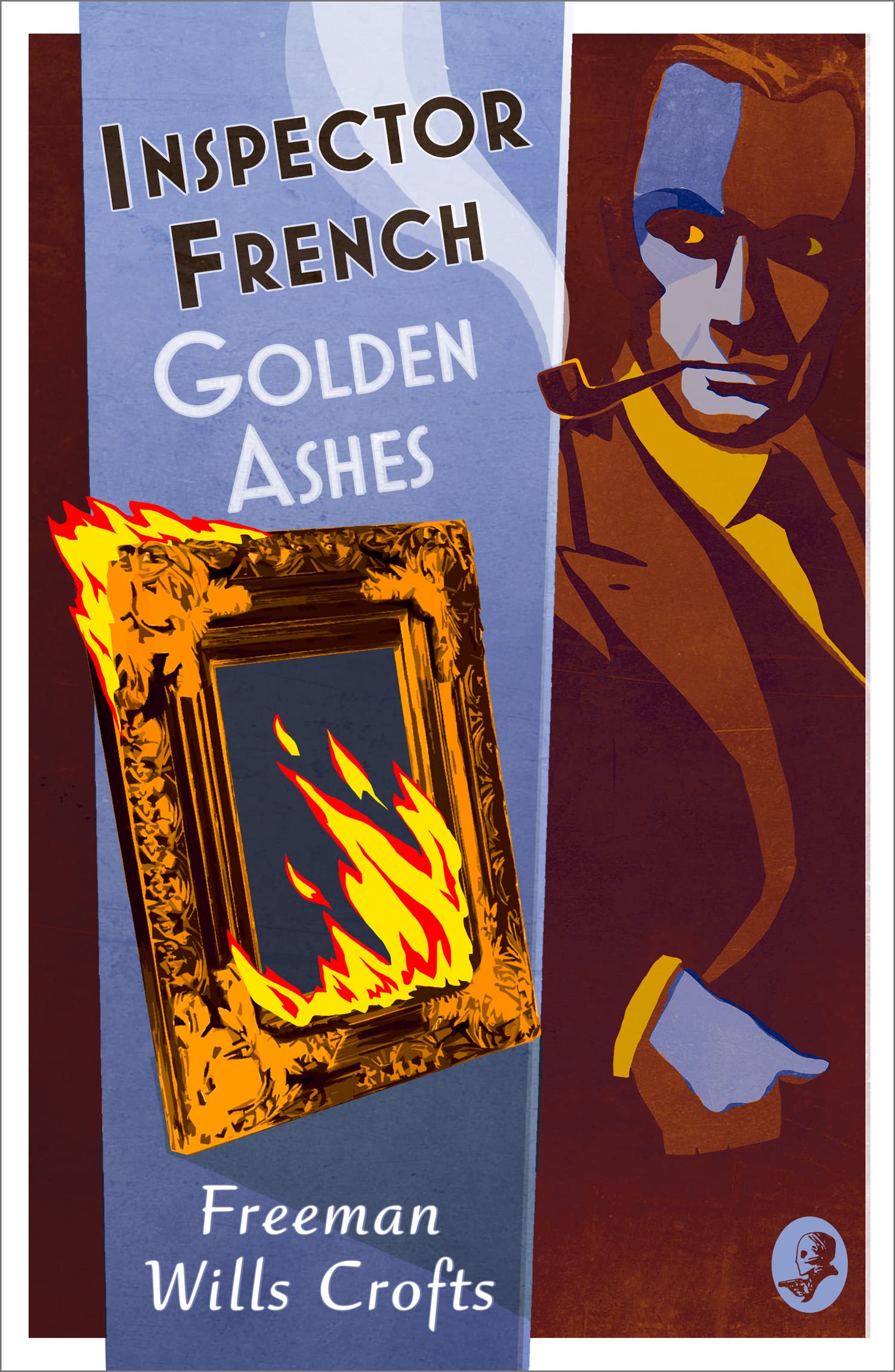
#1163: Golden Ashes (1940) by Freeman Wills Crofts

![]()
![]()
![]()
![]()
![]()
Rendered a widow and penniless at a young age — well, she is a Freeman Wills Crofts protagonist — Betty Stanton is fortunate in finding a job as housekeeper and general organiser of newly-minted baronet Sir Geoffrey Buller. Betty is delighted both with the setting of Forde Manor and the enviable collection of art on display — art that is of particular interest to her friend, the famous authority Charles Barke. Before long, however, tragedy strikes — again, this is a Freeman Wills Crofts novel — and Forde Manor burns down, resulting in the loss of both the priceless artefacts within and Betty’s position. And when Charles Barke disappears soon thereafter, a certain DCI French begins to suspect that the events might be linked.
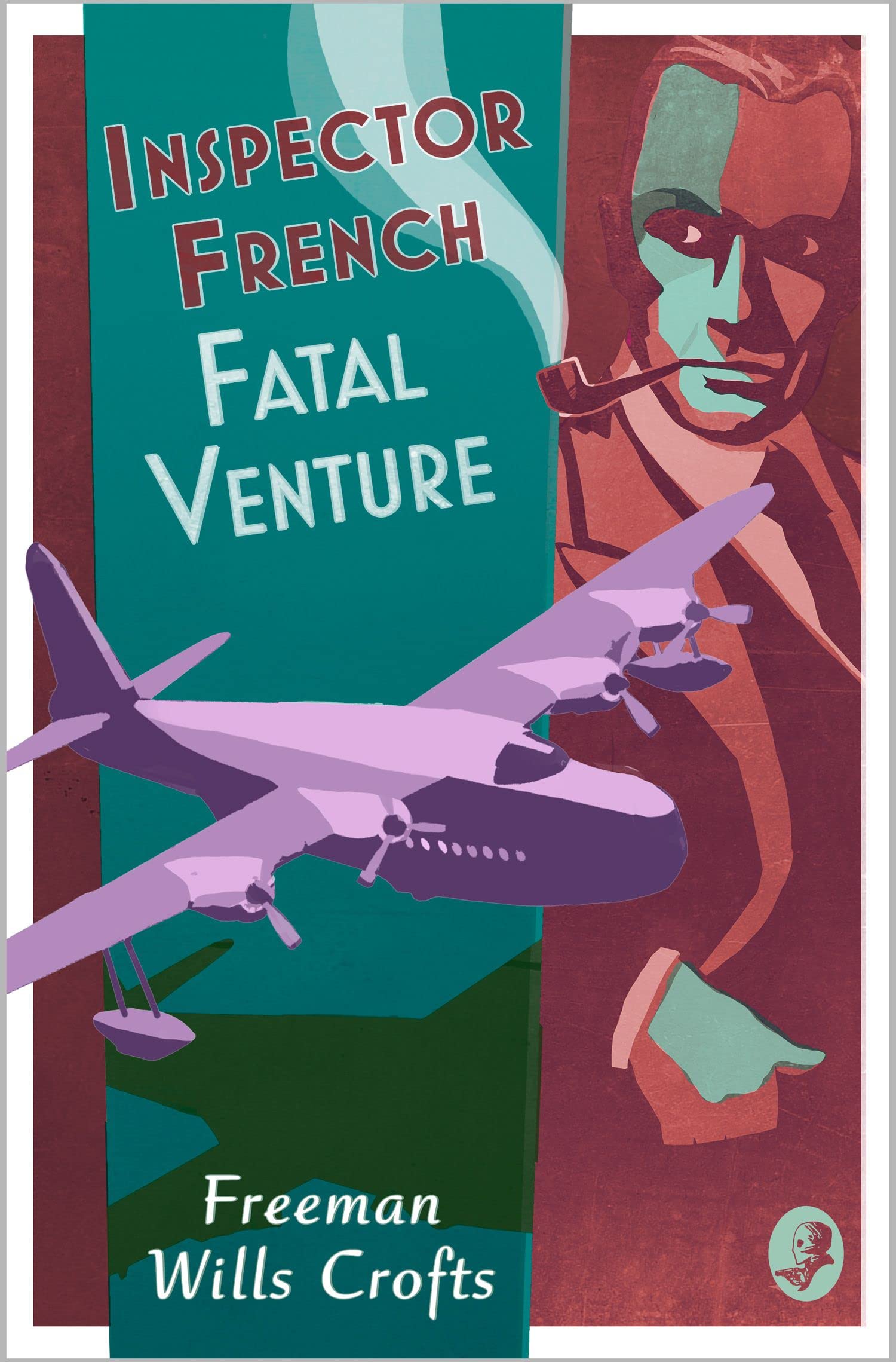
#1112: Fatal Venture, a.k.a. Tragedy in the Hollow (1939) by Freeman Wills Crofts

![]()
![]()
![]()
![]()
![]()
Fatal Venture (1939) represents, by my count, the ninth time in twenty-three books that Freeman Wills Crofts has devised a criminal scheme which contains a significant strain of maritime malfeasance. Compared to the mere brace involving railway timetables, you have to wonder why he’s seen as the Timbletable King rather than the Wizard of the Waterways — hell, even these excellent Harper Collins reissues make a point of highlighting his use of railway timetables, so you have to wonder if that myth will ever die. Never mind, this is still superb; highlighting why Crofts has fallen by the wayside compared to some of his peers, perhaps, but enjoyable, clever, and surprising along with it.
#1080: Our Splendours Are Menagerie – My Ten Favourite ‘New to Me’ British Library Crime Classics
I looked at my ten favourite fictional sleuths a little while ago, and so, in honour of today’s Bodies from the Library conference at the British Library, here are my ten favourite novels that the excellent British Library Crime Classics range introduced me to.
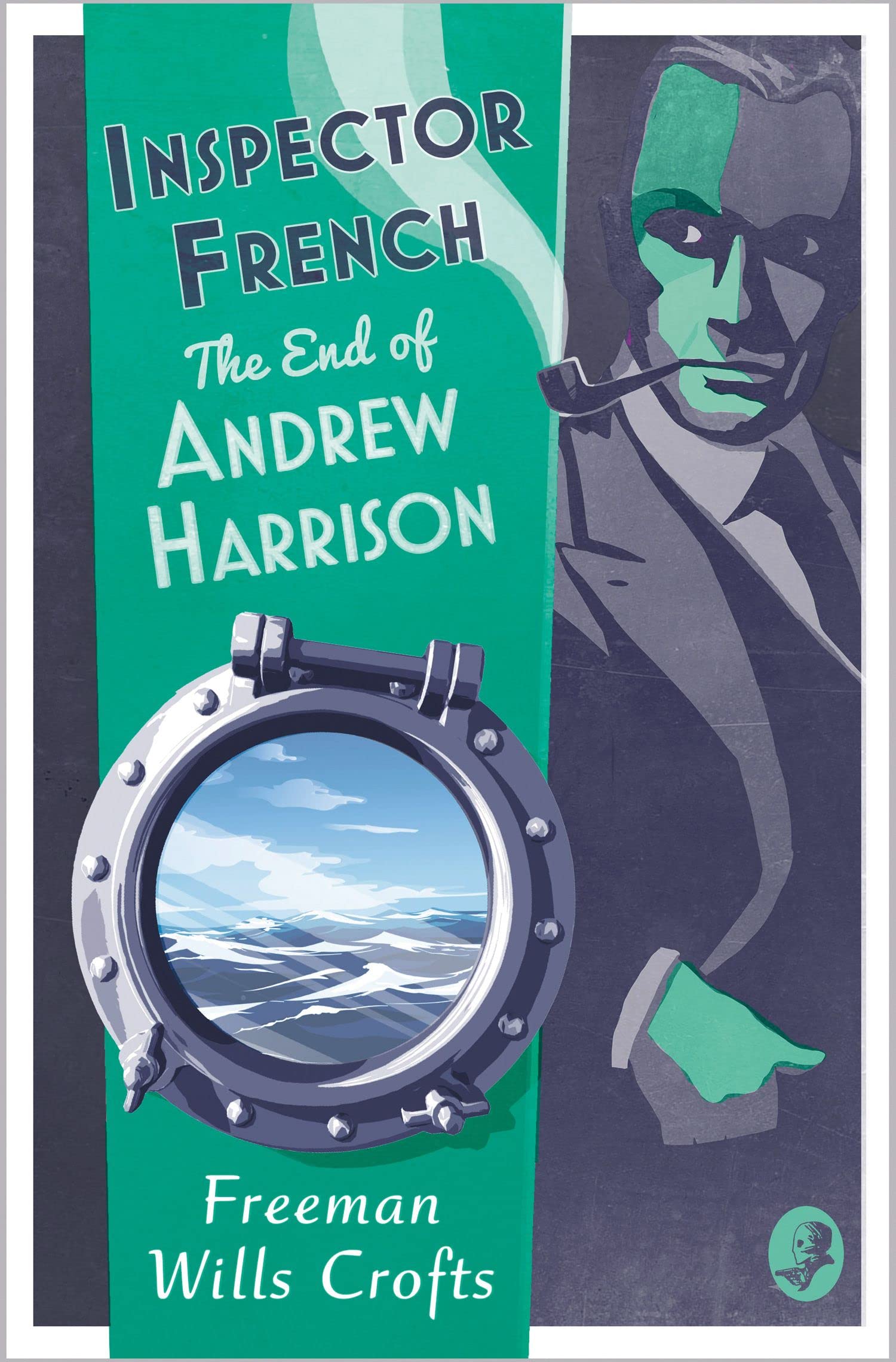
Continue reading#1049: The End of Andrew Harrison, a.k.a. The Futile Alibi (1938) by Freeman Wills Crofts

![]()
![]()
![]()
![]()
![]()
It’s been a long road to The End of Andrew Harrison, a.k.a. The Futile Alibi (1938) by Freeman Wills Crofts. Back when I was fairly new to classic era detective fiction in general, and impossible crimes in particular, I heard rumours of this book — the first I’d ever heard of Crofts — but it turned out to be rather unavailable. I also heard that Crofts was dull, dull, dull, however, and so spent a long time avoiding him before finally taking the plunge, falling in love with his writing and reading 22 of his novels in broad chronology, in which time Andrew Harrison was reprinted by Harper Collins. And…that just about brings us up to date.
#1044: To Foe of Theirs I’m Deadly Foe… – My Ten Favourite Literary Detectives
Perhaps April Fool’s Day isn’t the best scheduling of this post, but the recent experience of dragging my way through Helen Vardon’s Confession (1922) by R. Austin Freeman got me thinking about the literary detectives I’d follow to hell and back, and I figured that it might be worth expanding upon.
Continue reading#1023: “The act of homicide always throws a man off balance.” – Bodies from the Library [ss] (2018) ed. Tony Medawar
The annual Bodies from the Library (2018-present) collections, in which Tony Medawar expertly selects long-forgotten and previously-unpublished stories and plays, have become essential purchases for anyone with even a passing interest in the great and the good of detective fiction’s Golden Age.
Continue reading#1003: Found Floating (1937) by Freeman Wills Crofts

![]()
![]()
![]()
![]()
![]()
In the same year that Agatha Christie mixed sight-seeing and shipboard slaughter in Death on the Nile (1937), Freeman Wills Crofts sent his series detective, Chief Inspector Joseph French, into bat with a similarly travelogue-rich tale of marine-centric malfeasance. Found Floating (1937) might, in many ways, be seen as Crofts’ take on the essential principles of a Christie plot, even if it does highlight many of the reasons Dame Agatha has remained in the public consciousness while Crofts is only now enjoying a resurgence in awareness and popularity. Indeed, for a man who made hay in the annals of the realistic detective story, this might be his most successful brush with verisimilitude yet.
#1000: A Locked Room Library – One Hundred Recommended Books
In the back of my mind when I started The Invisible Event was the idea that exactly half of what I’d post about would feature impossible crimes, locked room mysteries, and/or miracle problems — and although this proportion started an irreversible slide after the first 500 or so posts, the impossible crime remains my first love.
Continue reading