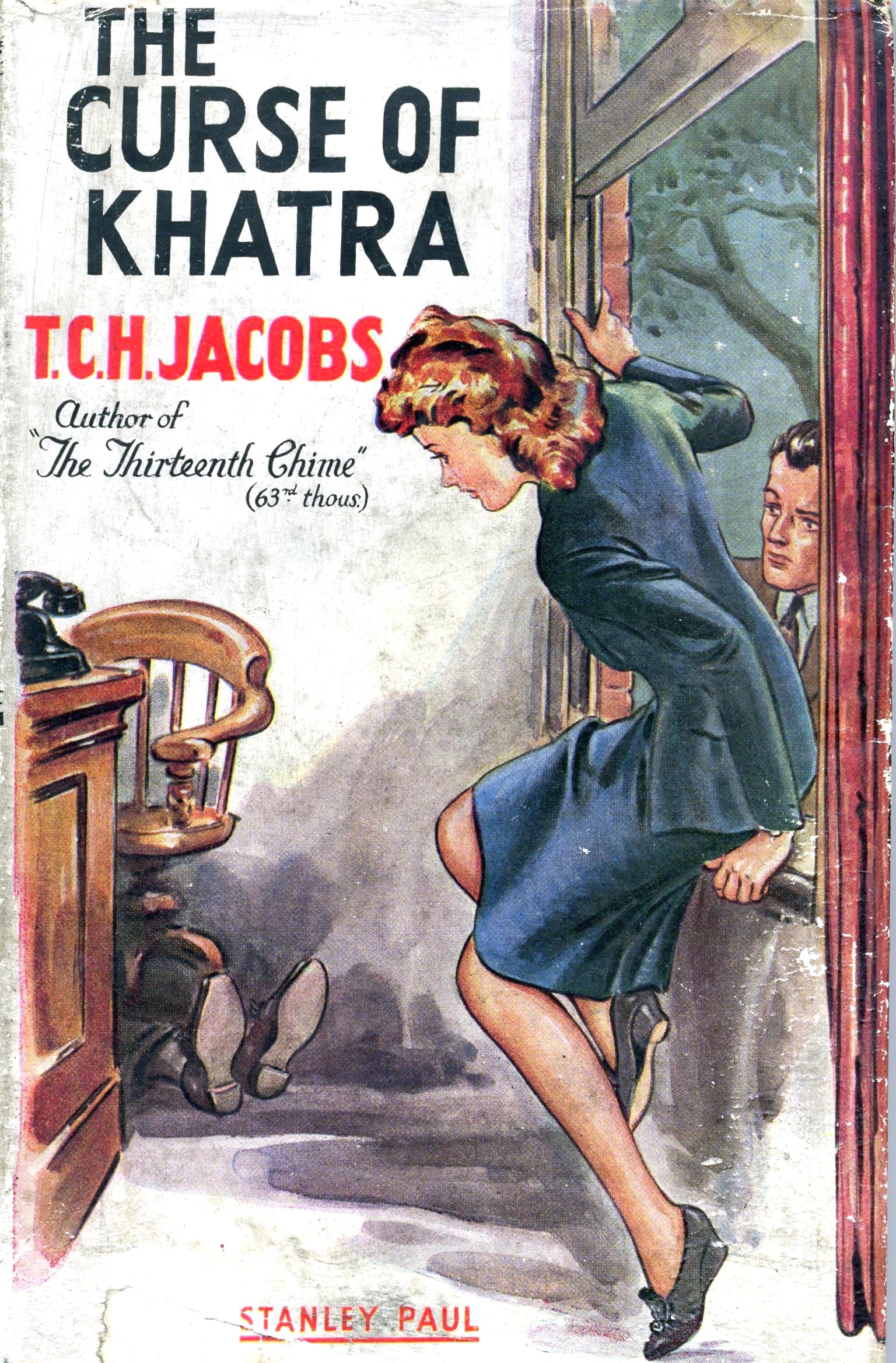
#748: Mining Mount TBR – The Curse of Khatra (1947) by T.C.H. Jacobs

Picture the scene: it is 1946 and T.C.H. Jacobs is discussing his next novel with his agent, lamenting “So many types of detective story have successful during this Golden Age, in what style should I write? Some scientific detection? A police procedural? A pulpy shocker? Should I have an amateur detective? A gentleman detective? A criminal gang?” and his agent leans forwards slowly, steeples his fingers, and says simply, “Yes”.

Continue reading
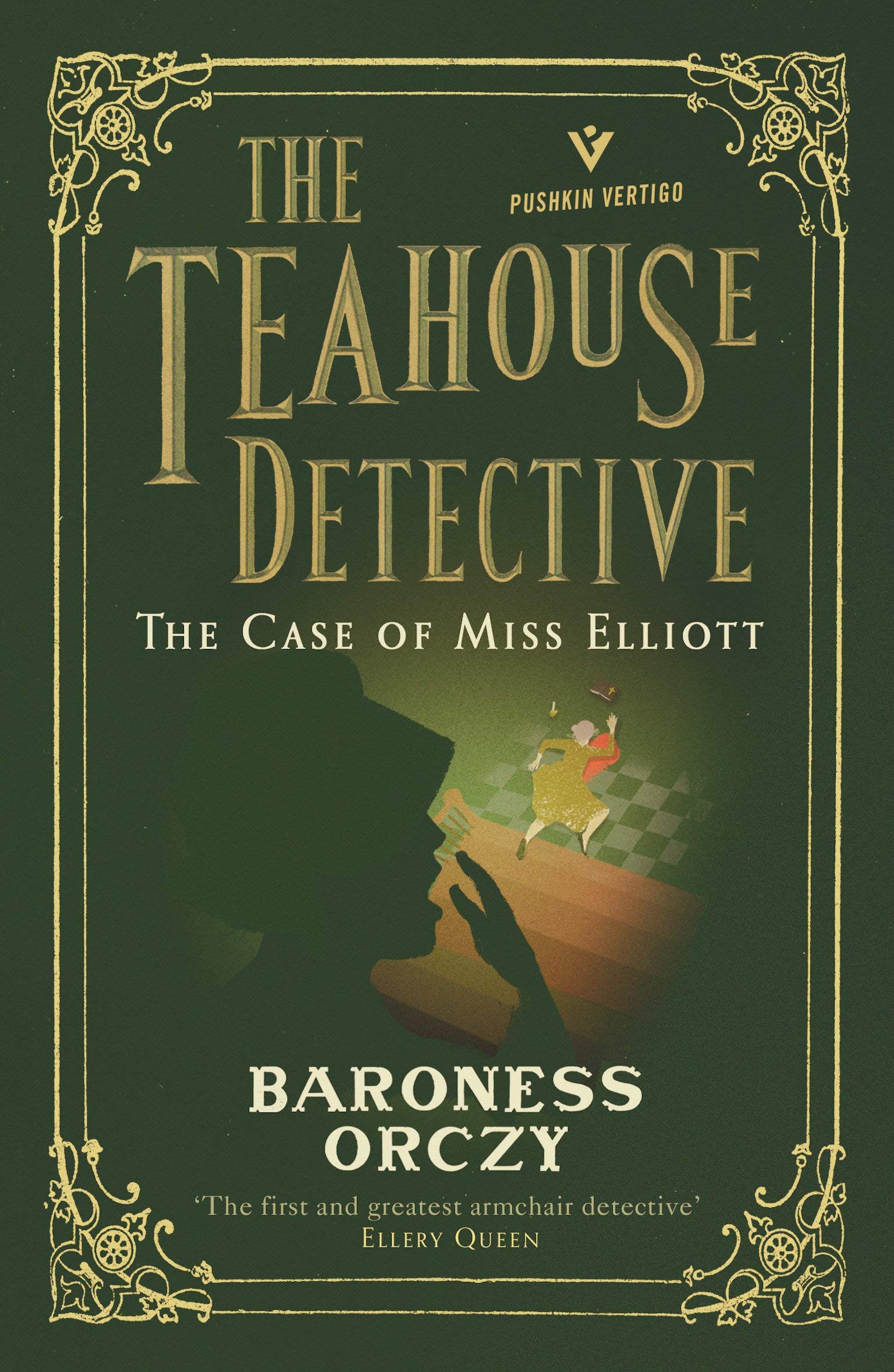
#747: “A murder which at first seems absolutely purposeless always reveals an interesting trait in human nature…” – The Case of Miss Elliott [ss] (1905) by Baroness Orczy

There’s so much depth in Golden Age detective fiction — it was a golden age, after all, irrespective of how narrow you make the window of admissible dates — that one could never read everything. Instead, we must find 60 or so authors who interest us, and hope to get a good coverage elsewhere. Well, if you’ve yet to read Baroness Emmuska Orczy’s Old Man in the Corner stories, I urge you to start as soon as possible.

Continue reading

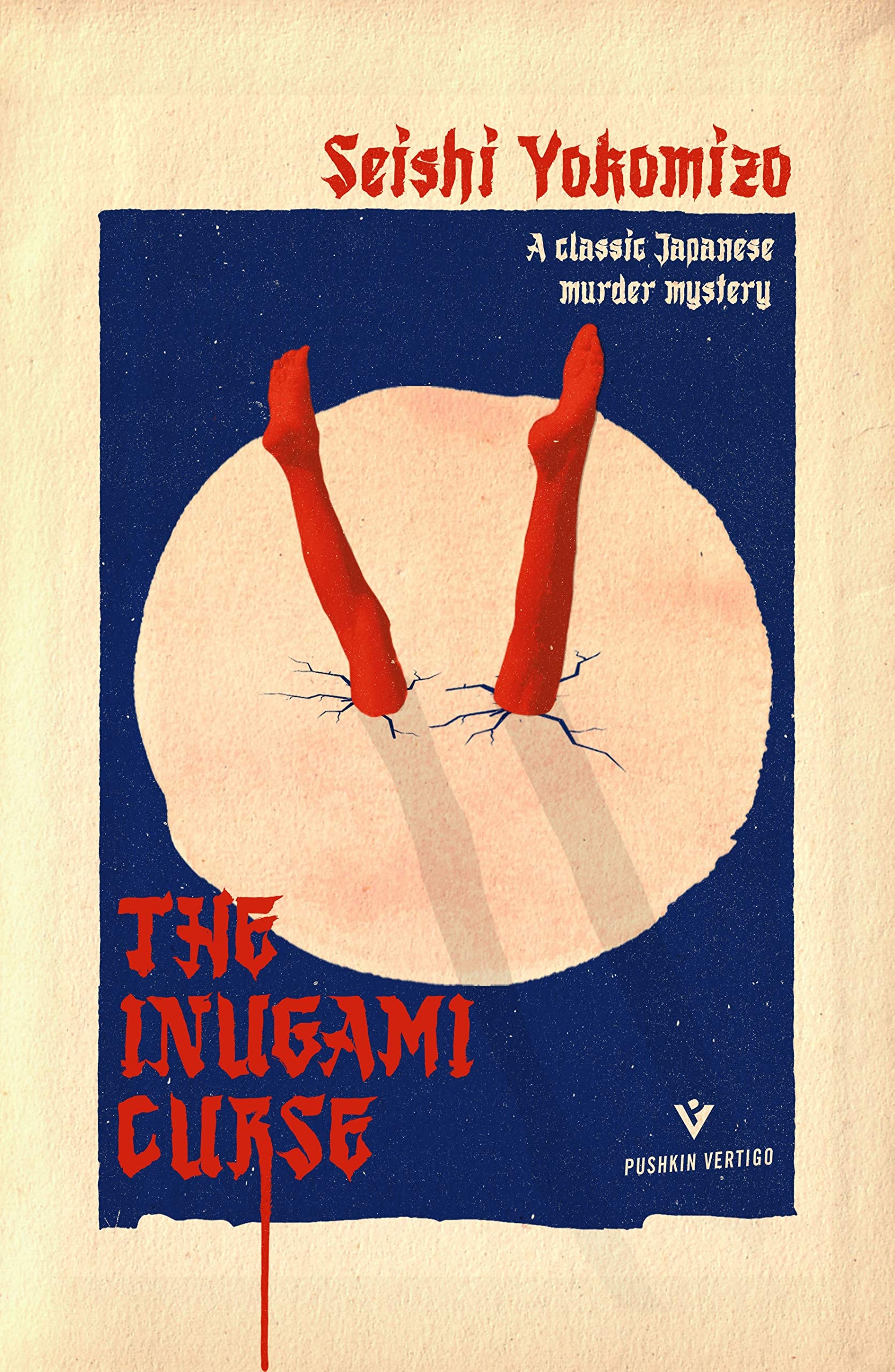
#746: The Inugami Curse, a.k.a. The Inugami Clan (1951) by Seishi Yokomizo [trans. Yumiko Yamazaki 2003]

Inugami Curse, The

star filledstar filledstar filledstar filledstars
When a wealthy businessman bestows his fortune upon a lowly member of his household to the chagrin of his rapacious offspring, you can bet your bottom dollar that some heads are going to (sometimes literally) roll. Rian Johnson’s Knives Out (2019) might be the only time this setup hasn’t resulted in a bloodbath, but The Inugami Curse (1951) by Seishi Yokomizo is from further up the scale. Old sins and their long shadows will get a good airing as stabbings, poisonings, decapitations, stranglings, and even some homicidal wordplay get a murderous field trip to remember. It is, to say the very least, memorable.

Continue reading

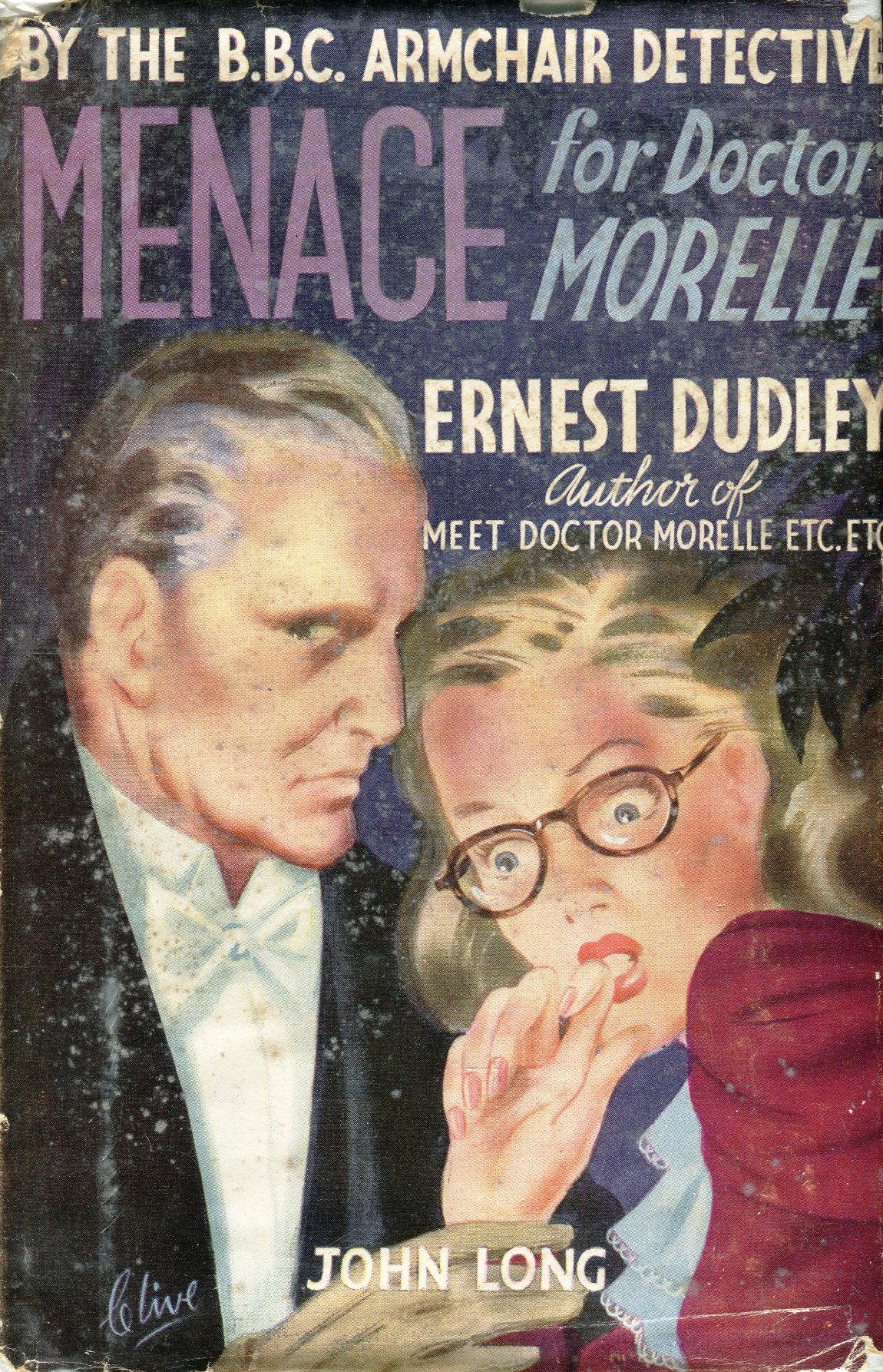
#745: Mining Mount TBR – Menace for Doctor Morelle (1947) by Ernest Dudley

The joy of running this blog comes not from the screaming fans that hound my every step, nor the piles of untaxable cash that seemed to just appear from day one, but from the discussions it and others allow me to have with like-, and sometimes unlike-, minded enthusiasts of Golden Age detective fiction. What to do, then, when I have a book that probably no-one is going to want to talk about?

Continue reading

In GAD We Trust – Episode 16: Modern Writers in the Golden Age Tradition [w’ Puzzle Doctor @ In Search of the Classic Mystery Novel]

Let’s get the new year off to a happy start by showing some appreciation for contemporary authors who make life difficult for themselves by upholding the traditions of Golden Age detective fiction in their own works. And, if you want to discuss modern detective fiction, few are better-placed than Puzzle Doctor, a.k.a. Steve from In Search of the Classic Mystery Novel.

Continue reading

#743: As a Thief in the Night (1928) by R. Austin Freeman

As a Thief in the Night

star filledstar filledstar filledstar filledstar filled
2020 will linger in the memory for many reasons, but I’m going to try to remember it as the year in which I discovered the joy of R. Austin Freeman’s Dr. John Thondyke.  I had previously read, and entirely forgotten about, the impossible crime short story ‘The Aluminium Dagger’ (1909), but it is the novel Mr. Pottermack’s Oversight (1930) — the plot of which is proposed by Thorndyke herein, anticipating Agatha Christie’s use of the same foreshadowing in The A.B.C. Murders (1936) of Cards on the Table (1936) — that I shall consider my first bread with Freeman. And As a Thief in the Night (1928) caps an invigorating year of author-discovery.

Continue reading

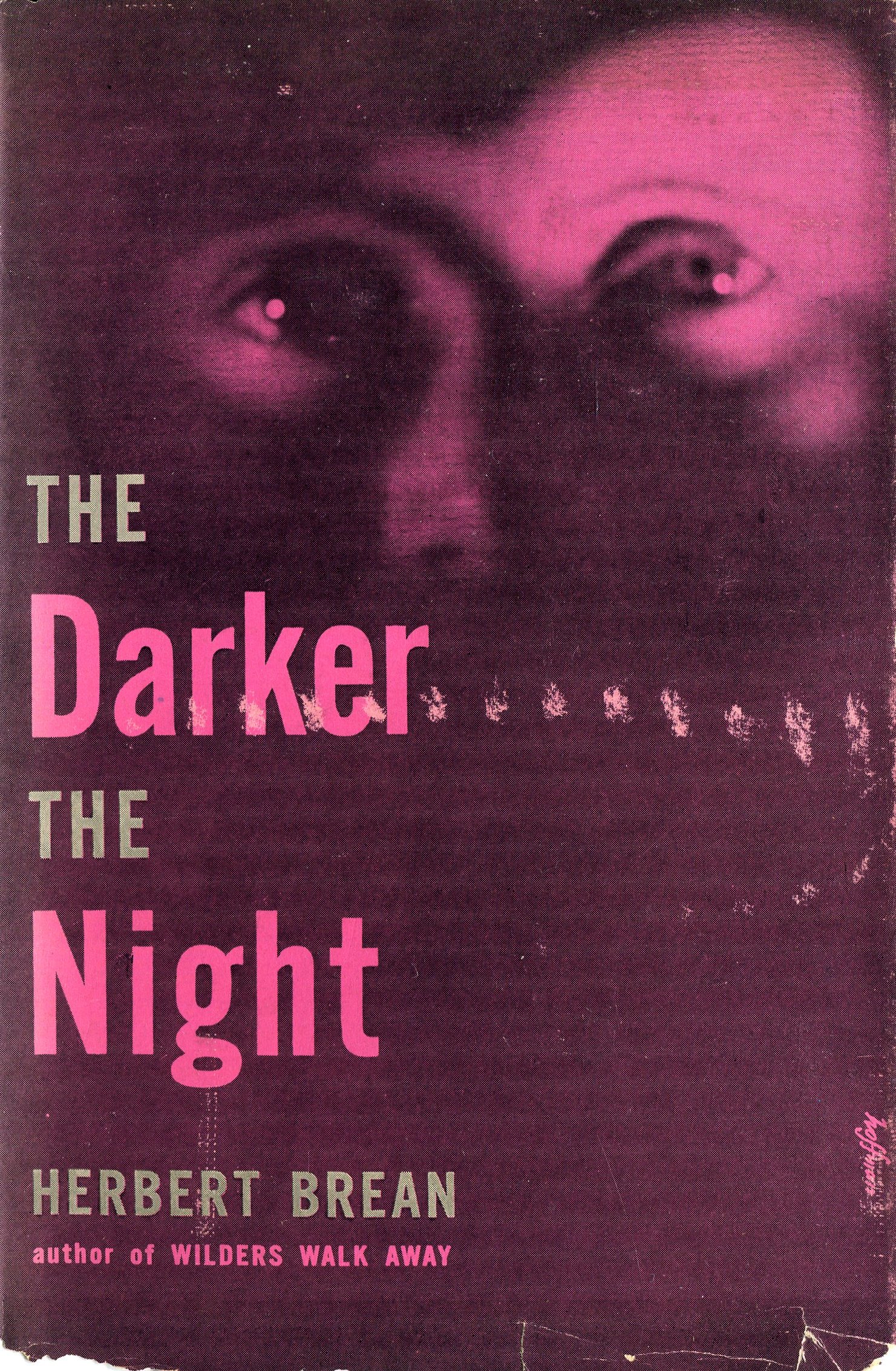
#740: The Darker the Night (1949) by Herbert Brean

Darker the Night

star filledstar filledstar filledstar filledstars
Man, there is a lot to unpack here. Firstly my love of Herbert Brean — an author brought to my attention by TomCat, and about whose books Ben at The Green Capsule and I frequently try to outdo each other in our enthusiasm. Secondly the need for a mystery to sell you on its central premise — here, hypnotism, about which a neat little treatise halfway through. And thirdly the purpose of a mystery novel — does a compelling plot obviate the need for a good mystery, and does a disappointing mystery necessarily detract from a great plot? All this and more we shall confront today with Brean’s second novel The Darker the Night (1949).

Continue reading