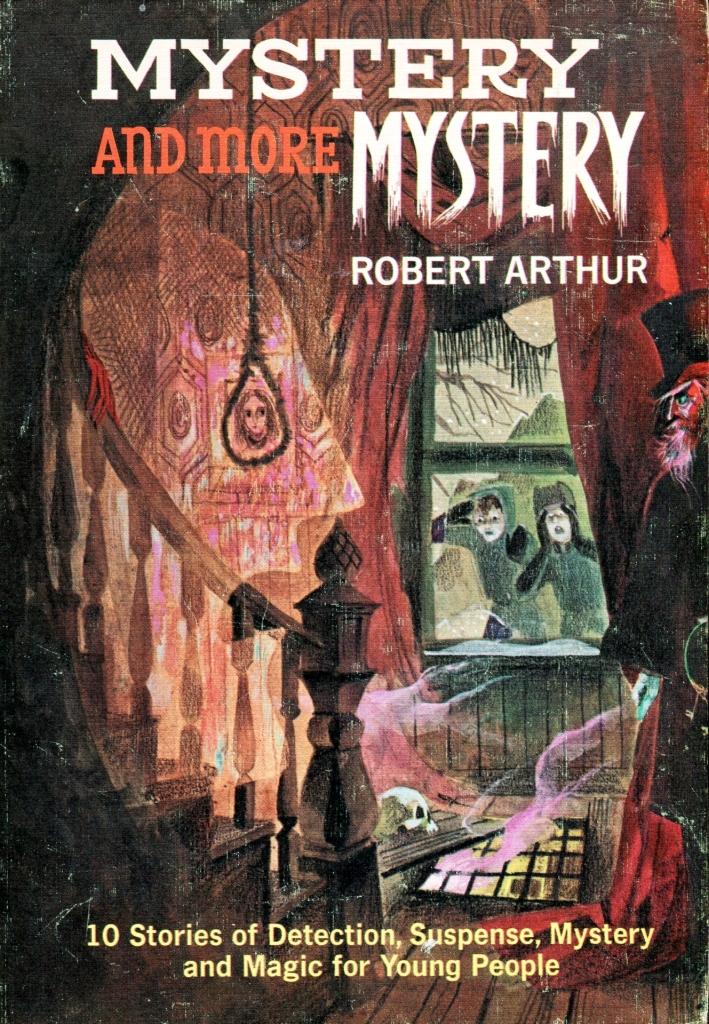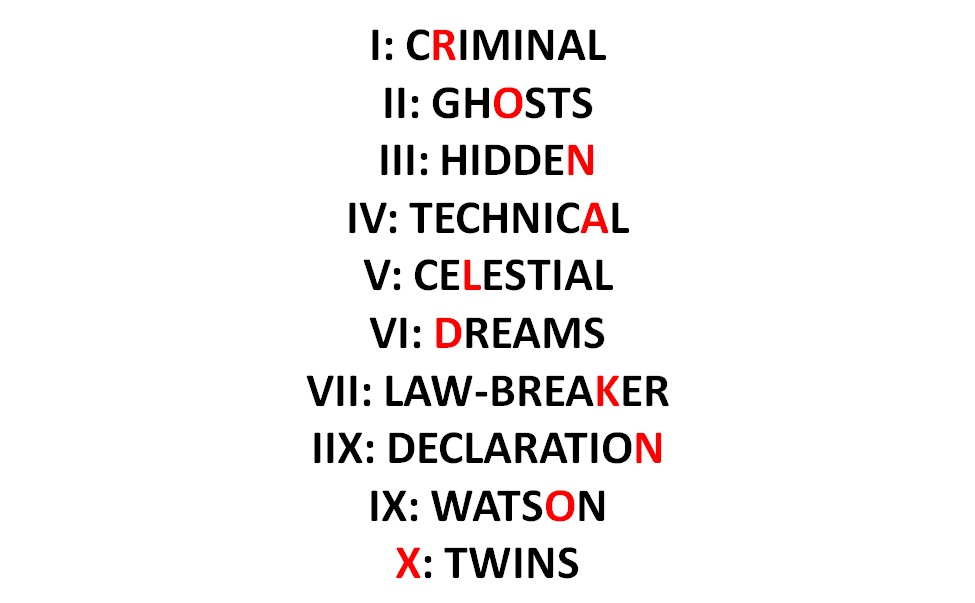
Imagine it: years from now, you’ll be able to say to your descendants “I was there, I remember well the day Jim finally completed his rule-by-rule examination of the Knox Decalogue“.
Continue readingImagine it: years from now, you’ll be able to say to your descendants “I was there, I remember well the day Jim finally completed his rule-by-rule examination of the Knox Decalogue“.
Continue reading
I know what you’ve been thinking: “For such an apparently avowed fan of Freeman Wills Crofts, that Invisible Event guy hasn’t exactly jumped on the recent collection from Crippen & Landru…”. Well checkmate, my friend. Check. Mate.
Continue reading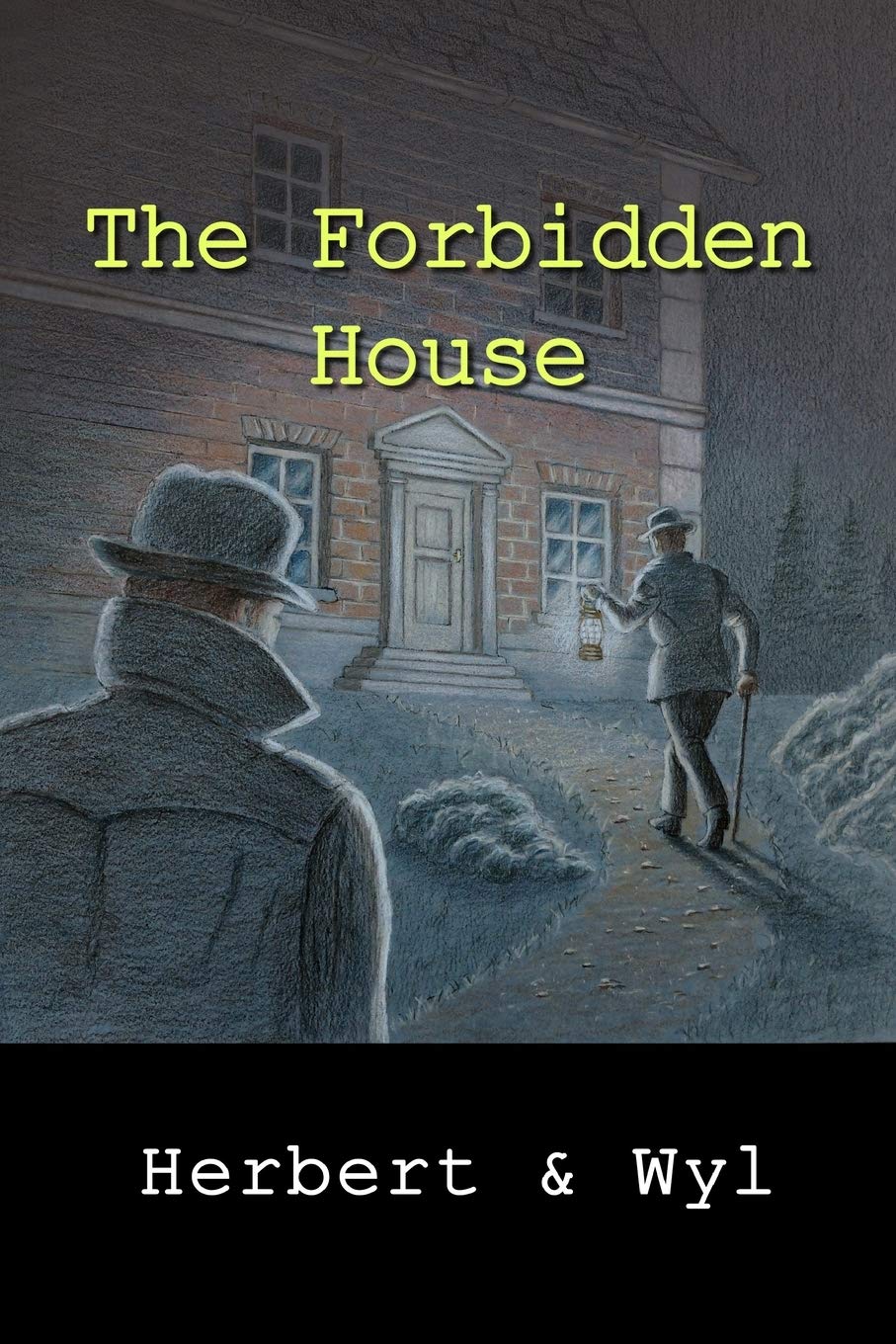


Nouveau-riche Napoléon Verdinage acquires Marchenoire Manor despite mysterious missives warning him against purchasing this “forbiddin [sic] house” and promising his untimely demise. Learning that the previous owners either died or took the letter writer’s warnings to heart and left, Verdinage becomes only more determined to stay. He only has himself to blame, then, when at the two month deadline given for his departure he is shot dead by a man who apparently vanished from the house…an outcome all the more baffling because the only exit was watched the entire time and multiple searches fail to discover the killer anywhere inside.
The end of the Knox Decalogue is in sight! This week it’s Watsons, next week it’s Twins, and then — oh no! — there’s a final Tuesday in the month that I have to fill with something. A flashy dance routine, perhaps?
Continue reading
The companion of the fictional detective — the “stupid friend” as Ronald Knox styled them — is something I have spent far too long thinking about, mainly because the protoype is always taken to be Sherlock Holmes’ chronicler Dr. John H. Watson. Joining me this week to discuss why that might not always be a good comparison to draw is Caroline Crampton of the superb Shedunnit podcast.
Continue reading
Just a few days ago it was my lot to be unimpressed by the concluding volume of one series, and so time is ripe for me to be slightly underwhelmed by the fourth and final novel to feature Herbert Brean’s photographer-sleuth Reynold Frame. This feels like the thousandth book I’ve read this year to which my response has been “Yeah, it was okaaaay…”, but it’s sort of pleasing to finally encounter something by Brean that fails on its own terms — though if you can’t help but go into this “ten people trapped on an island, then murder intrudes” story expecting an update of And Then There Were None (1939), you do so at your own damn peril.
Twenty months ago I set out to examine each of the ten rules in Ronald Knox’s detective fiction decalogue in laborious detail; this month, that project will finally be completed. Then I can finally return to The Criminous Alphabet, eh?
Continue reading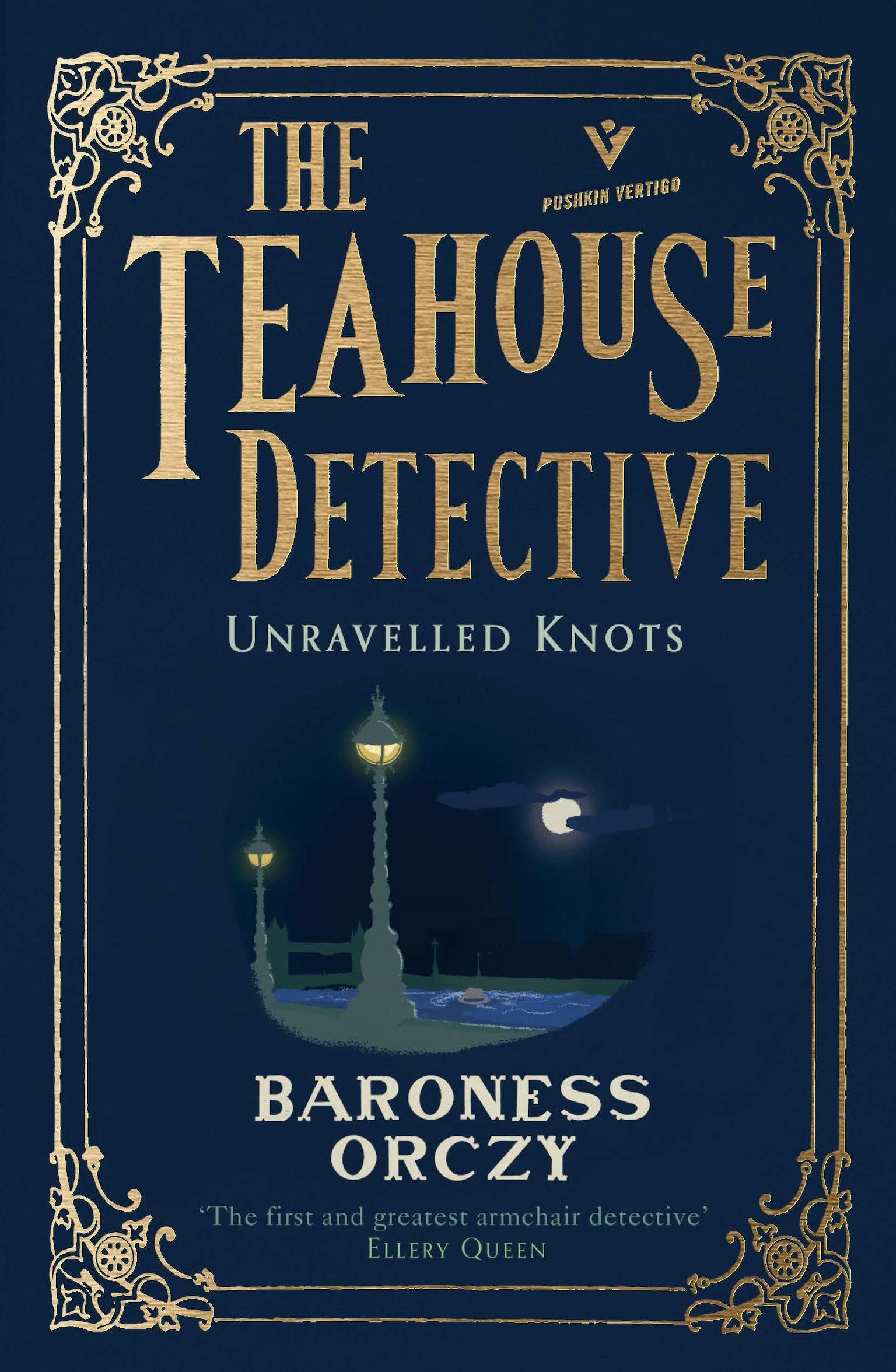
Having thoroughly enjoyed the first two collections of Baroness Orczy’s stories about the Old Man in the Corner, I was anticipating a similarly enjoyable time with the third and final collection, Unravelled Knots (1925). The third and final collection had other plans…
Continue reading
As a firm proponent of reading an author’s work chronologically, I’m a terrible hypocrite. I initially encountered Dr. John Evelyn Thorndyke in his eighteenth published volume, and then read his third, fifth, fourteenth, seventeenth, fourth, and sixteenth before now getting to his debut, The Red Thumb Mark (1907). Those of you following along at home will know how much enjoyment I’ve taken from Freeman’s writing, and the simple truth is that, had I started here, I may still be working up the enthusiasm to read further. Not that this is a bad book, and in many ways it’s a fascinating one, but it’s difficult from here to see the heights RAF would scale later in his career.