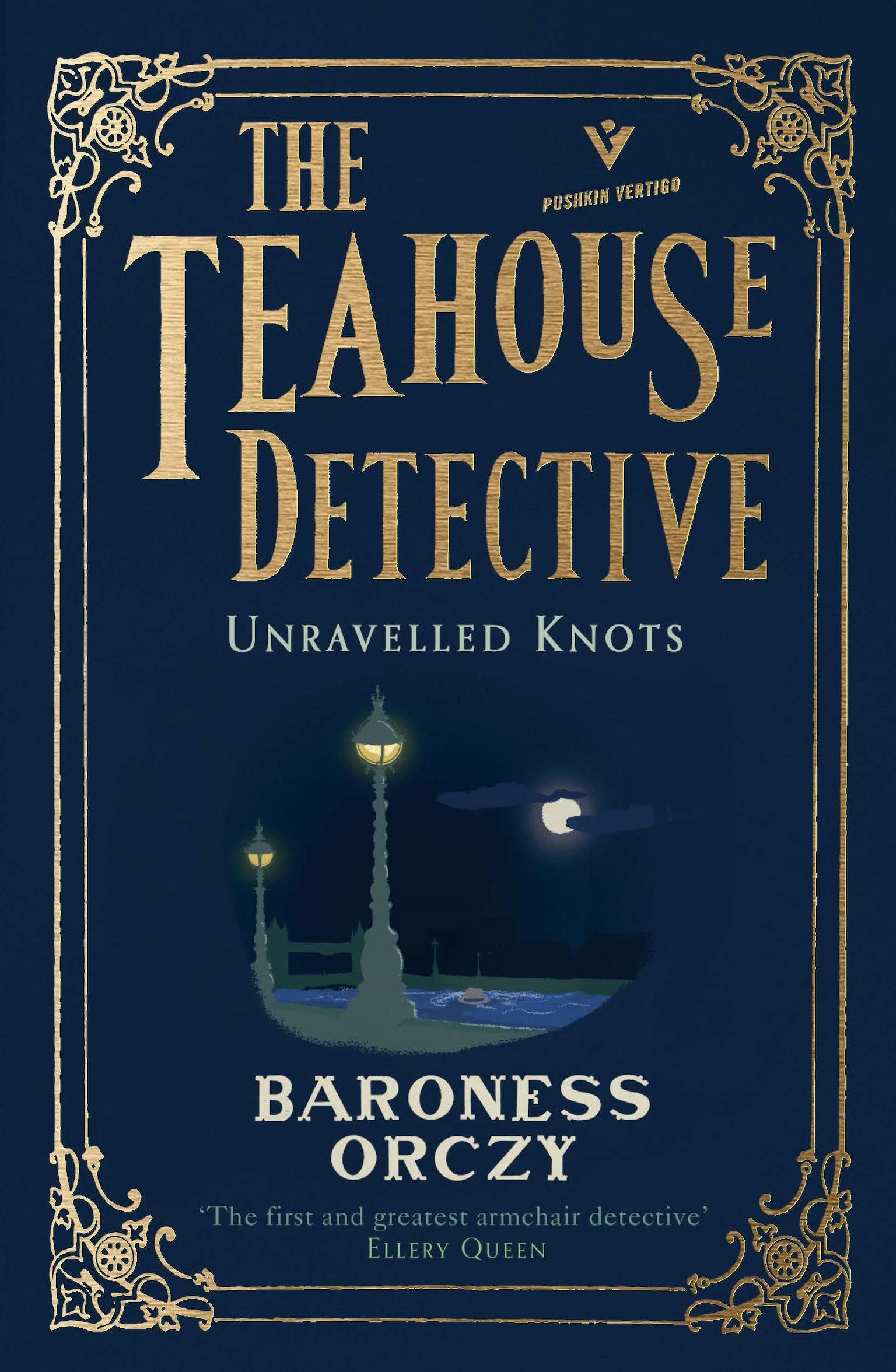
Having thoroughly enjoyed the first two collections of Baroness Orczy’s stories about the Old Man in the Corner, I was anticipating a similarly enjoyable time with the third and final collection, Unravelled Knots (1925). The third and final collection had other plans…
Continue reading#806: The Red Thumb Mark (1907) by R. Austin Freeman

![]()
![]()
![]()
![]()
![]()
As a firm proponent of reading an author’s work chronologically, I’m a terrible hypocrite. I initially encountered Dr. John Evelyn Thorndyke in his eighteenth published volume, and then read his third, fifth, fourteenth, seventeenth, fourth, and sixteenth before now getting to his debut, The Red Thumb Mark (1907). Those of you following along at home will know how much enjoyment I’ve taken from Freeman’s writing, and the simple truth is that, had I started here, I may still be working up the enthusiasm to read further. Not that this is a bad book, and in many ways it’s a fascinating one, but it’s difficult from here to see the heights RAF would scale later in his career.
In GAD We Trust – Episode 22: On Making a Good First Impression [w’ Sergio @ Tipping My Fedora + Brad @ AhSweetMysteryBlog]
After the interruption to the schedule of two weeks ago, here’s another In GAD We Trust podcast — and given the topic of ‘Making a Good First Impression’ it’s only fitting to welcome returning guests Sergio and Brad.
Continue reading#803: Pick Your Victim (1946) by Pat McGerr [a.p.a. by Patricia McGerr]

![]()
![]()
![]()
![]()
![]()
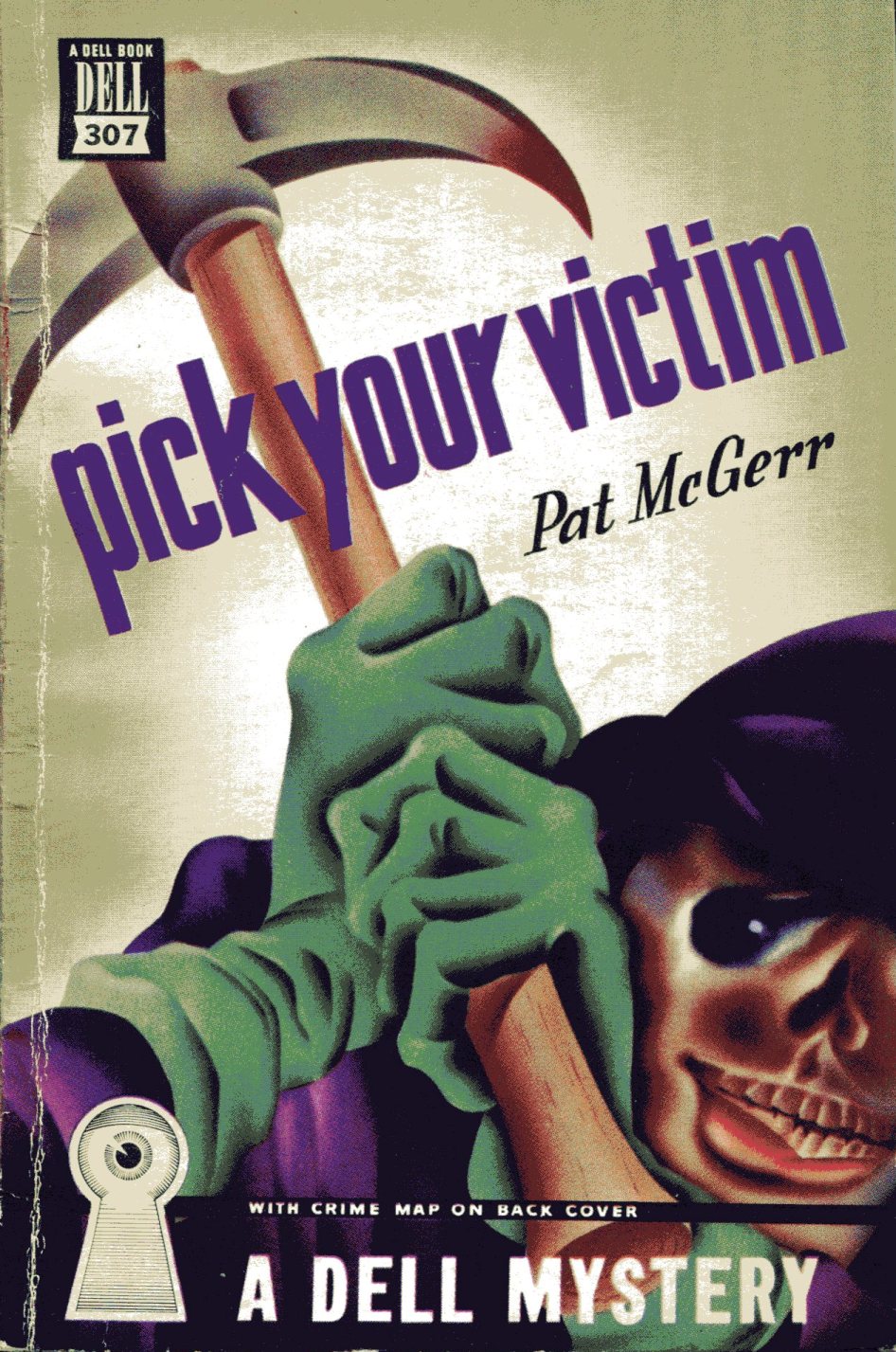
The cover of this Dell mapback edition of Pick Your Victim (1946) by Pat/Patricia McGerr is one of the oddest I have ever encountered. Not only does the front imply a masked — or, y’know, deformed — serial killer disposing of their victims with the eponymous pick (in the book it is the verb and not the noun, and the sole victim is strangled), but the map on the back is…sorta useless, since the environs of the strangulation are completely irrelevant, making them ill-suited to illustration. The book has other problems besides these, but quite what Dell thought they were selling would probably take a book of its own to explain.
#802: Minor Felonies/Little Fictions – ‘The Vanishing Passenger’ (1952) and ‘Hard Case’ (1940) by Robert Arthur
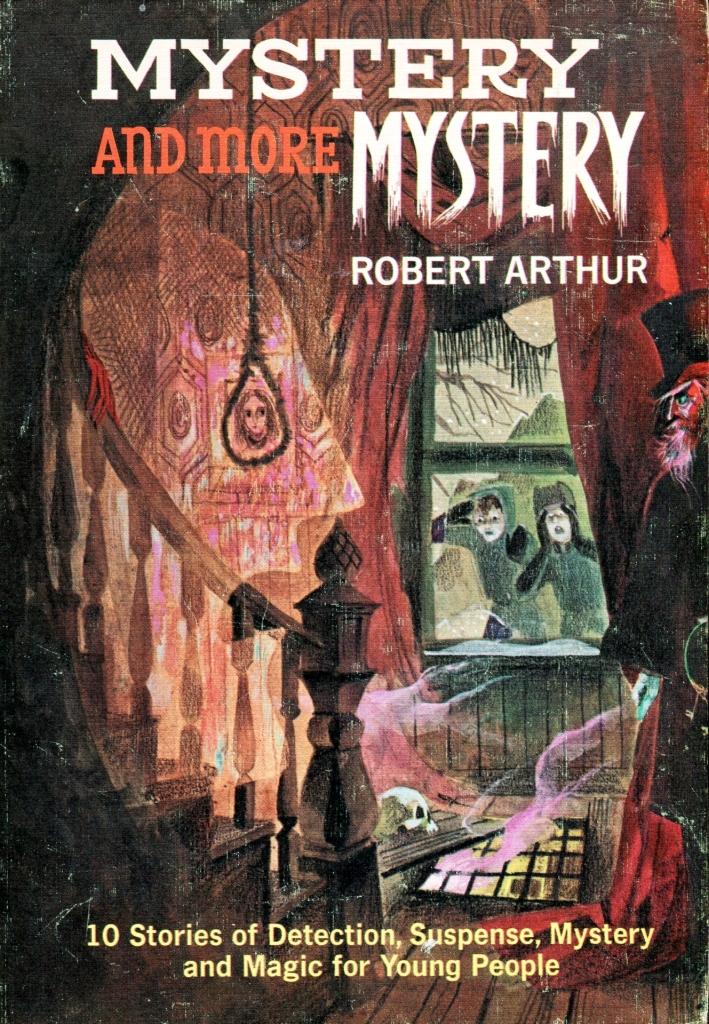
Herewith, my thoughts on the last two stories in Robert Arthur’s Mystery and More Mystery (1966) collection that I’ve not previously read. Not “the last two stories”, you understand, because there are two more in the book after these. But those actual last two stories, coming next week, I’ve encountered previously. Grammar’s a bastard, isn’t it?
Continue reading#801: History Repeats Itself in The Secret of the Crooked Cat (1970) by William Arden
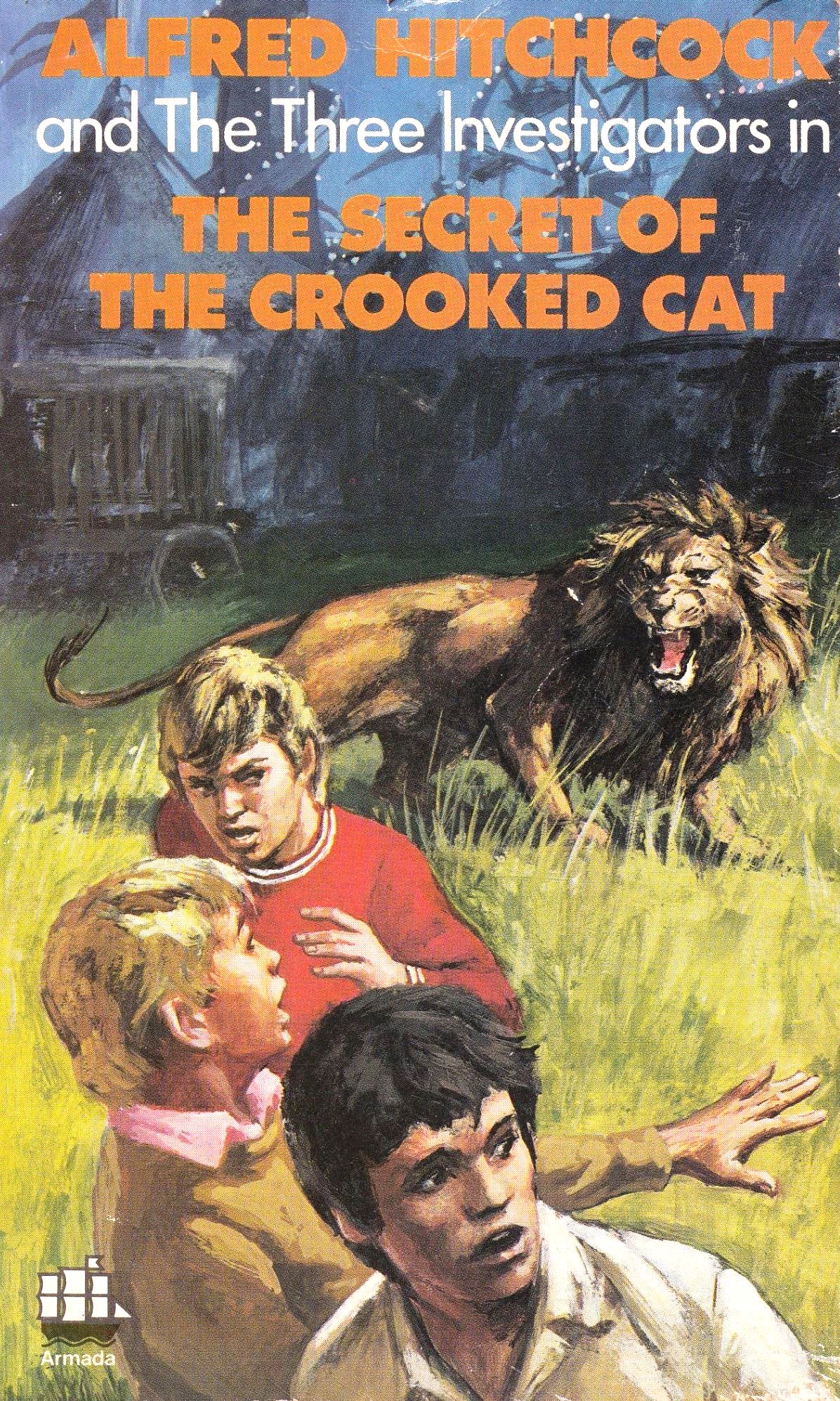
There is an argument to be made that genre fiction and sitcoms share a huge amount of DNA: we want them to be the same sort of thing from episode-to-episode or book-to-book, and yet within the repetition of ingredients that define the form we also want something new.
Continue reading#800: The Plague Court Murders (1934) by John Dickson Carr [a.p.a. by Carter Dickson]

![]()
![]()
![]()
![]()
![]()
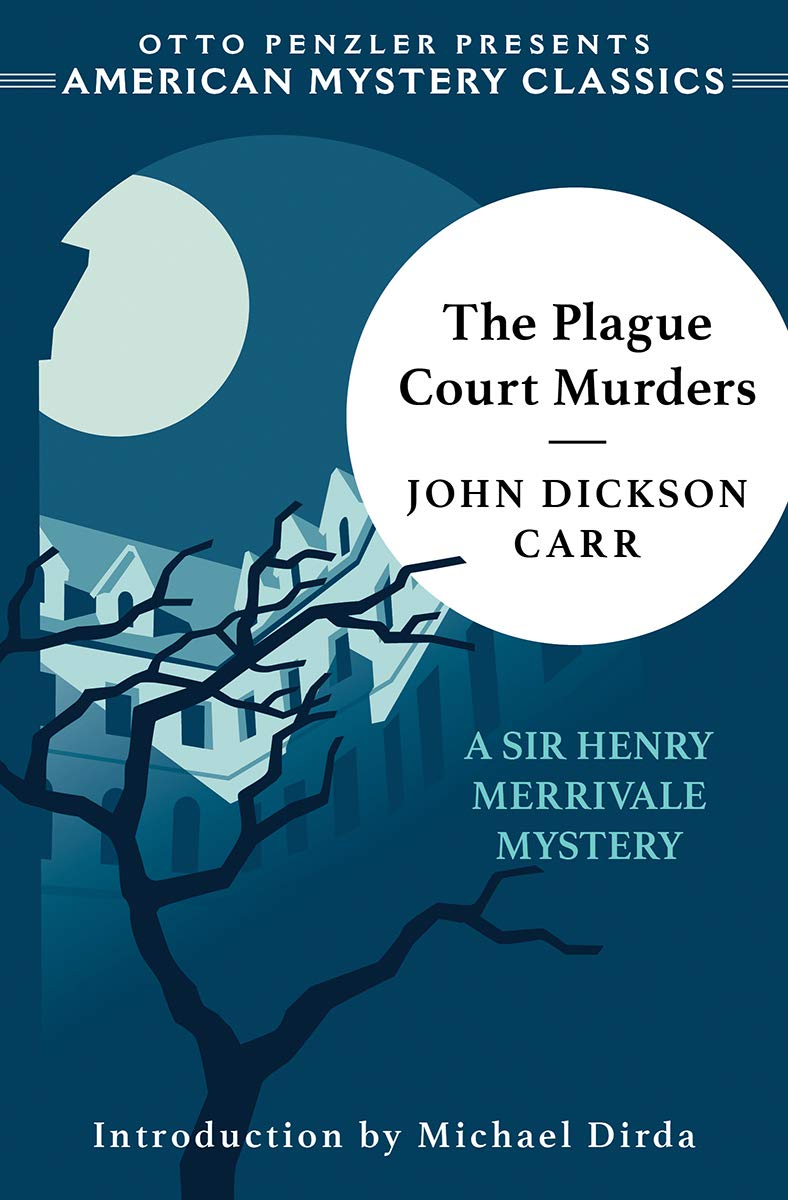
The Plague Court Murders (1934), the debut of John Dickson Carr’s sleuth Sir Henry ‘H.M.’ Merrivale and published under his Carter Dickson nom de plume, struck me when I first read it as among the ne plus ultra of locked room mysteries. A decade on, having read much more of Carr’s output, I now see it differently. Carr published five books in 1934, each one now feeling lilke an attempt to work some new wrinkle into his writing. For all the cleverness — and it is very clever — this is really an apprentice work from a man who would go on to do much, much better.
#799: Minor Felonies/Little Fictions – ‘The Glass Bridge’ (1957) and ‘Change of Address’ (1951) by Robert Arthur
Another week, another brace of stories from Mystery and More Mystery (1966) by Robert Arthur.
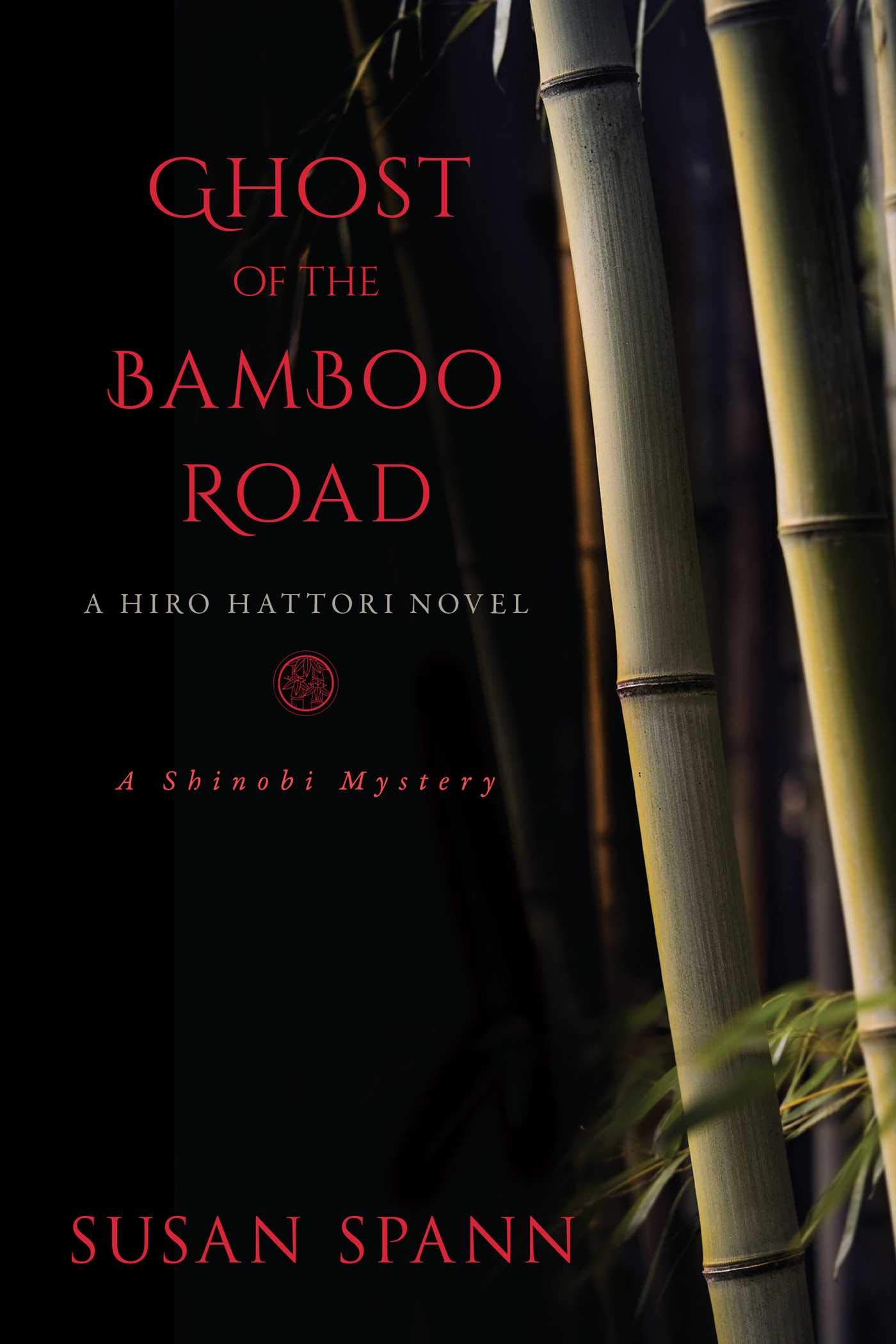
Continue reading#798: A Little Help for My Friends – Finding a Modern Locked Room Mystery for TomCat Attempt #16: Ghost of the Bamboo Road (2019) by Susan Spann
Technical difficulties have precluded an episode of In GAD We Trust this week — apologies — and so instead we return to the occasional series in which I pretend that it is for TomCat‘s benefit that I track down and read modern impossible crime novels.
Continue reading