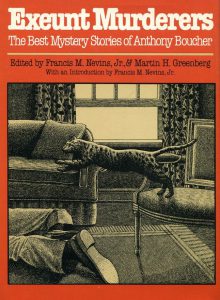
Three more non-series tales from Exeunt Murderers: The Best Mystery Stories of Anthony Boucher [ss] (1983).
Continue reading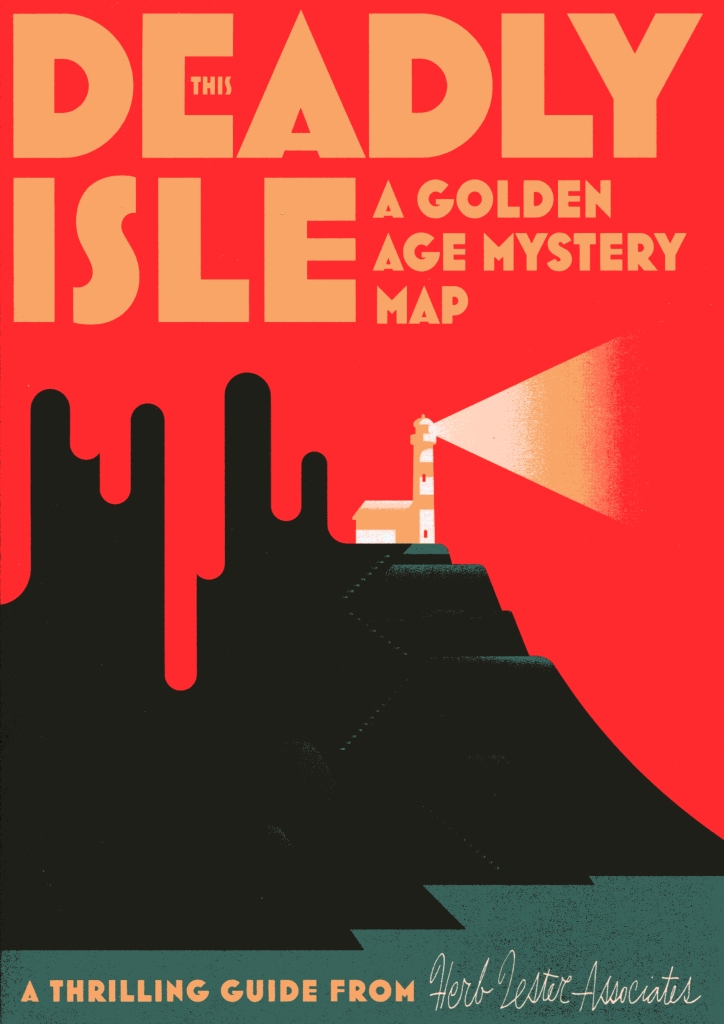
After the very enjoyable work done by Herb Lester and Caroline Crampton in mapping the key locations of Agatha Christie’s English mysteries, it was surely only a matter of time before a similar project was attempted. And This Deadly Isle, which maps the locations of a raft of Golden Age mysteries across the country, is the delightful inevitable follow-up.
Continue reading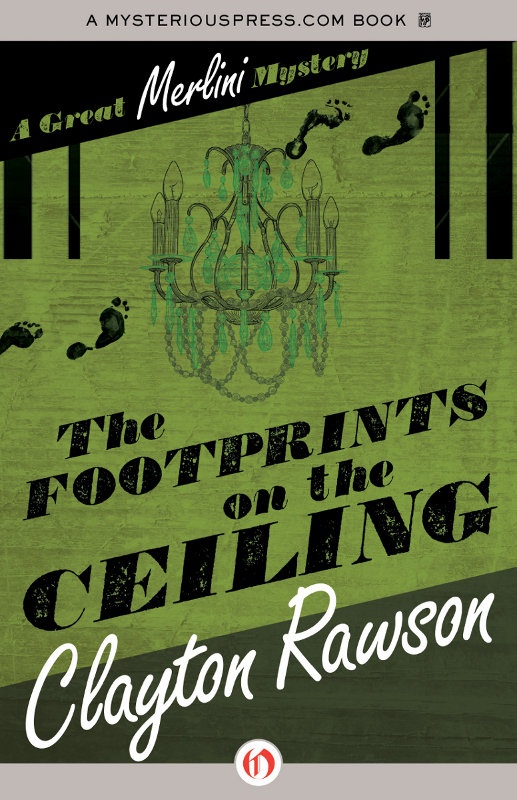


This might be the longest-gestating punchline in blogging history, but it was also about time I returned to Clayton Rawson. Ever since the American Mystery Classics reissued Rawson’s debut novel Death from a Top Hat (1938), I’ve been waiting for them to release his second, The Footprints on the Ceiling (1939), so that I could finally experience it. And then I discovered a few months ago that I’d already bought Footprints as an ebook and it had been waiting, long-forgotten, on my e-reader of choice. And, as someone who feels Rawson’s best work might have been his short stories, I have to say that I very much enjoyed…most of this.
Having previously written about the Nick Noble stories and Sister Ursula stories by Anthony Boucher collected in Exeunt Murderers [ss] (1983), I turn my attention for Tuesdays this month to the remaining, non-series works in that volume.
Continue reading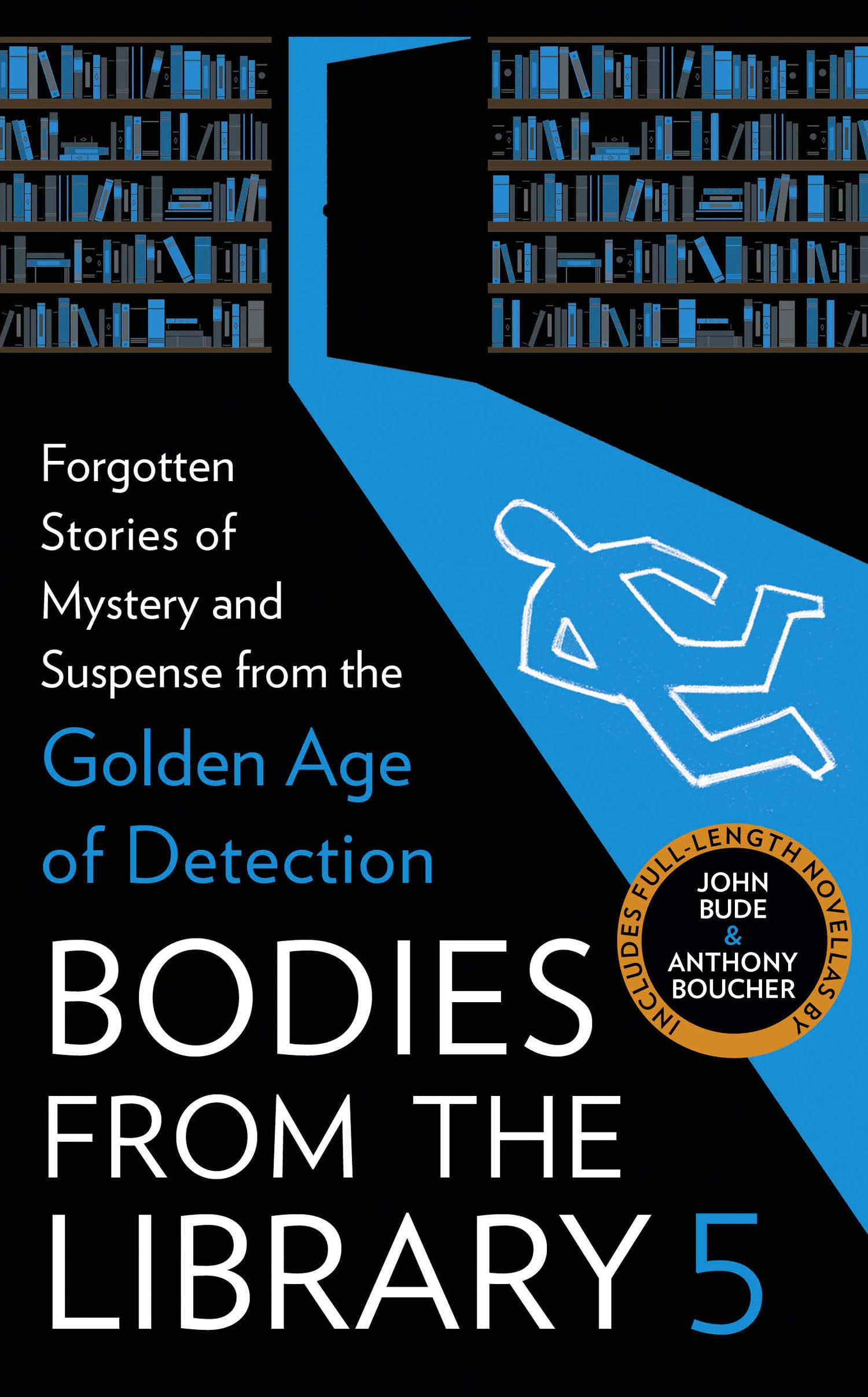
Another year, another collection of forgotten or unknown tales from the luminaries of detective fiction’s Golden Age brought to us by the tireless efforts of Tony Medawar. So how does Bodies from the Library 5 (2022) stack up?
Continue reading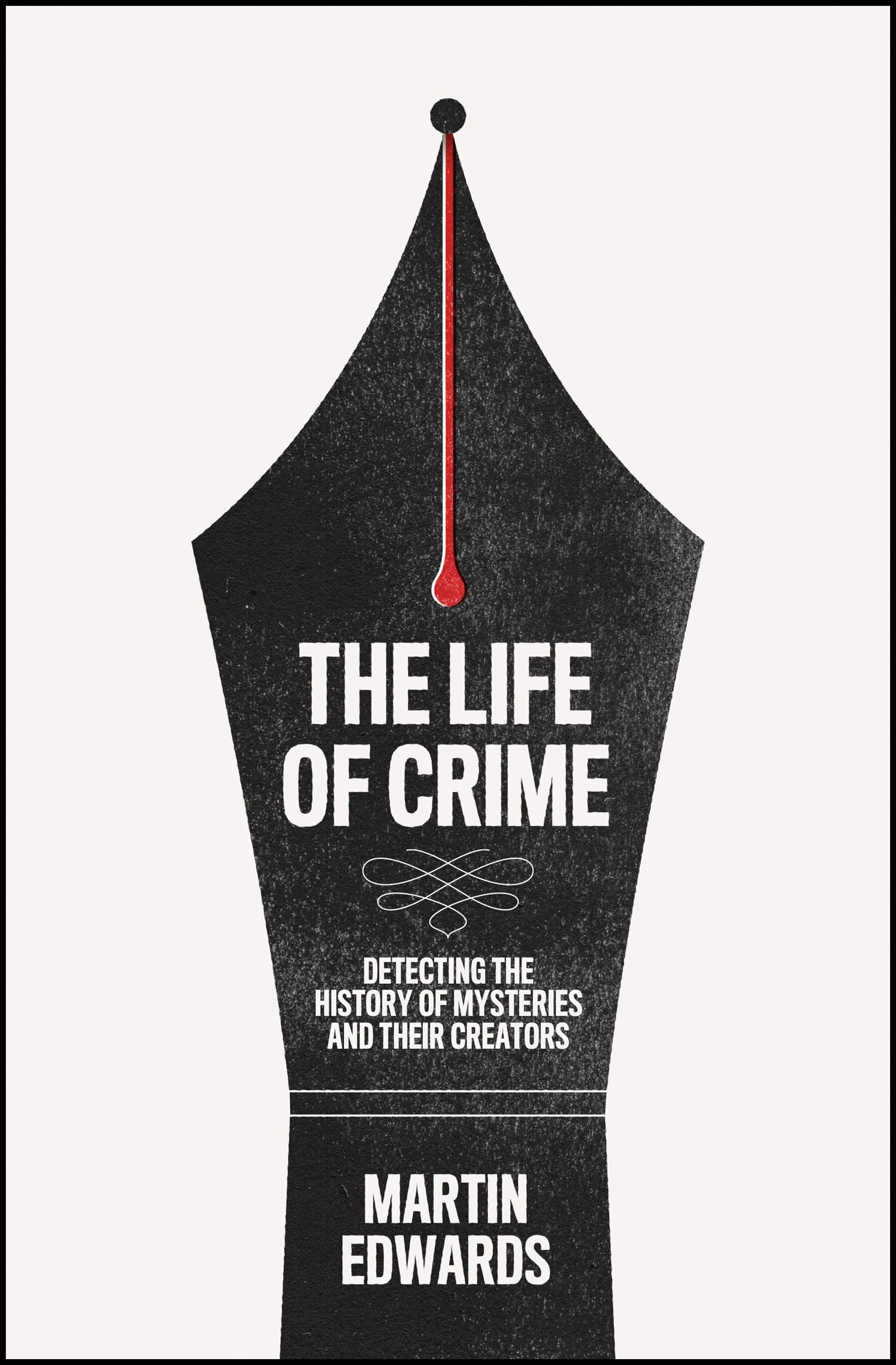
To me falls the honour of rounding off the blog tour for The Life of Crime (2022) by Martin Edwards, adding to the deserved praise it has already garnered elsewhere. This “personal journey through the genre’s past, with all the limitations and idiosyncrasies that implies” is a monumental achievement, encompassing the breadth and depth of a genre that is now a good couple of centuries old, and finding many nuggets to share about it along the way. And, since any study of a genre must inherently be about that genre to some extent, Edwards’ trump card here is to tell a story of crime writing that also sheds light on the need for such stories to exist in the first place.

The writing duo of Frederic Dannay and Manfred B. Lee, a.k.a. Ellery Queen, a.k.a. Barnaby Ross are huge names who arguably deserve more than simply being thrown in as one of the long-languishing members of my TBR pile. But my struggles with Queen are well-documented, and at least I’ll read this now, hein?
Continue reading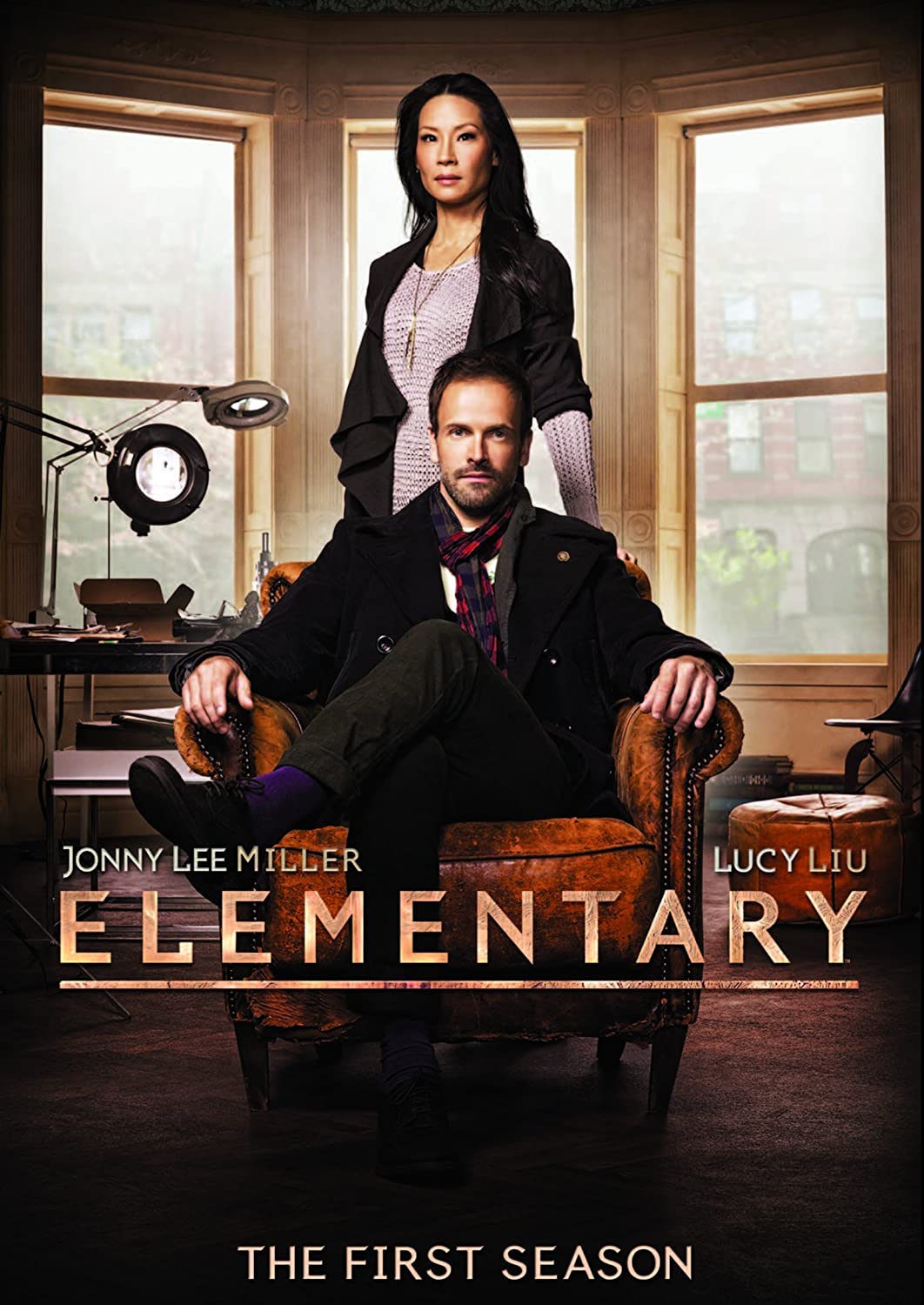
Brad is working his way through full season summary breakdowns of the recent US TV Sherlock Holmes update Elementary (2012-19) and, since he and I have been watching it at about the same time — thanks to urging from a mutual friend — I thought I’d belatedly jump on that bandwagon share my own thoughts in more compact form.
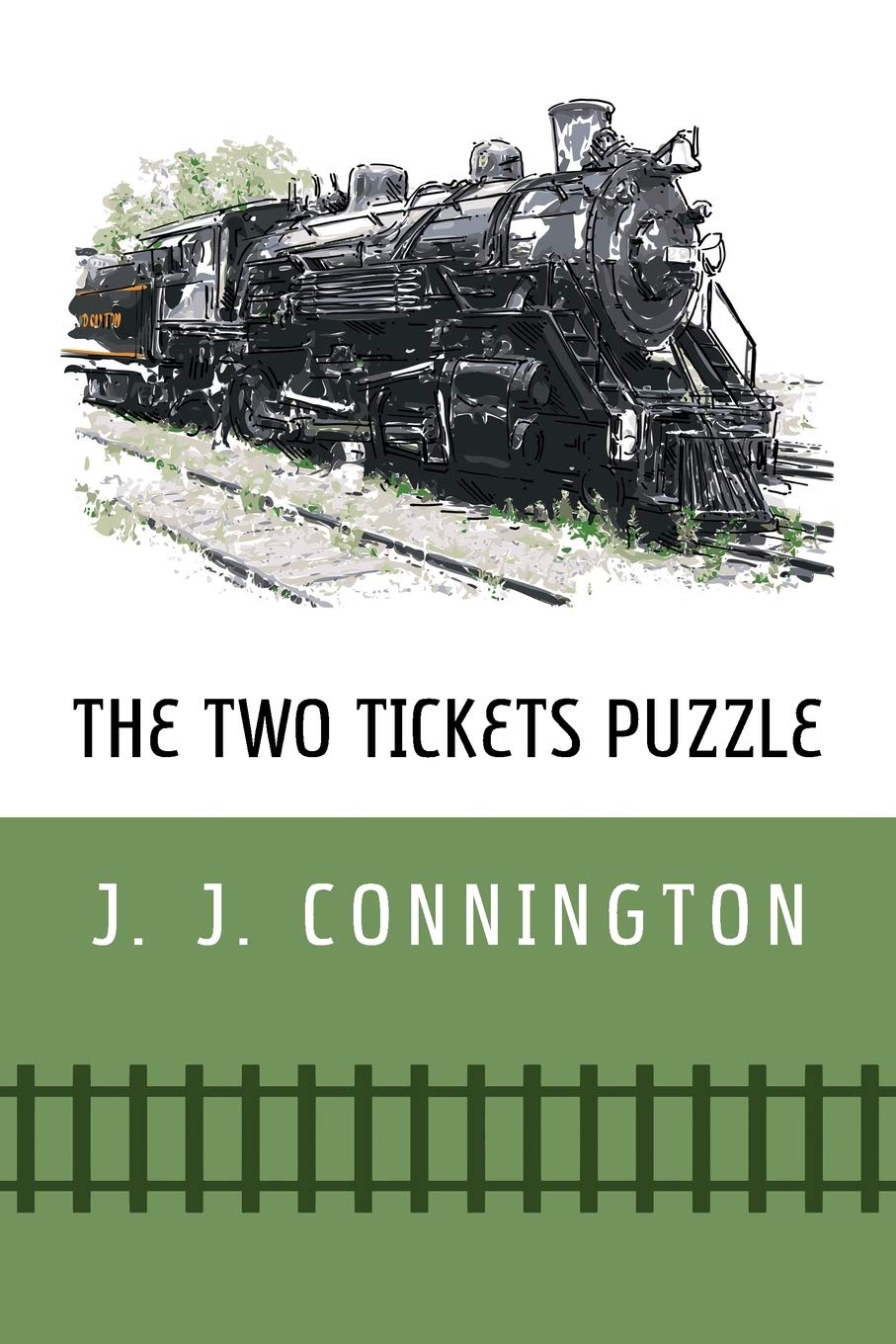
I first encountered J.J. Connington’s two-book sleuth Superintendent Ross in his debut, The Eye in the Museum (1929), a novel I disliked so much I’ve banished from memory almost entirely. It was to be hoped, then, that Ross’ valedictorian case The Two Tickets Puzzle (1930) would strike me more favourably — which, given the rate these Golden Age tyros produced mysteries (this is Connington’s ninth crime novel in just four years), didn’t seem too unlikely: quality is bound to vary wildly under intense output. And, sure enough, Ross’ final case is an improvement: clearer, better structured, and far more engaging.
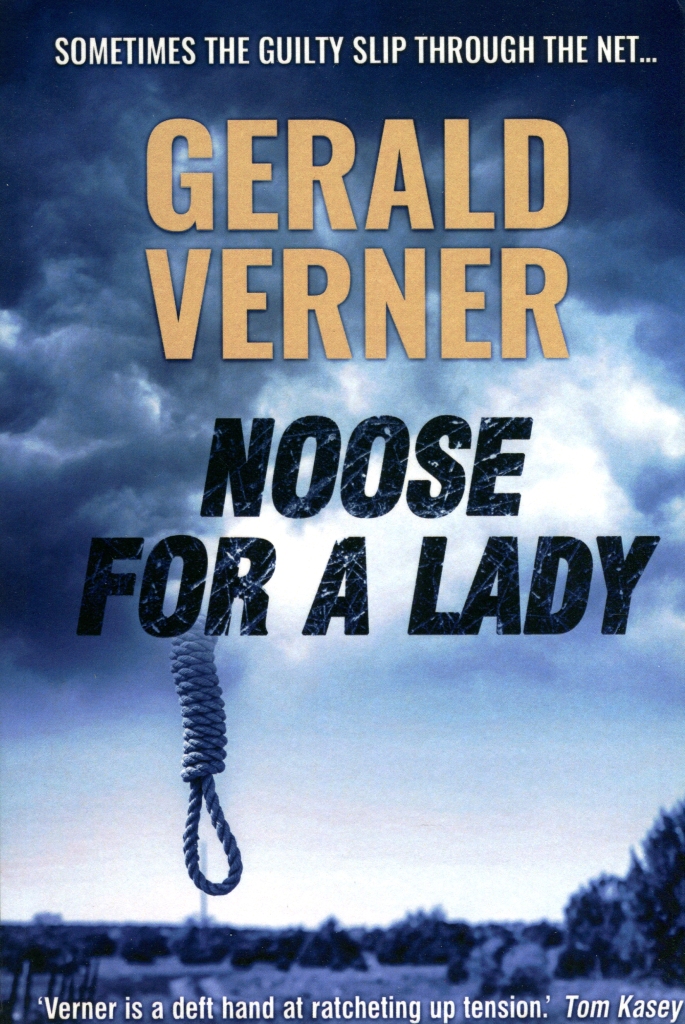
You wait months for a Ticking Clock Against Which to Discover the Real Killer Before an Innocent Person is Wrongfully Executed thriller, and then two come along in the same week.
Continue reading
