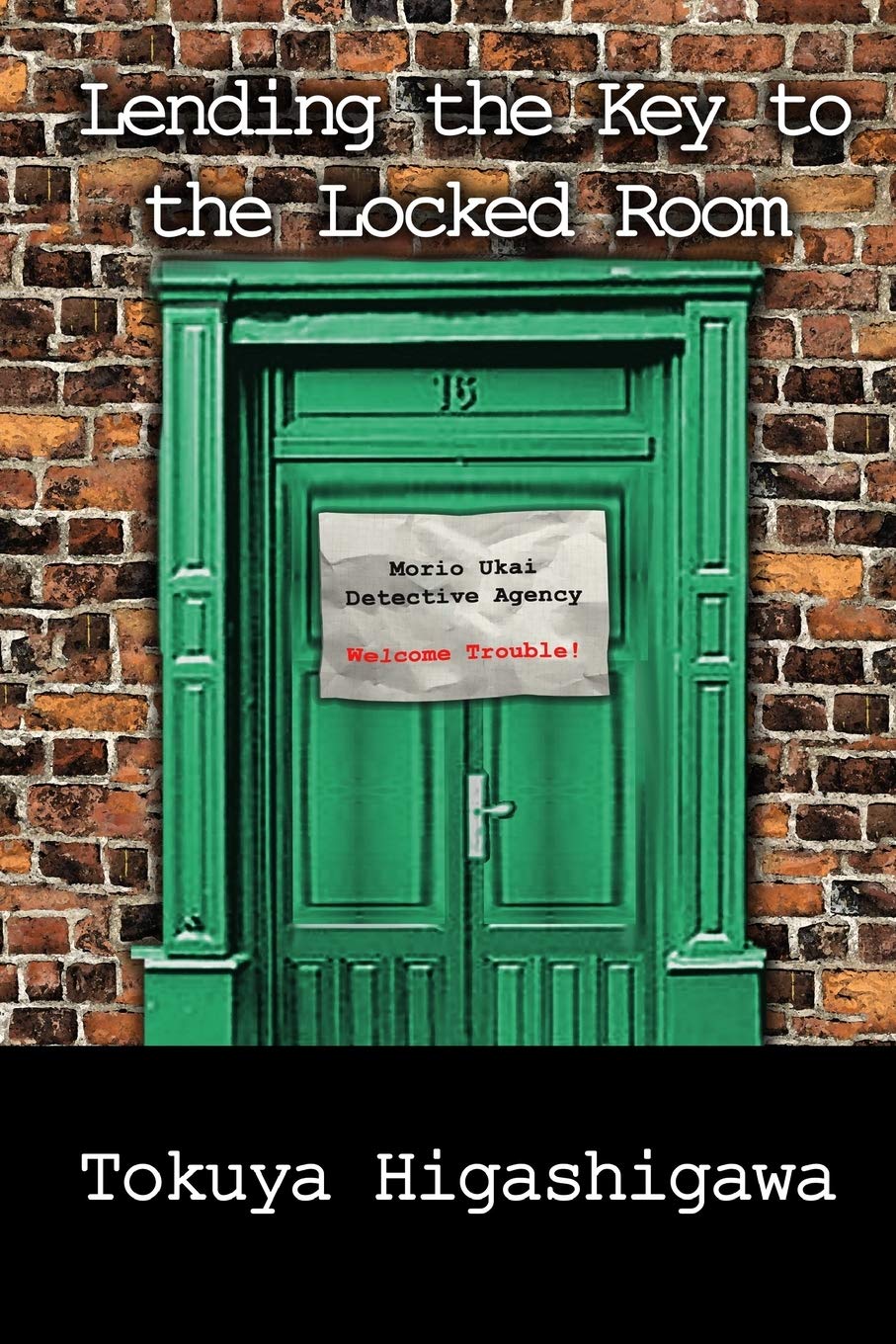
#786: Lending the Key to the Locked Room (2002) by Tokuya Higashigawa [trans. Ho-Ling Wong 2020]

Lending the Key to the Locked Room

star filledstar filledstar filledstarsstars
The sixth translation of (shin) honkaku by Ho-Ling Wong under the auspices of Locked Room International, Lending the Key to the Locked Room (2002) is a paean to the glory days of the complex puzzle plots of the 1930s while oddly frugal in its own plotting and characterisation. Delightfully self-aware at times in a manner that (to my taste) never succumbs to the danger of outstaying its welcome, the savvy elements of this debut are undercut by issues elsewhere: a reliance on concidence, a tiny cast with very little to misdirect into, and the sheer amount of irrelevant information that carries you through.
Continue reading

#784: The Widening Stain (1942) by W. Bolingbroke Johnson [a.p.a. by Morris Bishop]

Widening Stain

star filledstar filledstar filledstarsstars
To Miss Gilda Gorham, Chief Cataloguer of an unnamed American university’s library — a building oft-expanded, and now an “architectural emetic” — the death of one colleague amongst the stacks may be regarded as a misfortune; the death of two, however, added to the disappearance of a staggeringly rare and expensive mansucript, has the air of carelessness about it. Who among the amicable staff of the university could have perpetrated such acts? And why? So, for ill-defined reasons, she puts any discomfiture aside and launches an investigation of her own. Naturally, it is not too long before all manner of clandestine activites begin to creep out…

Continue reading

#782: Below Suspicion (1949) by John Dickson Carr

Below Suspicion

star filledstar filledstar filledstar filledstar filled
After a year — a year, people — of mind-numbing repetition and drudgery against a background of tragedy, Below Suspicion (1949), John Dickson Carr’s forty-sixth book in twenty years and the 18th to feature Dr. Gideon Fell, was exactly what I needed…for the simple reason that it is so very, very different. Ten years from now I could reread this and be appalled that I ever thought it so great, but right now it is manna from heaven: eerie, baffling, infuriating in many ways, and fascinating given the direction we know Carr’s career took from this point in how it blends the classic detection he had excelled in with the historical mysteries he was about to launch himself into.

Continue reading

#780: Come, Tell Me How You Live – Repudiation in Narration via Murder Isn’t Easy (1936) by Richard Hull

The first time I ever emailed an author, it was to enquire of Harlan Coben why he’d opted in Tell No One (2001) to switch between first- and third-person narrative in the telling of a story that, to my callow, untutored eye, could have told throughout in third person. I phrased it more politely than that, but you get the gist.

Continue reading

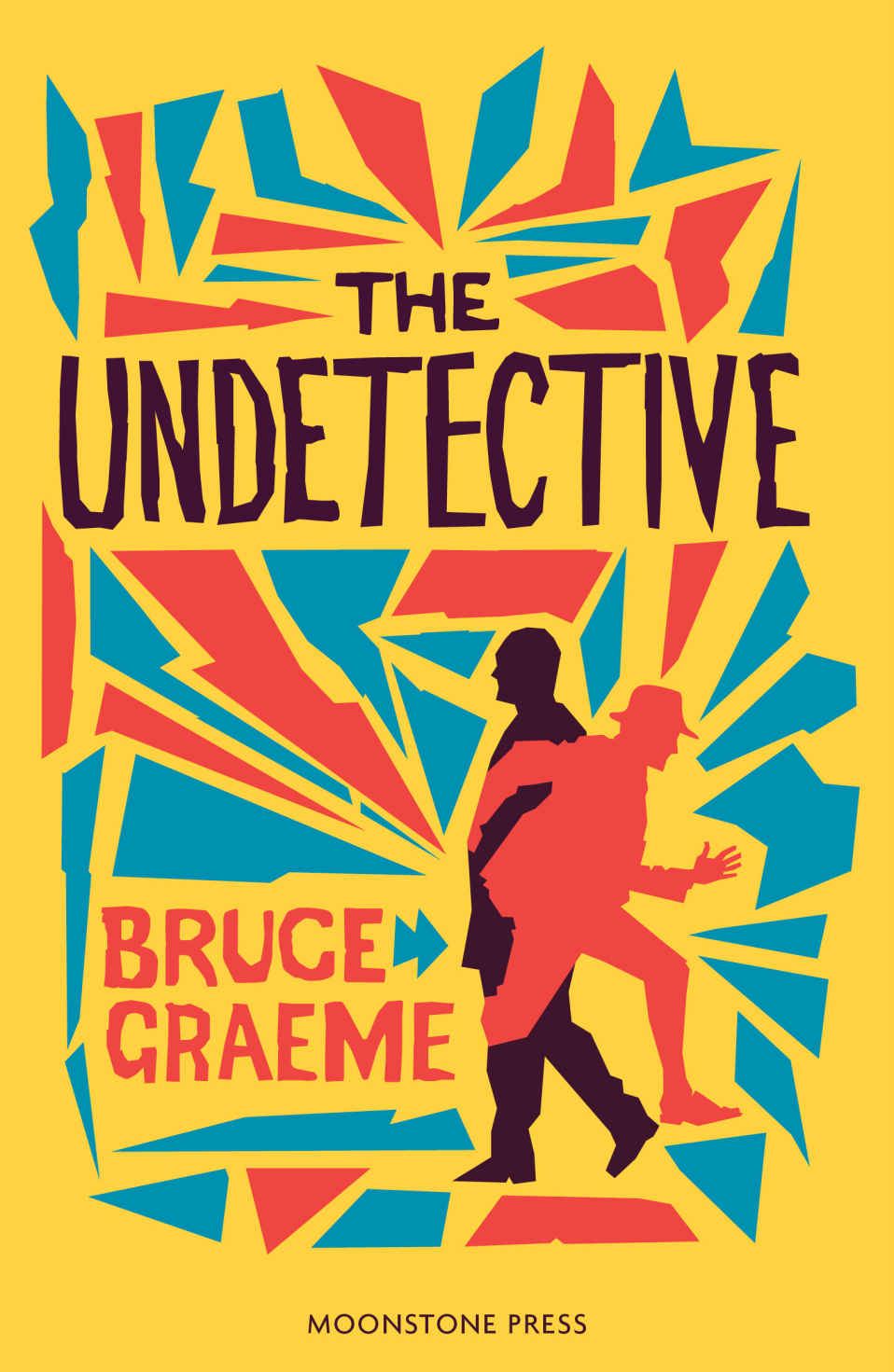
#779: The Undetective (1962) by Bruce Graeme

Undetective

star filledstar filledstarsstarsstars
When crime writer Iain Carter decides to utilise the knowledge of his policeman brother-in-law to inform a new novel, little does he appreciate the difficulties it will cause. Establishing the necessaries to keep his identity secret, Carter cooks up the nom de plume John Ky. Lowell and begins turning out books about the atrocious Superintendentdent W.B. Smith which are an instant hit. With Carter in no rush to expose Edward Meredith to scrutiny for his unwitting role in the creation of this dense ‘undetective’, the future looks rosy until Meredith is called to investigate the murder of a bookmaker…and names John Ky. Lowell as his chief suspect.

Continue reading

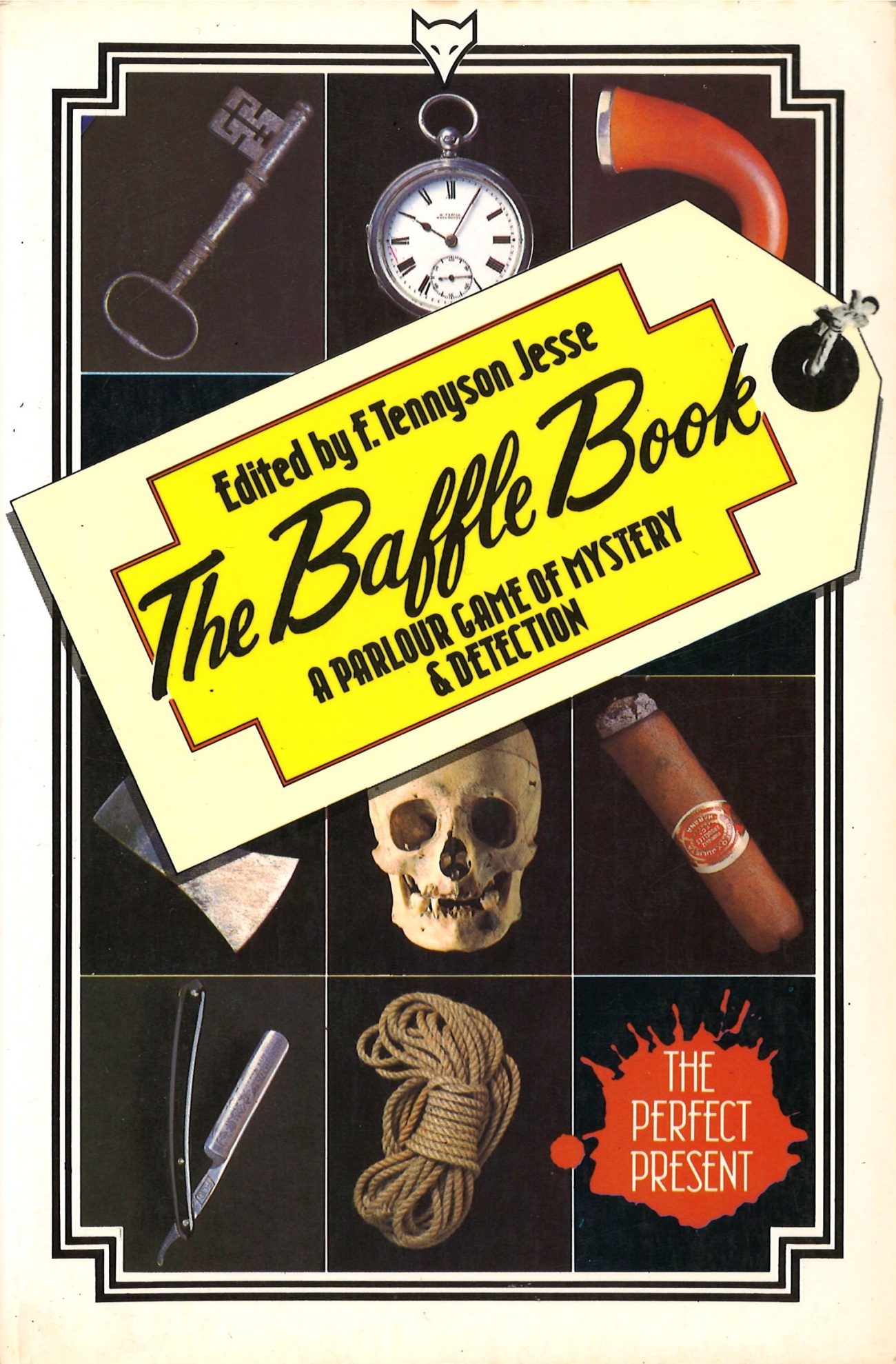
#777: Circumstantial Evidence – The Baffle Book (1930) by Lassiter Wren and Randle McKay [ed. F. Tennyson Jesse] Problems 22 to 28

I struggle to think of the last thing I read that disappointed me as much as F. Tennyson Jesse’s 1930 edit of Lassiter Wren and Randle McKay’s Baffle Book puzzles. From stories where subtle changes in detail make finding the solution impossible (‘The Warfield-Cobham Jewel Robbery’) to those whose insistence of physical evidence is so ignorant as to defy explanation (‘The Wayside Mystery’) it’s been a…not good time.

Continue reading

#776: The Bigger They Come, a.k.a. Lam to the Slaughter (1939) by A.A. Fair

star filledstar filledstar filledstarsstars
A little while ago, on this very blog, it took me just under three years to work my way through the nine novels Erle Stanley Gardner wrote about D.A. Doug Selby.  At that rate, I shall be reading the 30 Bertha Cool and Donald Lam books published by Gardner under his A.A. Fair nom de plume for the next decade (and then the 88 Perry Mason books will see me well into retirement). Famously written by Gardner to prove that he could get a book published on merit alone, The Bigger They Come, a.k.a. Lam to the Slaughter (1939) finds a pair of great characters still unformed, and makes a good time out of a fun premise while not yet reaching the heights this series would.

Continue reading

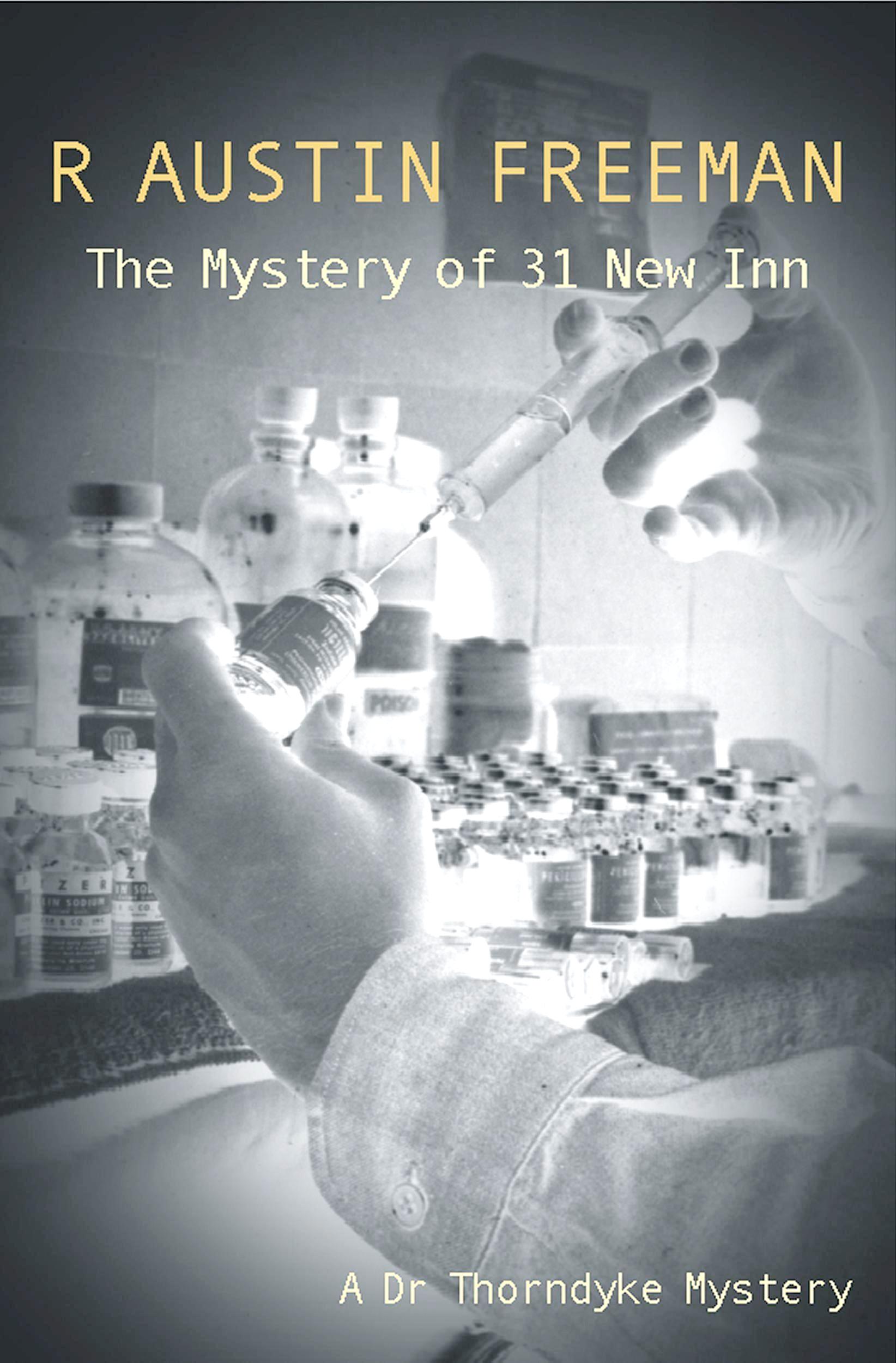
#773: The Mystery of 31 New Inn (1912) by R. Austin Freeman

31 New Inn

star filledstar filledstar filledstar filledstars
Summoned one evening to the house of a bedridden man — and taken there in a carriage with blacked-out windows to obfuscate the location — Dr. Christopher Jervis suspects poisoning but is assured by the people looking after Mr. Graves that no poison could have been administered. Some weeks later, he is summoned a second time and, after administering some treatment that sees Mr. Graves begin to revive, is dismissed and never hears of the patient or his carers again. Between these two visits, however, Jervis consulted Dr. John Thorndyke, which proves to be most fortuitous when further investigation into the matter becomes important.

Continue reading

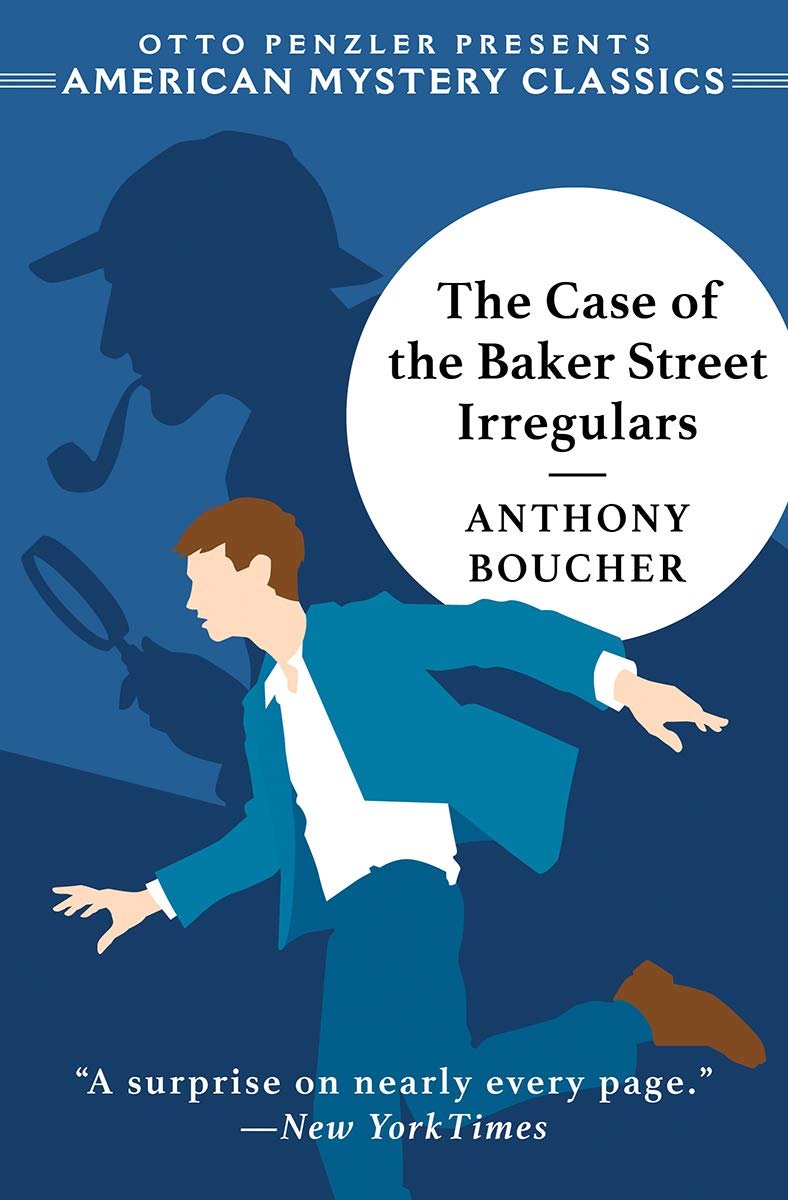
#770: The Case of the Baker Street Irregulars (1940) by Anthony Boucher

Baker Street Irregulars

star filledstar filledstar filledstar filledstars
God, I needed this. Not that my reading has been hard work of late — I’m keeping within fairly safe ground, the last year having taking its toll on my…everything — but this is the first book I’ve read in a while that has been so damn fun. Remember fun? We used to have it all the time. For 90% of The Case of the Baker Street Irregulars (1940) I was swept up in the sheer joy of the ornate, ridiculous planning that goes into a puzzle mystery, in wave after wave of wildly unpredictable developments, and in the excitement of celebrating the voracious fandom the mystery genre excites. For the other 10%…well, we shall get to that in due course.

Continue reading