#1025: Villainy at Vespers (1949) by Joan Cockin

Villainy at Vespers

star filledstar filledstar filledstarsstars
Man, I’m conflicted on this one. For sheer giddy authorial overlapping of people and events, Villainy at Vespers (1949) by Joan Cockin is an absolute delight, giving us all manner of coming and going in a slightly down-at-heel Cornish village as plenty of people find themselves with plenty to hide in the wake of an unknown man being found naked and apparently ritually slaughtered on the altar of the local church. Cockin, nom de plume of Edith Macintosh, is clearly a woman with a superb wit and a keen eye for detail, but what she really needs is a hard-as-nails editor to bring her events into sharper focus, because there’s a huge amount of charm here but it takes some getting to.

Continue reading

#1022: The Lake of the Dead (1942) by André Bjerke [trans. James D. Jenkins 2022]

Lake of the Dead

star filledstar filledstarsstarsstars
Within the space of about a week last year, I received two emails from blogging friends about The Lake of the Dead (1942) by André Bjerke, voted in 2001 as the best Norwegian crime novel of all time and recently translated into English by James D. Jenkins.  The first email essentially said “Holy crap, you really need to read The Lake of the Dead!” while the second ran more along the lines of “Holy crap, whatever you do, don’t waste time on The Lake of the Dead!”…suffice to say, I was intrigued. Having now read it, I may side more with the latter perspective, but the book’s not without interest, especially in its gloomy atmospherics and intriguing first half.

Continue reading

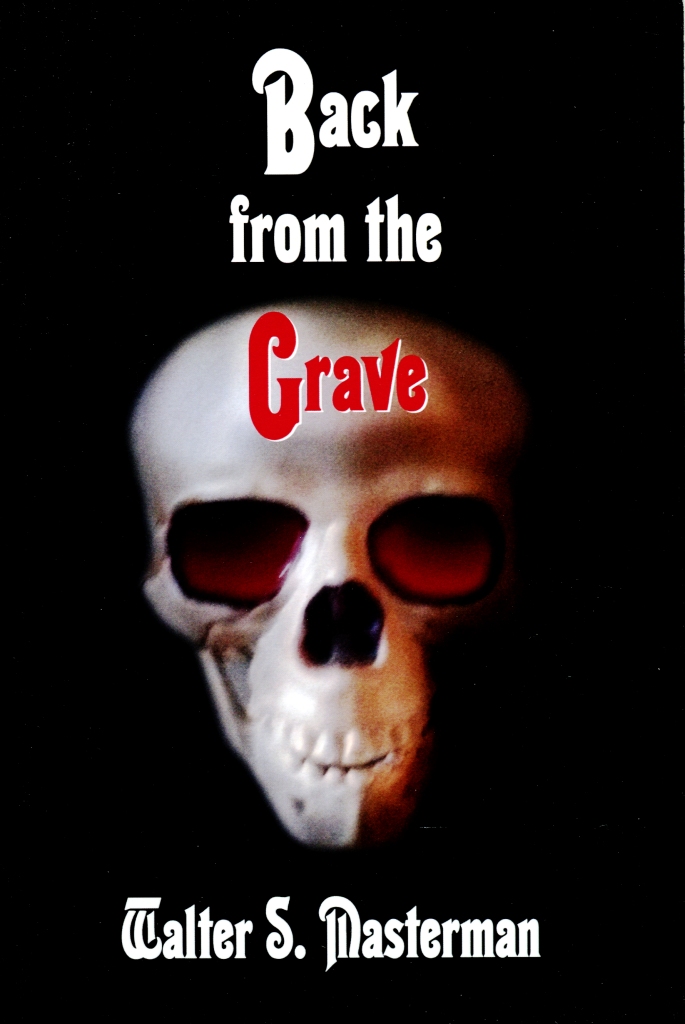
#1019: Back from the Grave (1940) by Walter S. Masterman

Back from the Grave

star filledstar filledstar filledstarsstars
In the London suburb of Balham, stark among the red-brick villas that stand like “lines of red cabbage in a field”, can be found the “ugly and squat” house Bloomfield, the one-time home of Mr. Peabody which contains within its high surrounding wall some three acres of land and presents a “forlorn appearance” to the world. Following the death of its elderly owner, who refused to sell out to the “rising tide of suburbia” and insisted the house and land be kept together, Bloomfield stands empty for many months until the mysterious Dr. Cox arrives on the scene and takes possession — refusing to answer any queries about himself or his work, much to the frustration of the local busybodies.

Continue reading

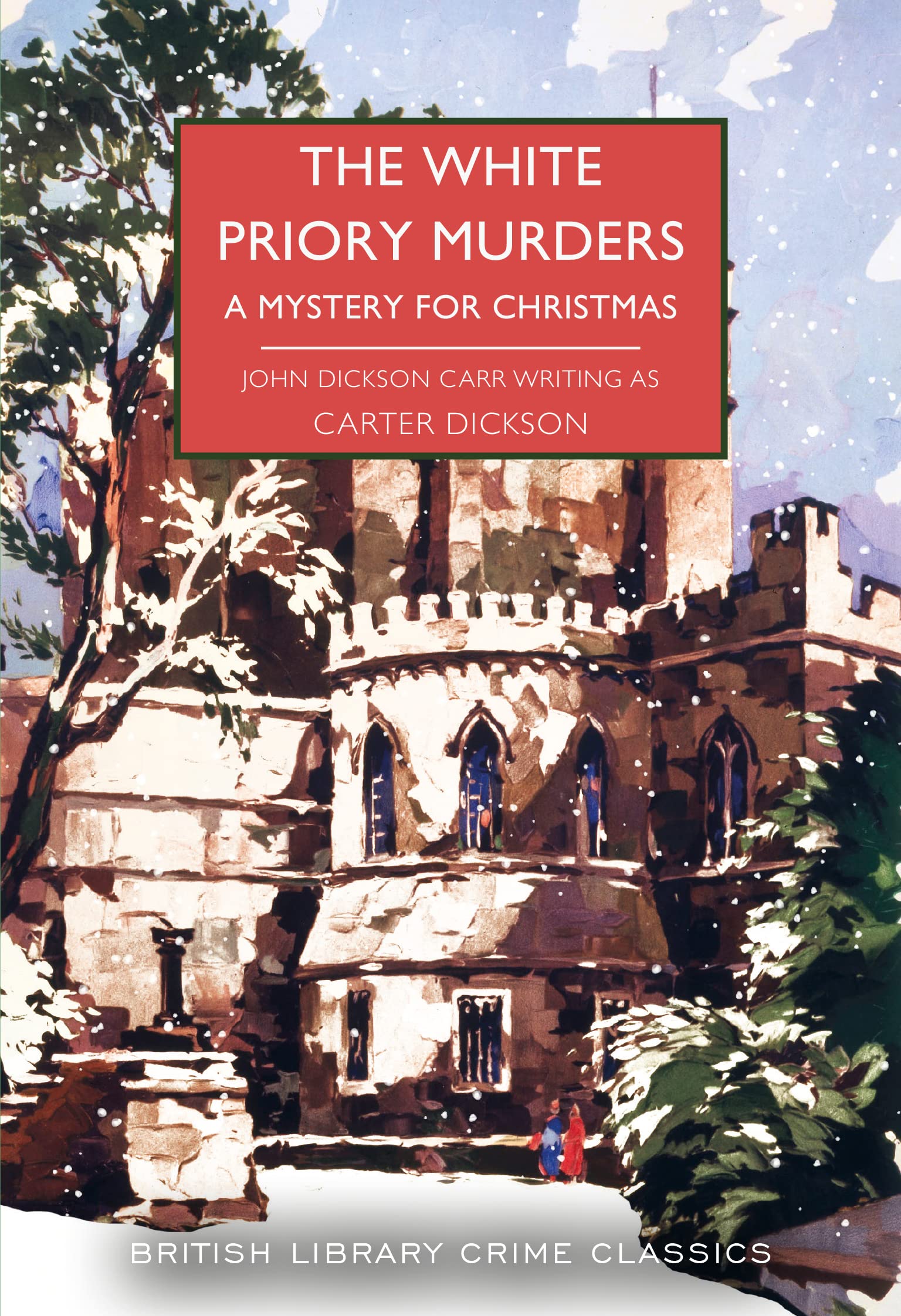
#1018: “If it’s a new wrinkle in the art of homicide, I want to know all about it.” – The White Priory Murders (1934) by Carter Dickson

It speaks volumes about the excitement that the work of John Dickson Carr provokes in me that, with still around 20 of his novels unread, I’m revisiting some favourite titles from his output. Of course, it doesn’t hurt that the likes of the American Mystery Classics and the British Library Crime Classics ranges are putting out such lovely new editions — and who wouldn’t want to revisit Carr in his prime?

Continue reading

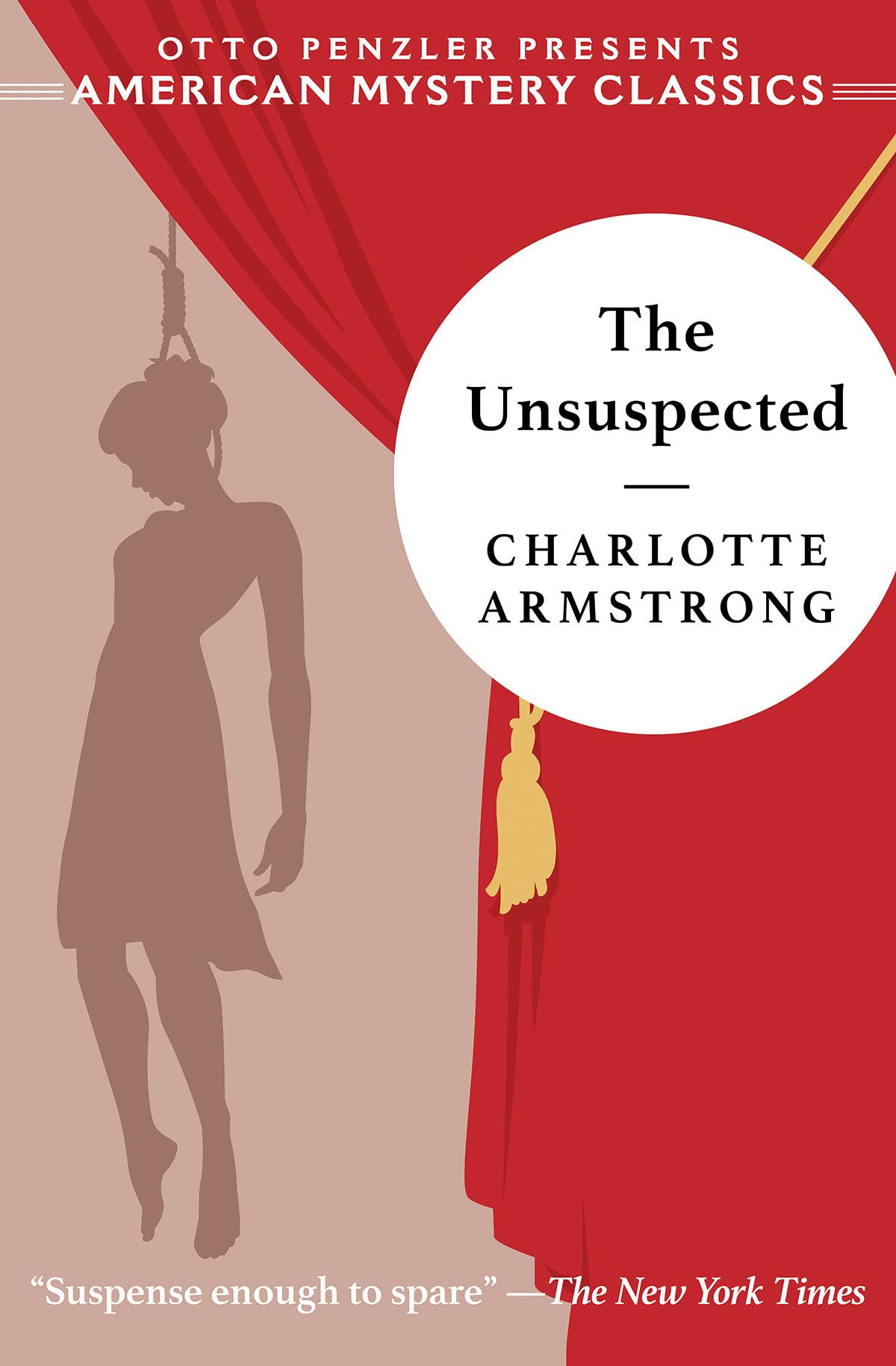
#1017: The Unsuspected (1946) by Charlotte Armstrong

Unsuspected

star filledstar filledstar filledstar filledstars
I don’t know the exact point at which an author becomes one I want to read in great depth, but I do know that the American Mystery Classics range has introduced me to novels by three authors who, in virtually no time at all, became fixtures on my Long-Range Reading List — those being Craig Rice, Cornell Woolrich, and Charlotte Armstrong. Of course, having now tantalised me with expertly-judged selections, the AMC will abandon all three, never reprint another of their works, and move on to pastures new, but at least my urgent searching out of further reading by these wonderful writers will give me something to do in my retirement. Or, y’know, if anyone wants to reprint them now, I won’t complain…

Continue reading

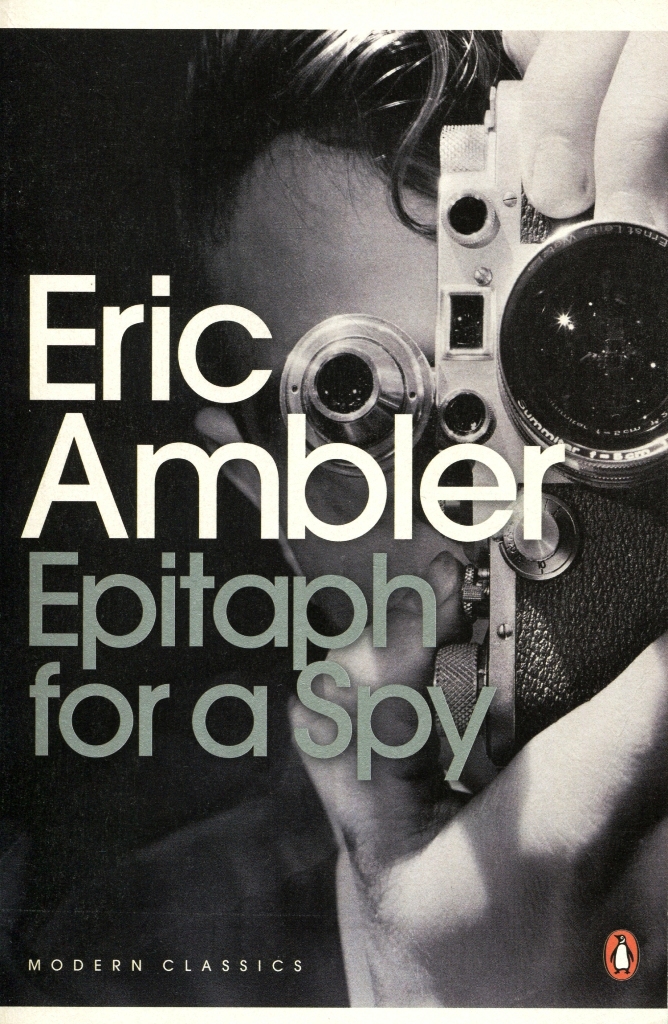
#1015: Epitaph for a Spy (1938) by Eric Ambler

Epitaph for a Spy

star filledstar filledstarsstarsstars
Epitaph for a Spy (1938) places me at the centre of a Venn diagram of two things I heartily dislike — the everyman espionage fiction of John le Carre, and novels whose protagonists cluelessly accidentally their way along — and so I shouldn’t exactly be surprised that these two wrongs have failed to combine to produce something I would enjoy. This story of languages teacher Josef Vadassy strong-armed into helping identify a spy while on holiday at an exclusive French pension is, in fact, riddled with just about every trope and facet of genre fiction that I dislike, and it’s difficult to imagine Eric Ambler’s intent in writing such a book. But, I get ahead of myself…

Continue reading

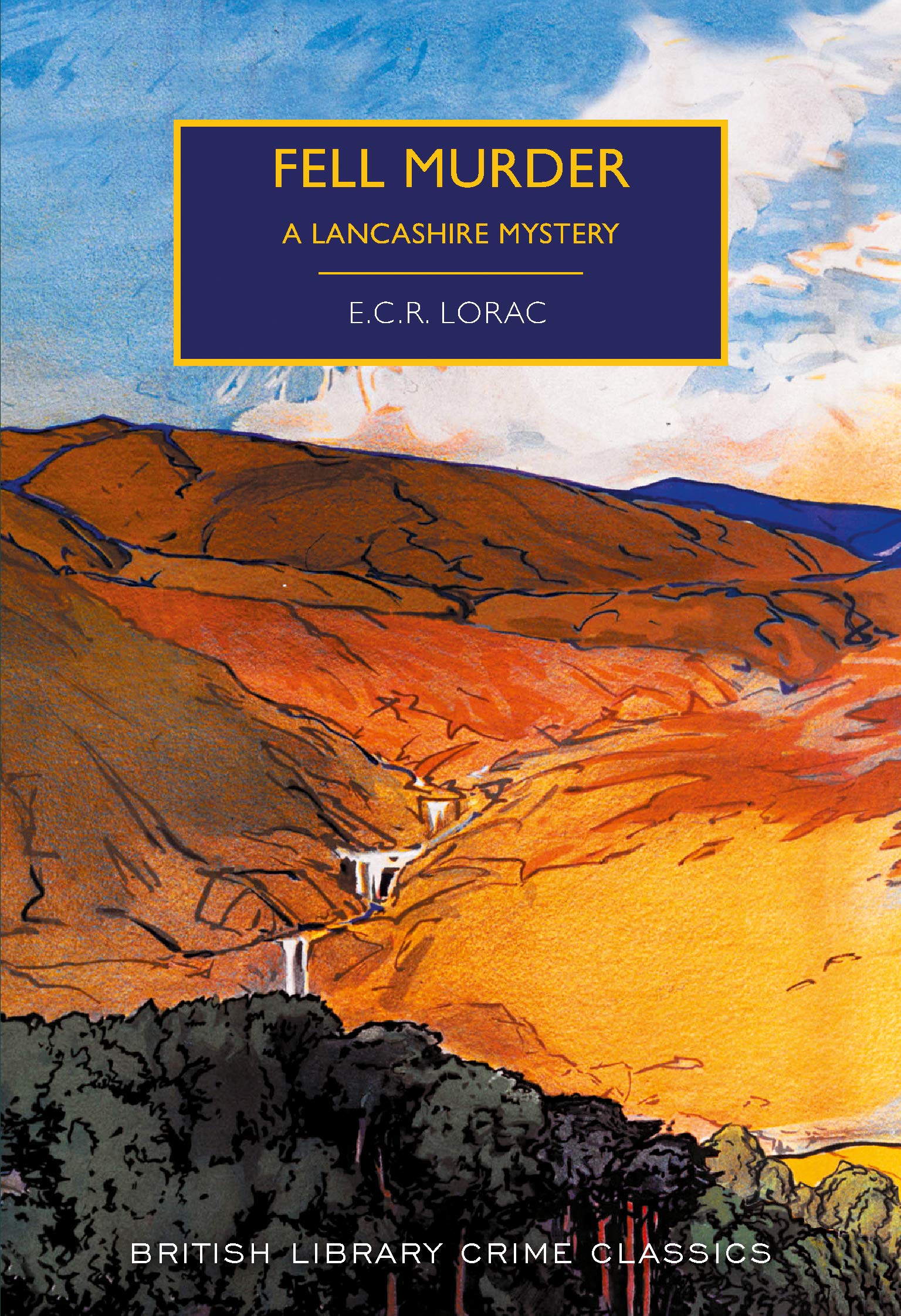
#1013: Fell Murder (1944) by E.C.R. Lorac

Fell Murder

star filledstar filledstar filledstarsstars
Another gentle tale of Northern homicide from the pen of E.C.R. Lorac, Fell Murder (1944) was Chief Inspector Robert Macdonald’s first visit to Lunesdale — I’m not entirely sure how many he would make over his career, but I understand it to be more than a few — and finds author and character both having a lovely time. This only falls down for me in comparison to the similarly-set Crook o’ Lune (1953) in that the eventual solution doesn’t feel quite so rigorously proved, relying on a few rather key assumptions which spoil the overall effect. Prior to that, however, Lorac’s melding of character and setting again shows through very strongly, making her popularity easy to understand.

Continue reading