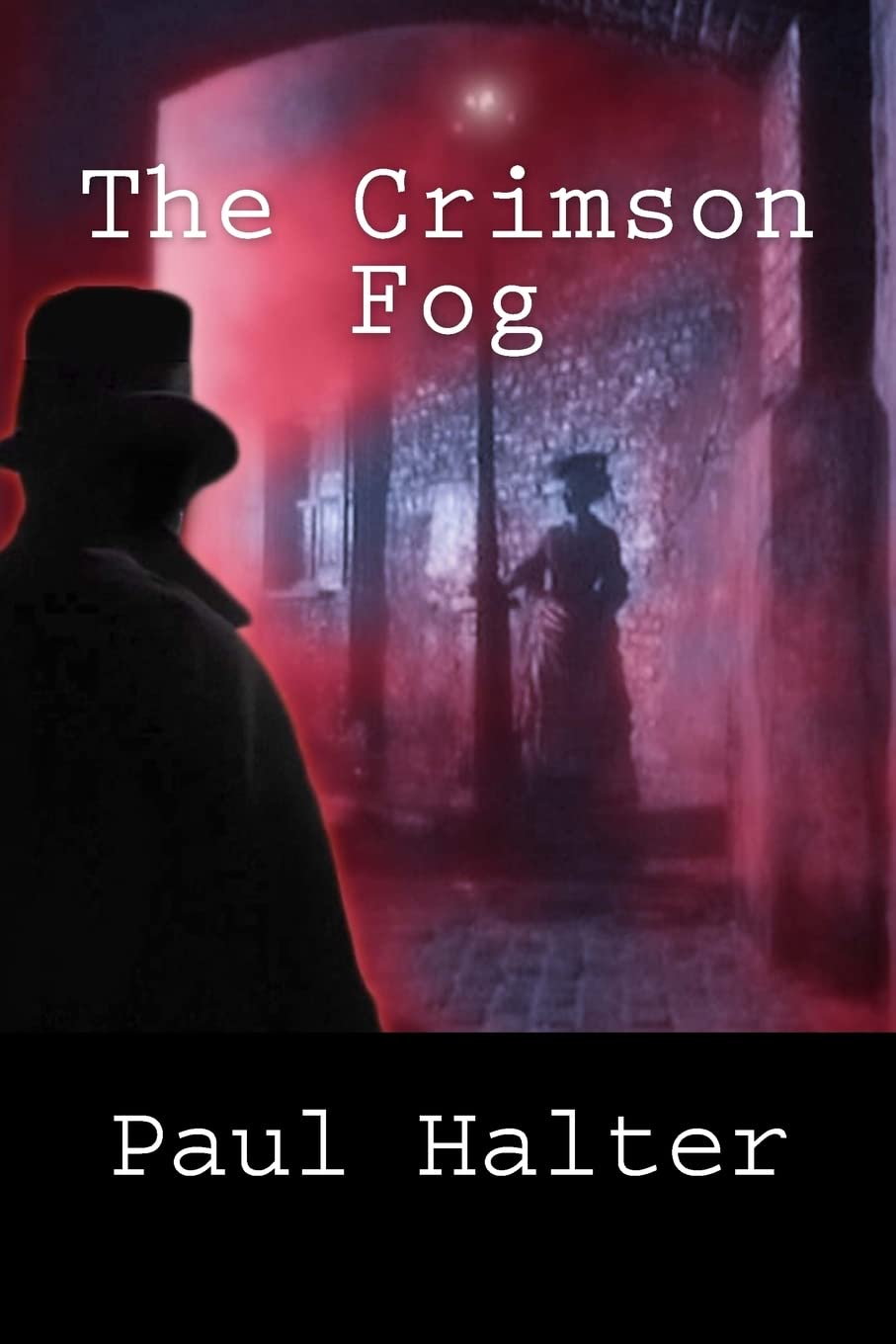
With a new Paul Halter short story recently appearing in Ellery Queen Mystery Magazine, not to mention novel The Siren’s Call (1998, tr. 2023) being newly translated, the time seemed ripe to jump into the sole remaining Paul Halter novel that I first read pre-blog. The Crimson Fog (1988, tr. 2013) represents something of a tricky proposition to review, so let’s see how we do.
Continue readingReviews
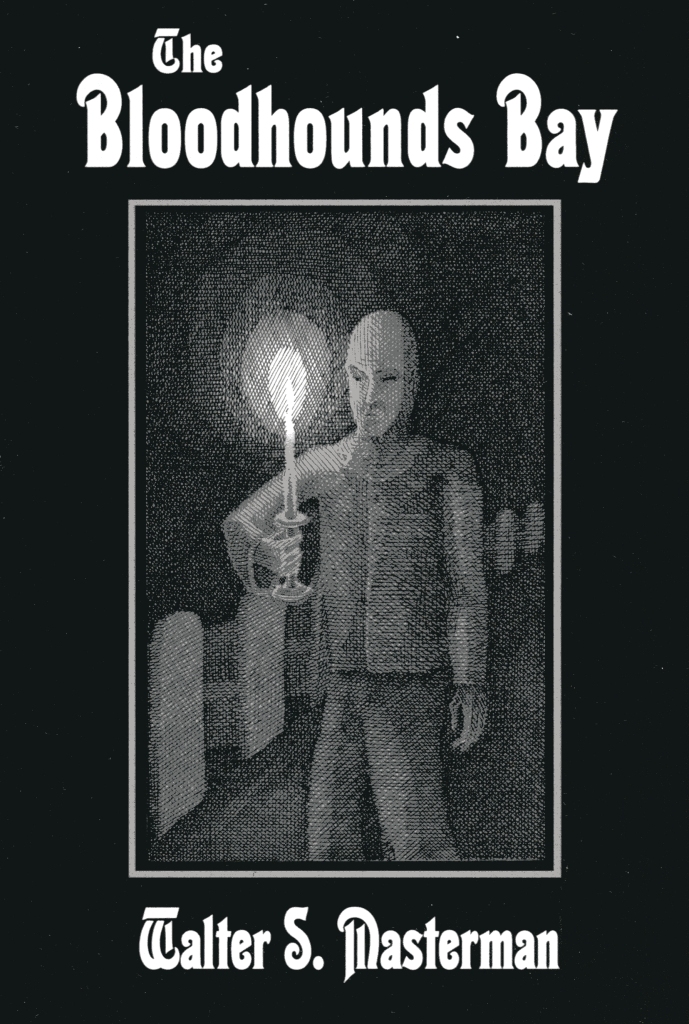
#1091: The Bloodhounds Bay (1936) by Walter S. Masterman

![]()
![]()
![]()
![]()
![]()
Jack Reid, posing for the last few weeks as a holidaying artist, breaks into Severinge Abbey one night with the intent of relieving its chapel of its more valuable contents, only to half-witness in the darkness the murder of Lord Henry Severinge by an unknown hand. Feigning ignorance, Reid returns to the Abbey the next day to find that the body has disappeared, and suggests that they use the bloodhounds of the Severinge’s neighbour Colonel Graham to track down the missing man. When the body is discovered in an Ellery Queenian hiding place, the small matter of who could plan such a diabolical crime, and to what end, comes into question.
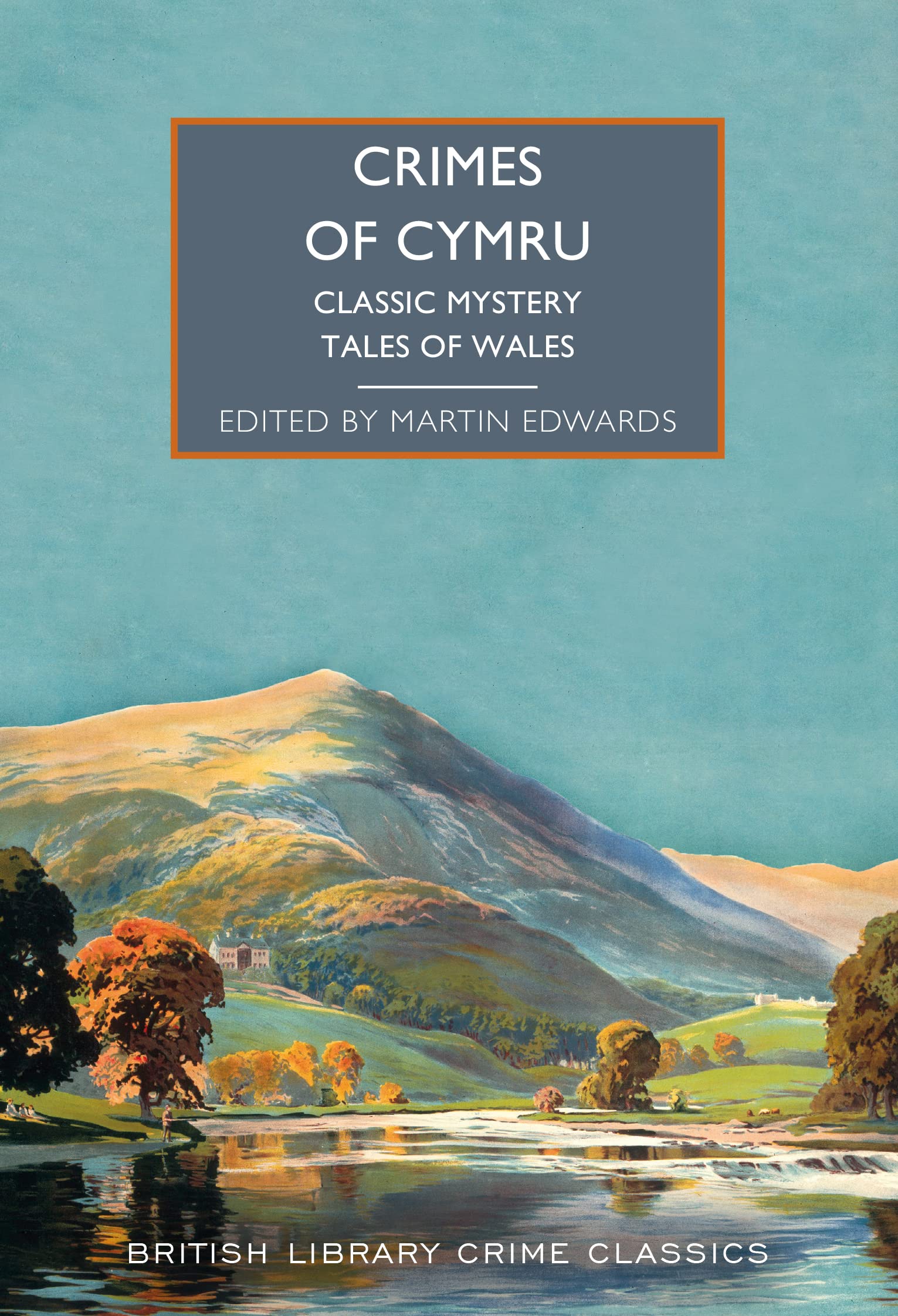
#1089: “Murder! What in God’s name do you mean?” – Crimes of Cymru [ss] (2023) ed. Martin Edwards
Another themed collection of crime and mystery stories from the British Library, Crimes of Cymru (2023) sees Martin Edwards’ exemplary genre knowledge tasked with selecting tales with Welsh settings or origin.
Continue reading#1088: The Moving Finger (1942) by Agatha Christie

![]()
![]()
![]()
![]()
![]()
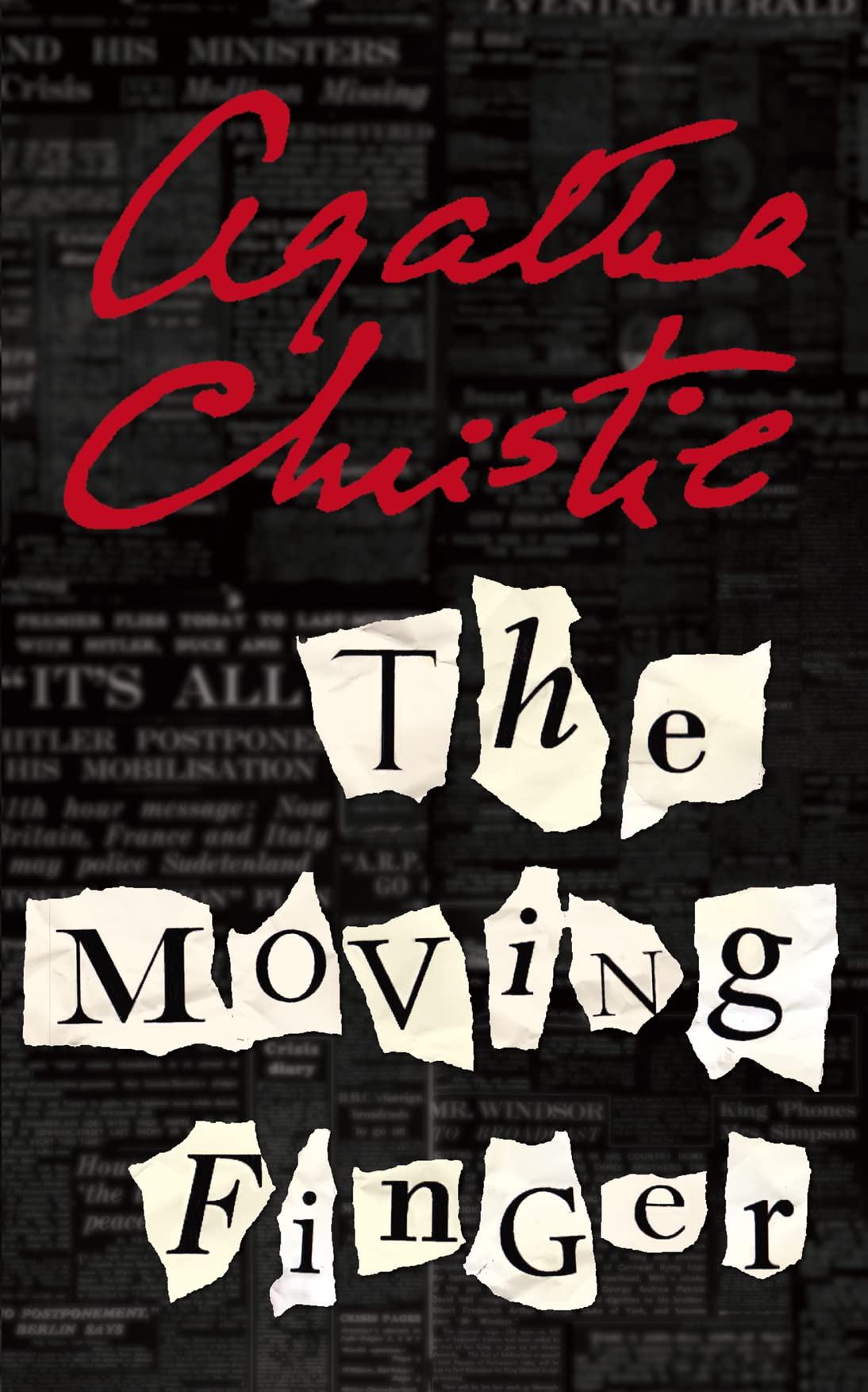
I had intended to review Behind the Crimson Blind (1952) by Carter Dickson this week, but the opening chapters of that puzzled my will and so I’ve taken the coward’s way out and opted to reread what I remembered as a stone-cold classic: village poison pen tale The Moving Finger (1942) by Agatha Christie. My recollection was that this both made the threat of nasty letters actually seem like something to fear and provided a superb reveal of its guilty party through one of the best pieces of negative evidence in the genre…and, in these regards, it stood up. It also fell down in a couple of others, but we’ll get to that. Headline: this is a great example of what the Golden Age did so well, and comes highly recommended.
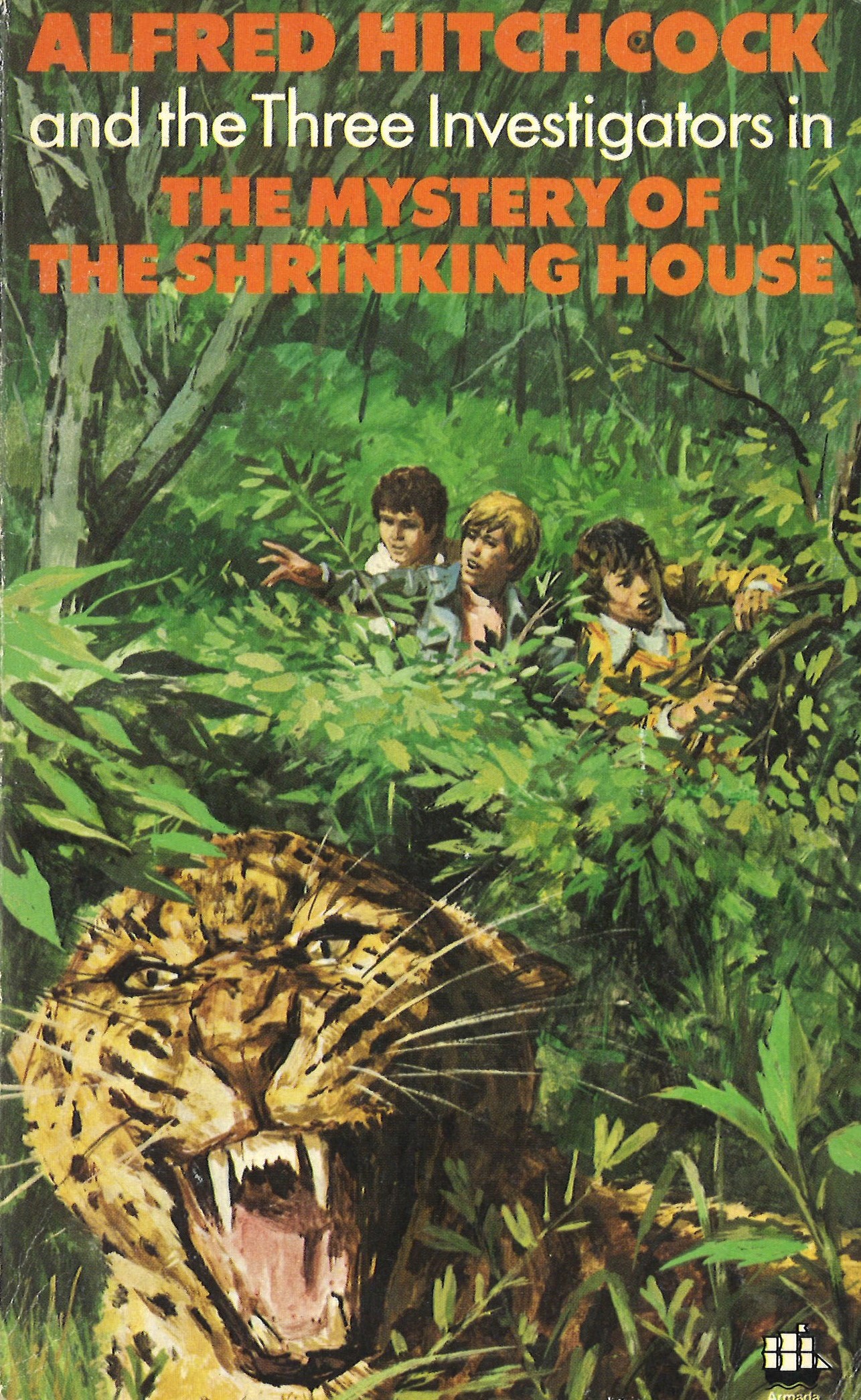
#1086: Art Gives Life a Shape in The Mystery of the Shrinking House (1972) by William Arden
It feels fair to say that the work done thus far by Dennis Lynds in the Three Investigators series, under the nom de plume William Arden, represents the solid and unspectacular middle ground while those around him — Nick West, M.V. Carey — plumb both the highs and the lows.
Continue reading#1085: Let X be the Murderer (1947) by Clifford Witting

![]()
![]()
![]()
![]()
![]()
The recent Bodies from the Library conference will have brought Clifford Witting to everyone’s mind, so the time seems ripe to look at Let X be the Murderer (1947), the latest Witting title to be reprinted by Galileo Publishers. When Sir Victor Warringham phones the police with a story of luminous, ghostly hands trying to strangle him in the night, Detective Inspector Charlton must contend with the various facets of Warringham’s household trying to prevent him from investigating. When murder is committed in the house, however, the denizens cannot block the investigation, despite a few keeping secrets that they’d rather not have brought to light.
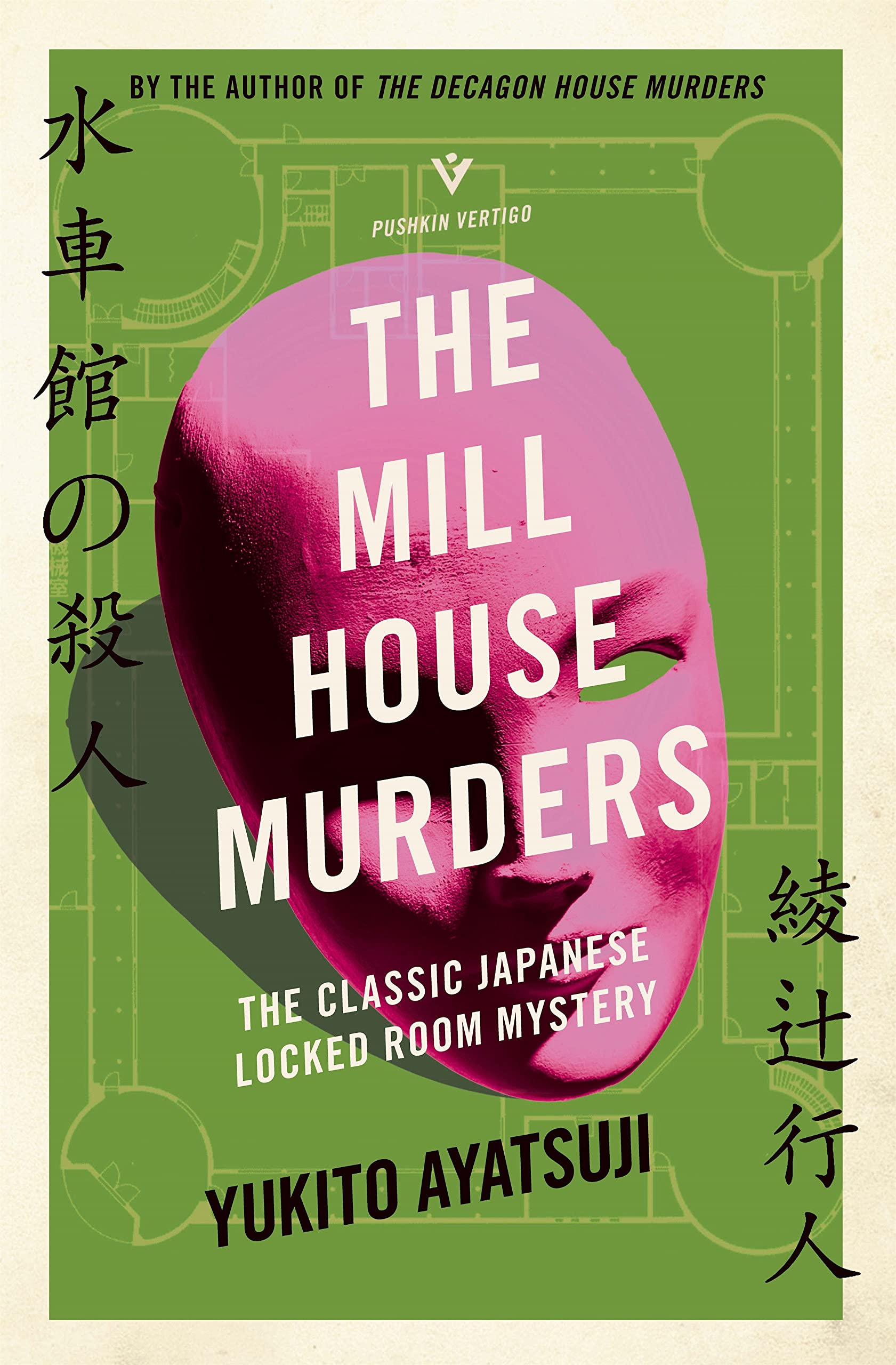
#1082: The Mill House Murders (1988) by Yukito Ayatsuji [trans. Ho-Ling Wong 2023]

![]()
![]()
![]()
![]()
![]()
The Decagon House Murders (1987, tr. 2015), the excellent first book in Yukito Ayatsuji’s series featuring the bizarre architecture of Nakamura Seiji, was translated into English so long ago that I hadn’t even started blogging at the time. Follow-up The Mill House Murders (1988, tr. 2023) was, then, much anticipated, and, for this reader at least, doesn’t quite merit the wait. While relatively swift, and enjoyably inventive as we’ve come to expect from shin honkaku, there’s a cleverness lacking in a story whose telling is marred by some unusual writing to the extent that I ripped through this without ever really relaxing into it. Like Soji Shimada, Ayatsuji has written a brilliantly clever debut and then suffered from Difficult Second Novel Syndrome.
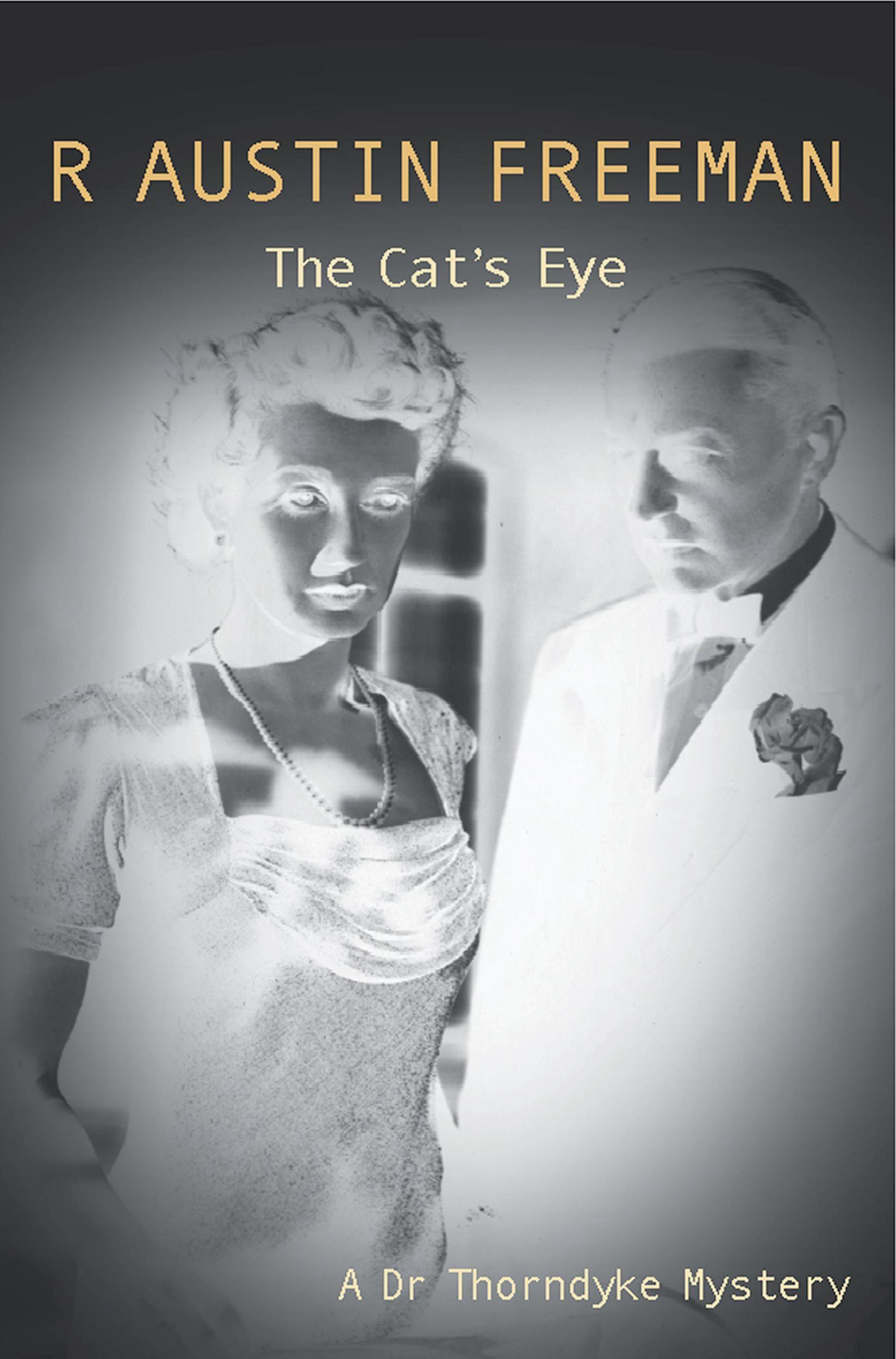
#1079: The Cat’s Eye (1923) by R. Austin Freeman

![]()
![]()
![]()
![]()
![]()
“Follow him! Don’t let him escape! He has just committed a dreadful murder!” — thus is Robert Anstey exhorted into chasing after a man he interrupts assaulting a woman on Hampstead Heath. Failing to catch his quarry, Anstey retraces his steps and discovers that Andrew Drayton, collector of knick-knacks, has indeed been shot dead in his home where Winifred Blake, the assaulted woman, had an appointment to meet him that evening. Even more curious, all Drayton’s acquisitions were well-known to be essentially valueless, so why have his gewgaws been ransacked, and what could he possibly have had amongst them that was worth killing for? Enter Dr. John Evelyn Thorndyke.
#1077: “A gleeful disregard for law, and an ungentlemanly pride in his own cleverness.” – The Penguin Book of Gaslight Crime [ss] (2009) ed. Michael Sims
Subtitled Con Artists, Burglars, Rogues, and Scoundrels from the Time of Sherlock Holmes, The Penguin Book of Gaslight Crime [ss] (2009) collects twelve stories originally published between 1896 and 1919 — an era which I find myself increasingly interested in, giving birth as it did to the Golden Age of the 1920s-40s.
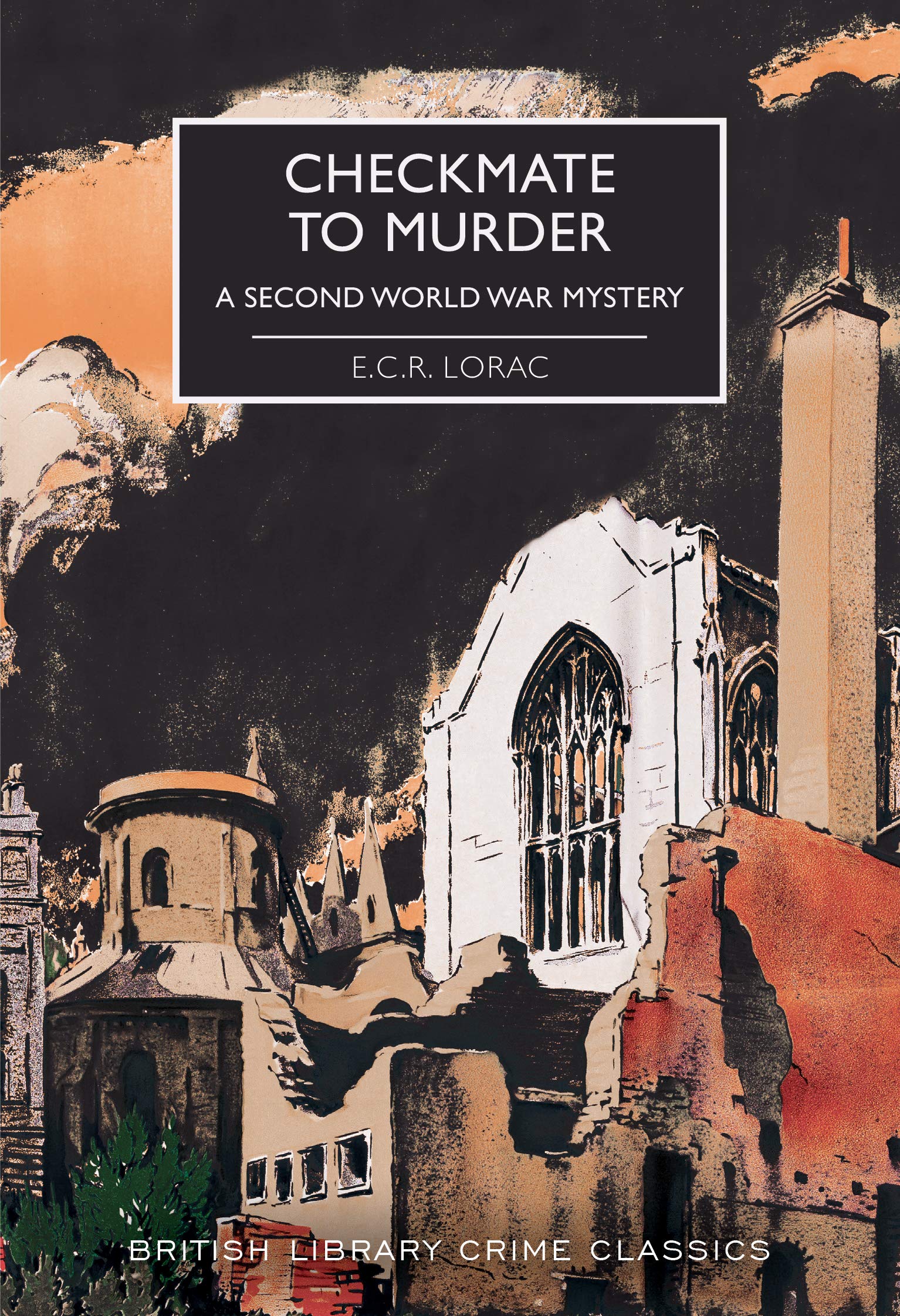
Continue reading#1076: Checkmate to Murder (1944) by E.C.R. Lorac

![]()
![]()
![]()
![]()
![]()
In the latter stages of World War 2, artist Bruce Manaton is painting the portrait of a friend dressed in the robes of a cardinal, and his sister Rosanne fretting about the efficacy of the blackout curtains on the studio where they live, when there is a knock at the door. It seems that a special constable has discovered the body of murdered Old Mr. Folliner, the Manatons’ miserly landlord, and apprehended the killer as he was fleeing. Leaving the suspect in the care of the five people in the studio — two chess-playing friends have also dropped by for the evening — the constable summons the police, and before long Chief Inspector Robert Macdonald finds himself with another complex tangle to unfurl.