If it bothers you that you were not among the lucky souls able to attend last weekend’s online Bodies from the Library conference — and bother you it should, Bodies is always a great day out — some good news!
Continue readingIf it bothers you that you were not among the lucky souls able to attend last weekend’s online Bodies from the Library conference — and bother you it should, Bodies is always a great day out — some good news!
Continue reading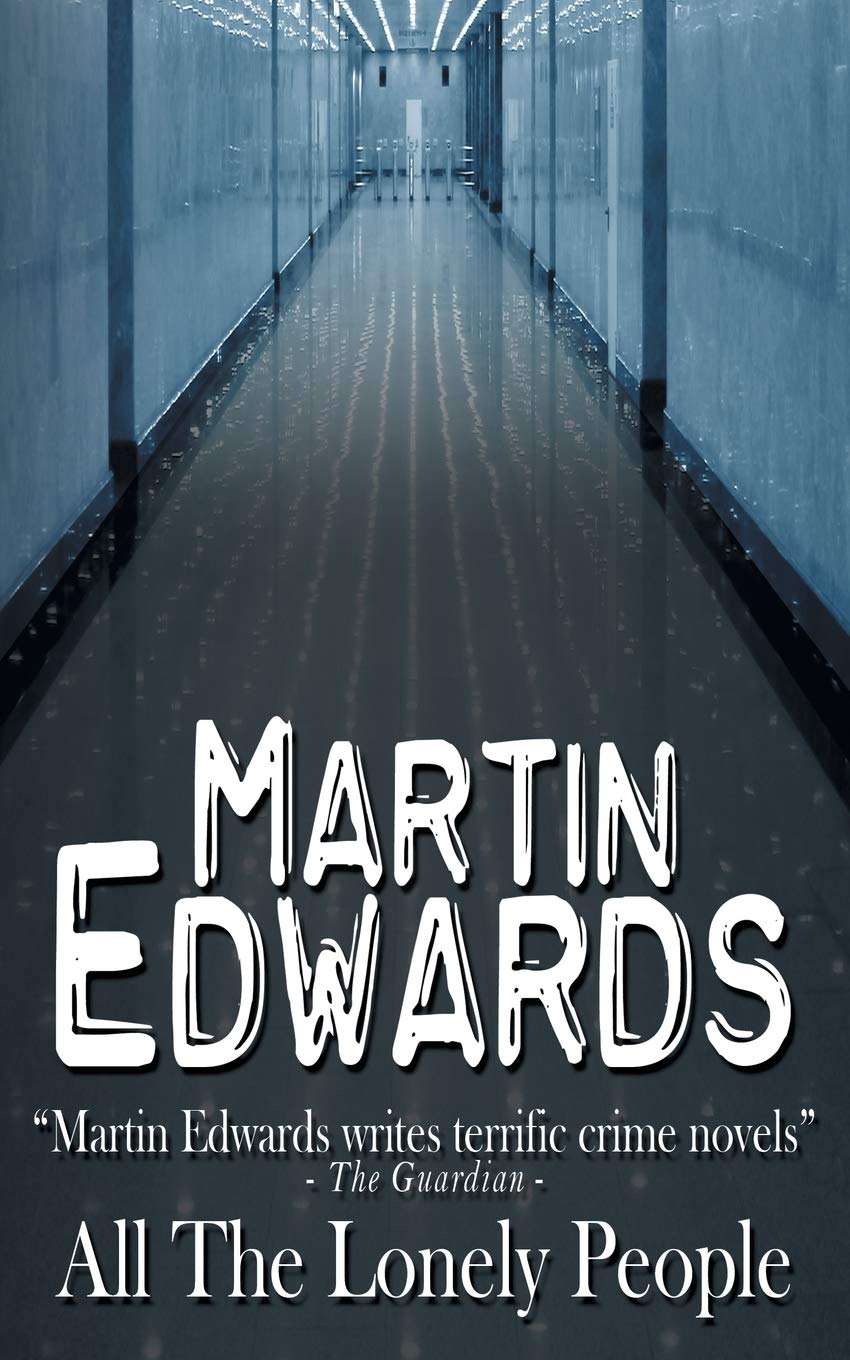


Earlier this year, when I spoke with Steve about modern authors writing in the Golden Age tradition, he reminded me that I’d not read any of Martin Edwards’ series of Liverpool-set novels featuring solicitor Harry Devlin. Back when modern crime fiction commanded more of my attention, Robert Crais had led me to Michael Connelly, who led me to Ian Rankin, who led me to John Harvey, who then led me to Edwards’ Lake District novels The Coffin Trail (2004) and The Arsenic Labyrinth (2007), but his earlier series eluded me. So, at long last, here we are at All the Lonely People (1991) — the debut for author and character both, which turns 30 this year.

At 1.30pm UK time today, the Bodies from the Library Conference starts online for the delectation of classic detection fans the world over. As my talk is due to be about detection, I thought I’d turn that into a flimsy excuse to write about one of my favourite discoveries of recent years: Dr. John Evelyn Thorndyke.
Continue reading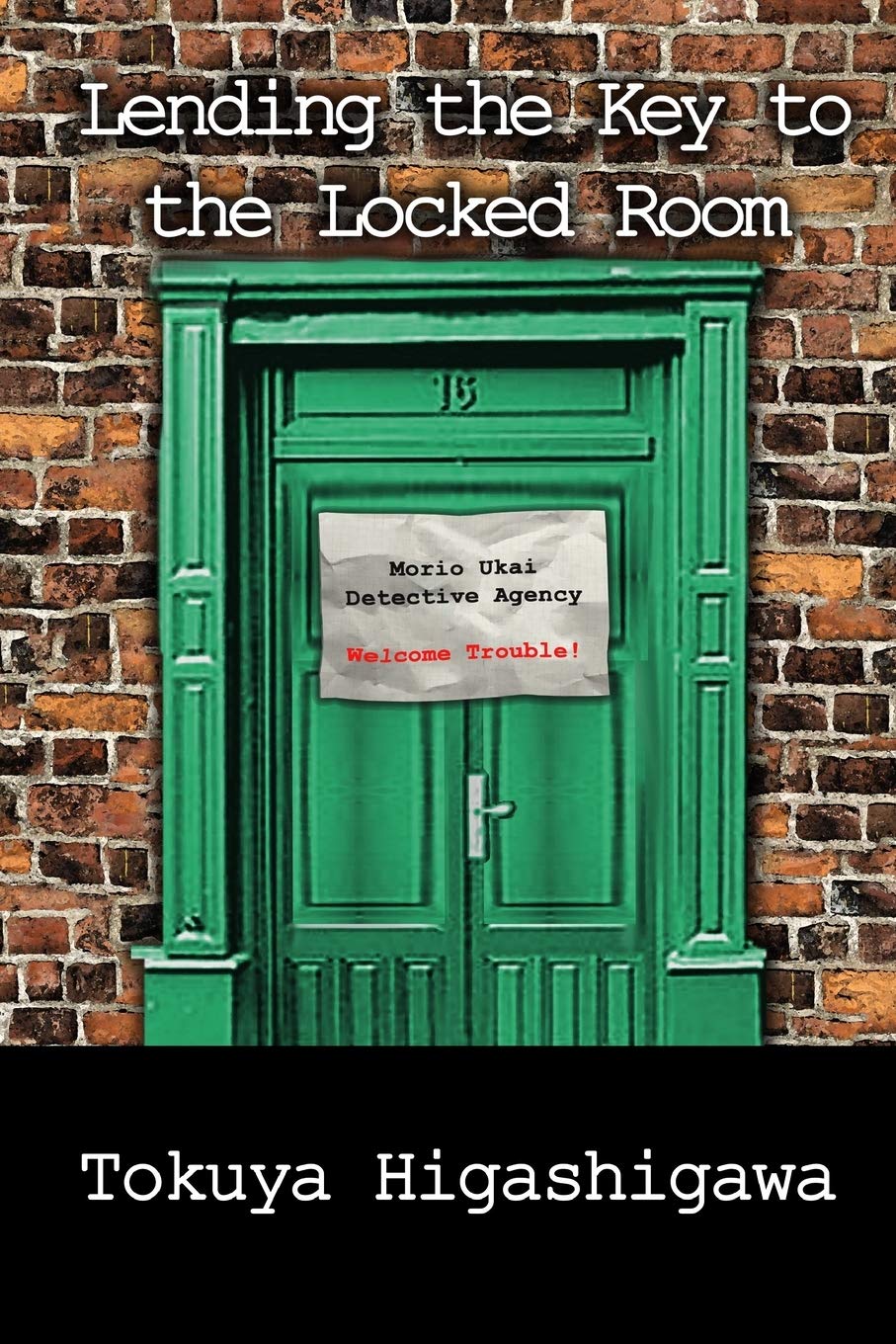
The sixth translation of (shin) honkaku by Ho-Ling Wong under the auspices of Locked Room International, Lending the Key to the Locked Room (2002) is a paean to the glory days of the complex puzzle plots of the 1930s while oddly frugal in its own plotting and characterisation. Delightfully self-aware at times in a manner that (to my taste) never succumbs to the danger of outstaying its welcome, the savvy elements of this debut are undercut by issues elsewhere: a reliance on concidence, a tiny cast with very little to misdirect into, and the sheer amount of irrelevant information that carries you through.
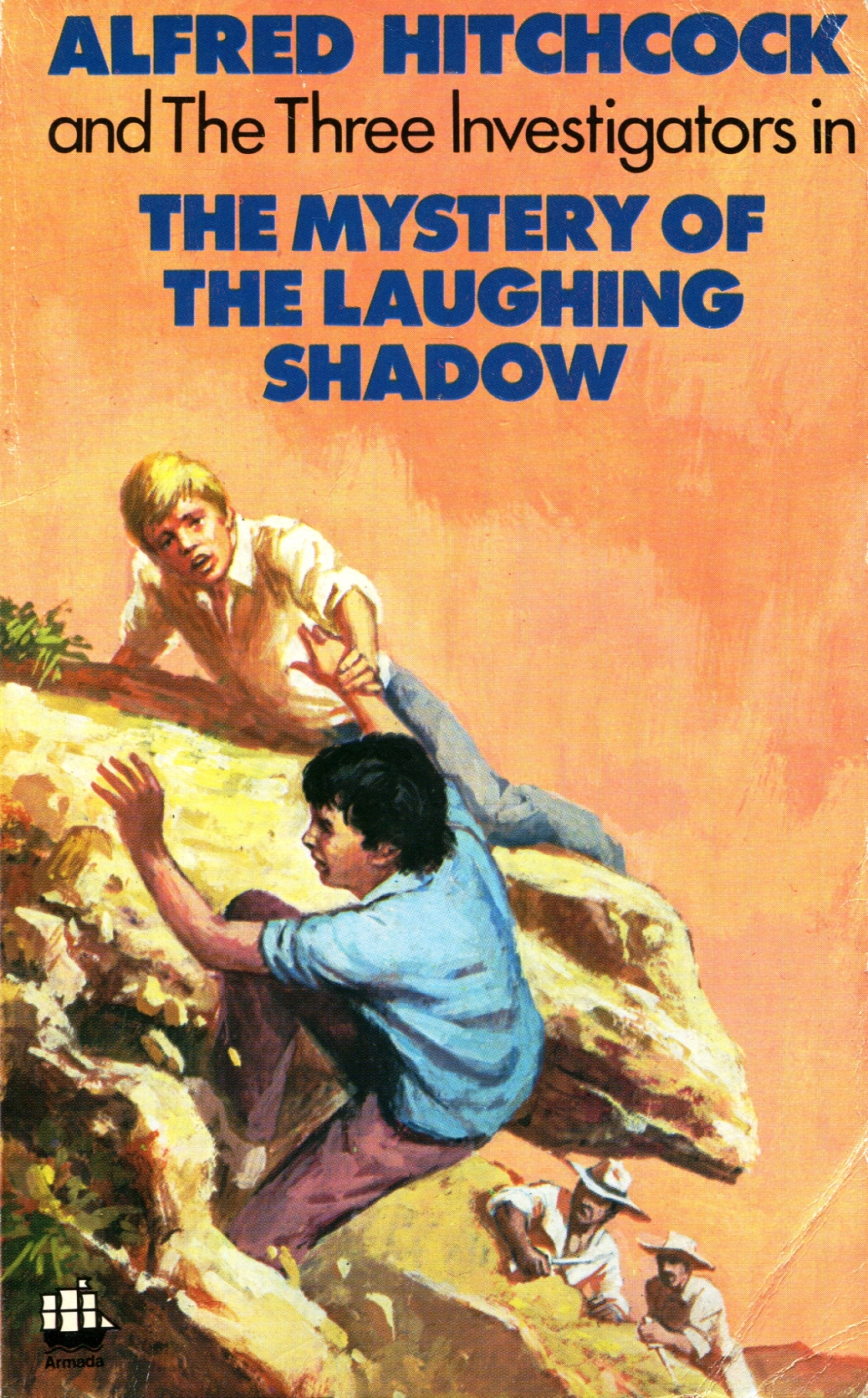
With the death of series creator Robert Arthur after the eleventh book in the series, The Mystery of the Talking Skull (1969), the Three Investigators were passed into the hands of Dennis Lynds, under the William Arden nom de plume he had used for the tenth book in the series, The Mystery of the Moaning Cave (1968).
Continue reading
To Miss Gilda Gorham, Chief Cataloguer of an unnamed American university’s library — a building oft-expanded, and now an “architectural emetic” — the death of one colleague amongst the stacks may be regarded as a misfortune; the death of two, however, added to the disappearance of a staggeringly rare and expensive mansucript, has the air of carelessness about it. Who among the amicable staff of the university could have perpetrated such acts? And why? So, for ill-defined reasons, she puts any discomfiture aside and launches an investigation of her own. Naturally, it is not too long before all manner of clandestine activites begin to creep out…

Slightly later than promised — or not, depending on your time zone — here’s the long-anticipated spoiler-heavy discussion betwixt Brad, Moira, and myself about Agatha Christie’s bridge-centric mystery Cards on the Table (1936). And, just for added drama, one of us thinks this book doesn’t quite deserve its reputation as a classic…
Continue reading
After a year — a year, people — of mind-numbing repetition and drudgery against a background of tragedy, Below Suspicion (1949), John Dickson Carr’s forty-sixth book in twenty years and the 18th to feature Dr. Gideon Fell, was exactly what I needed…for the simple reason that it is so very, very different. Ten years from now I could reread this and be appalled that I ever thought it so great, but right now it is manna from heaven: eerie, baffling, infuriating in many ways, and fascinating given the direction we know Carr’s career took from this point in how it blends the classic detection he had excelled in with the historical mysteries he was about to launch himself into.
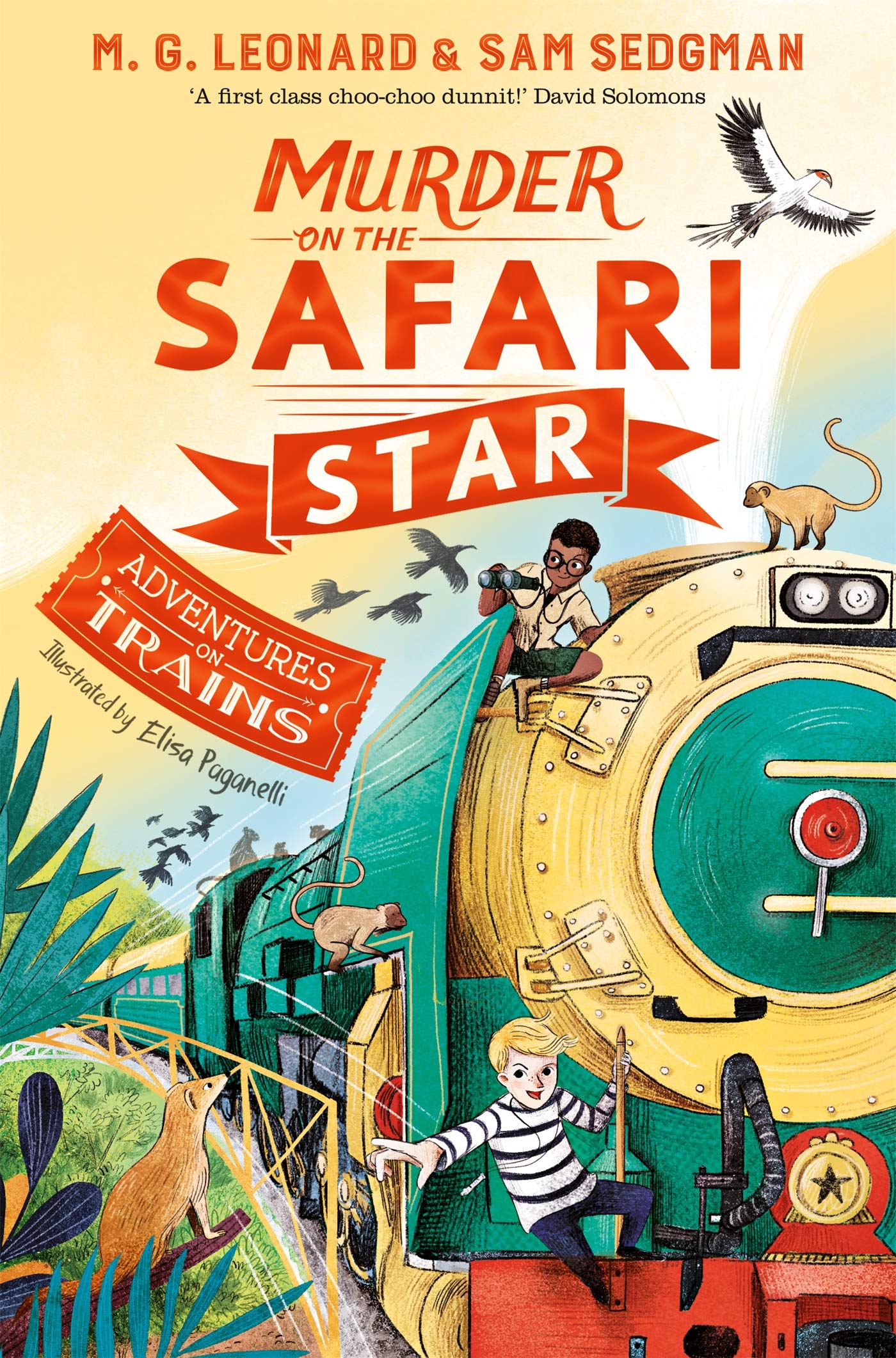
A few years ago, I got the Night Riviera sleeper train from London Paddington to Penzance. When we reached our destination, after a good night’s sleep, I was disappointed to discover that no-one had been bafflingly murdered while en route and that my skills as an amateur detective were not required.
Continue reading
The first time I ever emailed an author, it was to enquire of Harlan Coben why he’d opted in Tell No One (2001) to switch between first- and third-person narrative in the telling of a story that, to my callow, untutored eye, could have told throughout in third person. I phrased it more politely than that, but you get the gist.
Continue reading
