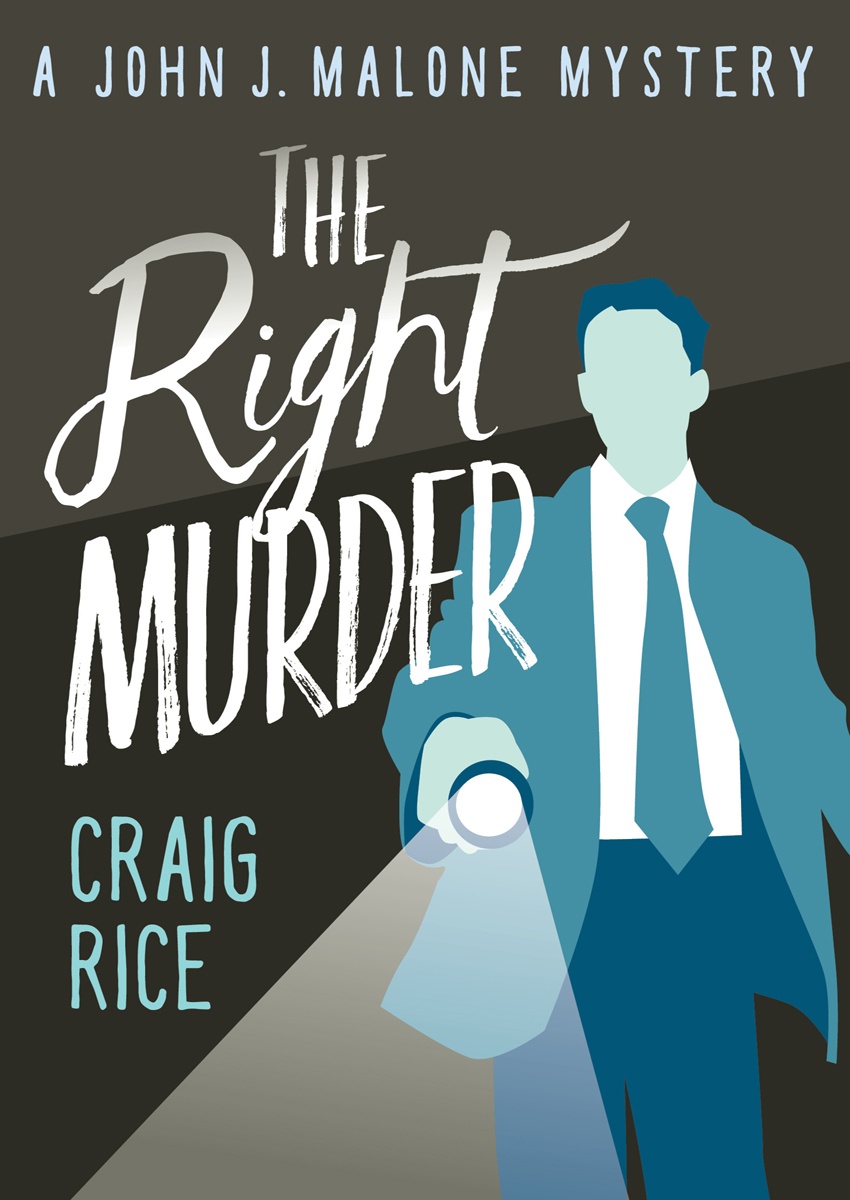
#1009: The Right Murder (1941) by Craig Rice

Right Murder

star filledstar filledstar filledstar filledstars
“Now you take this guy who was killed New Year’s Eve. If he was gonna be killed, why couldn’t he have had his passport on him, or a driver’s license, or even a calling card? No. Not a damn thing. So I have to go to all the trouble of finding out who he was. When I do find out, then what? More trouble.” Homicide Captain Daniel von Flanagan has a point, as there’s also the matter of the dead man staggering into a bar where lawyer John J. Malone was drowning his sorrows and croaking out “Malone!” before expiring on the floor, added to Malone’s insistence that he’d never seen the man before. And what of the key numbered 114 the man slipped to Malone…a key that was apparently stolen from the lawyer only moments later?

Continue reading →

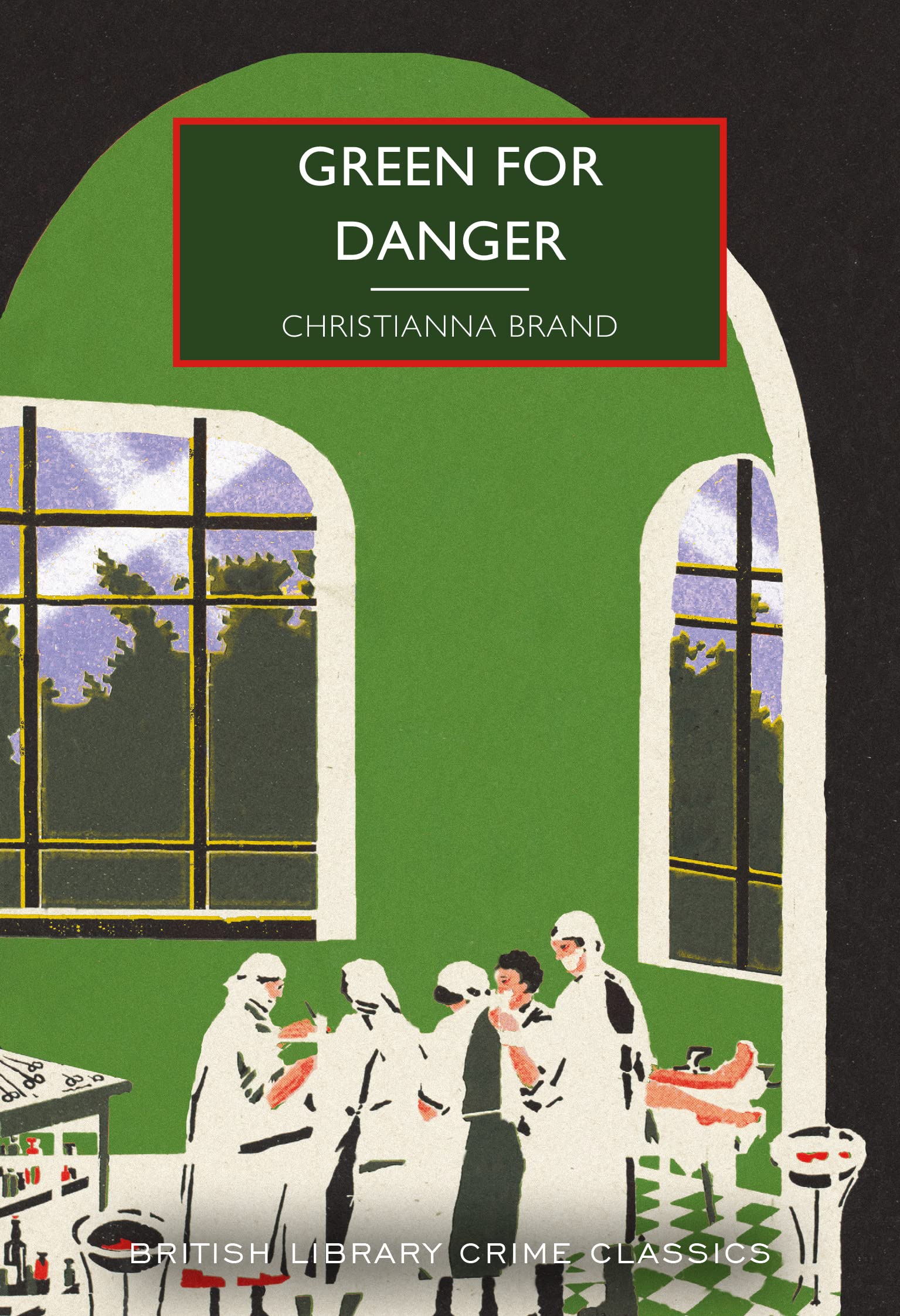
#1006: Green for Danger (1944) by Christianna Brand

Green for Danger

star filledstar filledstar filledstar filledstars
I first read Green for Danger (1944) by Christianna Brand about 12 years ago on the back of enthusiastic Agatha Christie comparisons, and came away impressed with its wartime hospital setting but underwhelmed by what I remembered as the seemingly random allocation of guilt to an undeniably surprising party in the finale. Since then, I’ve been assured by reputable sources that the book is in fact rigorously — and very fairly — clewed and warrants re-examination, so its republication in the British Library Crime Classics range is the perfect chance to find out if it does indeed stand on its own or if everyone’s enthusiastic just because they also love the 1946 movie (because, my god, don’t people ever love that movie).

Continue reading →

#1003: Found Floating (1937) by Freeman Wills Crofts

Found Floating

star filledstar filledstar filledstar filledstars
In the same year that Agatha Christie mixed sight-seeing and shipboard slaughter in Death on the Nile (1937), Freeman Wills Crofts sent his series detective, Chief Inspector Joseph French, into bat with a similarly travelogue-rich tale of marine-centric malfeasance. Found Floating (1937) might, in many ways, be seen as Crofts’ take on the essential principles of a Christie plot, even if it does highlight many of the reasons Dame Agatha has remained in the public consciousness while Crofts is only now enjoying a resurgence in awareness and popularity. Indeed, for a man who made hay in the annals of the realistic detective story, this might be his most successful brush with verisimilitude yet.

Continue reading →