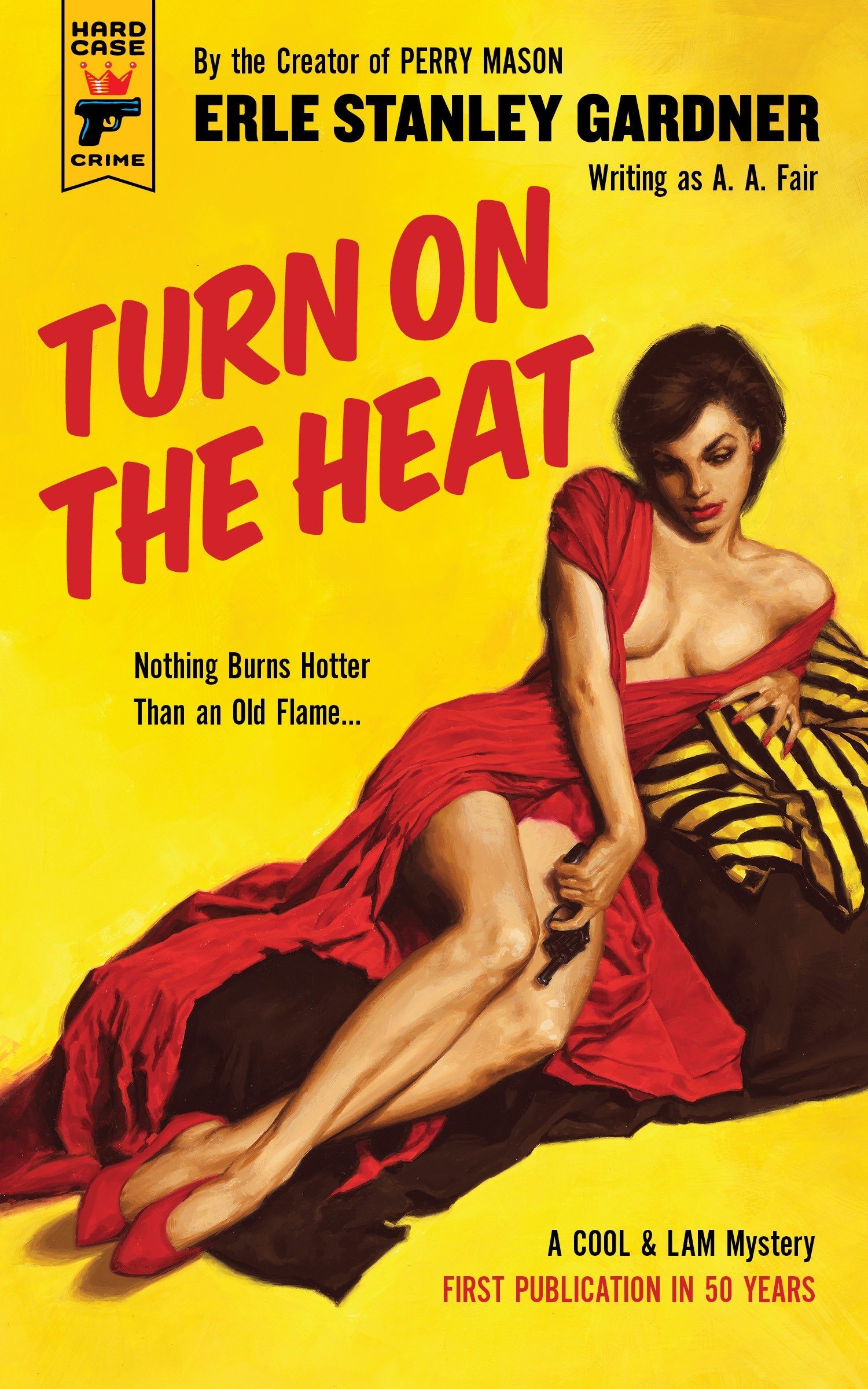
#936: Turn on the Heat (1940) by A.A. Fair

Turn on the Heat

star filledstar filledstar filledstar filledstars
Twenty-one years ago, Mrs. Amelia Lintig started divorce proceedings against her husband, naming the practice nurse at his surgery as co-respondent.  Before the matter could be resolved in court, Dr. Lintig and his nurse and Mrs. Lintig all took a powder and left the sleepy township of Oakview behind them, apparently for good.  And now, someone wants to hire the B.L. Cool Detective Agency to track down Mrs. Lintig for reasons of their own…a mission complicated by the discovery that quite a few people have been looking for Mrs. Lintig in recent months. And then some of those people start dying.

Continue reading

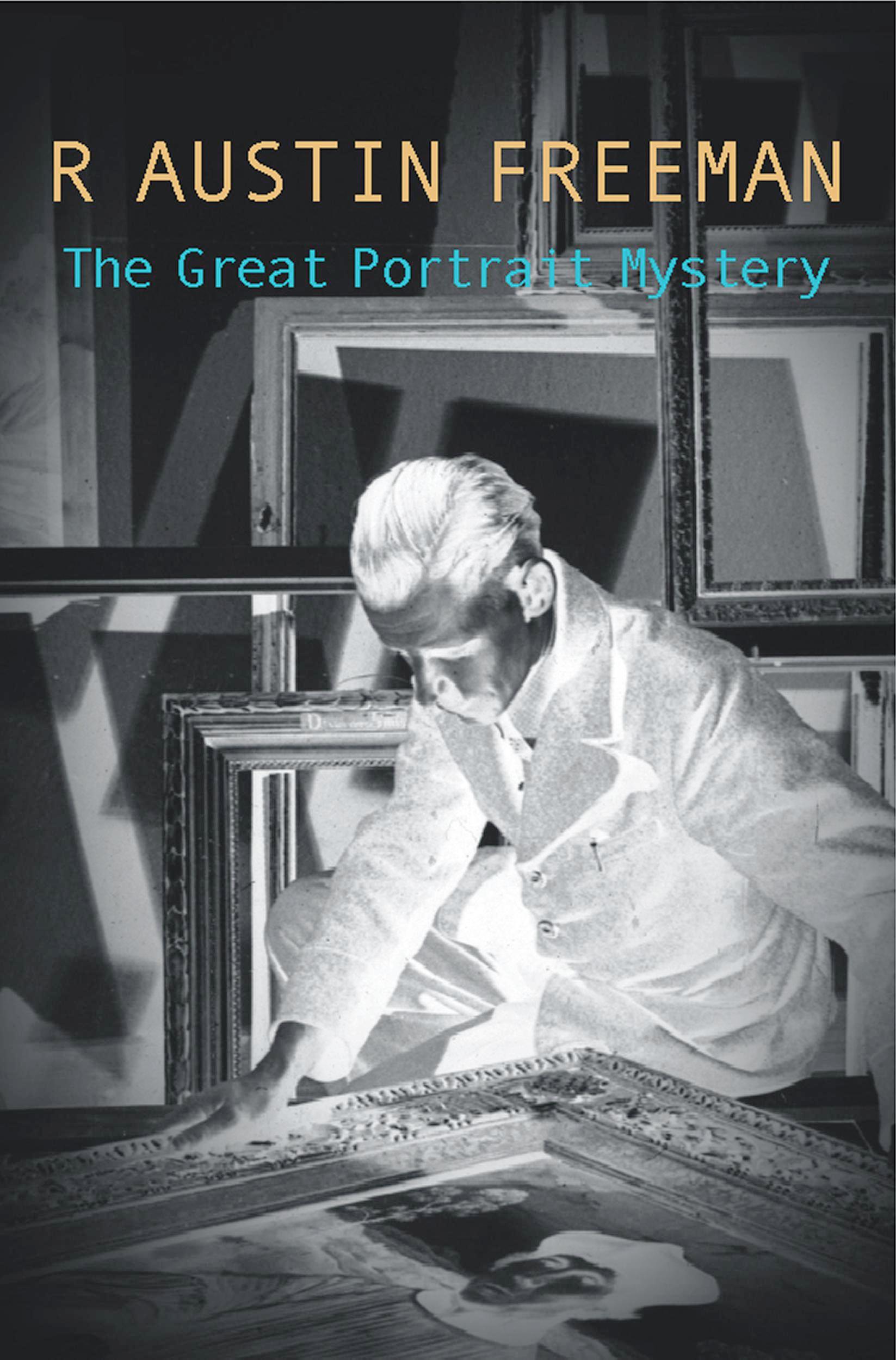
#934: “It was surprising what a change the last minute or two had wrought…” – The Great Portrait Mystery [ss] (1918) by R. Austin Freeman

The short story collection The Great Portrait Mystery (1918) occupies an odd position in the oeuvre of R. Austin Freeman. Five of the seven stories herein have almost nothing to do with each other — tonally, thematically, genre-wise — and the other two are inverted tales of detection featuring his famous medical jurist character Dr. John Evelyn Thorndyke. So were Freeman’s publishers simply fancying up some of his B-material by including a couple of Thorndyke tales to draw otherwise-uninterested readers to this collection? Let’s find out.

Continue reading

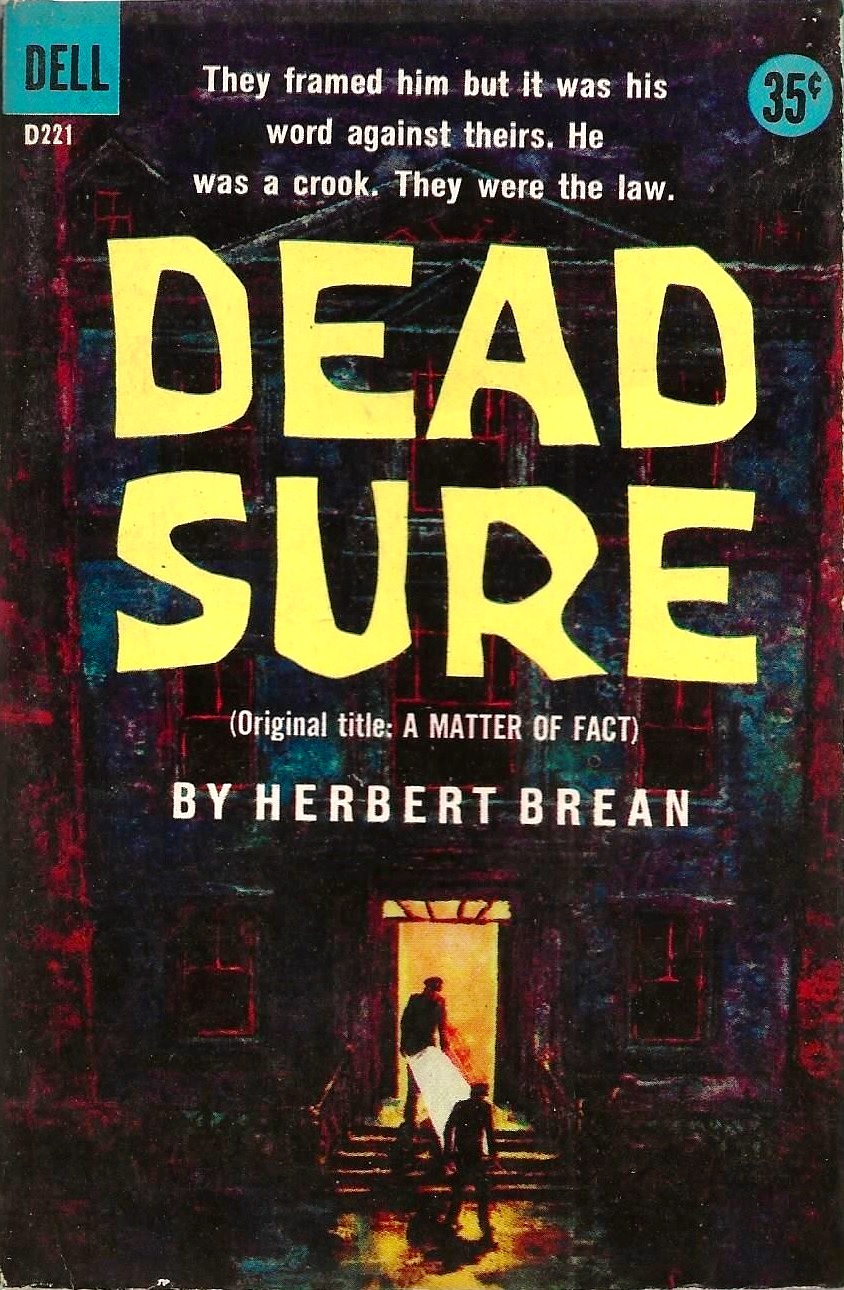
#933: Dead Sure, a.k.a. Collar for the Killer, a.k.a. A Matter of Fact (1956) by Herbert Brean

dead-sure

star filledstar filledstar filledstarsstars
Herbert Brean is an author whose work is really rather difficult to pigeonhole, and this multi-titled obscurity — I’ll call it Dead Sure (1956), as per my Dell paperback edition — highlights why.  From the gentle Americana puzzling of his debut Wilders Walk Away (1948), to the gloomy suspense of The Darker the Night (1949) and the intricate historical imbrications of his masterpiece Hardly a Man is Now Alive (1950), we find ourselves now in a sort of Woolrichian nightmare of an honest cop framing an innocent man and attempting to dig himself out before it’s too late…both legally and morally. And yet, even then, there’s more going on here.

Continue reading

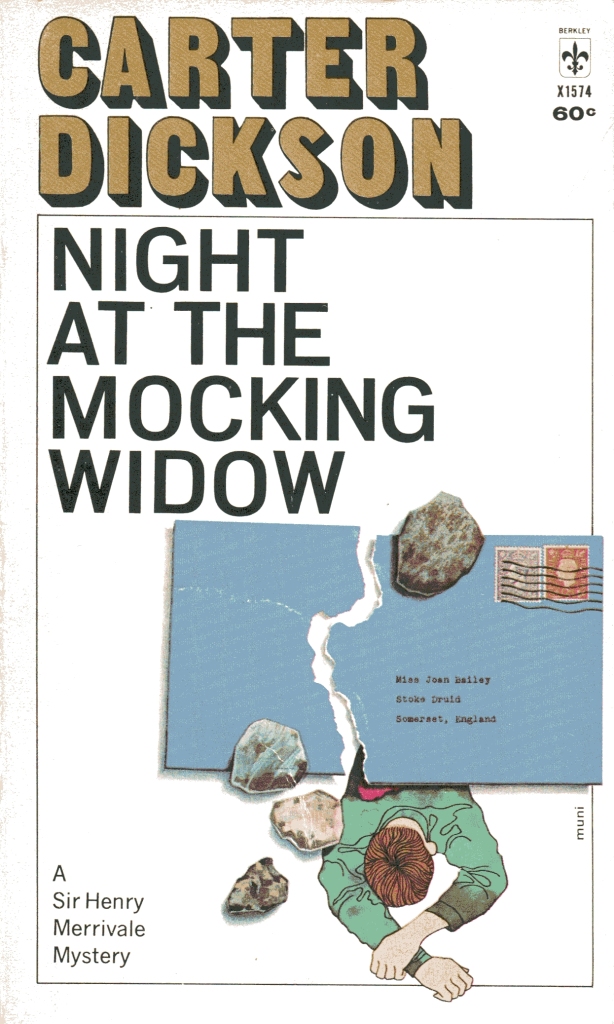
#930: Night at the Mocking Widow (1950) by Carter Dickson

Night at the Mocking Widow

star filledstar filledstarsstarsstars
I love a good village poison pen mystery but, as I’ve said before, they’re difficult to write because both the village and the mystery must convince and compel. Night at the Mocking Widow (1950), the twentieth book written under John Dickson Carr’s Carter Dickson nom de plume to feature Churchillian sleuth Sir Henry ‘H.M.’ Merrivale, starts off seeming like a great example of both…but once we hit the halfway stage and the impossible appearance and vanishing of the sinister Widow presents itself, the life rather goes out of things. From that point on, it feels more like a writing exercise than a novel, and one that Carr is forcing himself to complete.

Continue reading

#928: “Now we’re involved in it all over again…” – Heads You Lose (1941) by Christianna Brand

With the British library Crime Classics range apparently achieving the impossible by arranging for Green for Danger (1944) and Death of Jezebel (1948) by Christianna Brand to be reprinted, the time seemed ripe to take her second novel Heads You Lose (1941) out of the shelf space that it recently started occupying and see how it stacks up.

Continue reading

#927: The Great Hotel Murder (1934) by Vincent Starrett

Great Hotel Murder

star filledstar filledstar filledstarsstars
The tension at the heart of the likes of the wonderful British Library Crime Classics and American Mystery Classics ranges is that they’re reprinting some genuine classics — Home Sweet Homicide (1944) by Craig Rice, The Bride Wore Black (1940) by Cornell Woolrich — whose authors I’d love to comprise their output for the next few years, but likes of E.C.R. Lorac and Mary Robert Reinhart will sell plenty of books to people who aren’t me, despite me feeling better books are out there. So while it would be harsh to say that The Great Hotel Murder (1934) by Vincent Starrett feels like a wasted opportunity, I can safely say that I’ve now read as much Starrett as I have any interest in reading.

Continue reading