And then there were 32 — the first round of this vote to find the most popular sleuth of detective fiction’s Golden Age having whittled the original 64 names down to half that number, and the votes available for one week from today due to halve it again. So, who survived and who is out of the running?
Continue readingAuthor: JJ
#975: Death on the Down Beat (1941) by Sebastian Farr

![]()
![]()
![]()
![]()
![]()
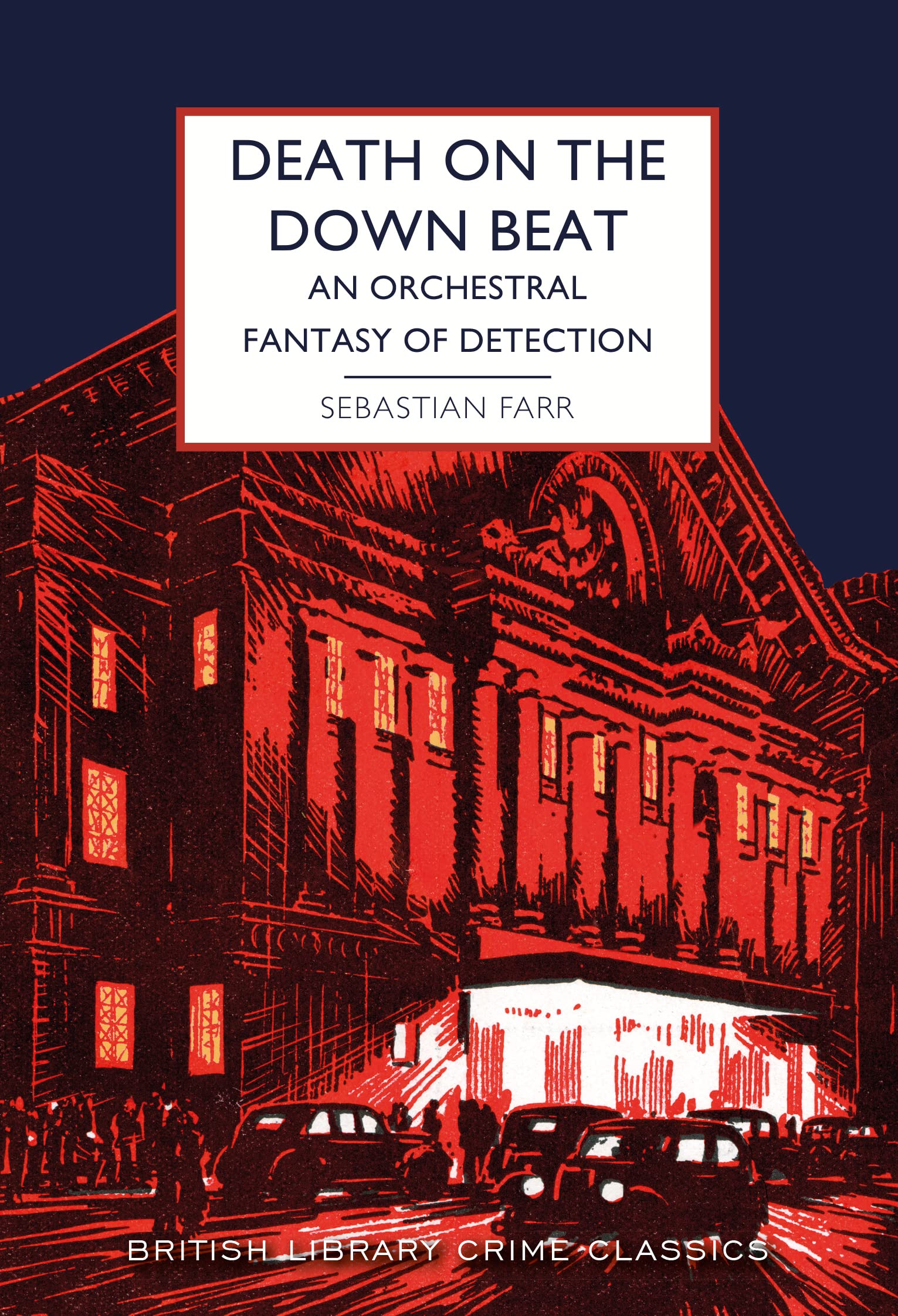
Both versions of Alfred Hitchcock’s The Man Who Knew Too Much (1934/1956) contain excellent scenes in which a killer takes aim at their target in the Royal Albert Hall while the music builds ominously. Sebastian Farr’s Death on the Down Beat (1941) utilises the same idea, but transfers it to an orchestral performance of Richard Strauss’ Ein Heldenleben in the fictional northern city of Maningpool and picks up after the killing, asking what would happen if the murder of an unpopular conductor in such circumstances was investigated a weary detective who just wants to get home to his wife and young children and finds himself frustrated at almost every turn by the intrusion by self-important local types.
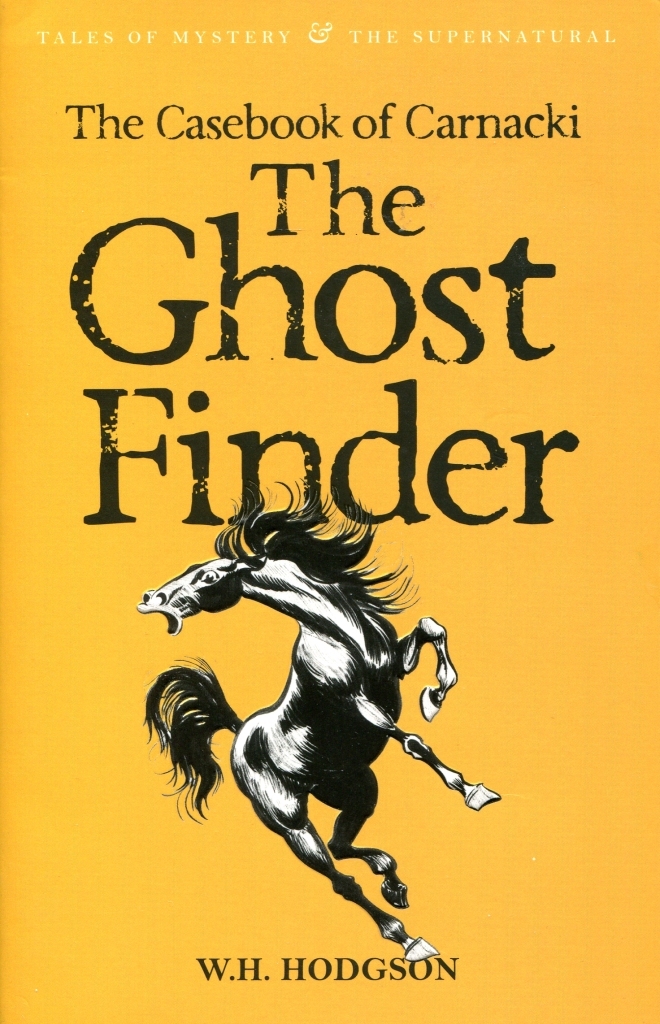
#974: (Spooky) Little Fictions – The Casebook of Carnacki the Ghost Finder [ss] (1947) by William Hope Hodgson
Another author exploring the spOooOOoOky side, with rational solutions just as likely as ghosts and spectres. WooOOoOooOoo, etc.
Continue reading#973: Cover Stars – Jo Walker on The Tattoo Murder (1948) by Akimitsu Takagi [Pushkin Vertigo 2022 edition]
You may remember — and I won’t blame you if you don’t — that back in October 2019 I was lucky enough to get cover designer Abi Salvesen to explain her process in researching and creating the covers for two John Dickson Carr reprints put out by Polygon Books.
Continue reading#972: Peril at Cranbury Hall (1930) by John Rhode

![]()
![]()
![]()
![]()
![]()
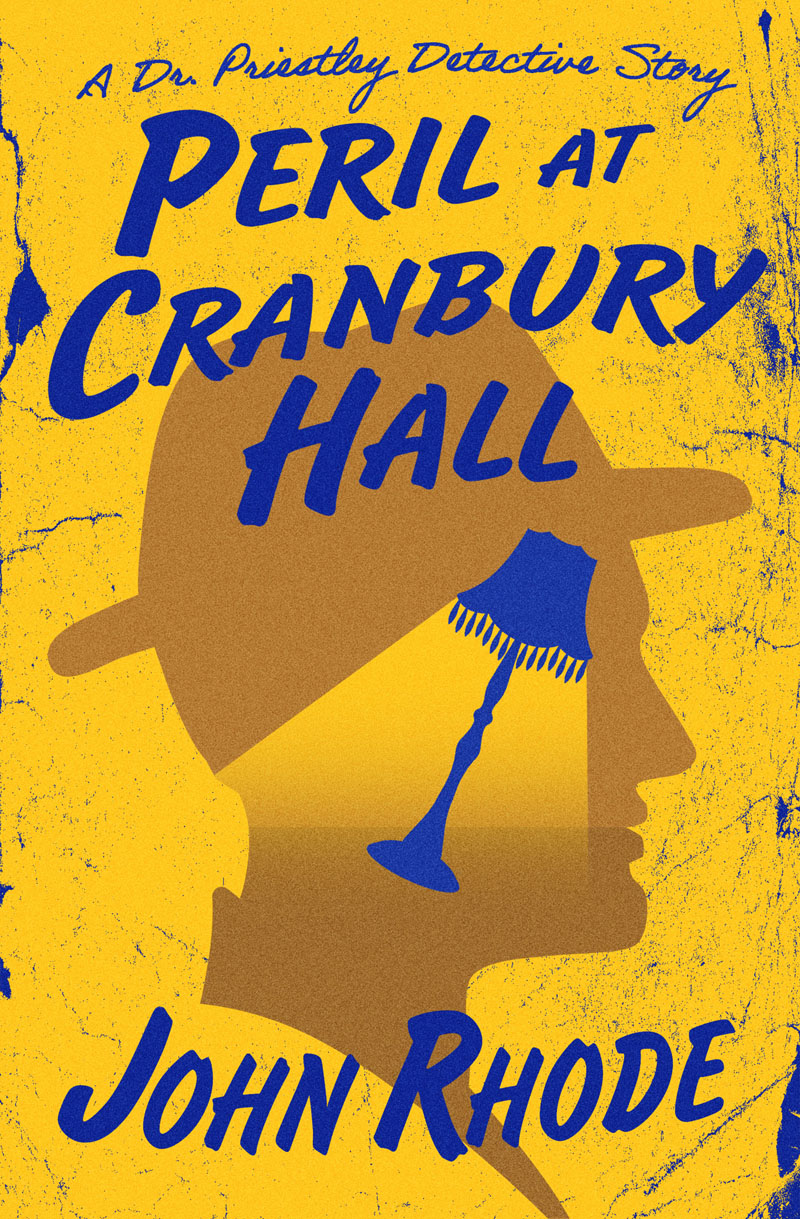
Accompanying an architect in an examination of the faded ancestral pile of Cranbury Hall, prim solicitor Arthur Gilroy happens upon his wastrel half brother Oliver, with whom he has an interview later that evening, who is rather elliptical about the reason for his presence. The two part on not unfriendly terms and, soon after, a shot rings out that is attributed to poachers taking liberties on the ownerless land. But when Oliver fails to show up for their meeting, Arthur begins to suspect that “some mysterious tragedy had occurred”…and he might be right, since that shot turns out to have been merely the first attempt on Oliver’s life.
#971: (Spooky) Little Fictions – Ghosts from the Library [ss] (2022) ed. Tony Medawar
With the annual Bodies from the Library collections, which have brought long out-of-print stories of crime and detection back to public awareness, proving rightly popular, editor Tony Medawar turns his attention to another facet of genre fiction with the Ghosts from the Library (2022) collection, in which authors (mostly) better known for their stories of crime and detection have a go at generating some supernatural chills instead.
Continue reading#970: “Our country has an abundance of legends…” – The Demon of Dartmoor (1993) by Paul Halter [trans. John Pugmire 2012]
Two Paul Halter books remain from my pre-blog my life, meaning I’ve read them but not put my thoughts down anywhere. Let us use this month of phantoms and superstition, then, to return to The Demon of Dartmoor (1993, tr. 2012).
Continue reading#969: The Chocolate Cobweb (1948) by Charlotte Armstrong

![]()
![]()
![]()
![]()
![]()
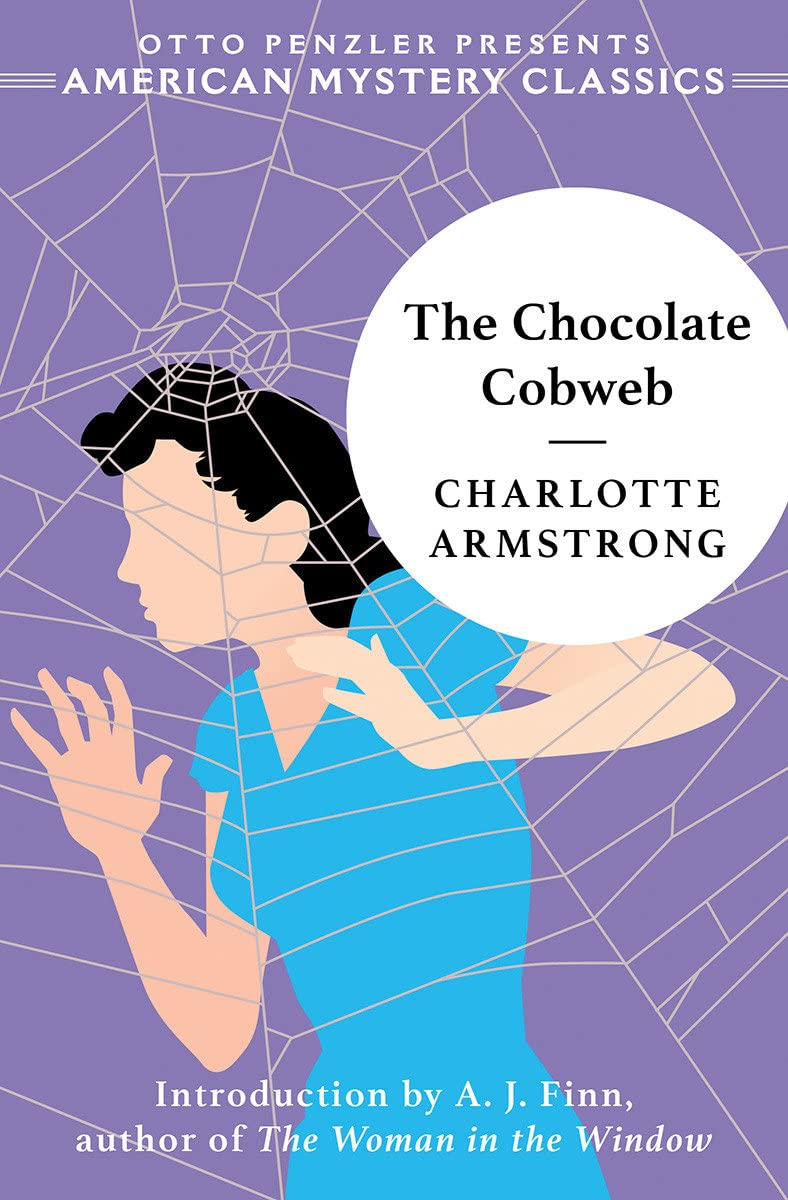
There really is no accounting for taste. When I read The New Sonia Wayward (1960) by Michael Innes following a rave review from Aidan, I found it rather wanting; now that I’ve read The Chocolate Cobweb (1948) by Charlotte Armstrong following a rave review from Aidan, I wonder if he praised it enough, because it’s very probably the best novel of pure domestic suspense that I’ve ever encountered. We can add this to the likes of The Voice of the Corpse (1948) by Max Murray on the list of Books I Should Not Like Yet Absolutely Loved, an experience so enjoyable that it stalled my reading for about a week since I had no idea what I could possibly follow it up with.
#968: Going Home – A Drink Before the War (1994) by Dennis Lehane
By the time Dennis Lehane started garnering public attention and huge critical praise for the likes of Mystic River (2001) and Shutter Island (2003) — helped, no doubt, by those two novels being filmed — I couldn’t help but feeling that he’d already done his best work with his first five novels, which featured Boston P.I.s Patrick Kenzie and Angie Gennaro.
Continue reading#967: The World’s Favourite Golden Age Sleuth – Round 1, Bottom Half
Right, you probably know the drill by now: 100+ sleuths nominated, top 64 chosen, the top half of 32 already voted on…today you’re voting on the bottom half of the first round.
Continue reading