-
Subscribe
Subscribed
Already have a WordPress.com account? Log in now.


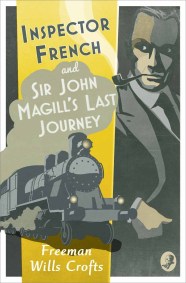 This 2017 HarperCollins reprint — under the title Inspector French and Sir John Magill’s Last Journey — is 309 pages long and took me, almost to the hour, two full weeks to read. Ordinarily this would be the sign of a very bad book indeed, but, with the end of term and then Christmas to negotiate, had it been any less good — honestly, now — I probably wouldn’t have finished it. The fractured, disrupted natured of such a reading experience requires the mind to keep plot details fresh while also contending with the busiest time of a busy year, and the clarity amidst complexity of Crofts’ plotting here is joy unconfined to my puzzle-fixated mind. And with the Nativity headed back into its box, here’s why.
 As I wend my merry way through the works of Norman Berrow — this is the seventh book of his I’ve read, thanks to the wonderful efforts of Ramble House in republishing his entire catalogue — I’m forced into a certain awareness: I really like his style of mystery, even though they fall slightly below the standard I’d typically expect. His characters are fun, his situations inventive, he doesn’t bog you down in mucilaginous prose, and the fact that he jumped between five different (albeit short) series plus standalones in his career invited a certain variation in his approaches that stops things getting samey. If the plots occasionally fall short of full brilliance…I can live with that. But it makes things a little tricky from a reviewing perspective.
 The Invisible Event