
The Invisible Event has, as of yesterday, officially been online for ten years. Where does the time go? And when does the money start pouring in?
Last week, I celebrated various failures with this blog; this week, I’d like to mark the decade by considering some of the many ways my life has been enriched by blogging, the things I have to be thankful for on account of ten years spent sharing thoughts on classic detective fiction and impossible crimes.
So, in no particular order…
1. The Blogging Community

That is you, the person reading this; honestly, given how horrible a place the Internet can be at times, I am amazed at the respectful, friendly, supportive, generous, and generally lovely way that the overwhelming majority of people who engage in this little corner conduct themselves. When we disagree, we do so politely, we acknowledge the right of others, having read the same book, to like it more than us, or to wish to throw it into the sun with a fury that seems somewhat disproportionate. We are appreciative of each other, and all have a good sense of ourselves as part of the larger conversations about these books; we share in the joys of a new discovery and the disappointments of a long-sought read failing to come even slightly close to expectations or hopes. This is a community it’s a complete joy to be a part of, and if you’ve contributed to it positively in any small way in the last decade (or more!) then I’m very grateful you’re here.
2. Making Friends
Not the inexplicably-popular-again sitcom, but the real people it’s been a privilege to engage with personally and regularly as a subset of the above community. I’ve been to some of your houses, and you to mine. I was invited to one of your weddings (and caught COVID so respectfully stayed away). I’m in an online book club with some of you. Some of us just text each other from time to time to see how things are going, or stay in touch via Zoom every couple of months just because. None of this would have happened were it not for a) this blog and b) the general sense of positivity engendered in this part of the interwebs as outlined in point 1 above. Life has been, and remains, immensely shit for me at times, and escaping into this blog, and sharing this enthusiasm with people who get both it and me has been a joy I never imagined when getting into this.
3. Getting Two Books Republished
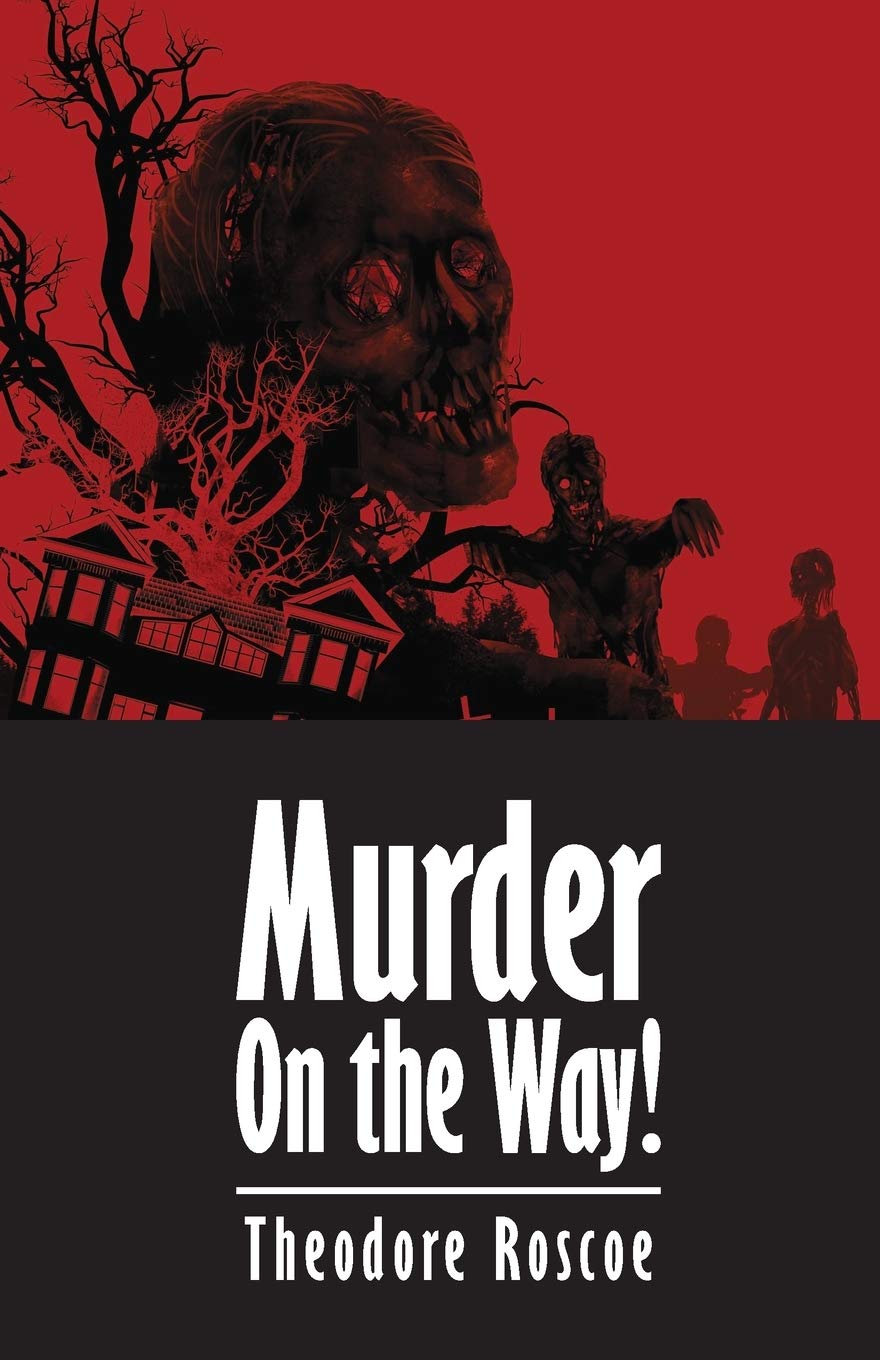
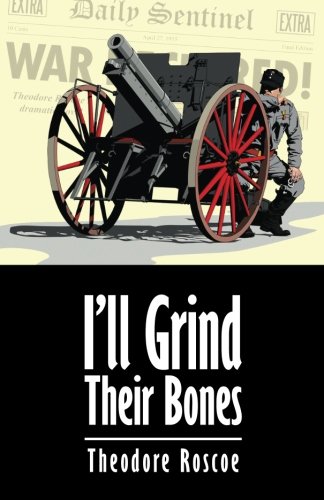
Without really having any idea what I was doing, I embarked on a mission in May 2016 to find an unloved, forgotten, and hopefully excellent GAD classic and bring it back to life for people to enjoy in the modern age. As a direct result of poking around in a few places I had no right to be, this eventually resulted in the resurrection of Murder on the Way! (1935) and I’ll Grind Their Bones (1936) by Theodore Roscoe thanks to the lovely — and they really were lovely — people at Bold Venture Press. I’m still not entirely sure how I, of all people, made this happen, but the books seem to have gone over well with the people who have read them, and come recommended if you enjoy a wild time that takes the trappings of the impossible crime and then pushes the genre to its limit while chuckling along the whole time. They’re not funny books, but if you can read them without a smile on your face then, wow, well done.
4. Involvement with Locked Room International

It was through regular reading of the translations of Paul Halter provided by John Pugmire under his Locked Room International banner that I ended up corresponding with John and, when he came looking for proofreaders for later titles, ended up working with him. In fairness, I had emailed John before starting TIE, but it was only in working up the confidence to start writing publically about books that I developed the confidence to offer my services to hopefully make LRI even better at what it was doing. It was great working with and supporting John, including a redesign and general management of the LRI website, and, having met him both in New York and in London, I was very pleased to think of him as a friend up to his death last year.
5. Improving My Written Expression

In writing an average of 2.5653846 posts per week or the last decade, I’ve had to get better at how I write and how I make my feelings — and reasons for those feelings — clear. It takes me maybe 40 minutes to write 1,000 words, but I have the advantage now of never having to redraft anything: I know what I want to say, and I’m able to write it in such a way that only a few tweaks (to avoid, say, over-repetition of particular words) are necessary. As I get older — my age will rhyme with “nifty” in a few years — I value this more and more, and it’s something that bleeds into so much of my life outside of blogging: making a point concisely and well matters in so many interactions, and I feel like my written and spoken clarity has been forged at the anvil of doing this blog day after day after week after month after year. See also #6 and #9 below. It definitely helped there.
6. Writing a Novel
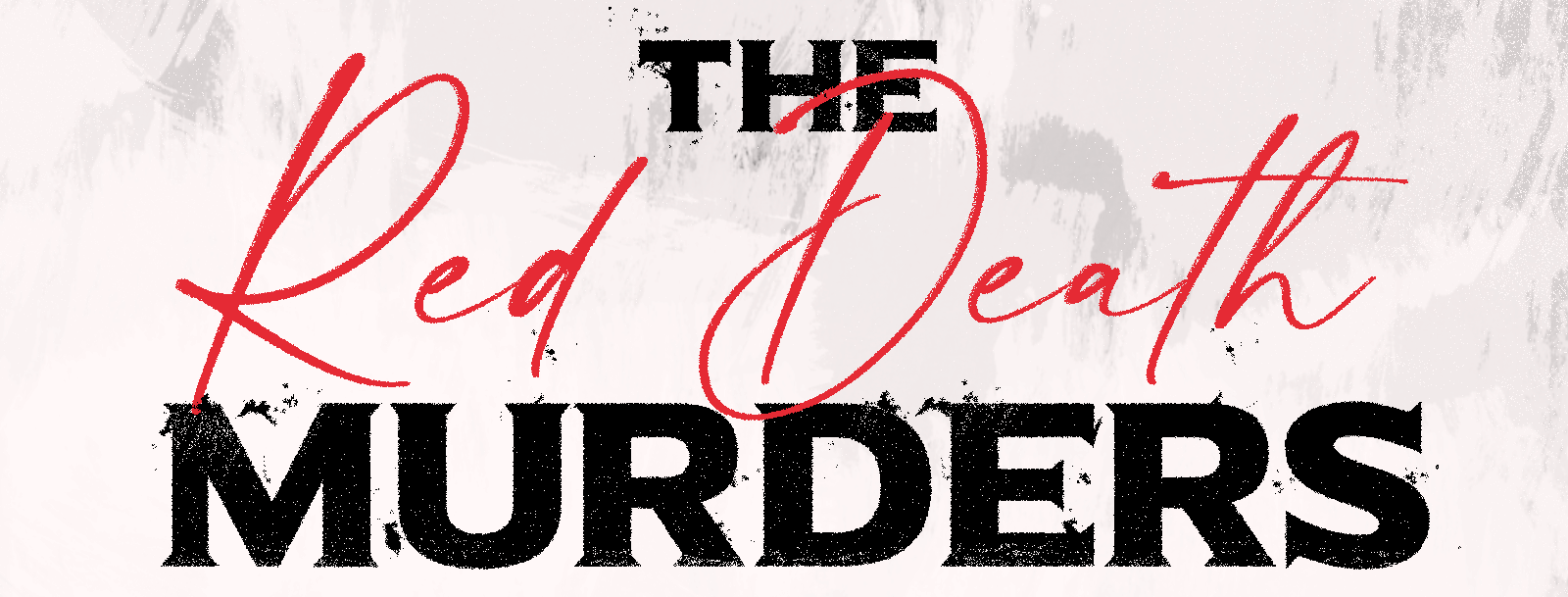
When I accidentally found myself unemployed at the end of 2020 — man plans, God laughs — I decided to stave off insanity by sitting down and typing out the idea for an impossible crime novel that I’d been brewing for about a decade. Only through developing the discipline of regular work through blogging did I have the fortitude to stick with it, and, when the first draft turned out to be bloody awful — a situation not improved by the four subsequent drafts, some might suggest — various achieved-through-blogging friends supported me, offered thoughts on later drafts, and were kind and wonderful when the book finally saw the light of day. The Red Death Murders (2022) is very much a love letter to the detective fiction I’d spent years evaluating and discussing with so many of you, and it exists only because said discussion helped me understand this genre better than I ever would have on my own.
7. Mellowing

Part of getting better at the above is recognising when I haven’t done it well, and I have definitely in the past written harshly or thoughtlessly or with an excess of venom or disdain about something which was, after all, only a book that had been put out with the intention of providing some entertainment to someone. You’ll find a handful of posts now on this blog which no longer exist, because, frankly, I don’t like the way I was overly critical or unpleasant in what I wrote. Doing that in public is shit, and I offer no excuses: I was out of line, and I’ve come to recognise that. I’m grateful that I’m able to remove the things I wrote, rather than having them somewhere under someone else’s control so that I have to cringe whenever I think about someone reading them and thinking I’m that sort of person. I hate that I wrote them, but the community as a whole has certainly made me appreciate that the overwhelming majority of what’s here is thankfully more constructive.
8. Re-evaluating Books and Authors

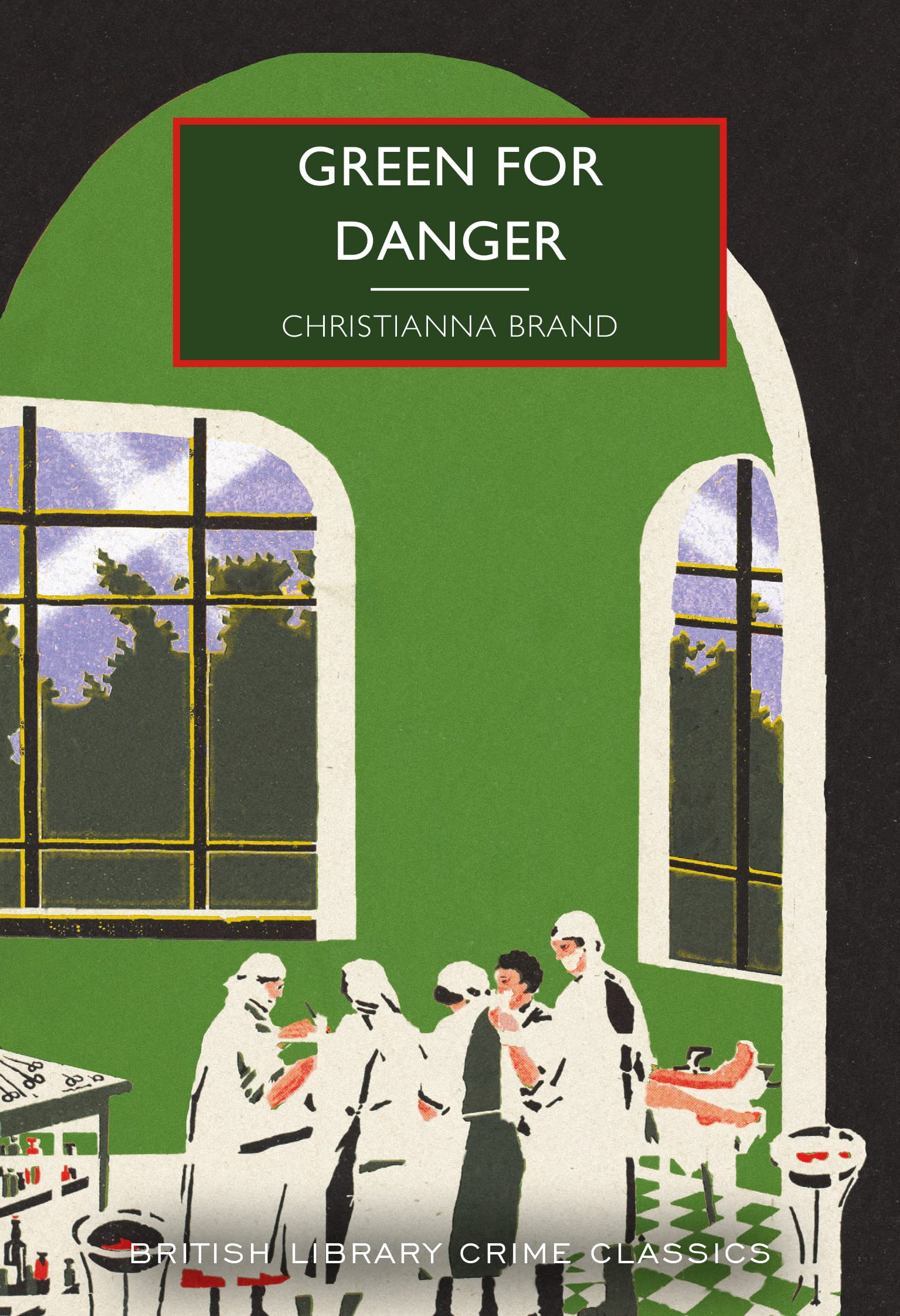
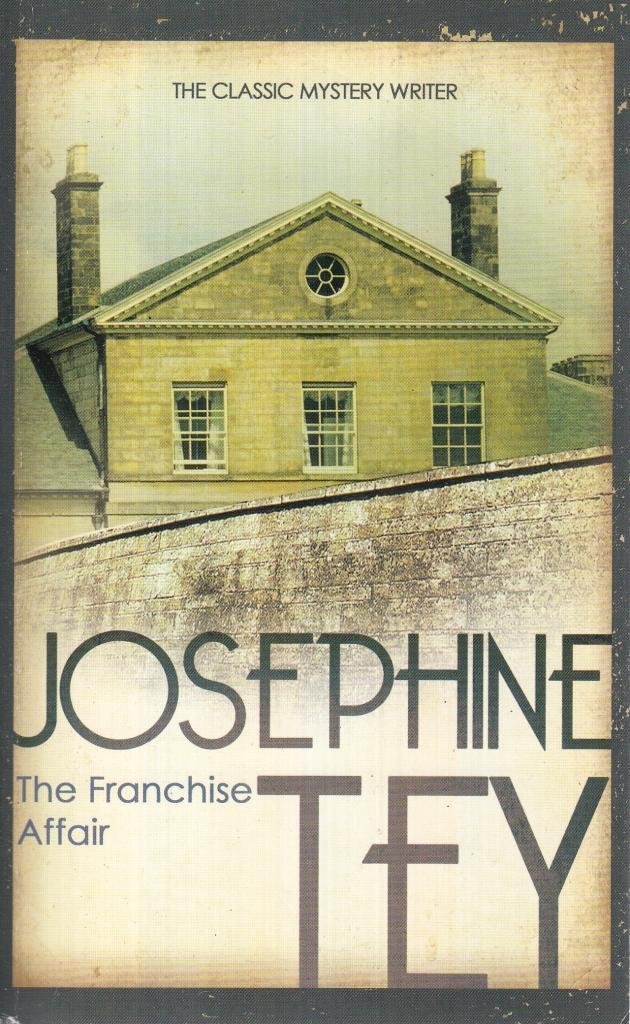
To continue the theme, one of the lovely things about this community is the way someone will speak about a book I was indifferent to in such a way that makes me want to look at it again. Rereading Not to be Taken (1938) by Anthony Berkeley, Green for Danger (1944) by Christianna Brand, and The Franchise Affair (1948) by Josephine Tey has enabled me to get so much more out of them and to see them almost with entirely new eyes. It doesn’t always work — after a second read, The Plague Court Murders (1934) by Carter Dickson went from something I would heatedly defend as a masterpiece to an over-dense jumble I really had to force myself to finish — but when it’s made me read The Dain Curse (1929) by Dashiell Hammett or take a punt on the thoroughly not-my-bag work of the magnificent Charlotte Armstrong, this newfound willingness to have been wrong about something has lifted more than a few scales from my eyes. One of these days I may even enjoy the work of Michael Innes and Ellery Queen (yeah, no, okay, let’s not get silly).
9. Presenting at Bodies from the Library
You will be shocked to learn that opportunities to flex one’s knowledge and awareness of Golden Age detective fiction are far from thick on the ground, and so the annual Bodies from the Library conference, which celebrated its tenth occurrence this summer, is a delight to those of us who enjoy this stuff. Attending as a punter is huge fun, and feels oddly like a privilege in itself, but being approached to present not once but four times has been a source of tremendous pride. They’ve let me talk about pretty much whatever I like, and have even tolerated some distinctly weird approaches in how I want to make my points…and I remain so very thankful to the organisers for seeing something in all my ramblings on this site that made them think “Yeah, this is what we need…”. And then they asked me back! Still doesn’t quite seem real.
10. A Personal Archive
One thing that didn’t occur to me in the writing of the blog was how much it would — obviously — become a record of what I read, what I thought, and how my tastes developed. This is why it’s so lovely when someone comments on an old post from, say, eight years ago, because I’ll often go back and read what I wrote and see what it stimulates in my memory. It’s a time capsule, really, that I can access whenever I want, and which charts my growing awareness of the likes of Freeman Wills Crofts, R. Austin Freeman, Craig Rice, and all sorts of other things which have meant so much to me down the years. Reading 120+ books a year, it’s wonderful to have some detailed thoughts down to bring details back to me, or to see how an author has developed chronologically, etc. As I say, this is obviously always what a blog of this nature was going to be, but it only occurred to me recently when I started looking back over this decade.
~
Of course, it’s all for naught without you, the reader, so thank-you for your continued patience and involvement as the blog has progressed. Next week, for the final Tenniversary celebration…I dunno. Any ideas?
 The Invisible Event
How about looking to the future? 10 predictions? 10 directions the blog will go?
LikeLike
Yeah, I thought about this — then I realised how bad I am at long-term planning. But it might be fun, I suppose…
LikeLike
My comments are not getting through ! Are you censoring them ?
LikeLike
No, man, I’ve been asleep. I’ll look into it.
LikeLike
Great post, Jim. Congratulations!
LikeLike
Thanks, Jose. Where does the time go, eh?
LikeLike
Don’t tell me, I’m seventy-five.
LikeLike
😄😄😄
LikeLike
Well done Jim, you’re a force to be reckoned with. Bravo!
LikeLike
Lord, am I? 😄
LikeLike
Damn straight! (Cue theme music from Shaft).
LikeLike
Thanks so much for sharing. I can identify with a lot – celebrating 15 years in 40 days
LikeLike
An amazing achievement; looking forward to seeing how you choose to reflect on all that time blogging.
LikeLiked by 1 person
Great list! Though it is funny to me how you mention The Franchise Affair as one where you reread it and reevaluated to find you enjoyed it more than the first time- I just reread expecting to like it as much as I did the first time and it turns out I kinda sorta hate it now… not really but the problems are way more obvious to me now. I’d been considered rereading Green for Danger (one that I liked, but could never get into any other Christianna Brand) and now I’m too nervous to… I don’t want to retroactively ruin my affection for any of these books!
LikeLike
Yeah, it doesn’t always work: see those comments above about The Plague Court Murders, which I’m greatly annoyed not to like as much as k thought I did,
I’m also — tiny gasp — finding some of the Agatha Christie books I’m rereading not as good as I remember them being when I was an ingénue in the genre. So rereading is fraught with peril. Maybe revisiting is best left to books one didn’t really care for too much first time around: I’ve reread about five in the last year alone that have gone up in my estimations, and had they gone down I wouldn’t have minded given how little I thought of them at first encounter.
I’d suggest that Franchise is funnier than you think, but I also appreciate that, yes, it is wit rather than humour, and that such wit is very much in the eye of the beholder. Robert’s aunt sitting on her chair at the dining table and fishing out with her feet for the footstool will never not be funny to me — it’s one of my favourite images in GAD — but, yeah, I’m smiling rather than rolling on the floor.
LikeLike
For me, rereading is a sign that I liked a book in the first place! I reread EVERYTHING- I have a lot of free time for reading and honestly it’s not until 1-2 years ago when I started on my GAD reading spree that I was reading much new-to-me fiction (it was mostly nonfiction and older favorites like Christie, Terry Pratchett, ACD, Tolkien, all the random stuff I picked up as a kid…). The first read was/is to figure out if I like it- I almost never buy books that I haven’t previously read and liked.
Now that I’m doing more new-to-me reading that’s changing a bit- will I ever reread a Hallett book? Not sure, but if I do it probably won’t be The Appeal, for example. And I am getting more enjoyment out of that one-and-done read for the sake of it, as I know there are too many fun books out there for me to focus on the old favorites exclusively, and experiencing new books and new authors is fun for its own sake almost as part of a historical project for me.
But I keep a running log of what I’ve liked in my new reading and re-order them from the library/buy them, because that’s just how I do things- and not liking things quite as much is pretty par for the course, though sometimes I like them more. Sometimes I’ll also have the EXPERIENCE of having read the book the first time in my head as I do my reread(s)- my first Dorothy L Sayers full-series read was all in one week, binge-reading them because I needed the next one, and while the later reads tend to be very different experiences from that one (I’ll skim through a particular book or only read two or three together that seem thematically relevant) the joy I had the first time still lingers and those memories are infused in the reading experience pretty much forever afterward.
ALL THIS TO SAY- rereading will always be something I do, and while I’ve definitely also had the “reread Christie and it’s not as good as I remember” experience (as a teen I LOVED Tommy and Tuppence and as an adult… I’m not quite as sure anymore!), there’s still always something fun about it, and sometimes I do end up doing a more positive reevaluation! (I think I’d come to dislike Blue Train because I read Christie say in her Autobiography that she judged anyone who liked it, but I just did a reread and it was… fine, basically? Overall decently enjoyable, actually? If nothing else it has early versions of George(s) and Mr Goby who are a pleasure.)
In the case of Franchise (to finally get to the point…) I think it’s not so much that I liked it less- that happens- but the WAY that I liked it less bothered me. It probably doesn’t help that I’ve been doing some academic research on Dorothy L Sayers and a lot of her low points related to race/class, and so the massive classism and, worse, snobbishness in Franchise- without, IMO, some of Sayers’s saving graces- really stuck out this time. And as far as wit vs humor, to me having wit is a writer being able to laugh at someone else and having a sense or humor is a writer being able to laugh at everyone including themselves. Tey seems completely incapable of the latter to me- everything in the book that is witty is at the expense of the kind of archetype of person who she is depicting, if that makes sense. Robert Blair and Marion Sharpe ARE witty but nothing witty is ever said ABOUT them for the same reason- because Tey has nothing to laugh at them about, which is part of what makes them, to me, such dull characters in what really shouldn’t be as dull a narrative as it is. There is no fallibility and no acceptance of human variety, just judgment, and none of the witty sketches of other characters could make up for that for me. (One can argue that there is something fallible about Robert Blair in the context of the ending and… maybe. But by then I was thoroughly sick of him.)
It’s not just this Tey book- the same thing happened in The Daughter of Time, in which besides for the shoddy approach to writing about the study of history the character of Alan Grant is written so smugly and judgmentally as to make me want to throw the book across the room, and while I haven’t read Miss Pym Disposes in ages and likely never will again, I remember that character also being one of the most insufferable I’ve ever encountered in fiction. Both of them, of course, are treated as the second coming in their respective books, and presumably only because Tey thinks they are… (As someone who liked Brat Farrar I’m now hesitant to reread it lol- I do think it’s a different kind of book structurally, and so the main problem would more be that every character but the “bad guy” is depicted as weirdly wholesome- but that’s one where I do think that an adaptation that ramps up the (pseudo)-incest would be a hit indie movie these days so on those grounds I will never hate it lol, it has that dash of weirdness)
LikeLike
Ha, I just found my review of Brat Farrar and it seems like I described it as “Ethel Lina White thriller crossed with National Velvet for rich people*” so yeah, as long as I still get those vibes on a second read I assume I’d still like it. But hey, who knows?
*I’m sure there’s an actual British novel that’s National Velvet for rich people but I haven’t read it and I’m American, everything I know about British horse stuff is from NV
LikeLike
“I’m sure there’s an actual British novel that’s National Velvet for rich people”
Two words: Jilly Cooper
LikeLike
What’s interesting about your approach to rereading is that I would have considered myself extremely unlikely to ever reread anything until I started this blog. When I look back over all the books I read as a kid, I can’t think of a single one — once I was old enough to choose for myself — that I returned to, or one that was a beloved classic I found comfort in or anything like that. It’s only been in wanting to shore up my impressions of a book, to (more than likely) gert my thoughts on record for this blog, that I’ve gone back to it…and it’s been great!
Re: Tey, I have dim recollections of Miss Pym and Brat Farrar. Neither are calling me back to the fold. But, then, I’ve looked at my TBR, and I’ve looked at the books that are being published between now and the end of 2025, and I estimate that I’ll run out of reading material by 2028. So maybe a revisit of Tey, and a wholesale embracement of Michael Innes, might yet be on the cards…
LikeLike
It’s fantastic that the blog has brought all those great things into your life. It’s brought a hell of a lot into this reader’s life when you get down to it. Thank you. 🙂
LikeLike
It’s lovely to have so much to be thankful for after a decade, especially as my ideas for this blog were always pretty modest (The Invisible Event was, in part, an ironic name choice, because I half expected the blog to disappear without anyone having noticed it).
To have encouraged readers into books, and to be encouraged into books myself by readers, is pretty much what I’d hoped, and to have achieved those aims is a delight. Anything else is gravy. Or icing. Or whatever the term for a fringe benefit is these days. I really am fortunate to be part of such a great community, and having it work in both directions is simply delightful.
LikeLiked by 1 person