
Declaring that the detective novel was the only form of literature that put the reader to work, [S.S. van Dine] argued that “a deduction game emphasising fair play within a limited setting” would be the story structure with the best potential to result in masterpiece mystery stories […] But when the elements of the game are too severely limited and the building materials are all the same, only the first few builders will get all the glory and there will be an over-abundance of similar novels…
—Soji Shimada, in his introduction to The Moai Island Puzzle
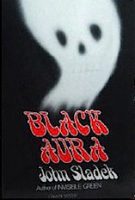 And then, of course, flourishes can be added, the easiest to distinguish being the how of impossible crimes. How can a man be crushed under a statue that must have been pushed on top of him, but in falling blocked the only exit and left him alone in the room? Catherine Aird knows how, and tells you in His Burial Too. How can a man be seen levitating outside a second-storey (note the British spelling) window before falling to his death on the railings below? John Sladek explains it beautifully in Black Aura. What the how enables is another twist of creativity to further dumbfound the reader while the who and the where/when scuttle about in the shadows.
 Take for instance
  Alternatively, The Invisible Circle – in which a group of people are invited to spend the weekend at a castle on an archipelago only for those present to start falling prey to a vicious murderer and so earning comparisons with And Then There Were None – gives you something far wider to deal with. For my money there’s also more than a whiff of Carr’s first Carter Dickson novel The Plague Court Murders in the impossible stabbing at the top if an inaccessible tower (behind a bolted door guarded by a wax seal, no less) by a sword that was not only too big to have entered through the immovable grill over the window but also most definitely securely fixed in a gigantic rock a la Excalibur. The explanation is brilliant – unlikely as hell, but aren’t most impossible crimes? – and again so perfectly worked into the setup that you find yourself accepting all kinds of weird goings on without realising how thoroughly Halter has you playing his own game. He also has a superb line in the who here, too, with all manner of identity-questioning that liberally throws out hints (I have a favourite, but – gah! – spoilers) and then dances around in sheer glee at the frank insanity of the scheme cooked up (it’s something of an experience, that book – not easily forgotten!).
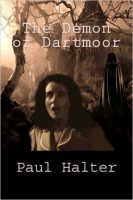 When allowed to step out of the shadow of the greats and carve his own path, he has done equally superbly. The Demon of Dartmoor has a ghost shove a man out of a window to his death in what just might be my favourite explanation of any impossibility ever (I read it on a plane, and my exclamation of “Holy fucking shit, that’s awesome!” at the reveal had about ten people enquire what book I was reading when we disembarked).
  That he won’t be to everyone’s taste in inevitable – who, after all, is? The narrative trickery of The Fourth Door infuriates as many people as it delights (and if you’re in the former camp there, perhaps a warning about
 - Comment
-
Subscribe
Subscribed
Have a WordPress.com account? Log in now.


A lovely homage, JJ! I’m trying! I really am!!
LikeLiked by 2 people
Great celebration of Halter’s work JJ – as ever, your enthusiasm is very contagious! Off to get me some more of his books right now 🙂
LikeLiked by 1 person
Pingback: #103: Paul Halter Day – III: The Round-Up | The Invisible Event
Pingback: #148: So, Like, What Is an Impossible Crime or a Locked Room Mystery? | The Invisible Event