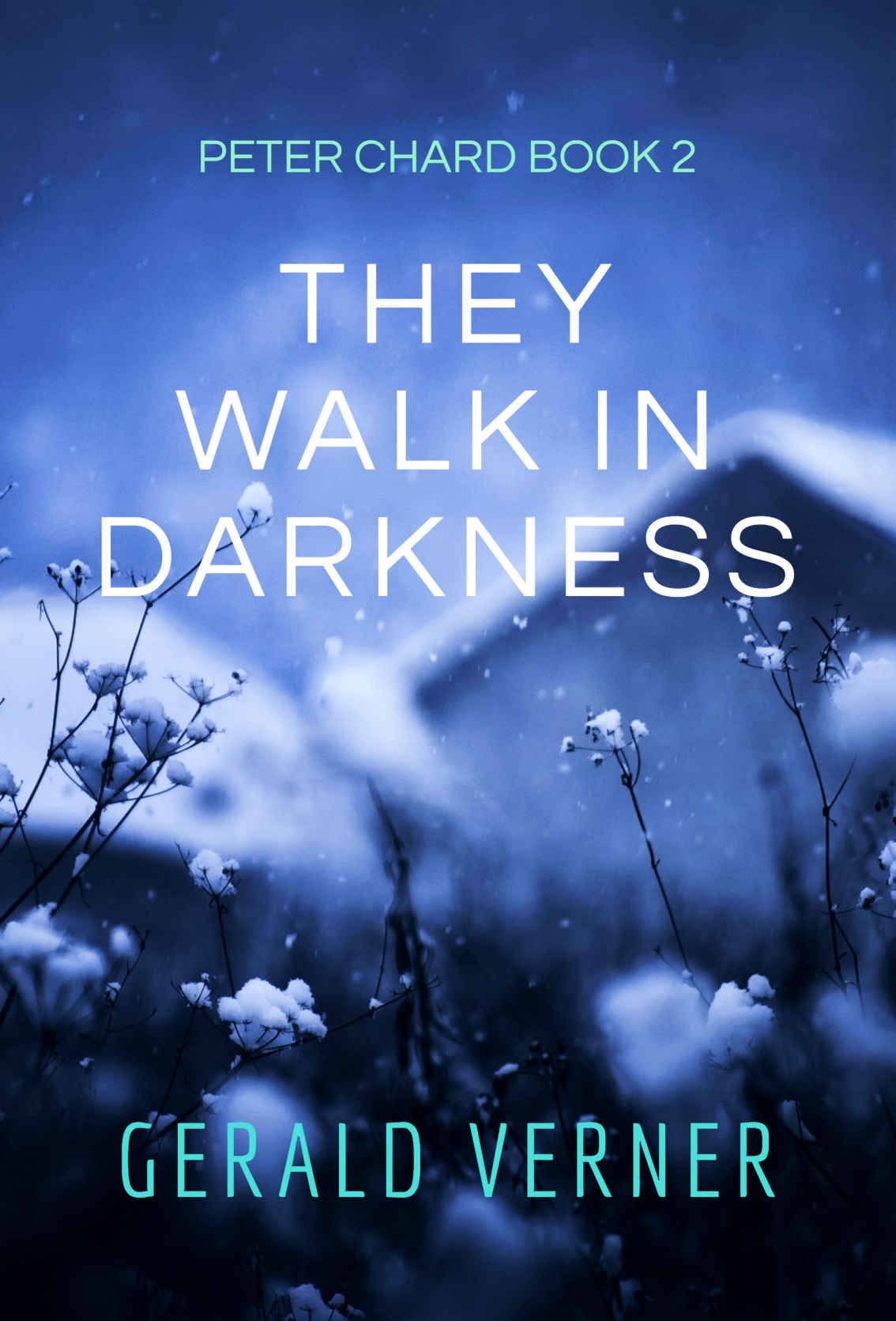
#999: They Walk in Darkness (1947) by Gerald Verner

They Walk in Darkness

star filledstar filledstarsstarsstars
If you’re reading this in the Southern Hemisphere — or in the year 2047, when global warming has reduced the planet to a scorched wasteland — then the raft of snow-bound mysteries reviewed in the run-up to Christmas might seem a little odd. Nevertheless, this snowswept tale of impossible murder, which came recommended by Tom Mead, has been reserved for this precise season so that its twofold chills — physical and atmospheric — might be better appreciated. Gerald Verner wrote so much that it would be easy to believe that quality wasn’t high on his agenda, but he does good work in They Walk in Darkness (1947) even if the overall edifice doesn’t quite live up to its promise.
Continue reading

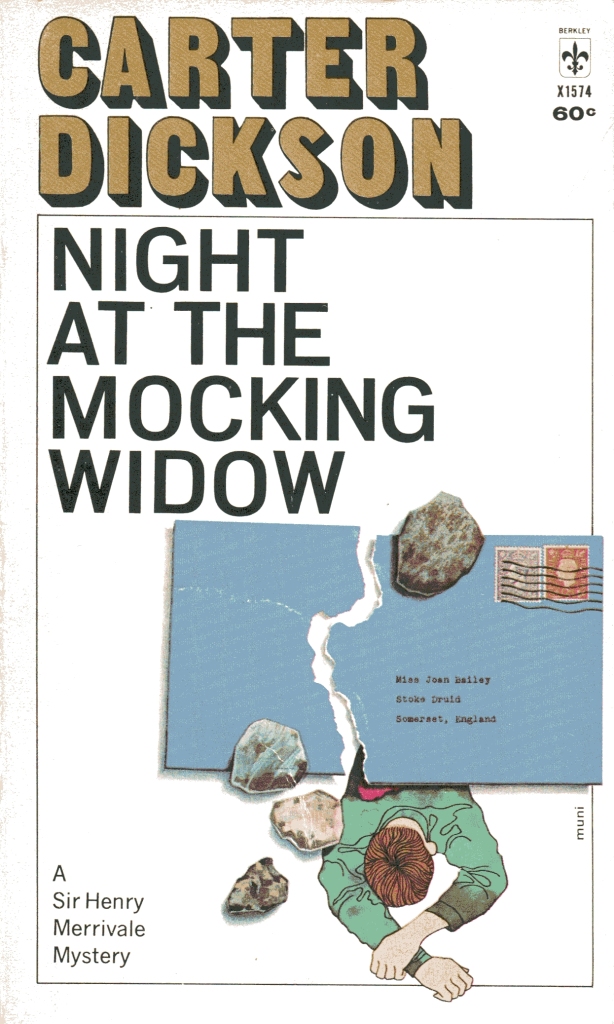
#930: Night at the Mocking Widow (1950) by Carter Dickson

Night at the Mocking Widow

star filledstar filledstarsstarsstars
I love a good village poison pen mystery but, as I’ve said before, they’re difficult to write because both the village and the mystery must convince and compel. Night at the Mocking Widow (1950), the twentieth book written under John Dickson Carr’s Carter Dickson nom de plume to feature Churchillian sleuth Sir Henry ‘H.M.’ Merrivale, starts off seeming like a great example of both…but once we hit the halfway stage and the impossible appearance and vanishing of the sinister Widow presents itself, the life rather goes out of things. From that point on, it feels more like a writing exercise than a novel, and one that Carr is forcing himself to complete.

Continue reading

#865: There Is Nothing Either Good or Bad, But Thinking Makes It So – Examining the Haycraft-Queen Cornerstones List

If you’ve met me, firstly I apologise, and secondly it’ll come as no surprise that I have a tendency to ruminate on that which many others pass over without so much as a backward glance. Previously this resulted in me writing something in the region of 25,000 words on the Knox Decalogue, and today I’m going to turn my eye upon the Haycraft-Queen Cornerstones list. Prepare thyself…

Continue reading

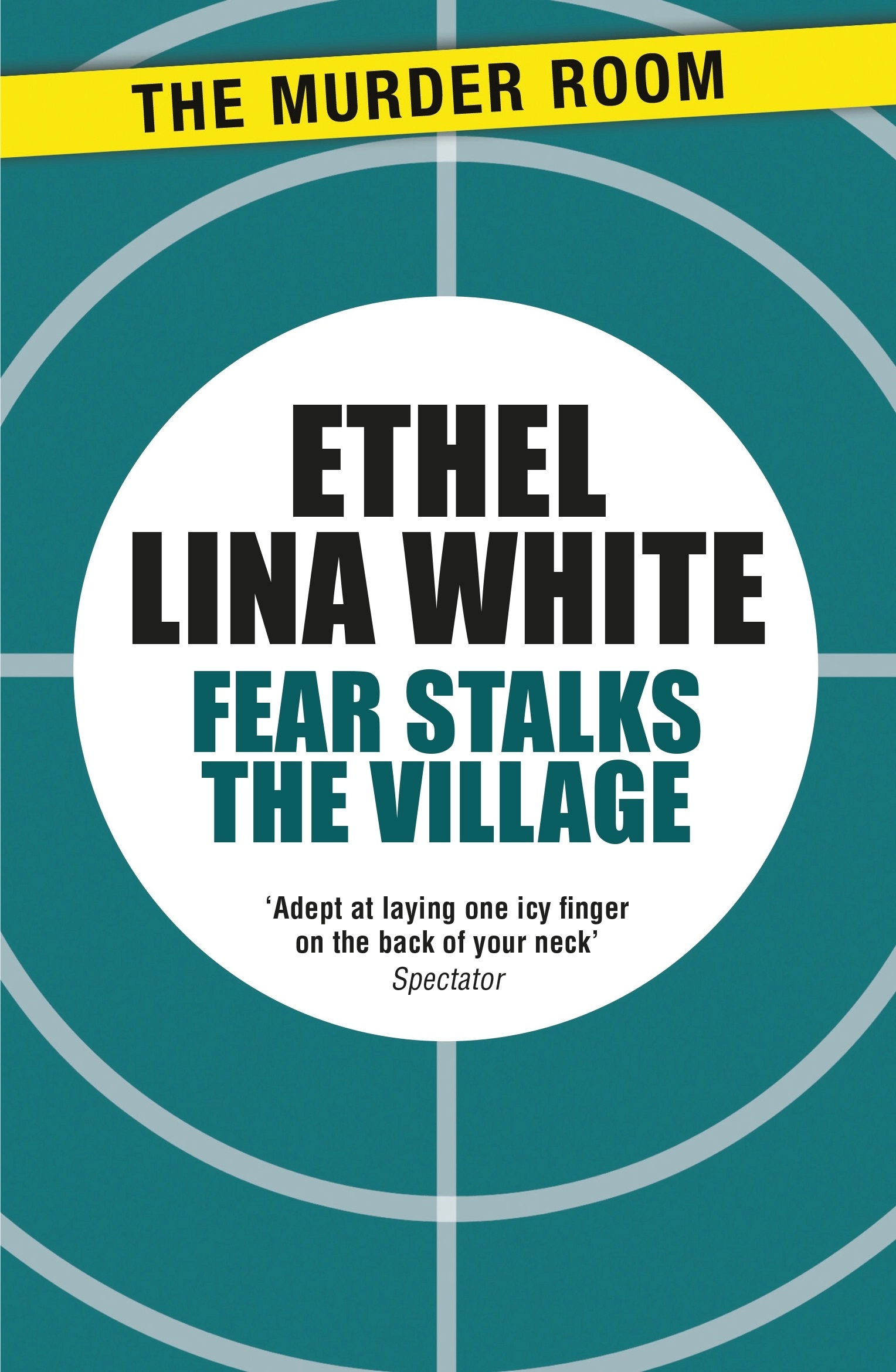
#752: Fear Stalks the Village (1932) by Ethel Lina White

Fear Stalks the Village

star filledstar filledstarsstarsstars
The subgenres by which we carve up any broad classification of fiction admit a degree of specialisation but raise problems in terms of enjoyment. For instance, Fear Stalks the Village (1932) as a Village Mystery must supply satisfaction on two fronts: it must have both a great village and a great mystery — and, while it has the former in spades, it lacks sorely to my tastes on the latter half of that expectation. And while The Voice of the Corpse (1948) by Max Murray shows that such a mixture can fall favourably upon my experience, White’s tale of poison pen letters seems to love its village a little too much to allow the mystery to ever really gain traction.

Continue reading

#435: The Voice of the Corpse (1948) by Max Murray

The Voice of the Corpsestar filledstar filledstar filledstar filledstar filled
When unpopular spinster Angela Pewsey is killed by a blow to the head — “the first time in many years that someone had done something in her vicinity about which she was not thoroughly informed” — following a spate of poison pen letters, it is met with quite spectacular disinterest by the other denizens of the small village of Inching Round.  And, indeed, the attitude which solicitor Firth Prentice must confront when brought down from London to investigate (quite against his will) by the comely Celia Sim is that, frankly, most people would rather shake the murderer’s hand than see anyone hang for such a public-spirited act.

Continue reading

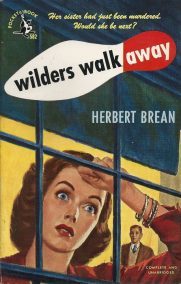
#260: Wilders Walk Away (1948) by Herbert Brean

wilders2bwalk2baway2b1At some point between 1940 and 1960, puzzle-oriented detective fiction began an inexorable shift into what has now become know as crime fiction, wherein plot machinations took a back seat and character, setting, and ambience became more prevalent.  Where detective fiction was mostly interested in the fiendish puzzle, crime fiction was more about the challenge to the status quo, and the effect this has on the people involved.  And Wilders Walk Away, Herbert Brean’s debut novel, might just be the perfect peak between the two, because I do not remember having read a puzzle that was so intricately invested in the status quo.  What emerges is necessarily a little confused about what it wants to be.

Continue reading