#1320: A Minor Operation (1937) by J.J. Connington


If the year 2020 will be remembered for anything, it will be that I bought a set of 18 J.J. Connington novels on eBay and started my way through them. Of those 18, only A Minor Operation (1937) — Connington’s sixteenth novel and the eleventh to feature Chief Constable Sir Clinton Driffield — showed any signs of being read, implying that this one book alone was bad enough for the seller to completely eradicate Connington from their shelves. Well, having finally reached this accurséd title, I really enjoyed it — finding it one of the strongest of Alfred Stewart’s books yet, only lacking in the final stretch with a too-casual reveal of our killer and a motive that’s perhaps a little too complex to really hit home.

Continue reading

#1249: Nine Times Nine (1940) by Anthony Boucher [a.p.a. by H.H. Holmes]

Nine Times Nine

star filledstar filledstar filledstar filledstars
“A man is shot in a room from which, apparently, no one could have made an exit. Now what’s the first rational possibility that strikes you?”.  It is the shooting of Wolfe Harrigan which Detective Lieutenant Terrence Marshall must solve: rationalist and exposure of religious chicanery Harrigan having apparently been shot by Ahasver, the yellow robe-wearing, centuries-old Wandering Jew who leads the Children of Light church in Los Angeles…and was on stage at the time of said shooting. And when the “rankly fantastic notion of a secret passageway” in Harrigan’s study is dismissed, what possible explanation can there be? Men don’t just vanish into thin air…

Continue reading

#1184: The Castleford Conundrum (1932) by J.J. Connington

Castleford Conundrum CW

star filledstar filledstar filledstarsstars
It is a truth universally accepted that an author with a sizeable output will probably vary their approach from time to time. And so, in his twelfth mystery novel to be published under his J.J. Connington nom de plume, Alfred Walter Stewart clearly decided that what his increasingly accomplished criminous schemes needed was more character — a little more personality on the part of the people affected. And thus The Castleford Conundrum (1932) positively overflows with delightful character beats which really bring the situation to life…except that they come at the expense of the criminous element, which feels lucky to come in second place where the book’s priorities are concerned.

Continue reading

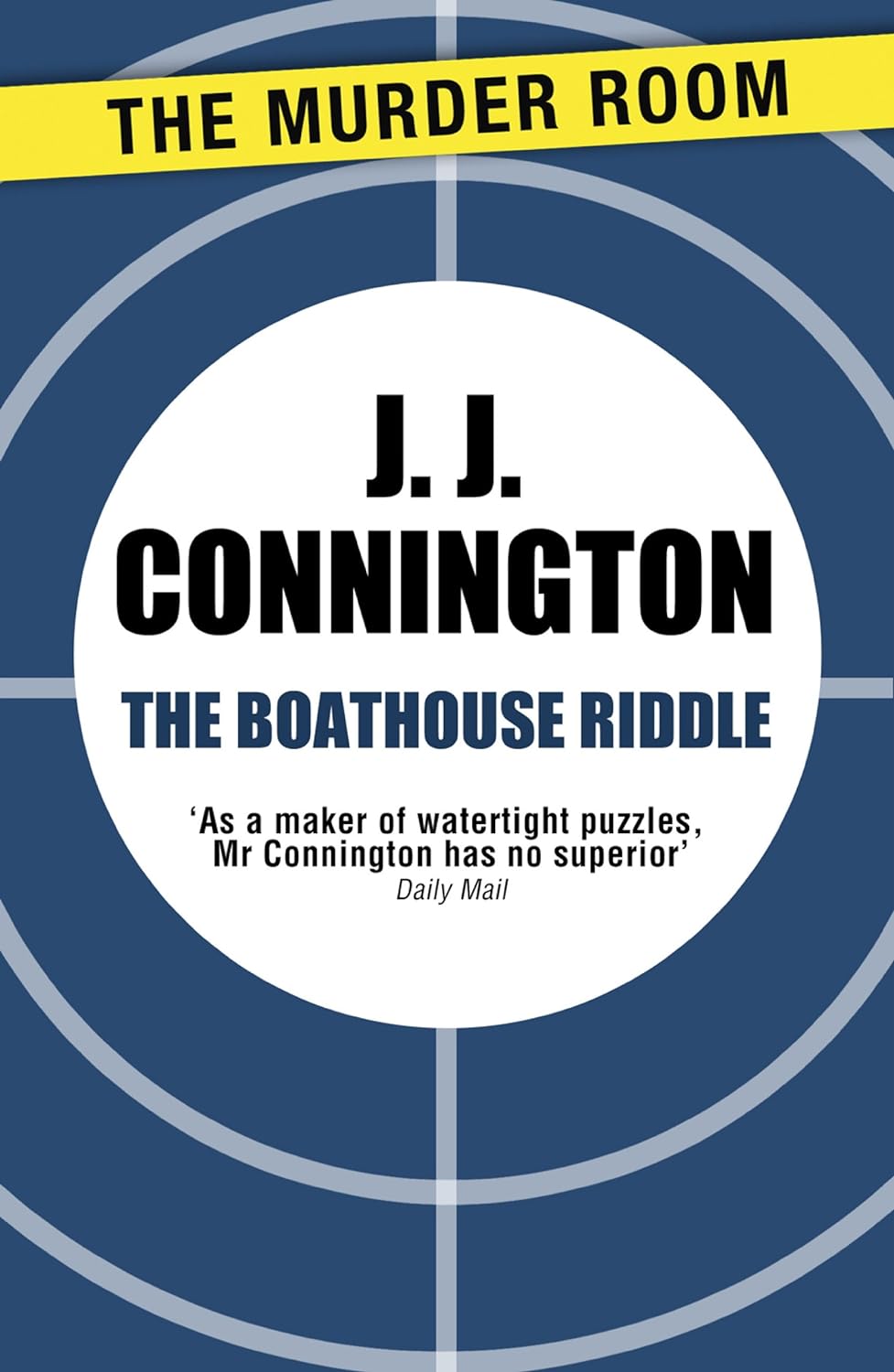
#1158: The Boathouse Riddle (1931) by J.J. Connington

Boathouse Riddle

star filledstar filledstar filledstar filledstars
Perhaps sensing limitations in the character after five novels, J.J. Connington seemed to retire Chief Constable Sir Clinton Driffield following Nemesis at Raynham Parva (1929) and wrote two novels of diverging quality featuring the bland Superintendent Ross. But, with Ross possibly not finding traction in either his creator’s mind or in that of the reading public, The Boathouse Riddle (1931) sees the return of Sir Clinton, large as life and unknowable as ever, as a murdered groundskeeper interrupts his holiday on the estate of his friend ‘Squire’ Wendover. And so, with nary a sigh, our detective rolls up his sleeves and gets to work…

Continue reading

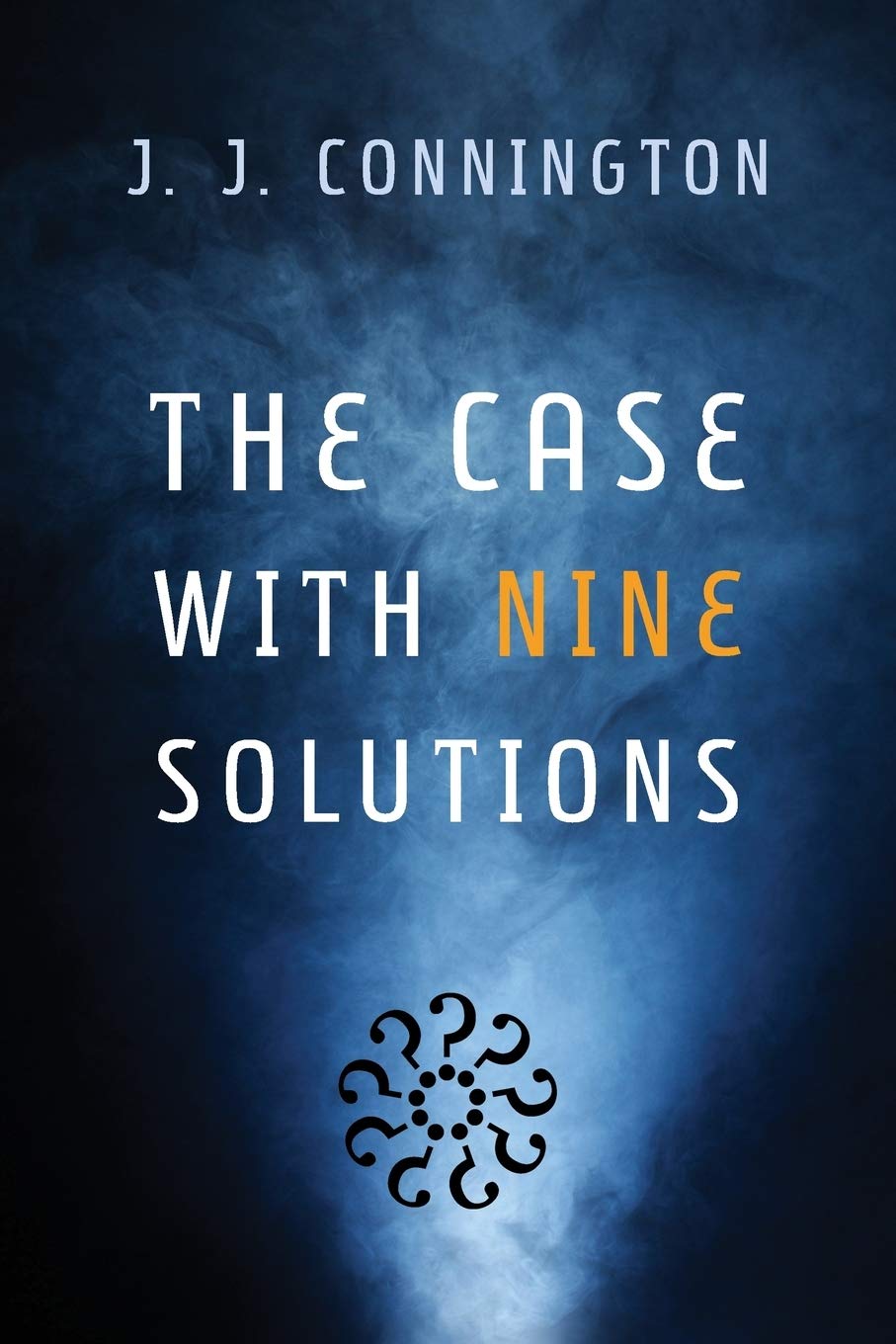
#1067: The Case with Nine Solutions (1928) by J.J. Connington

Case with Nine Solutions

star filledstar filledstar filledstar filledstars
Hard to believe, I know, but I had a life before this blog, and in that life I read The Case with Nine Solutions (1928) by J.J. Connington and was mildly disappointed that those ‘solutions’ were merely permutations on the interpretations put on two deaths and not a Poisoned Chocolates Case-esque reinterpretation of available information to give a nonet of distinct answers to explain away events.  Beyond that, I remembered very little about it and so, now more versed in Connington’s writing, I return — making this the fifth Connington novel I’ve read in the last 12 months, which is probably enough to convince me that I’m now a fan.

Continue reading

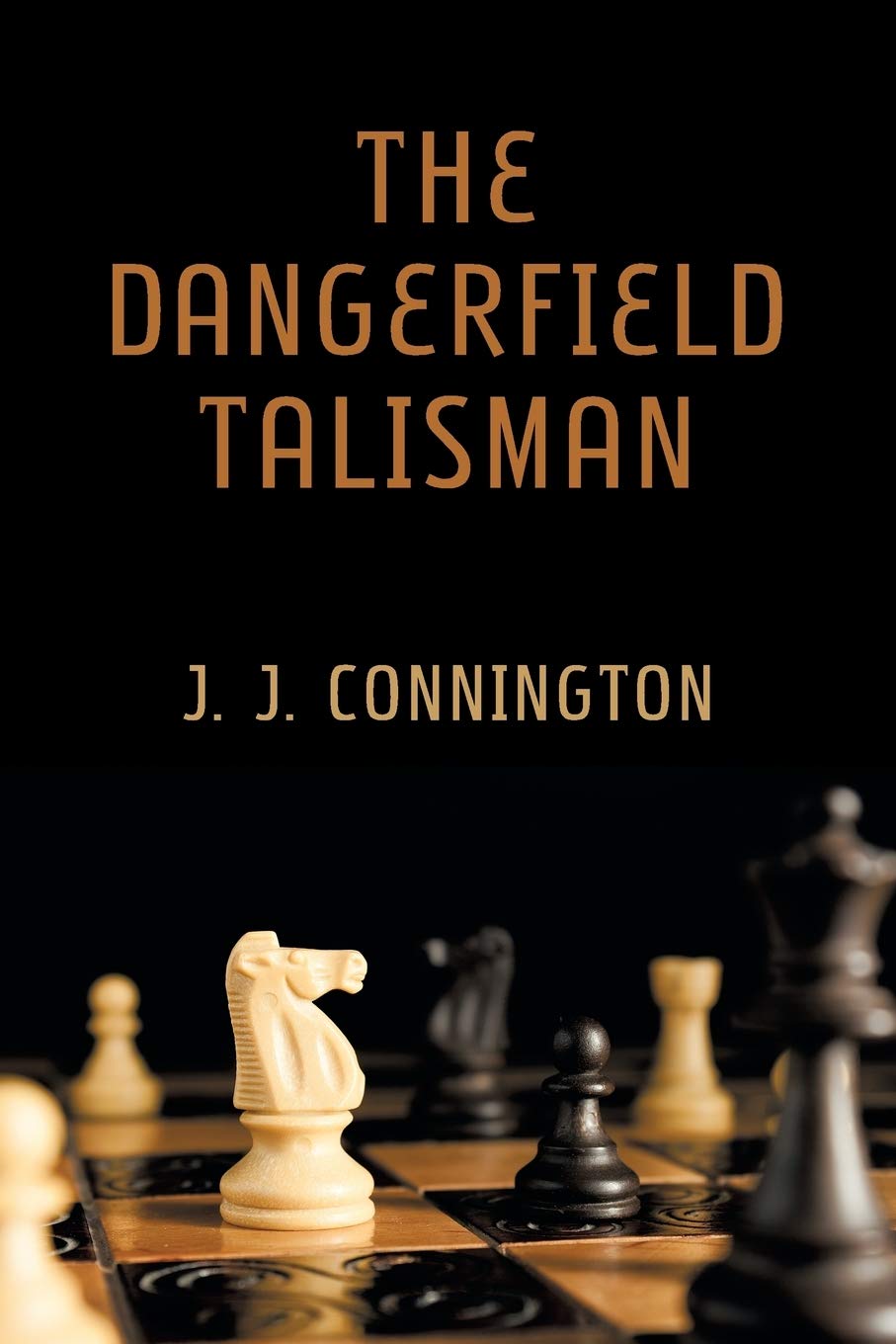
#978: The Dangerfield Talisman (1926) by J.J. Connington

Dangerfield Talisman

star filledstar filledstar filledstarsstars
I don’t normally read two books by the same author within at least a few months of each other, but I so enjoyed J.J. Connington’s criminous debut Death at Swaythling Court (1926) back in September that I was honestly champing at the bit to get back to more of his work. The Dangerfield Talisman, then, (1926) is Connington’s follow-up to Swaythling, with a completely new setting, cast, and conundrum. And Connington himself appears to have been equally keen to get to this one, possibly writing it in a mere seven weeks…and, if that was the case, it’s difficult not to wish that he’d spent a little longer over it.

Continue reading

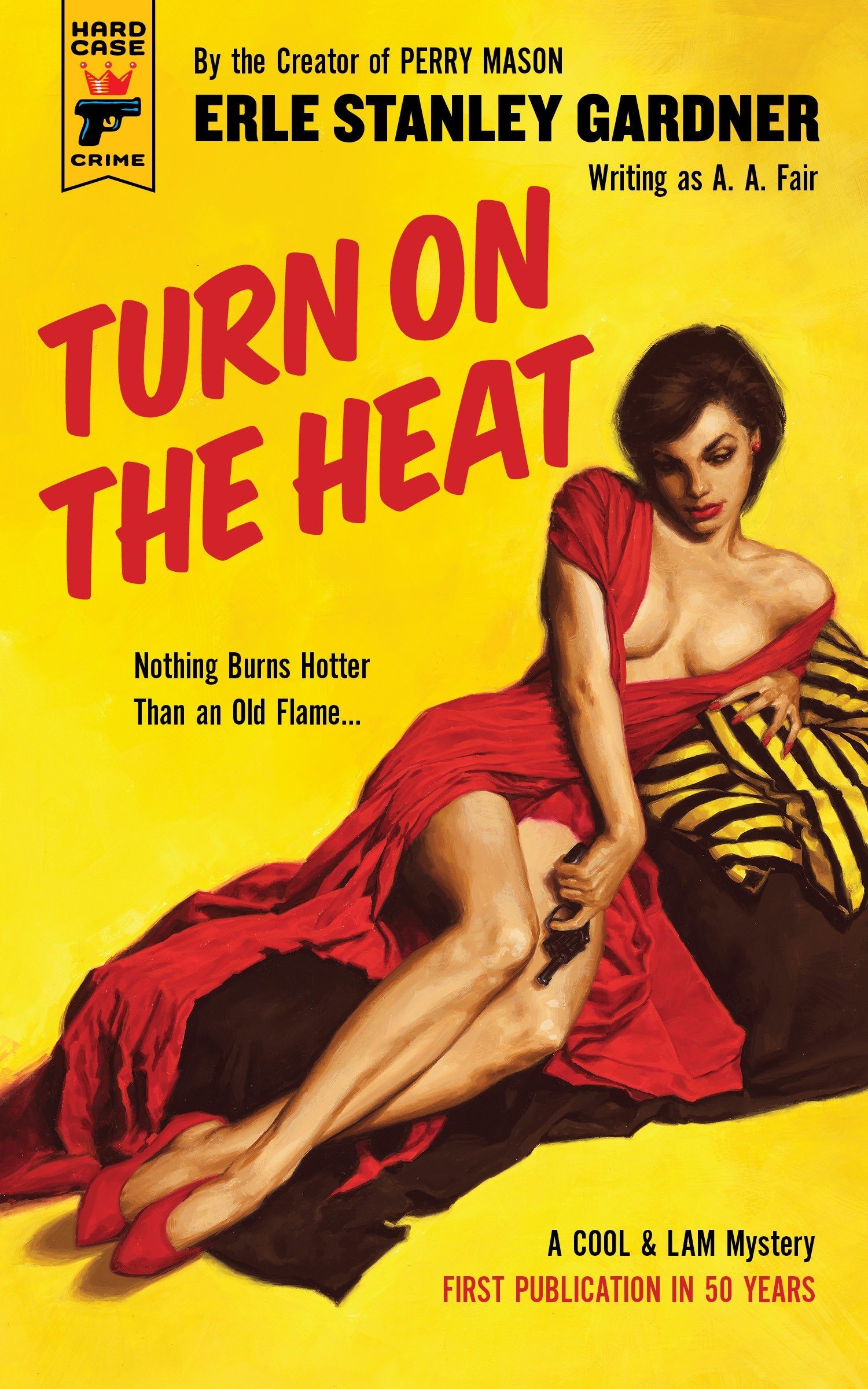
#936: Turn on the Heat (1940) by A.A. Fair

Turn on the Heat

star filledstar filledstar filledstar filledstars
Twenty-one years ago, Mrs. Amelia Lintig started divorce proceedings against her husband, naming the practice nurse at his surgery as co-respondent.  Before the matter could be resolved in court, Dr. Lintig and his nurse and Mrs. Lintig all took a powder and left the sleepy township of Oakview behind them, apparently for good.  And now, someone wants to hire the B.L. Cool Detective Agency to track down Mrs. Lintig for reasons of their own…a mission complicated by the discovery that quite a few people have been looking for Mrs. Lintig in recent months. And then some of those people start dying.

Continue reading

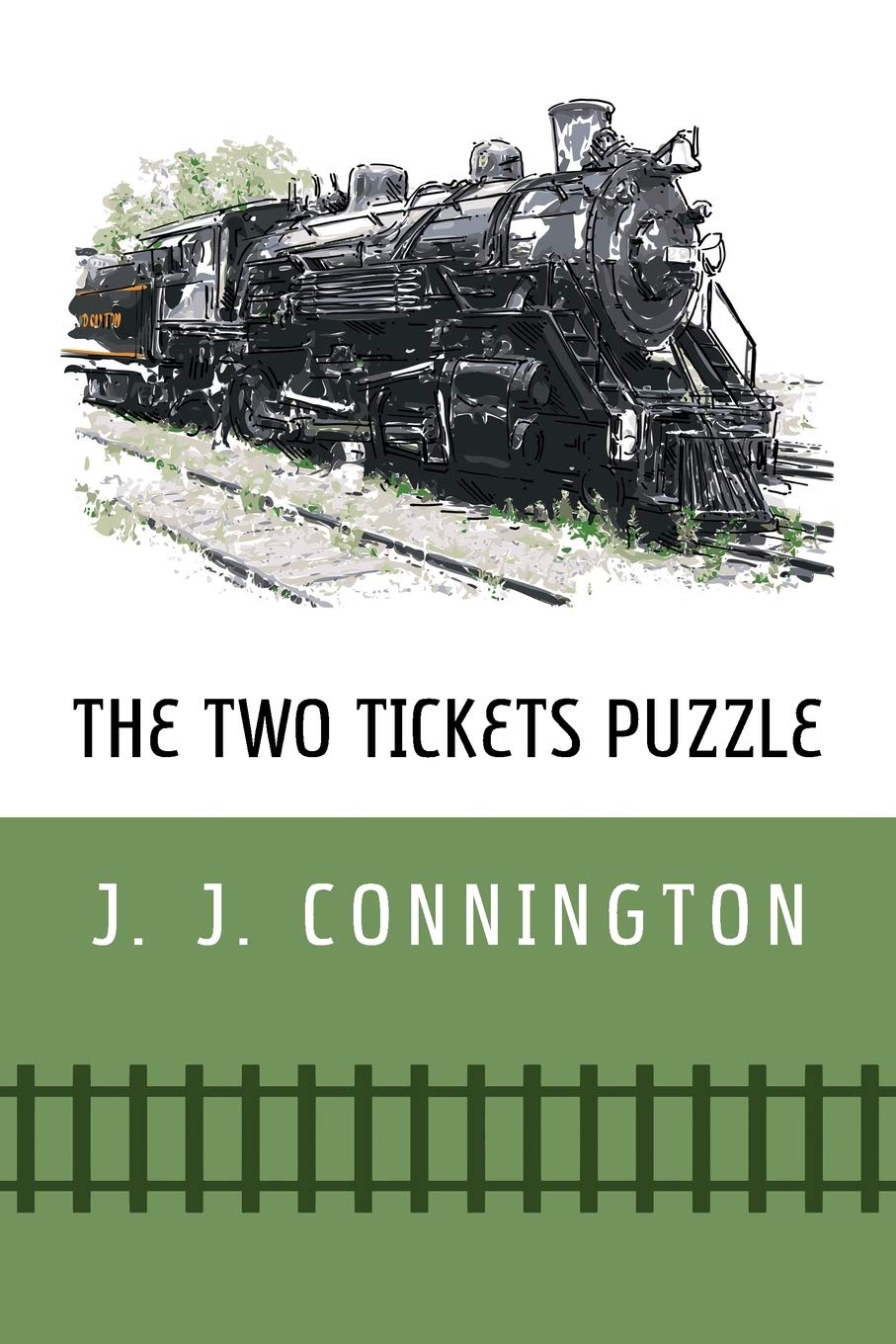
#915: The Two Tickets Puzzle, a.k.a. The Two Ticket Puzzle (1930) by J.J. Connington

Two Tickets CW

star filledstar filledstar filledstarsstars
I first encountered J.J. Connington’s two-book sleuth Superintendent Ross in his debut, The Eye in the Museum (1929), a novel I disliked so much I’ve banished from memory almost entirely.  It was to be hoped, then, that Ross’ valedictorian case The Two Tickets Puzzle (1930) would strike me more favourably — which, given the rate these Golden Age tyros produced mysteries (this is Connington’s ninth crime novel in just four years), didn’t seem too unlikely: quality is bound to vary wildly under intense output. And, sure enough, Ross’ final case is an improvement: clearer, better structured, and far more engaging.

Continue reading

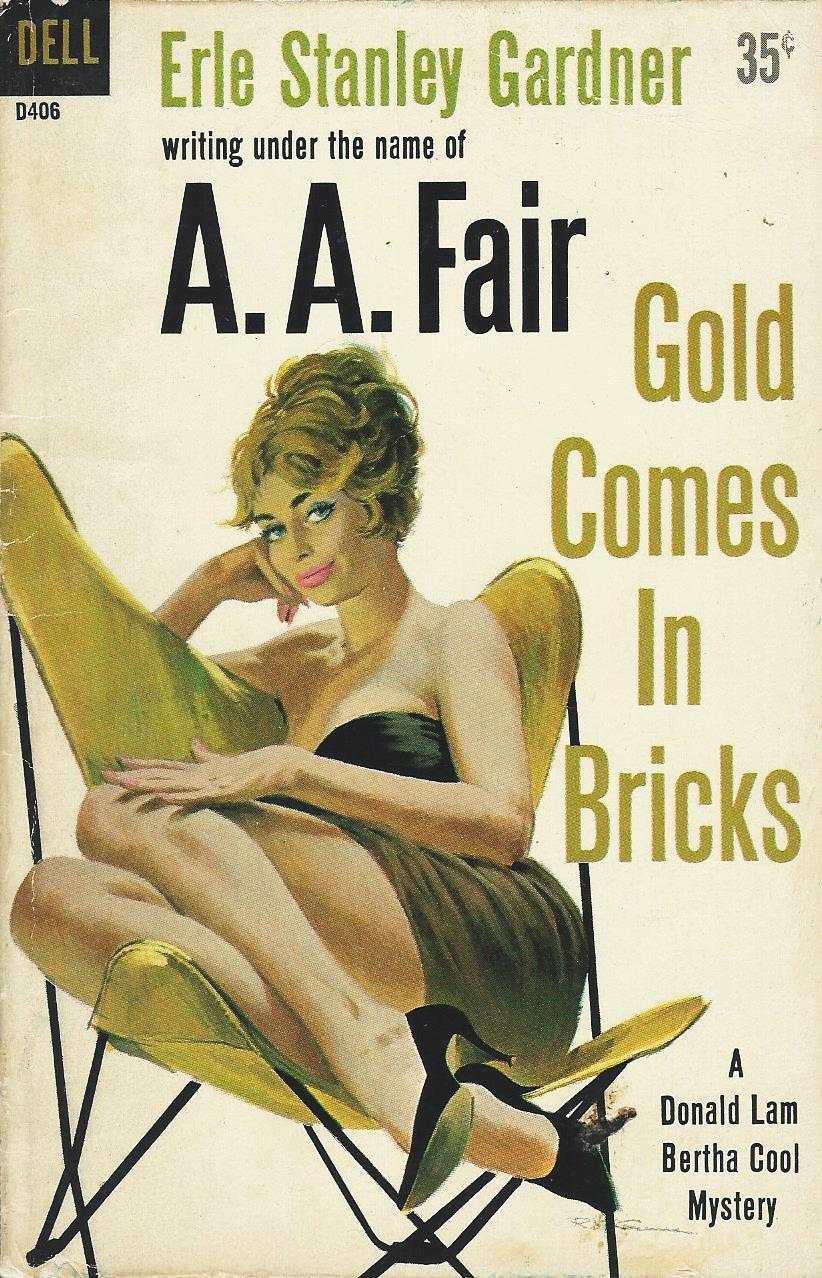
#815: Gold Comes in Bricks (1940) by A.A. Fair

Gold Comes in Bricks

star filledstar filledstar filledstarsstars
I wasn’t expecting to get a review out today, but a sleepless night and the ice-cube-on-an-oil-slick-fast prose of Erle Stanley Gardner combined to make Gold Comes in Bricks (1940), the official third entry in the Bertha Cool and Donald Lam series, fly past in no time at all. No, you didn’t miss anything, I haven’t yet reviewed the official second entry Turn on the Heat (1940) — I still don’t own about half of this series, having disposed of my original copies yeeeeears ago — I’ll try to fill in the gaps in my collection and reintroduce chronology from now on. Did I mention my sleepless night? Distraction was needed, and Gardner always delivers in that regard.

Continue reading

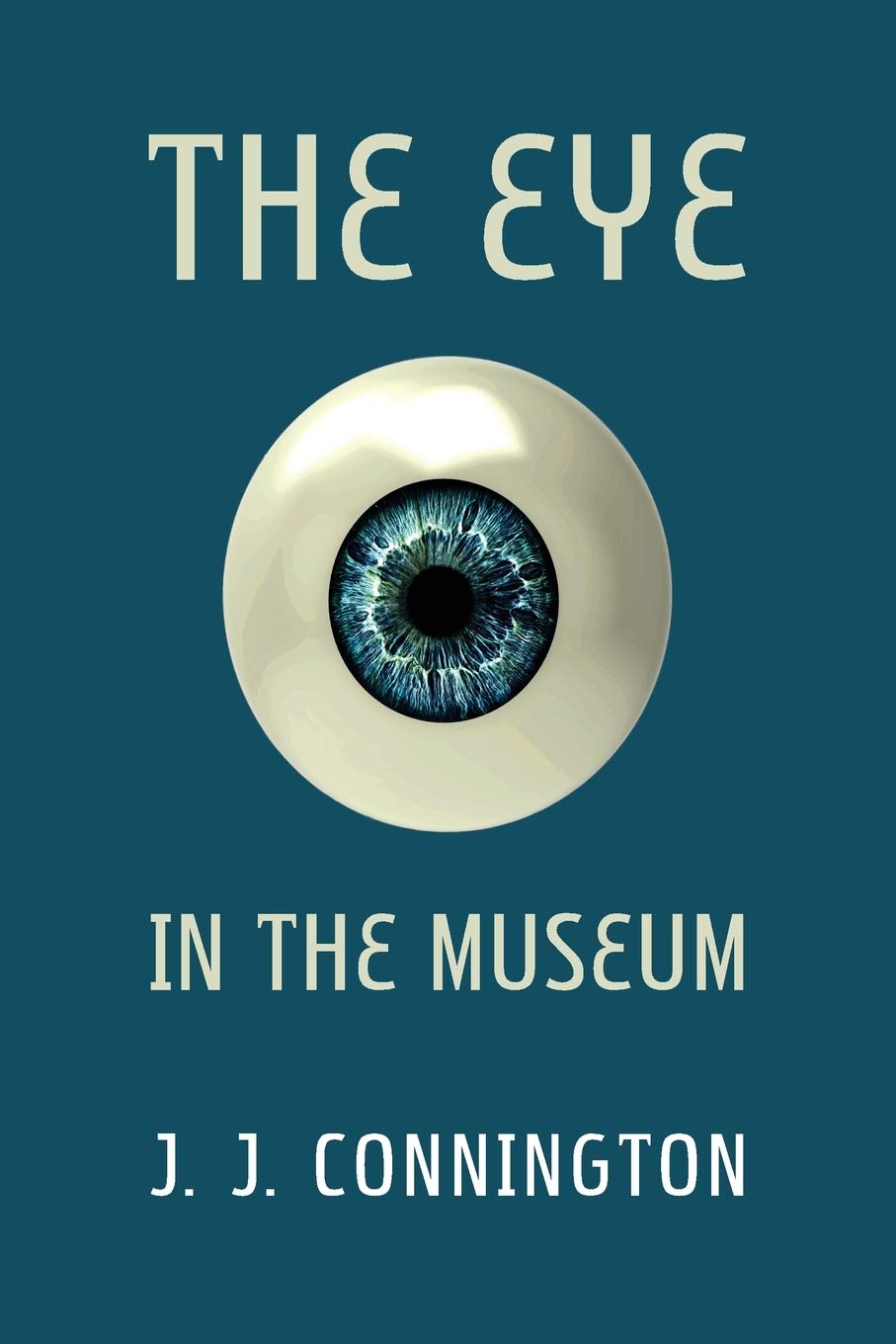
#794: The Eye in the Museum (1929) by J.J. Connington

Eye in the Museum

star filledstarsstarsstarsstars
Having recently discussed with Martin Edwards the efforts writers can go to in order to keep things fresh, I can understand how, after five books in three years featuring Sir Clinton Driffield as sleuth, J.J. Connington would fancy a change. This might be unfair to Driffield, however, for the simple fact that the plot Connington cooked up for The Eye in the Museum (1929) is about the dullest thing anyone would put on paper in that decade. With interview after interview after interview after interview, we’re not Dragging the Marsh (© Brad Friedman) so much as dying inside. No, that’s not clever; this book has left me unable to care.

Continue reading