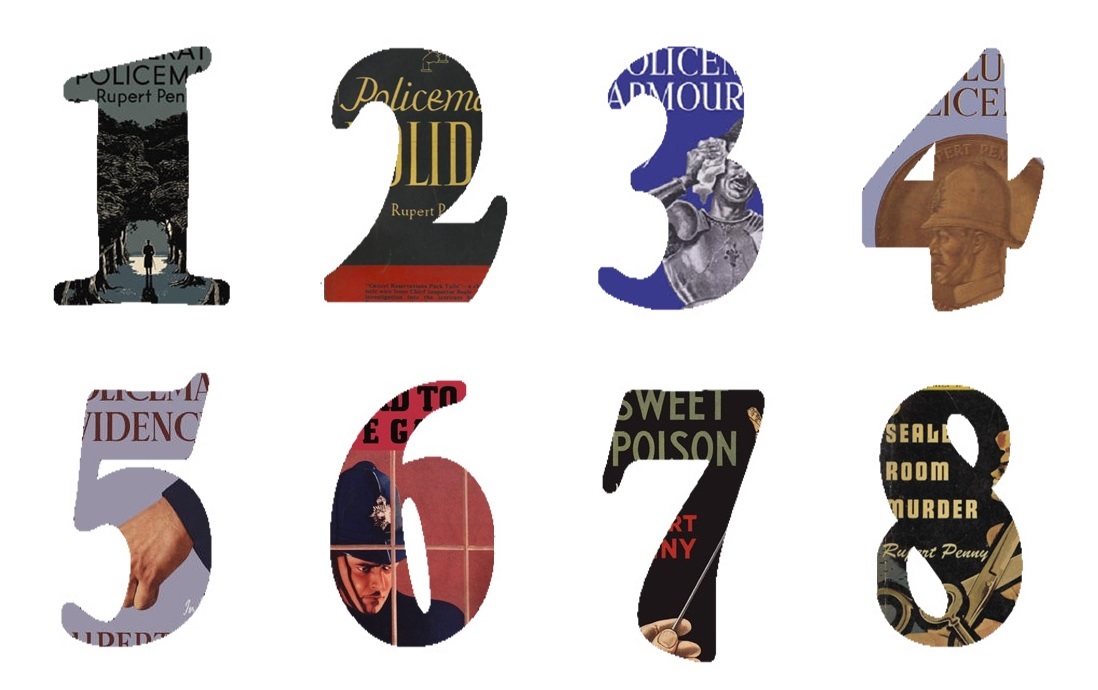
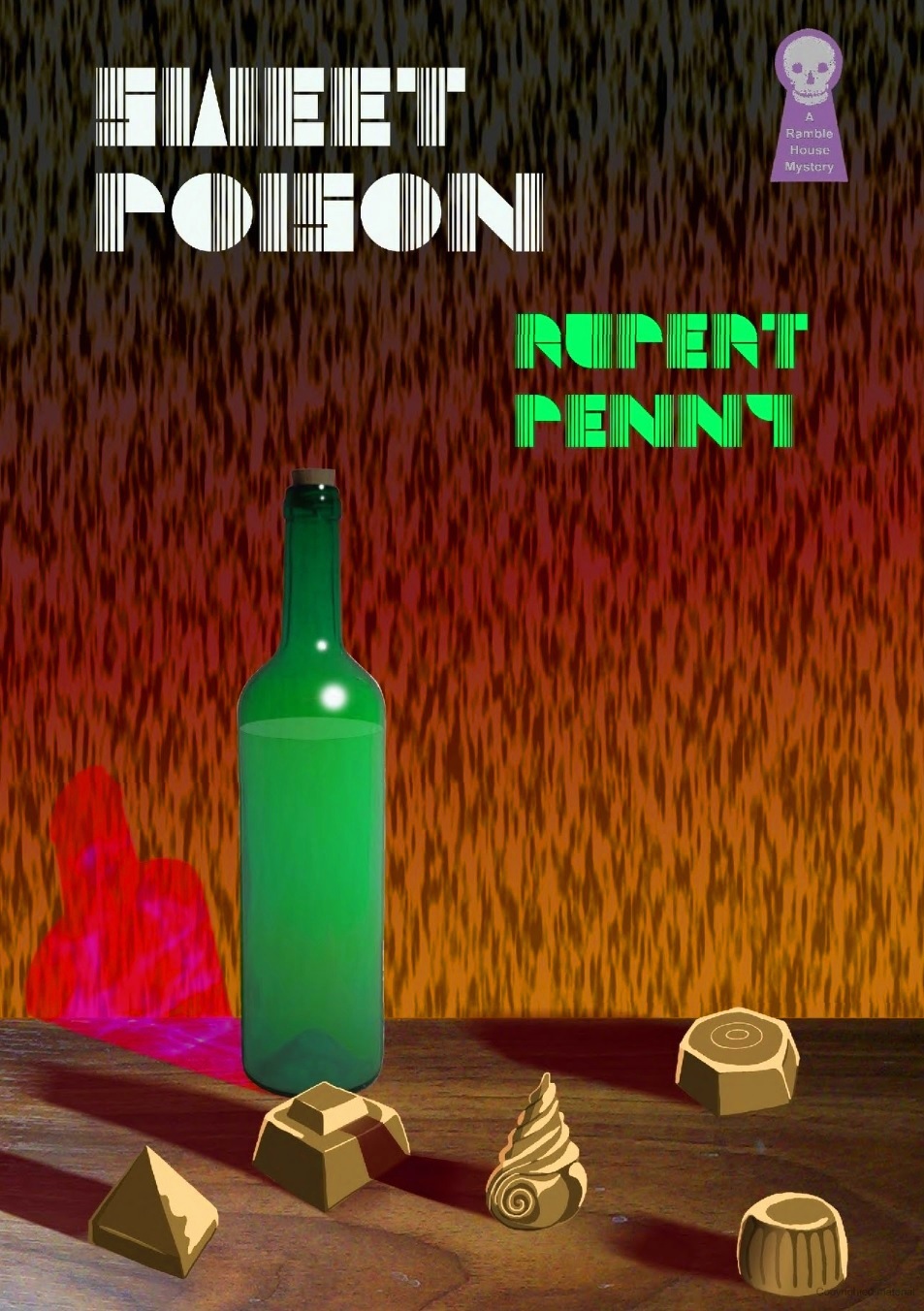
I’m pretty sure that Sealed Room Murder (1941), the eighth and final novel by Rupert Penny to feature Chief Inspector Edward Beale, was only the second-ever book I read from Ramble House, and it made me an instant fan of Penny. So now I return to it to get my thoughts on record, and see whether I’ve been remiss in singing its praises for all these years.
Continue readingRupert Penny
#1119: Here a Star, and There a Star – My Ten Favourite Ramble House Novels
It looks like I might be making these ‘Ten Favourite…’ lists a thing, having previously done fictional detectives and British Library reissues; today, we turn our attention to the great work done by Ramble House, publishers of an unusual mix of crime and weird fiction.
Continue reading#1044: To Foe of Theirs I’m Deadly Foe… – My Ten Favourite Literary Detectives
Perhaps April Fool’s Day isn’t the best scheduling of this post, but the recent experience of dragging my way through Helen Vardon’s Confession (1922) by R. Austin Freeman got me thinking about the literary detectives I’d follow to hell and back, and I figured that it might be worth expanding upon.
Continue reading#1000: A Locked Room Library – One Hundred Recommended Books
In the back of my mind when I started The Invisible Event was the idea that exactly half of what I’d post about would feature impossible crimes, locked room mysteries, and/or miracle problems — and although this proportion started an irreversible slide after the first 500 or so posts, the impossible crime remains my first love.
Continue readingIn GAD We Trust – Episode 25: Fair Play and the Nomenclature of Golden Age Detective Fiction [w’ Scott K. Ratner]
Gutsy of me to suggest, on my site dedicated to the discussion of Golden Age detective fiction, that a lot of the terminology used to talk about these stories is incorrect, eh? Well, thankfully I’m not the one trying to convince you; that job falls to Mr. Scott K. Ratner.
Continue reading#808: Reflections on Detection – The Knox Decalogue 8: Declaration of Clues
Twenty months ago I set out to examine each of the ten rules in Ronald Knox’s detective fiction decalogue in laborious detail; this month, that project will finally be completed. Then I can finally return to The Criminous Alphabet, eh?
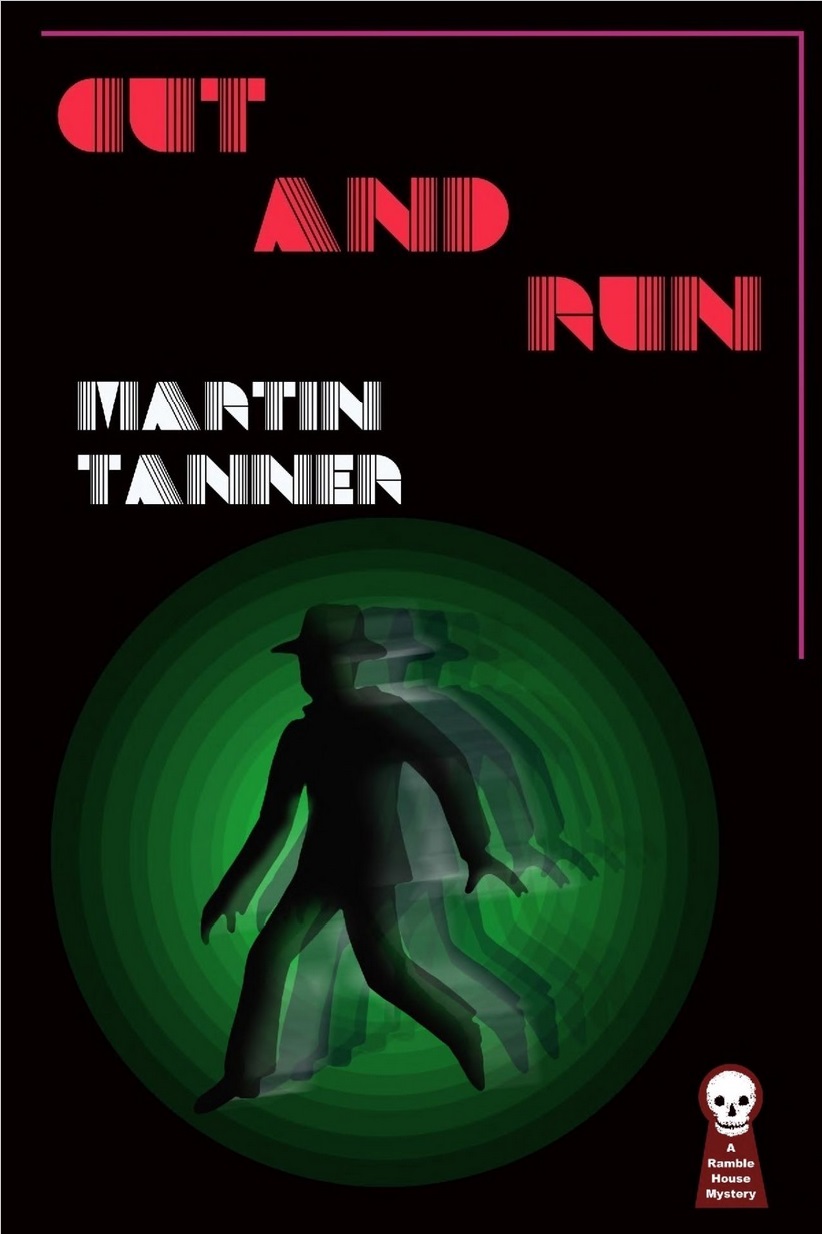
Continue reading#673: Cut and Run (1941) by Martin Tanner


We tend to take it for granted that authors like John Dickson Carr and John Rhode created noms de plume effectively to enable them to produce double the amount of their usual fiction. Central character names aside, Rhode’s works don’t really differ from ‘Miles Burton’s nor Carr’s from that of ‘Carter Dickson’. You’d think they’d want a day off every now and then (and their critics might suggest they could have used one). One would expect a new identity to be quite freeing — see Agatha Christie occasionally escaping into the social concerns of ‘Mary Westmacott’, or Anthony Berkeley rearranging his palette as ‘Francis Iles’ — a chance to experiment in private, as it were.
Continue reading
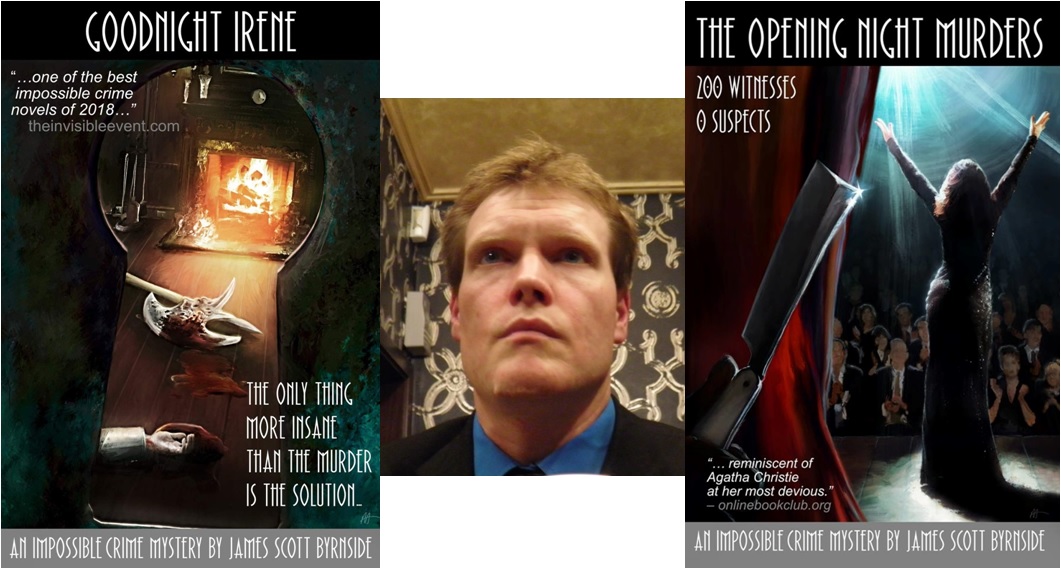
#533: “Magicians have an advantage; they never have to reveal the trick” – An Interview with James Scott Byrnside

Back in December 2015 I read and reviewed Matt Ingwalson’s first two self-published Owl and Raccoon novellas and, impressed with their quality, undertook what has since become my Adventures in Self-Publishing in which I work through impossible crime fiction following a non-trad route to its audience.
Continue reading
#512: Policeman’s Lot – Ranking the Edward Beale Novels of Rupert Penny