#1347: The Secret of the Downs (1939) by Walter S. Masterman


When young Frank Conway returns to his hotel on the edge of the South Downs one evening in a distracted frame of mind, none of the other denizens of the Fernbank think much of it. His request for an audience with various people are rejected in the rush for dinner and when, over that same meal, Conway dies in an agonising and protracted manner, many of the people present begin to regret their thoughtlessness. Conway’s final movements then fall under the remit of local man Inspector Baines, and, with the dead man’s sister also in attendance, two parallel investigations are run…but which will bear fruit first? And how does the sighting of a ghastly half man, half monster on the Downs tie into events?

Continue reading

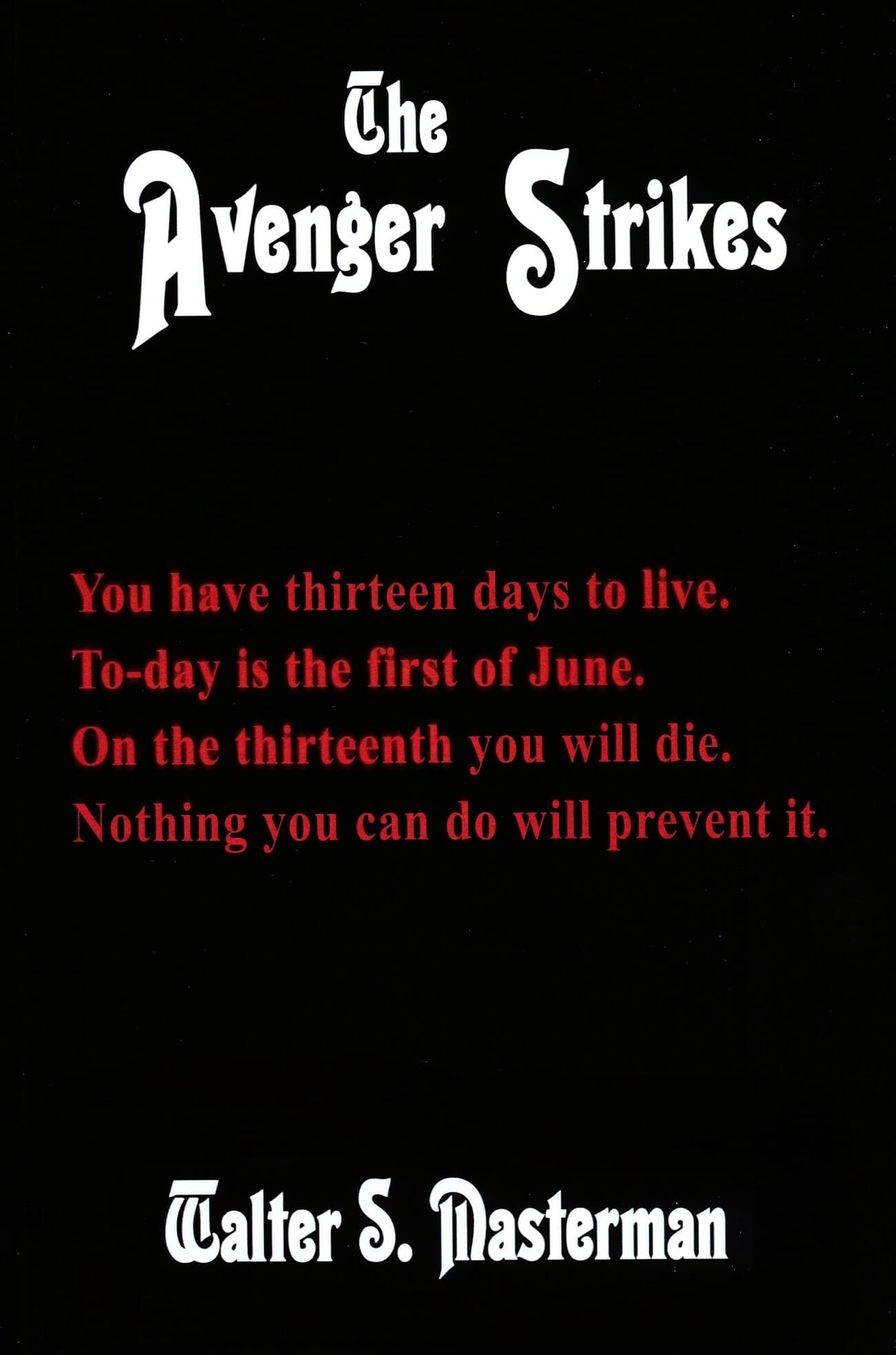
#1302: The Avenger Strikes (1936) by Walter S. Masterman


Not to split hairs, but if you receive an anonymous note on the 1st June telling you that you have thirteen days to live, the person threatening your life is going to kill you on 14th June, not the 13th. Either way, the wealthy George Hayling waits the best part of a week, receiving one note a day along similar lines — including a threat to poison his dog, which is duly carried out — before consulting the police. As luck would have it, he’s ushered into the office of Chief Inspector Floyd just as that worthy is completing a discussion with the esteemed Sir Arthur Sinclair, and something about Hayling’s case piques Sinclair’s interest. Only, with so little time remaining, can Sinclair keep the man alive?

Continue reading

#1281: The Lady’s in Danger (1955) by Norman Berrow


Norman Berrow’s literary output presents very much like the little girl with the curl in the middle of her forehead: when he’s good he’s The Three Tiers of Fantasy (1947) and The Footprints of Satan (1950), but when he’s bad he’s Words Have Wings (1946) or The Singing Room (1948). And after a few reading experiences so tedious that I didn’t finish them, never mind review them on the blog, a break was needed. Three years without reading a word by the man, then, we return with The Lady’s in Danger (1955), which lacks for detection but is nevertheless a very enjoyable little thriller, and a fun time thanks to its author’s familiarity with so many of the tropes he deploys.

Continue reading

#1257: Death Turns Traitor (1935) by Walter S. Masterman


Death Turns Traitor (1935) is the eleventh book by Walter S. Masterman that I’ve read, and I still don’t know what to make of him. The context of the idea herein — that in 1935 the powers of Europe have agreed a secret treaty to preclude war, yet an influential German secret society called the DUA is doing its best to foment discontent and push the continent over the edge — is fascinating, and Masterman writes some affectingly moody prose, but somehow the two just don’t quite come together. The shortfall is, perhaps, an absence of incident to fill out these 60,000 words, rendering much of what passes somewhat telescoped and thus veering into tediousness.

Continue reading

#1198: The Nameless Crime (1932) by Walter S. Masterman

Nameless Crime

star filledstar filledstarsstarsstars
I’ve read a lot of middle-of-the-road books lately, so thought I’d take away the pressure of expecting something to be good and read an author who is, at the very least, usually entertaining if nothing else.  And so The Nameless Crime (1932), the next Walter S. Masterman title on my TBR, comes into its own. Masterman’s Victorian tendencies — you can imagine his novels filmed in flickery black and white, with title cards for dialogue — prove oddly comforting, despite his plot structure at time leaning into the more infuriating end of the spectrum, and any preconceptions going in tending to get lost in the melee.  So how do we fare this time around? Not well.

Continue reading

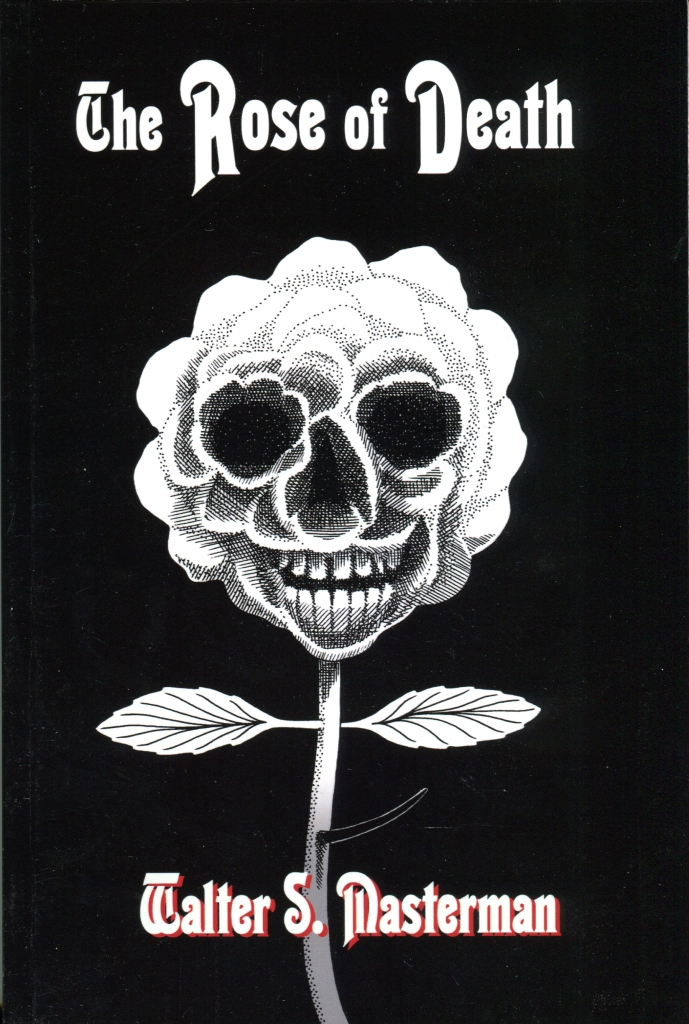
#1140: The Rose of Death (1934) by Walter S. Masterman

Rose of Death

star filledstar filledstarsstarsstars
An Englishman, an Irishman, and a Scotsman meet at university, where they form a club with the intention of talking about unsolved crimes. Several years later, in the manner of these undertakings in fiction, they stumble upon a fresh case and decide to take it on…only to realise that they’re mixed up in something Much Bigger Than They Imagined. Fortunately, Hugh Marsden is the ward of legendary Scotland Yard man Sir Arthur Sinclair (ret’d.) and they’re able to enlist that great personage in their predicament. Less fortunately, Sinclair has been ill for some years now, and his powers appear to be on the wane. And danger circles ever-closer…

Continue reading

#1133: “I would detect with dignity or not at all.” – Sealed Room Murder (1941) by Rupert Penny

I’m pretty sure that Sealed Room Murder (1941), the eighth and final novel by Rupert Penny to feature Chief Inspector Edward Beale, was only the second-ever book I read from Ramble House, and it made me an instant fan of Penny. So now I return to it to get my thoughts on record, and see whether I’ve been remiss in singing its praises for all these years.

Continue reading

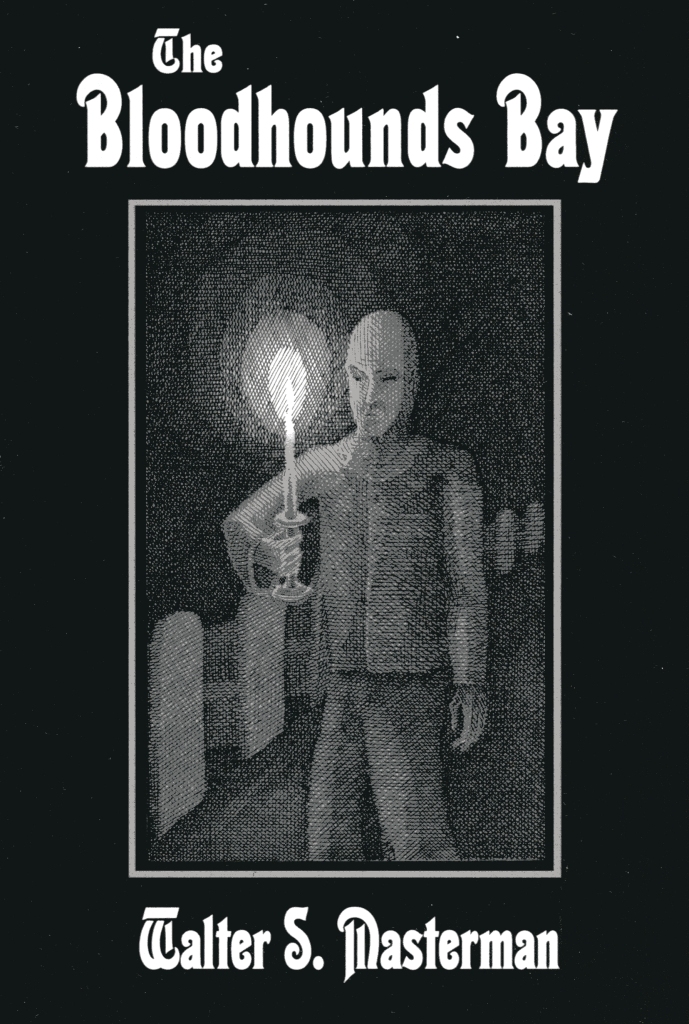
#1091: The Bloodhounds Bay (1936) by Walter S. Masterman

Bloodhounds Bay

star filledstar filledstar filledstar filledstars
Jack Reid, posing for the last few weeks as a holidaying artist, breaks into Severinge Abbey one night with the intent of relieving its chapel of its more valuable contents, only to half-witness in the darkness the murder of Lord Henry Severinge by an unknown hand. Feigning ignorance, Reid returns to the Abbey the next day to find that the body has disappeared, and suggests that they use the bloodhounds of the Severinge’s neighbour Colonel Graham to track down the missing man. When the body is discovered in an Ellery Queenian hiding place, the small matter of who could plan such a diabolical crime, and to what end, comes into question.

Continue reading

#1019: Back from the Grave (1940) by Walter S. Masterman

Back from the Grave

star filledstar filledstar filledstarsstars
In the London suburb of Balham, stark among the red-brick villas that stand like “lines of red cabbage in a field”, can be found the “ugly and squat” house Bloomfield, the one-time home of Mr. Peabody which contains within its high surrounding wall some three acres of land and presents a “forlorn appearance” to the world. Following the death of its elderly owner, who refused to sell out to the “rising tide of suburbia” and insisted the house and land be kept together, Bloomfield stands empty for many months until the mysterious Dr. Cox arrives on the scene and takes possession — refusing to answer any queries about himself or his work, much to the frustration of the local busybodies.

Continue reading