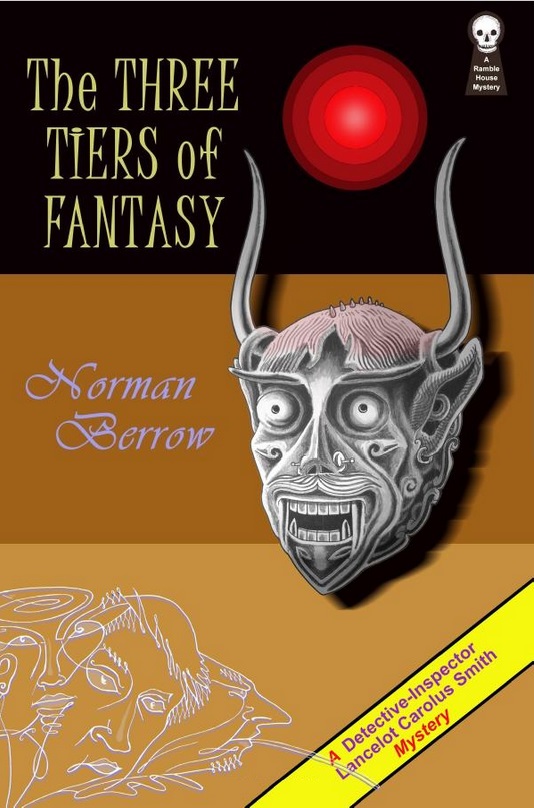
It looks like I might be making these ‘Ten Favourite…’ lists a thing, having previously done fictional detectives and British Library reissues; today, we turn our attention to the great work done by Ramble House, publishers of an unusual mix of crime and weird fiction.
Continue readingRamble House
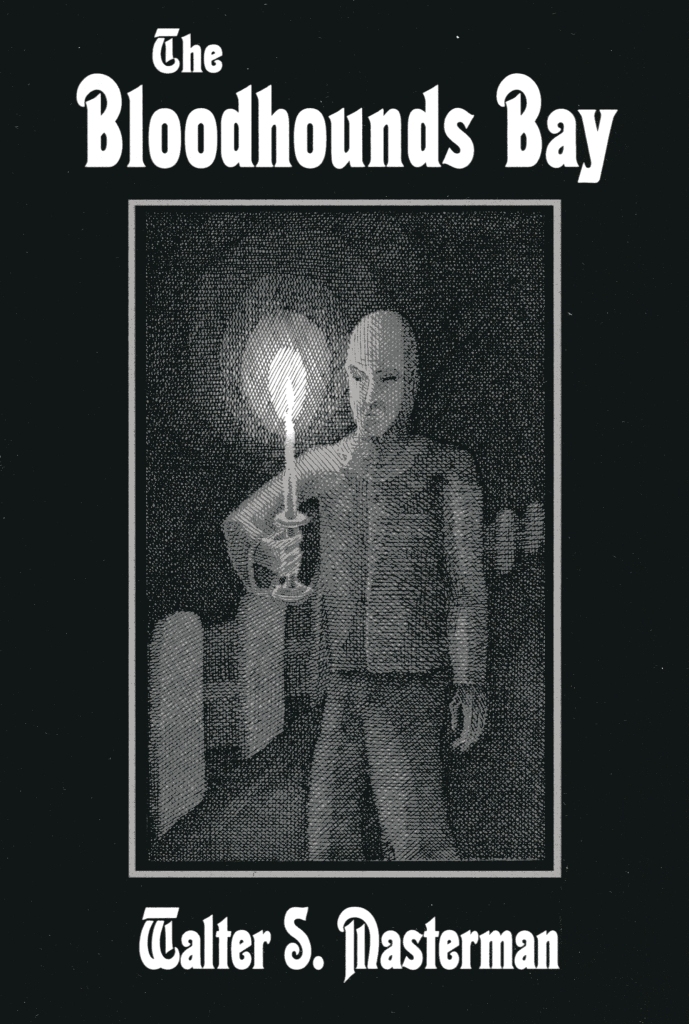
#1091: The Bloodhounds Bay (1936) by Walter S. Masterman

![]()
![]()
![]()
![]()
![]()
Jack Reid, posing for the last few weeks as a holidaying artist, breaks into Severinge Abbey one night with the intent of relieving its chapel of its more valuable contents, only to half-witness in the darkness the murder of Lord Henry Severinge by an unknown hand. Feigning ignorance, Reid returns to the Abbey the next day to find that the body has disappeared, and suggests that they use the bloodhounds of the Severinge’s neighbour Colonel Graham to track down the missing man. When the body is discovered in an Ellery Queenian hiding place, the small matter of who could plan such a diabolical crime, and to what end, comes into question.
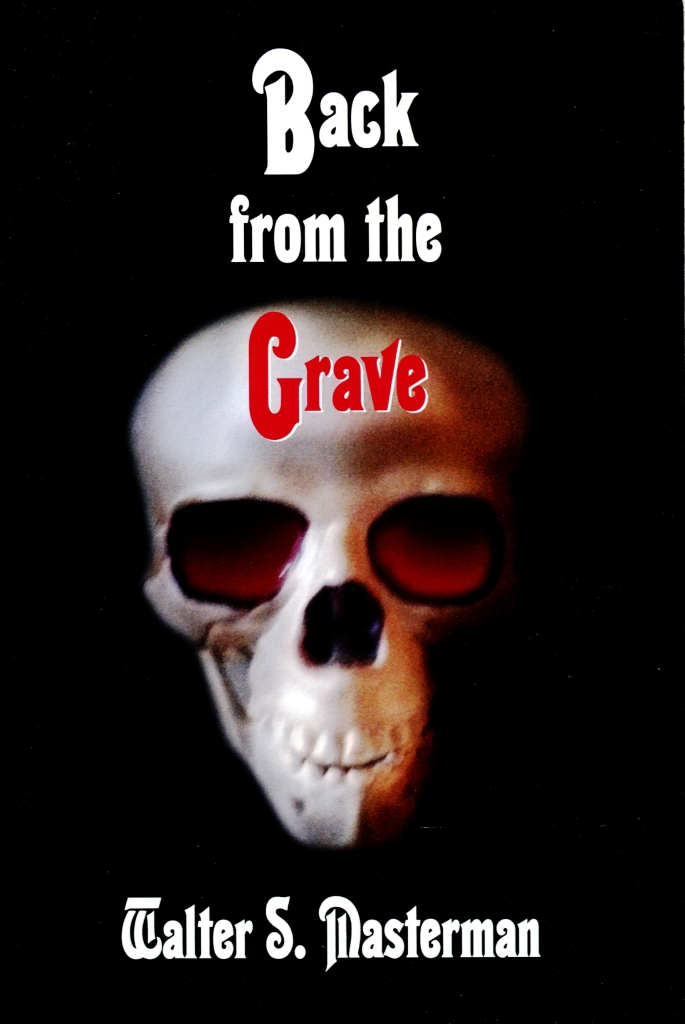
#1019: Back from the Grave (1940) by Walter S. Masterman

![]()
![]()
![]()
![]()
![]()
In the London suburb of Balham, stark among the red-brick villas that stand like “lines of red cabbage in a field”, can be found the “ugly and squat” house Bloomfield, the one-time home of Mr. Peabody which contains within its high surrounding wall some three acres of land and presents a “forlorn appearance” to the world. Following the death of its elderly owner, who refused to sell out to the “rising tide of suburbia” and insisted the house and land be kept together, Bloomfield stands empty for many months until the mysterious Dr. Cox arrives on the scene and takes possession — refusing to answer any queries about himself or his work, much to the frustration of the local busybodies.
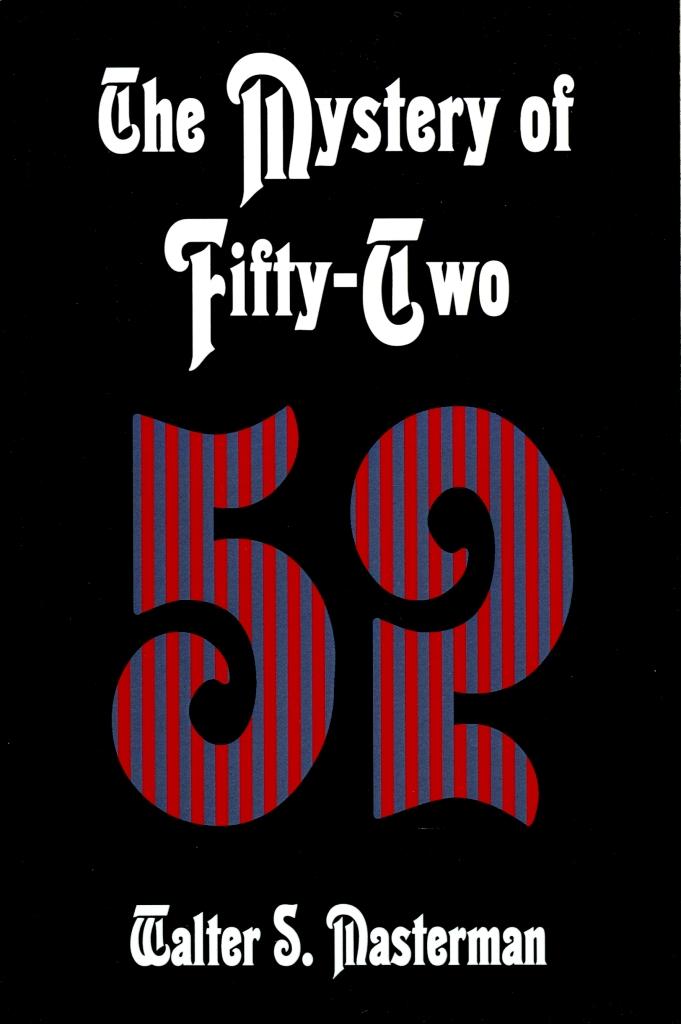
#966: The Mystery of Fifty-Two (1931) by Walter S. Masterman

![]()
![]()
![]()
![]()
![]()
One stormy evening, the nebbishy, unworldly Alfred Austin of 57 Caldwell Road is phoned up and asked to take a message to his neighbour Mr. Carey at number 52, only to fight his way through the wind and the rain to be told upon arrival that no-one of that name lives there. When Austin’s wife arrives home later that same evening, she informs him that no-one of any name lives there, as the house has been empty since being built a year previously. The following morning, Alf sees a man with bloody hands leaving number 52 shortly before a dead body is discovered within…and that’s just the beginning of his problems.
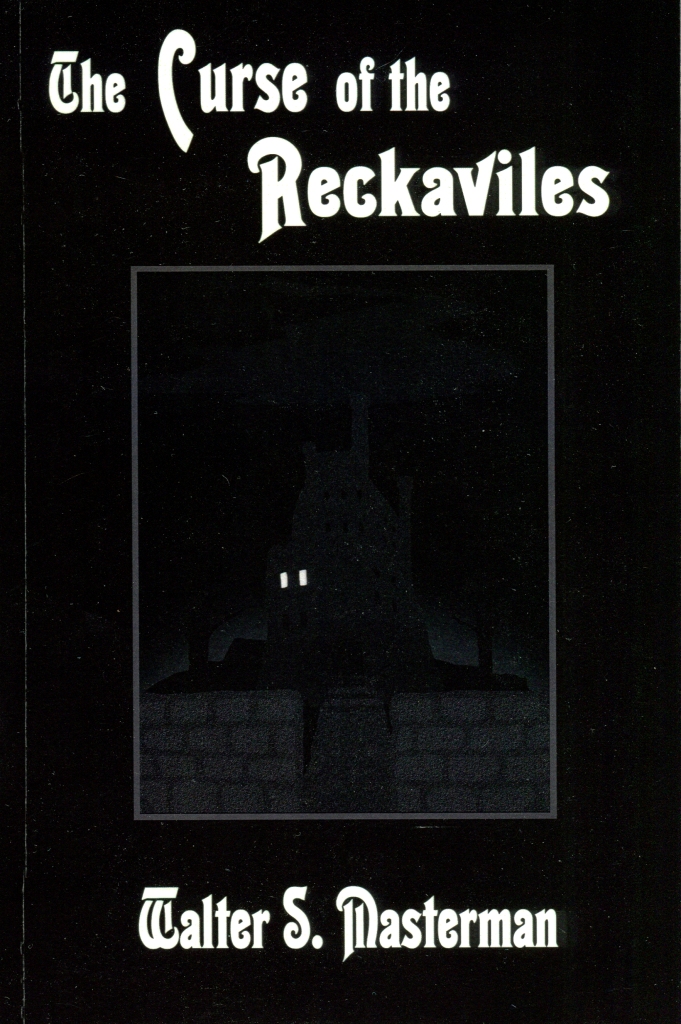
#924: The Curse of the Reckaviles, a.k.a. The Crime of the Reckaviles (1927) by Walter S. Masterman

![]()
![]()
![]()
![]()
![]()
How to explain my fascination with the work of Walter S. Masterman? The five books I’ve read so far are all written in a sprawling, loose style evoking detective fiction’s Victorian forebears — as if actually penned in the 1880s and discovered in a trunk before being published during the genre’s Golden Age — and the consequent veering of his plots should vex me immensely. And yet I keep returning to these Ramble House reprints because there’s something fascinating about Masterman’s insistence on writing books in this style despite the genre accelerating away from him. I mean, RH have published twenty-five of his novels…so he was hardly a flash in the pan.
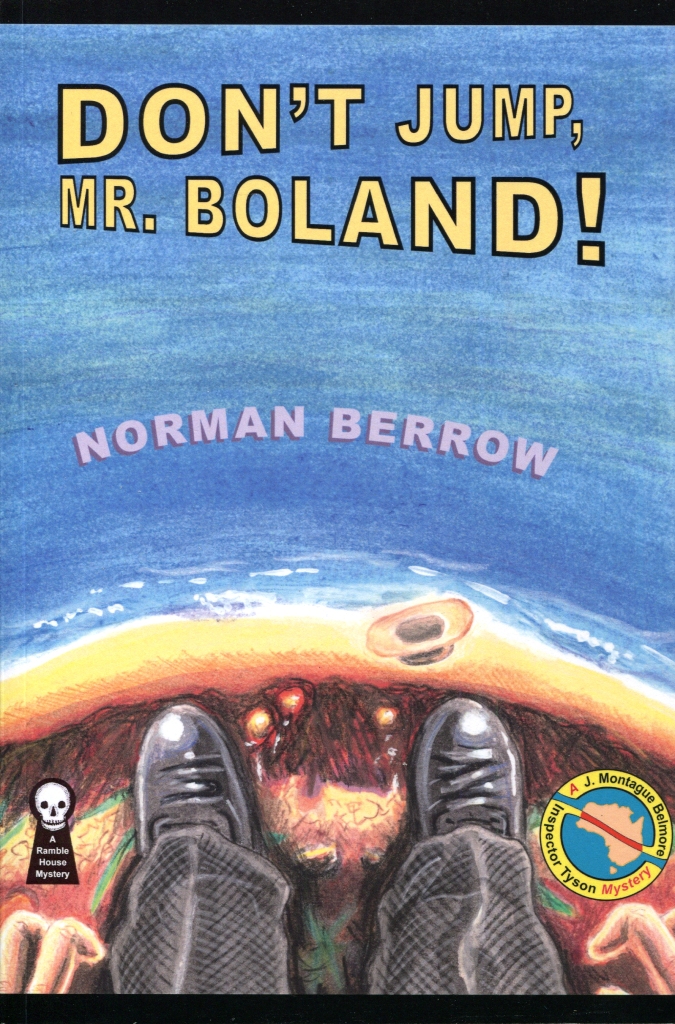
#882: Don’t Jump, Mr. Boland! (1954) by Norman Berrow

![]()
![]()
![]()
![]()
![]()
I’m in a confusing place with my reading of Norman Berrow. I was sure that the break he took during WW2 would result in his post-1945 work being far superior — and it largely is — but the likes of Words Have Wings (1946), The Singing Room (1948), and The Eleventh Plague (1953) proved too tedious to finish. And now Don’t Jump, Mr. Boland! (1954) is similarly bland and thin, and I have anywhere between three and seven books of his left to read. We expect authors with long careers to fade away towards the end, but Berrow’s inconsistency is bizarre in how unguessable his quality is. At even his second best he’s lithe and fun, so today let’s examine this failure.
In GAD We Trust – Episode 19: Reissue! Repackage! Repackage! [w’ Various People]
On the back of the Reprint of the Year Award run by Kate at CrossExaminingCrime, I thought it might be interesting to see what those of us who submit titles for that undertaking would choose to bring back from the exile of being OOP.
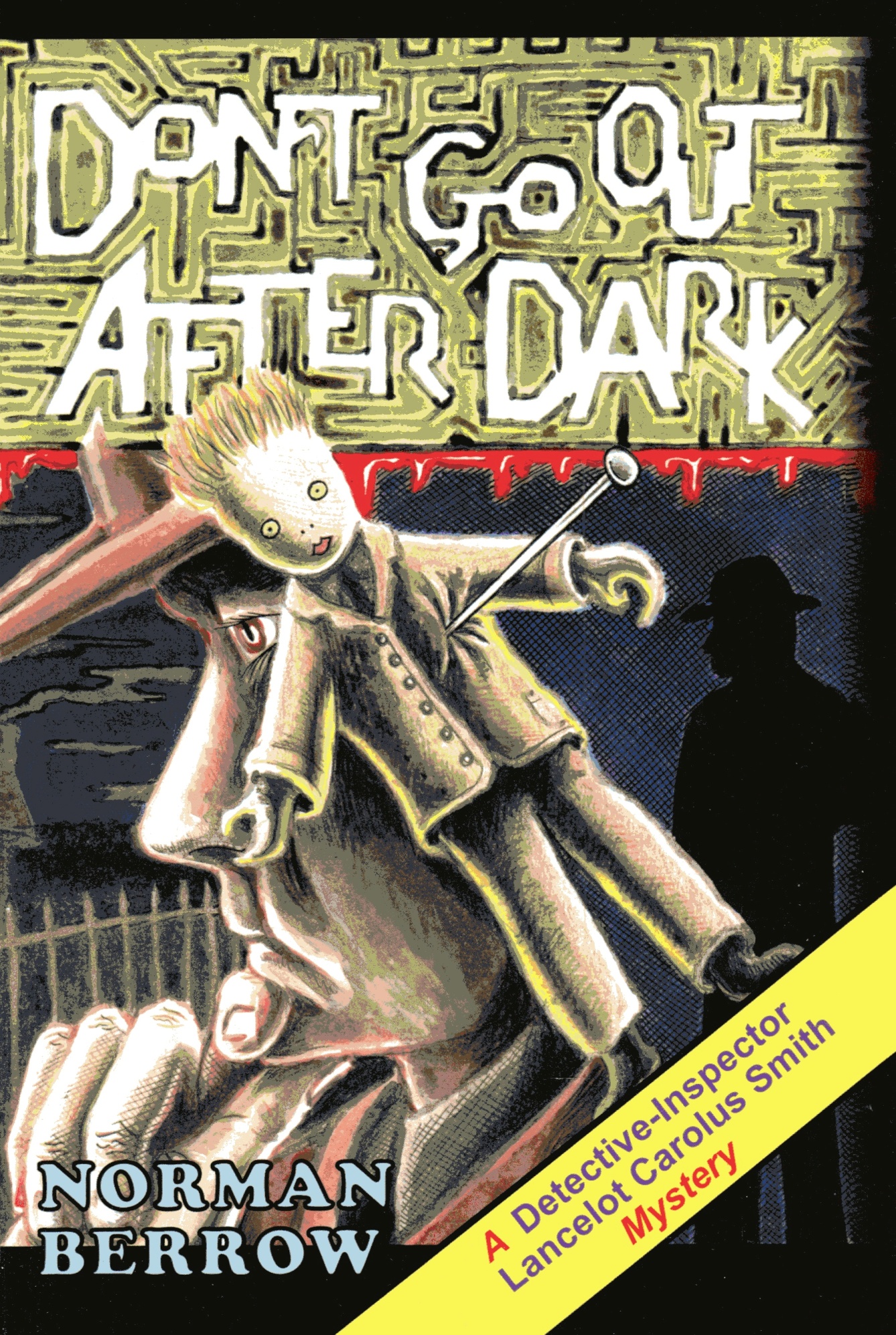
Continue reading#758: Don’t Go Out After Dark (1950) by Norman Berrow

![]()
![]()
![]()
![]()
![]()
I posited before that Norman Berrow’s career was neatly bisected by the Second World War — those novels he wrote before it being light, sometimes a little tedious, and generally easily dismissed, and those coming after possessed of better plotting, better characterisation, better everything. Then I encountered two post-war Berrow books in a row — Words Have Wings (1946) and The Singing Room (1948), both featuring the characters Michael and Fleur Revel — which left me disinterested and to date remain unfinished. Does Don’t Go Out After Dark (1950), the last of the usually excellent Lancelot Carolus Smith novels I have to read, correct this? Thankfully, yes.